Source Folding Plastic Hand Fan for Home Decoration, Gifts, and Business
Compare 30 listings of Folding Plastic Hand Fan options featuring fabric covers, bamboo or plastic ribs, and custom designs. Buyers can evaluate MOQs, materials, and packaging to find suitable suppliers for home decoration, holiday gifts, and business promotions.
Key considerations
Products List


$0.58 - $0.79
MOQ: 100 Pieces


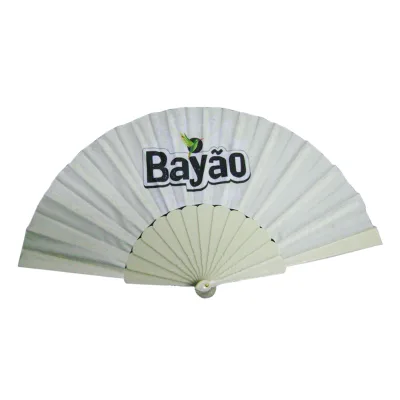
Personalized Printed Reflective Folding Hand Fans Hand Held Plastic Fan
$0.95 - $1.10
MOQ: 1000 Pieces




Comprehensive Sourcing Guide
Folding Plastic Hand Fan Sourcing Guide
Sourcing folding hand fans requires a nuanced understanding of material trade-offs, particularly when distinguishing between traditional bamboo constructions and modern plastic-based alternatives. While the market offers a wide array of designs, buyers must carefully evaluate the structural integrity of the ribs and the durability of the cover material. The decision often hinges on whether the priority is eco-friendly branding, cost efficiency, or aesthetic versatility. Understanding these distinctions is critical for aligning product selection with specific target demographics, whether they are corporate clients seeking promotional items or retailers targeting home decoration markets.
The procurement process also involves navigating complex customization options and minimum order quantities (MOQs) that vary significantly across suppliers. Buyers need to establish clear specifications early in the engagement to avoid miscommunication regarding design elements, such as solid color choices or custom branding capabilities. Furthermore, verifying the origin of production and the specific processing techniques used, such as weaving or carving, ensures that the final product meets both functional expectations and quality standards. This guide provides a structured approach to evaluating suppliers and products in this category.
Product Scope and Observed Listing Signals
The current market landscape for folding fans reveals a diverse range of materials and applications, with a notable presence of products combining plastic handles with fabric or paper covers. Observed listings indicate that many suppliers offer OEM and ODM services, allowing for extensive customization in terms of color and design. For instance, some products feature solid color options with a wide palette, such as thirteen or twenty colors available for selection, catering to brands that require specific visual identities. This flexibility is particularly valuable for businesses looking to create cohesive promotional campaigns or gift sets that align with their corporate branding guidelines.
In addition to promotional uses, these fans are frequently marketed for home decoration, art collection, and holiday gifting, suggesting a broader appeal beyond simple utility. The observed product attributes highlight a mix of styles, including modern and natural aesthetics, which allows buyers to target different consumer segments. Some listings emphasize eco-friendly features, while others focus on creative design elements, indicating that buyers should carefully review product descriptions to ensure alignment with their sustainability goals or aesthetic preferences. The presence of specific model numbers, such as IFAN-IN STOCK or IFAN-88, suggests that suppliers maintain standardized inventory alongside custom production capabilities.
Technical Specifications to Verify
When evaluating technical specifications, buyers must pay close attention to the composition of the fan’s structural components, particularly the ribs and the cover material. While some products utilize bamboo ribs for a natural look and feel, others may employ plastic handles or metal pins, which can affect the fan’s weight and durability. It is essential to verify the material of the ribs, as this directly impacts the fan’s flexibility and resistance to breaking during use. Additionally, the cover material, which can range from fabric to rayon or paper, plays a crucial role in the fan’s airflow efficiency and overall aesthetic appeal, so buyers should request samples to assess texture and quality.
Dimensions and weight are also critical technical factors that influence both user experience and logistics costs. Observed standard sizes include dimensions such as 21cm by 38cm and 23cm by 42cm, with some suppliers offering custom sizing options to meet specific requirements. The weight of individual fans typically ranges from 25 to 50 grams, which can affect shipping costs and the perceived value of the product. Buyers should confirm the exact dimensions and weight for each product variant, especially when ordering in bulk, to ensure that the packaging and shipping calculations are accurate and that the final product meets the expected physical specifications.
Compliance and Safety Documentation
Compliance and safety documentation are paramount when sourcing products intended for global distribution, particularly those that may be used by children or in sensitive environments. Buyers should request relevant test reports to ensure that the materials used, such as the plastic handles or fabric covers, meet international safety standards for toxicity and flammability. Although specific certification statuses may vary by supplier, it is crucial to verify that the products comply with regulations in the target market, such as REACH in Europe or CPSIA in the United States. This due diligence helps mitigate legal risks and ensures that the products are safe for end-users.
Furthermore, buyers should inquire about the environmental compliance of the materials, especially if the product is marketed as eco-friendly. This may involve verifying the source of the bamboo or the recyclability of the plastic components. Suppliers should be able to provide documentation that supports their claims regarding sustainable sourcing or manufacturing processes. By prioritizing suppliers who are transparent about their compliance efforts, buyers can enhance their brand reputation and avoid potential issues related to regulatory non-compliance or environmental concerns.
Cost Drivers and Commercial Terms
Cost drivers in the folding fan market are influenced by several factors, including material selection, customization complexity, and order volume. Products with custom designs, such as specific color choices or unique structural elements, typically incur higher costs due to the additional setup and production time required. Buyers should also consider the impact of packaging on overall costs, as options like OPP bags or poly bags with paper boxes can vary in price and environmental impact. Understanding these cost drivers allows buyers to make informed decisions about where to allocate their budget for maximum value.
Commercial terms, including minimum order quantities (MOQs) and payment methods, also play a significant role in the procurement process. Observed MOQs range from 2 to 1000 pieces, with some suppliers offering lower MOQs for in-stock items and higher MOQs for custom orders. Payment terms often include options like Trade Assurance or TT, which provide varying levels of security for both buyers and suppliers. Buyers should negotiate terms that align with their cash flow needs and risk tolerance, ensuring that they have clear agreements on delivery schedules and quality expectations before committing to large orders.
Supplier Qualification and Quality Control
Supplier qualification is a critical step in ensuring the reliability and consistency of the products received. Buyers should assess suppliers based on their production capabilities, quality control processes, and ability to meet customization requests. Suppliers with established OEM and ODM services are often better equipped to handle complex design requirements and maintain consistent quality across large orders. It is also important to verify the supplier’s origin and production location, as this can impact lead times and shipping costs. Buyers should request references or case studies to gauge the supplier’s track record in delivering similar products.
Quality control measures should be clearly defined and agreed upon before production begins. This includes specifying inspection criteria for materials, dimensions, and overall finish. Buyers may consider implementing third-party inspections or requesting pre-shipment samples to verify that the products meet the agreed-upon standards. By establishing robust quality control protocols, buyers can minimize the risk of receiving defective or substandard products and ensure that their customers receive high-quality items that reflect positively on their brand.
Long-Term Procurement Checks
Long-term procurement success depends on building strong, collaborative relationships with suppliers who can adapt to changing market demands and maintain consistent quality over time. Buyers should regularly review supplier performance metrics, such as on-time delivery rates, defect rates, and responsiveness to issues. This ongoing evaluation helps identify potential problems early and allows for corrective actions to be taken before they impact the supply chain. Additionally, buyers should stay informed about industry trends and innovations in fan design and materials, which can provide opportunities for product differentiation and cost savings.
Sustainability and ethical sourcing are increasingly important considerations for long-term procurement strategies. Buyers should prioritize suppliers who demonstrate a commitment to environmental responsibility and ethical labor practices. This may involve verifying the sustainability of raw materials, such as bamboo, and ensuring that manufacturing processes adhere to recognized environmental standards. By aligning procurement practices with broader corporate sustainability goals, buyers can enhance their brand image and contribute to a more responsible supply chain. Regular communication and collaboration with suppliers on these issues can foster a partnership that benefits both parties in the long run.
FAQs
What materials are used for the Folding Plastic Hand Fan ribs?
The ribs are made of plastic handles, while some variants use bamboo ribs. The cover material varies between fabric, paper, or rayon depending on the specific model selected for your order.
Can I customize the color and design of these fans?
Yes, customization is available with solid color options ranging from 13 to 20 choices. You can also request custom colors for the ribs, allowing for tailored designs that match your brand identity.
What is the minimum order quantity for these hand fans?
The standard minimum order quantity is 100 pieces for customized orders. Some listings indicate a range from 2 to 1000 pieces, but the confirmed custom MOQ is 100 pieces per model.
How are these fans packaged for shipment?
Each fan is packed individually in a poly bag. For larger orders, 500 pieces are typically packed together in a paper box, ensuring protection during transit and easy inventory management.
Which processing methods are used to make these fans?
The fans are produced using weaving and carving processes. These methods ensure durability and allow for creative designs, making them suitable for household use, souvenirs, and business gifts.
What are the standard dimensions for these folding fans?
Standard sizes include 21cm by 38cm and 23cm by 42cm. Custom dimensions are also available, with some models reaching up to 33cm by 64cm depending on the specific product requirements.
Are these fans suitable for business promotional events?
Yes, they are ideal for business gifts, promotions, and holiday events. Their eco-friendly features and customizable designs make them effective tools for corporate branding and marketing campaigns.