Source Food Grade Carboxymethylcellulose for Meat, Drinks, and Flour
Find 30 verified Food Grade Carboxymethylcellulose options for meat, drinks, and flour products. Compare specs like viscosity, purity, and packaging to request quotes from Chinese mainland suppliers. Explore detailed product attributes including degree of substitution, pH value, and loss on drying to ensure quality compliance for your specific application needs.
Key considerations
Products List




Comprehensive Sourcing Guide
Food Grade Carboxymethylcellulose Sourcing Guide
Buyers must first distinguish between food-grade and industrial-grade variants, as the supplied data indicates a clear split in product usage ranging from organic chemical materials to oil drilling auxiliary agents. While some listings explicitly state a Food Grade classification suitable for meat, drinks, and baked goods, others target textile or paper applications with different viscosity profiles. This distinction is critical because the purity requirements and safety documentation for food applications differ significantly from those for industrial thickening or stabilizing roles.
Procurement teams should verify the specific product model and standard listed against their intended application, noting that observed models include both 99% and 100% purity designations alongside specific codes like CMCF. The presence of multiple packing formats, such as 25kg bags and drums, suggests varying logistical needs for different production scales. Buyers must ensure the selected SKU matches the exact grade required for their manufacturing process to avoid contamination risks or performance failures in the final consumer product.
Product Scope and Observed Listing Signals
The market offers a diverse range of Carboxymethyl Cellulose (CMC) products, with observed listings highlighting specific physical attributes like white powder appearance and varying solution viscosities from 100 to 200,000 MPa.S. These signals indicate that suppliers cater to distinct end-uses, from low-viscosity applications in condiments to high-viscosity requirements in jelly or ice cream production. Buyers should carefully cross-reference the listed viscosity range with their specific formulation needs to ensure the thickening or stabilizing effect meets quality standards.
Listing signals also reveal significant variation in packaging and origin, with products sourced from Chinese Mainland locations like Shandong and shipped via Xingang Port. The availability of samples and customization options suggests a flexible supply chain, yet buyers must confirm that the specific packaging material, whether paper or drum, aligns with their storage and handling capabilities. Understanding these listing signals helps in filtering out products that may be technically suitable but logistically incompatible with the buyer's operational constraints.
Technical Specifications to Verify
Verification of the Degree of Substitution (D.S.) is paramount, as observed data indicates a range of 0.75 to 0.9, which directly influences the solubility and stability of the final food product. Buyers must request batch-specific test reports to confirm that the D.S. falls within the required window for their specific application, as deviations can alter the texture and shelf life of items like flour products or baked goods. This parameter is a primary differentiator between generic industrial grades and specialized food-grade stabilizers.
Purity and loss on drying are equally critical technical metrics that require strict validation against the observed minimums of 99.5% purity and a maximum loss on drying of 10.0%. The pH value, typically observed between 6.0 and 8.5, must also be verified to ensure compatibility with the food matrix, preventing unwanted chemical reactions during processing. Buyers should insist on comprehensive analytical data sheets that explicitly state these values for the specific batch being procured to guarantee consistent performance.
Compliance and Safety Documentation
Documentation must confirm that the product meets the ISO certification standards observed in the listings, which serves as a baseline for quality management systems in the manufacturing process. While ISO certification is a strong indicator of procedural rigor, it does not automatically guarantee food safety compliance for every specific batch. Buyers should request additional food safety certificates, such as those specific to the destination market, to ensure the product is legally permissible for use in human consumption applications like meat or drinks.
Safety data sheets (SDS) and certificates of analysis (CoA) are essential for verifying that the product contains no unauthorized additives or contaminants beyond the stated primary standards. The classification of the product as a primary standard or analytical reagent in some listings requires careful interpretation to ensure it does not conflict with food-grade regulatory requirements. Procurement teams must ensure that all documentation explicitly states the product is intended for food use and complies with relevant local and international food safety regulations.
Cost Drivers and Commercial Terms
The observed price range of 1 to 3500 USD reflects significant variability driven by purity levels, viscosity specifications, and order volume, necessitating a clear understanding of the cost structure before negotiation. High-purity grades with specific viscosity ranges or those requiring specialized packaging like drums will naturally command higher prices than standard industrial grades. Buyers should analyze the total cost of ownership, including potential shipping costs from Xingang Port, rather than focusing solely on the unit price listed.
Commercial terms observed include a 50% TT in advance and 50% TT against copy Bill of Lading, which is a standard practice but requires careful cash flow management. The lead time of within 7 days after receiving the order is a competitive advantage, yet buyers must confirm if this applies to all product models or only specific stock items. Understanding these payment and delivery terms helps in planning inventory levels and mitigating the risk of supply chain disruptions during peak production periods.
Supplier Qualification and Quality Control
Supplier qualification should prioritize those who demonstrate a clear separation between food-grade and industrial-grade production lines to prevent cross-contamination risks. The presence of customization options and sample availability suggests a responsive supplier base, but buyers must verify the supplier's capacity to maintain consistent quality across different batches. It is essential to audit the supplier's quality control protocols to ensure they can consistently meet the strict purity and viscosity requirements observed in the product listings.
Quality control checks must extend beyond the initial sample to include regular third-party testing of incoming shipments, particularly for parameters like loss on drying and pH value. The observed shelf life of over 12 months under normal storage conditions is a key factor, but buyers must ensure their own storage methods align with these recommendations to maintain product integrity. Establishing a robust quality assurance framework with the supplier ensures that the CMC remains effective throughout its intended use in food manufacturing processes.
Long-Term Procurement Checks
Long-term procurement strategies should include periodic re-verification of the supplier's ISO certification status and any updates to their manufacturing standards to ensure continued compliance. As regulations evolve, suppliers must adapt their processes to meet new food safety requirements, and buyers should maintain open communication channels to stay informed of any changes that could impact product eligibility. Regular audits and performance reviews help in identifying potential risks before they affect the supply chain or final product quality.
Buyers should also monitor the stability of the supply chain, particularly regarding the loading port and lead times, to prevent disruptions that could impact production schedules. The observed lead time of within 7 days is favorable, but external factors such as port congestion or logistical issues could alter this timeline. Establishing contingency plans and maintaining a relationship with multiple qualified suppliers ensures business continuity and reduces the risk of stockouts in critical food production lines.
FAQs
How is Food Grade Carboxymethylcellulose typically packaged for shipment?
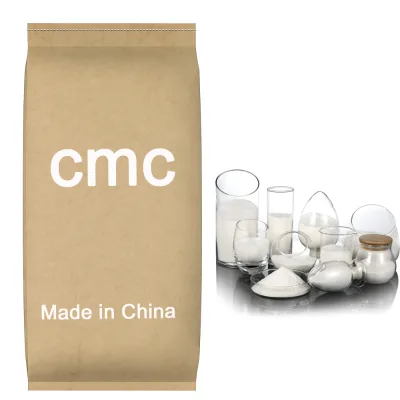
It is commonly packed in 25 kg bags with paper packaging material, and some listings also offer 25 kg drums for certain specifications. A 20 foot container can typically load around 25 tons. Packaging choice often depends on the grade and viscosity you order, so confirm the packing format with the supplier before placing your order.
What is the usual delivery time after an order is confirmed?
Delivery is generally within 7 days after the order is received, according to listed product information. Actual timing can vary with order volume, customization requirements, and production scheduling. Buyers should confirm the exact dispatch date and loading arrangements at Xingang Port with the supplier before finalizing the contract.
What payment terms do suppliers commonly accept?
A common arrangement is 50% T/T paid in advance and the remaining 50% T/T against a copy of the bill of lading. This structure balances risk between buyer and supplier. Payment terms may be negotiable depending on order size and business history, so always confirm terms in writing before confirming your purchase order.
Which applications suit Food Grade Carboxymethylcellulose?
It is applied in meat products, drinks, flour products, condiments, jelly and ice cream, and baked goods, where it functions as a thickener, stabilizer, or water-holding agent. It is also used as an organic chemical material in other industries. Select the viscosity grade and degree of substitution that match your specific food application requirements.
What technical specifications should buyers check before ordering?
Key specifications include purity, typically 99.5% min for high-purity grades, degree of substitution between 0.75 and 0.9, pH value of 6.0 to 8.5, and loss on drying of 10.0% or less. Solution viscosity ranges widely, so verify the exact viscosity band for your application and request documentation against the stated product standard.
Can suppliers provide customization and samples?
Yes, customization is listed as available, and samples are available for evaluation before bulk ordering. Customization may cover viscosity range, purity level, and packaging format depending on the manufacturer. Request a sample that matches your target specification, test it in your application, and confirm customization feasibility and any cost implications before committing.
How should carboxymethylcellulose be stored after delivery?
It should be stored under normal conditions, and listed shelf life exceeds 12 months. Keep the powder in its original sealed paper packaging in a cool, dry area away from moisture, since the product is hygroscopic and moisture uptake can affect viscosity performance. Reseal opened bags promptly and use oldest stock first.
What certifications and grades are relevant when sourcing?
Food grade is the relevant material grade for edible applications, and ISO certification is listed among product credentials. Buyers should verify certification scope and request documentation showing food grade compliance for the specific lot. Confirm whether the supplied grade meets your regulatory requirements in the destination market before placing volume orders.