Source Food Grade Biscuit Tin Box for Gifts, Cosmetics, and Jewelry
Find and compare 30 Food Grade Biscuit Tin Box options from Zhejiang suppliers. Evaluate materials like tinplate, printing methods such as CMYK offset, and customization features including logo printing and eco-friendly designs to meet your packaging needs.
Key considerations
Products List
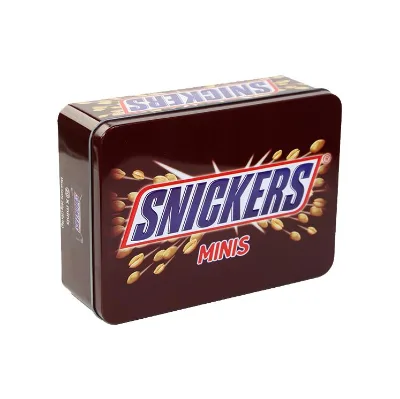
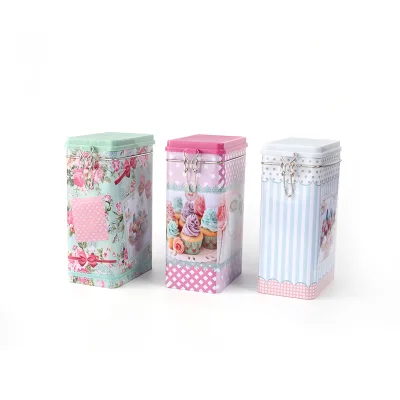


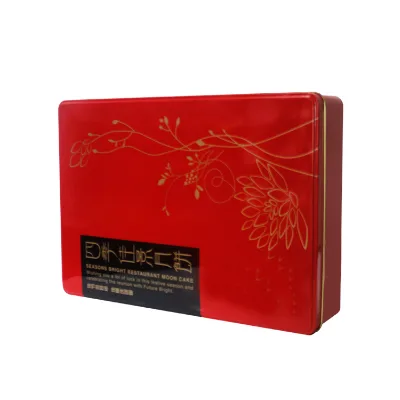
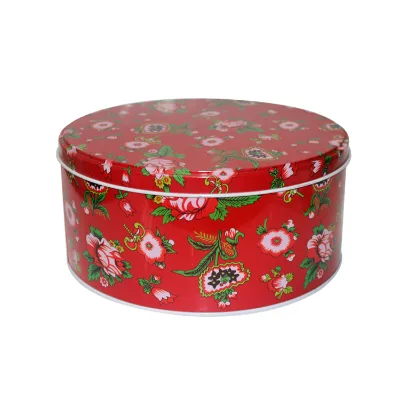
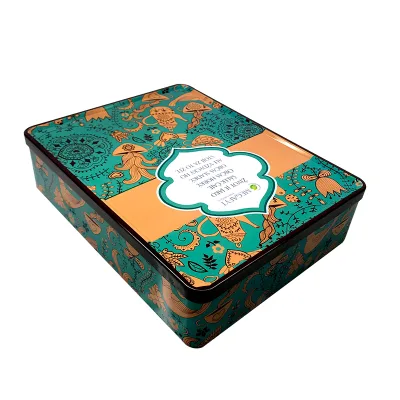


Wholesale Various Size Round Metal Gift Tin Box Biscuit Cookies Tin Box
$0.85 - $0.88
MOQ: 5000 Pieces


Comprehensive Sourcing Guide
Food Grade Biscuit Tin Box Sourcing Guide
Sourcing food-grade biscuit tin boxes requires a careful balance between aesthetic appeal, structural integrity, and strict adherence to food safety regulations. These containers serve as both protective packaging and marketing tools, necessitating materials that preserve product freshness while withstanding logistical stresses. Buyers must prioritize suppliers who demonstrate proven expertise in metal packaging, particularly those operating in established manufacturing hubs like Zhejiang, China, where supply chain efficiencies often support competitive pricing and rapid iteration.
The procurement process involves evaluating multiple variables, from material thickness and printing techniques to certification status and minimum order quantities. This guide provides a structured approach to navigating these complexities, ensuring that buyers can make informed decisions based on verified data rather than marketing claims. By focusing on observable listing signals and technical specifications, purchasers can mitigate risks associated with non-compliant materials or inconsistent production quality.
Product Scope and Observed Listing Signals
The market for biscuit tin boxes exhibits a wide range of configurations, with observed listings indicating a price range of $0.15 to $2.37 USD per unit. This variance typically reflects differences in material thickness, printing complexity, and order volume. Buyers should note that the minimum order quantity (MOQ) ranges significantly, from as low as 1 piece to as high as 20,000 pieces, allowing for flexibility in testing new designs or committing to large-scale production runs. Understanding these ranges helps in budgeting and aligning procurement strategies with inventory needs.
Common attributes observed in current listings include the use of tinplate as the primary material, with thicknesses generally falling between 0.18mm and 0.35mm. The shape of these tins is predominantly rectangular or square, with specific dimensions such as 147mm x 147mm x 50mm or 168mm x 67mm observed in sample data. These physical characteristics are critical for determining shelf presence and storage efficiency. Additionally, customization options are widely available, including logo printing and surface handling techniques like gravure printing, embossing, or varnishing, which enhance brand visibility and tactile appeal.
Technical Specifications to Verify
Material composition is the most critical technical factor, with tinplate being the standard choice due to its durability and barrier properties. Buyers must verify the exact thickness of the tinplate, as variations between 0.18mm and 0.35mm directly impact the box’s resistance to crushing and its ability to protect fragile biscuits during transit. Thicker gauges offer superior protection but may increase shipping costs due to weight, while thinner gauges might compromise structural integrity if not properly engineered. Confirming the metal type ensures that the packaging meets the necessary mechanical requirements for the specific product weight, which often ranges from 1kg to 3kg per unit.
Printing and surface finishing play a vital role in both aesthetics and functionality. Common printing methods include CMYK 4-color offset printing and gravure printing, which allow for high-quality, vibrant graphics. Surface treatments such as varnishing or embossing can add a premium feel and additional protection against moisture and wear. Buyers should request physical samples to assess the accuracy of color reproduction and the durability of the print under friction. It is also essential to confirm whether the printing inks and coatings used are food-safe, ensuring that no harmful substances migrate from the packaging to the food product.
Compliance and Safety Documentation
Food contact safety is non-negotiable for biscuit packaging, requiring suppliers to provide relevant certifications that verify the non-toxic nature of their materials and processes. Certifications such as BSCI, ISO, and CE are frequently cited in supplier profiles, indicating adherence to social compliance, quality management systems, and European conformity standards. However, buyers must go beyond these general certifications and specifically request documentation confirming compliance with local food safety regulations, such as FDA standards in the United States or EU regulations in Europe. These documents prove that the tinplate and any internal lacquers are safe for direct or indirect food contact.
Transparency in the supply chain is equally important, with many suppliers offering OEM services and accepting customized logos. Buyers should verify that the customization process does not compromise the food-grade integrity of the tin. For instance, the application of labels or adhesives must also meet food safety standards. Additionally, suppliers should provide evidence of their manufacturing processes, including how they handle surface treatments and printing inks. This due diligence helps prevent regulatory hurdles at customs and ensures that the final product can be legally sold in the target market without safety concerns.
Cost Drivers and Commercial Terms
Several factors influence the final cost of biscuit tin boxes, with material costs, printing complexity, and order volume being the primary drivers. The observed MOQs, ranging from 1,000 to 6,000 pieces per design, suggest that economies of scale play a significant role in pricing. Larger orders typically result in lower unit costs, but buyers must balance this with storage capacity and cash flow constraints. Payment terms are commonly structured around Telegraphic Transfer (TT) or Letter of Credit (LC), providing security for both parties. Understanding these terms helps in planning financial outlays and managing supplier relationships effectively.
Lead times and sample availability are also key commercial considerations. Sample production typically takes 7 to 10 days, allowing buyers to evaluate quality before committing to bulk orders. Mass production lead times generally range from 25 to 35 days, which must be factored into inventory planning to avoid stockouts. Buyers should also inquire about shipping options, as the single gross weight of these tins can vary, impacting freight costs. Clear communication regarding packaging details, such as whether they are packed for shipping or as per customer requirements, ensures that logistics are handled efficiently and cost-effectively.
Supplier Qualification and Quality Control
Evaluating supplier capabilities requires a thorough assessment of their manufacturing infrastructure and quality control protocols. Suppliers located in Zhejiang, China, often benefit from a mature industrial ecosystem, but buyers should still verify their production capacity and consistency. Requesting references or case studies from previous clients can provide insights into the supplier’s reliability and ability to meet deadlines. Additionally, buyers should inquire about the supplier’s internal quality control measures, including how they inspect raw materials and finished products for defects.
Quality control should extend to the printing and finishing stages, where issues like color mismatch or uneven embossing can occur. Buyers should establish clear acceptance criteria for these aspects and request pre-shipment inspections if necessary. It is also advisable to discuss the supplier’s policy on handling defects or non-conforming products. A reputable supplier will have a robust system for addressing quality issues, ensuring that buyers receive products that meet their specifications. Building a strong relationship with the supplier through regular communication and feedback can further enhance quality outcomes.
Long-Term Procurement Checks
Sustainable sourcing is becoming increasingly important, with many buyers prioritizing eco-friendly materials and recyclable packaging solutions. Tinplate is inherently recyclable, making it a suitable choice for brands aiming to reduce their environmental footprint. Buyers should verify the supplier’s commitment to sustainability, including their use of eco-friendly inks and coatings. This alignment with environmental values can enhance brand reputation and appeal to conscious consumers. Additionally, exploring opportunities for design optimization to reduce material waste can contribute to long-term cost savings and sustainability goals.
Continuous improvement in packaging design and supplier performance is essential for maintaining a competitive edge. Buyers should regularly review market trends and consumer preferences to ensure that their packaging remains relevant and appealing. This may involve experimenting with new shapes, sizes, or printing techniques to differentiate products on the shelf. Furthermore, maintaining open lines of communication with suppliers allows for ongoing collaboration and innovation. By staying informed about industry developments and fostering strong supplier relationships, buyers can secure a reliable supply of high-quality biscuit tin boxes that meet their evolving business needs.
FAQs
What printing methods are available for these tin boxes?
The available printing methods include CMYK 4 Color Offset Printing and Gravure Printing. Customized logos are accepted, and surface handling options like varnishing and embossing are also available for specific designs.
Can I customize the logo on the Food Grade Biscuit Tin Box?
Yes, customized logos are accepted for these tin boxes. The product supports customization with various surface handling techniques, allowing buyers to add their branding to the packaging for food, jewelry, or gifts.
What is the minimum order quantity for these packaging boxes?
The minimum order quantity varies by design, with observed values of 5000, 6000, or 10000 pieces per design. Some listings indicate a range starting from 1 piece up to 20000 pieces depending on the specific supplier.
How long does it take to receive samples of the tin box?
Sample time typically ranges from 7 to 10 days. This duration allows buyers to verify the quality and specifications before committing to a larger production run for their food or gift packaging needs.
What certifications do these tin plate packaging products hold?
Certifications include BSCI, ISO, and CE for specific product models. These standards ensure the packaging meets safety and quality requirements for food, cosmetics, and other consumer goods stored within the tin boxes.
Where are these food grade biscuit tin boxes manufactured?
The place of origin is Zhejiang, China. Products are sourced from manufacturers in this region who specialize in tinplate packaging with various sizes and customization options for global buyers.
What materials are used to make these tin packaging boxes?
The boxes are made from 0.18mm to 0.35mm tinplate material. This metal type ensures durability and eco-friendliness, making the packaging suitable for recycling and safe for storing food and other items.