Source Food Grade Broccoli Sprout Extract for Capsules, Tablets, and Paste
Find 30 listings for Food Grade Broccoli Sprout Extract suitable for health care products, medicine, and food applications. Compare specifications including assay methods like HPLC and UV, packaging options, and certifications such as FDA and ISO to identify the right supplier for your needs.
Key considerations
Products List


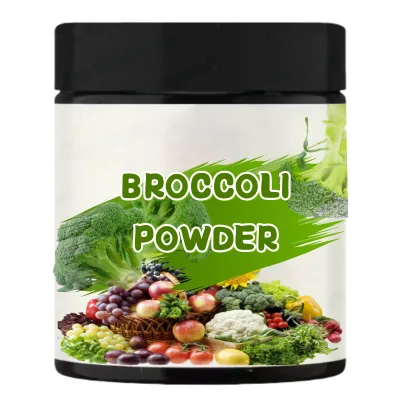
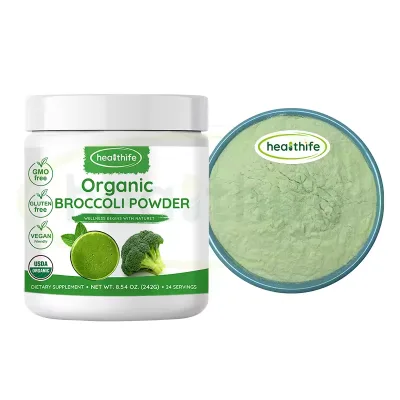
Natural Broccoli Extract Broccoli Sprout Extract Powder Broccoli Sprout Powder
$8.34 - $10.43
MOQ: 1 kilograms


Comprehensive Sourcing Guide
Food Grade Broccoli Sprout Extract Sourcing Guide
Procuring Food Grade Broccoli Sprout Extract requires a disciplined approach to verifying botanical identity and active ingredient consistency. Buyers must prioritize suppliers who provide clear evidence of the raw material source, specifically Brassica oleracea var, to ensure authenticity. The market offers various forms, including fine powders and pastes, each suited for different manufacturing processes. Understanding these physical distinctions is critical for selecting the right formulation for your specific production line, whether it involves dry blending or wet mixing applications.
Verification of the active ingredient, sulforaphane, is paramount for product efficacy. Sourcing guides emphasize the need for precise assay methods, such as HPLC or UV analysis, to confirm potency levels. Buyers should request detailed Certificates of Analysis (COA) that align with enterprise standards or recognized industry benchmarks. This step ensures that the extract meets the required concentration thresholds, safeguarding the final product’s health claims and regulatory compliance in target markets.
Product Scope and Observed Listing Signals
The current market landscape for broccoli sprout extract displays a wide range of product models and packaging options. Listings frequently indicate availability in 25kg drums or vacuum-packed bottles, catering to both bulk industrial needs and smaller pilot batches. Observed signals suggest that customization is available, allowing buyers to tailor specifications to their unique formulation requirements. This flexibility is essential for manufacturers seeking specific particle sizes or moisture contents that align with their processing equipment capabilities.
Stock availability is a significant factor in supply chain stability, with many suppliers indicating they hold inventory for immediate dispatch. Lead times are often reported within one week, facilitating rapid prototyping and quick market entry. However, buyers must distinguish between general stock and batch-specific availability. Confirming real-time inventory levels prevents production delays, especially when scaling up from sample phases to full commercial manufacturing runs.
Technical Specifications to Verify
Technical due diligence begins with confirming the physical state and color of the extract. Products are typically described as brown or yellow-brown powders, though some listings mention green powder variants, requiring careful verification against your quality standards. The part used is often cited as fruit or sprout, which directly impacts the phytochemical profile. Buyers must ensure that the botanical name and part used match the intended therapeutic or nutritional profile of the final health care product.
Assay specifications vary, with some suppliers offering ranges from 10% to 98% sulforaphane content. It is crucial to verify the exact assay method used, such as HPLC, to ensure data comparability across different batches. Storage conditions, typically room temperature, and shelf life, often around two years, must be clearly documented. These parameters influence packaging choices and logistics planning, ensuring product integrity is maintained from the supplier’s warehouse to the end consumer.
Compliance and Safety Documentation
Regulatory compliance is non-negotiable for food grade ingredients. Buyers must verify that suppliers hold relevant certifications, such as FDA, ISO, HACCP, BRC, or RoHS, depending on the target market. These certifications indicate adherence to strict manufacturing and quality management practices. Requesting copies of these certificates and checking their validity dates is a standard first step in supplier qualification, ensuring that the production facility meets international safety and hygiene standards.
Documentation must also include Material Safety Data Sheets (MSDS) and detailed Certificates of Analysis (COA). These documents provide critical information on chemical composition, heavy metal limits, and microbial contamination levels. For health care products and food applications, transparency in testing results is essential. Buyers should insist on third-party lab verification for key contaminants to mitigate risk and ensure the product meets all legal requirements for sale in their jurisdiction.
Cost Drivers and Commercial Terms
Pricing for broccoli sprout extract is influenced by assay purity, packaging format, and order volume. Observed price ranges can vary significantly, reflecting differences in extraction efficiency and raw material quality. Minimum Order Quantities (MOQ) typically start at 1kg or even 10g for samples, allowing buyers to test quality before committing to larger purchases. Understanding these commercial terms helps in budgeting and planning inventory levels effectively.
Sample policies are a key component of the procurement process. Many suppliers offer free samples, ranging from 10g to 20g, to facilitate initial quality assessment. However, buyers should clarify whether shipping costs are covered or if samples are provided at a discounted rate. Establishing clear terms for sample approval and subsequent bulk pricing negotiations ensures a smooth transition from evaluation to full-scale production, minimizing financial risk during the sourcing phase.
Supplier Qualification and Quality Control
Supplier qualification extends beyond documentation to include on-site audits and quality control protocols. Buyers should assess the supplier’s ability to maintain consistency in batch-to-batch variations. Inquiring about their internal quality control processes, including raw material testing and finished product analysis, provides insight into their reliability. Suppliers with robust QC systems are better equipped to handle large orders without compromising product quality.
Communication and responsiveness are also critical indicators of supplier reliability. A qualified supplier should provide timely updates on production status and shipping logistics. Establishing a clear channel for addressing quality issues or discrepancies is essential for long-term partnership success. Buyers should evaluate the supplier’s willingness to accommodate specific testing requirements or custom packaging needs, which can be vital for maintaining brand integrity and customer satisfaction.
Long-Term Procurement Checks
Sustainable sourcing requires regular review of supplier performance and product consistency. Establishing a schedule for periodic re-testing of incoming batches ensures that quality standards are maintained over time. Buyers should monitor any changes in raw material sources or manufacturing processes that could impact the final product’s efficacy or safety. Continuous engagement with the supplier helps in anticipating supply chain disruptions and adjusting procurement strategies accordingly.
Market trends and regulatory changes also necessitate ongoing vigilance. Staying informed about new health claims regulations or ingredient restrictions in key markets is crucial for compliance. Buyers should maintain open dialogue with suppliers regarding any updates in certification requirements or industry best practices. This proactive approach ensures that the procurement strategy remains aligned with both current operational needs and future market demands, securing a competitive advantage in the health care and food sectors.
FAQs
What is the active ingredient in Food Grade Broccoli Sprout Extract?
The active ingredient is Sulforaphane, derived from the Brassica Oleracea Var plant. This botanical extract is processed into a fine powder suitable for various applications. It is widely used in health care products and food supplements due to its potent antioxidant properties and natural origin.
Can I get a free sample of Food Grade Broccoli Sprout Extract?
Yes, free samples are available for evaluation. Suppliers typically offer 10-20g samples at no cost to help buyers assess quality. This allows potential clients to verify the powder's color, texture, and assay results before committing to a larger bulk order for their production needs.
What certifications are required for Food Grade Broccoli Sprout Extract suppliers?
Reputable suppliers provide certifications such as FDA, ISO, HACCP, BRC, and RoHS. These documents ensure the product meets international safety and quality standards. The extract is manufactured under enterprise standards, guaranteeing that the final powder is safe for use in medicine, health care, and food applications.
What is the typical MOQ for ordering Food Grade Broccoli Sprout Extract?
The minimum order quantity varies by supplier but often starts at 1kg or even 10g for initial trials. Some vendors list an MOQ of 1kg, while others may accept smaller quantities for sample verification. Buyers should confirm specific MOQ requirements with the manufacturer to align with their procurement strategy.
How is Food Grade Broccoli Sprout Extract packaged and stored?
The extract is typically packed in 25kg drums, bottles, or vacuum-packed bags to ensure freshness. It should be stored at room temperature to maintain stability. The product has a shelf life of two years, ensuring that the Sulforaphane content remains effective throughout its intended usage period in various formulations.
What is the delivery lead time for Food Grade Broccoli Sprout Extract?
Delivery is usually completed within one week for in-stock items. Suppliers maintain inventory to ensure rapid dispatch for urgent orders. This quick turnaround supports efficient supply chain management for manufacturers producing capsules, tablets, or paste formulations that require timely access to high-quality broccoli sprout extract raw materials.