Source Food Grade Dew Grass Extract for Medicine, Health Care, and Food
Find 17 listings for Food Grade Dew Grass Extract from China. Compare specifications like 50% or 98% assay, ISO and BRC certifications, and packaging options for medicine, health care products, and food applications; compare the available evidence and request quotations based on your requirements.
Updated
Key considerations
Products List

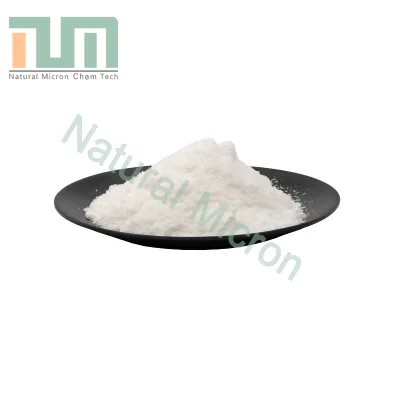
Ready Stock Pure Natural Dew Grass Extract Hydroxyecdysone 50% 98% CAS 5289-74-7 Plant Extract
$350.00 - $1600.00
MOQ: 1 Minimum

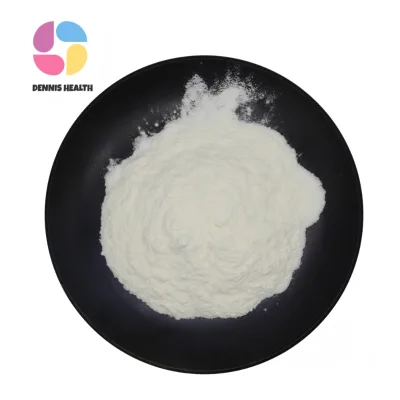
High Quality Natural Dew Grass Extract 98% Ecdysone Powder Dew Grass Extract
$1.5379 - $2.0495
MOQ: 1 Minimum
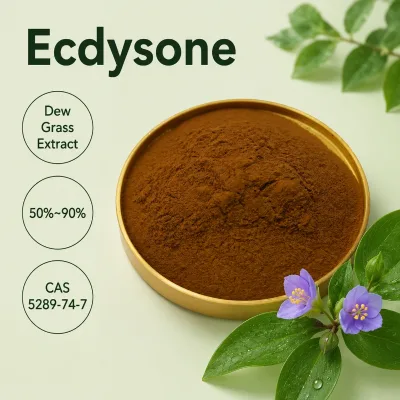
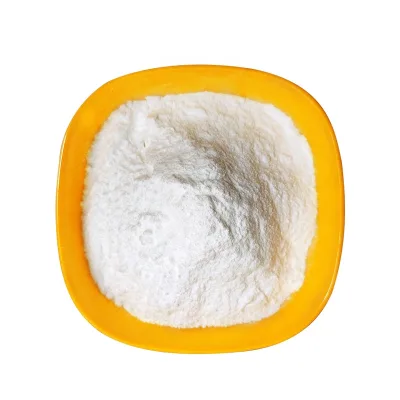
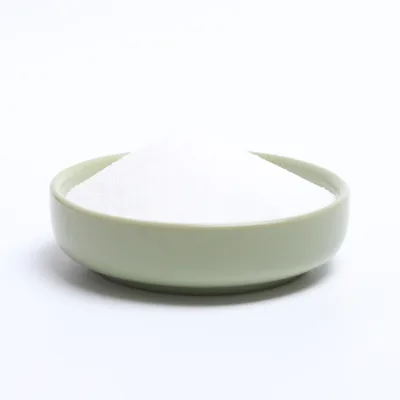

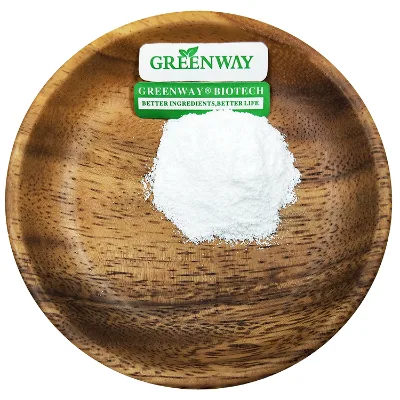
Manufacturer Supply Cosmetic Grade Dew Grass Extract CAS 5289-74-7 Hydroxyecdysone Powder
$50.00 - $100.00
MOQ: 100 Minimum
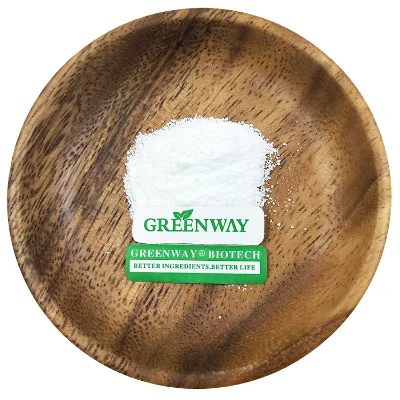
Wholesale Price 50%-98% Plant Extract Organic Natural CAS 5289-74-7 Hydroxyecdysone Powder
$50.00 - $100.00
MOQ: 100 Minimum
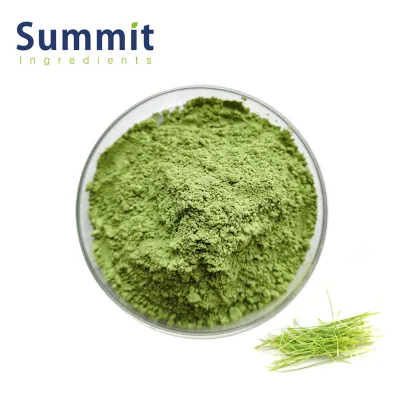
Wheatgrass Powder High Quality Ordinary or Organic Wheat Grass Powder Wheat Grass Extract
$10.3179 - $30.9522
MOQ: 1 kilograms



Comprehensive Sourcing Guide
Food Grade Dew Grass Extract Sourcing Guide
Procuring Food Grade Dew Grass Extract requires a disciplined approach to verifying botanical identity and purity, as the market contains diverse listings with varying quality standards. Buyers must distinguish between wild-harvested and artificially planted sources, as cultivation methods significantly impact the consistency of active compounds like ecdysterone. The observed product data indicates that suppliers offer extracts with assayed concentrations ranging from fifty percent to ninety-eight percent, necessitating strict verification of assay methods such as HPLC to ensure potency matches contractual specifications.
Commercial terms vary widely, with minimum order quantities starting as low as one kilogram, which facilitates initial sampling and small-batch testing. Lead times are often reported as ready stock, suggesting that inventory availability is a key competitive advantage for suppliers. However, buyers should not assume uniformity across all listings; packaging formats range from single-kilogram bags to twenty-five-kilogram drums, and storage requirements specify cool, dry conditions to maintain stability. Understanding these logistical nuances is essential for aligning supplier capabilities with your production schedule and storage infrastructure.
Product Scope and Observed Listing Signals
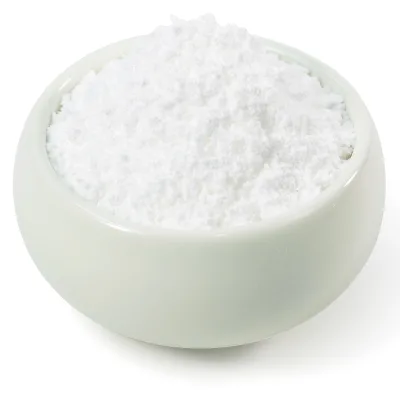
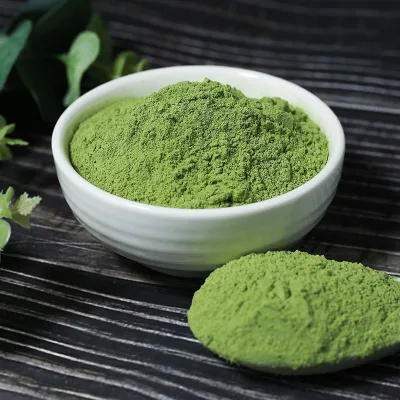
The product scope for dew grass extract encompasses a variety of application forms, including capsules, tablets, pastes, and lotions, indicating its versatility in health care and food sectors. Observed listings highlight that the material is typically a powder, with color descriptions varying between white and green, which may reflect different extraction ratios or botanical parts used, such as leaves. The standard extraction type noted is solvent extraction, a common method for isolating active phytochemicals, while the grade is consistently identified as food grade, ensuring suitability for human consumption products.
Listing signals also reveal specific model numbers and brand names, such as Natural Micron or Dennis, which help in tracking supplier identity and product lineage. Some entries specify a ratio standard of four-to-one, five-to-one, ten-to-one, or twenty-to-one, referring to the concentration of raw material per unit of extract. Additionally, the availability of free samples is a prominent feature, allowing buyers to conduct preliminary quality checks before committing to larger orders. These signals provide a baseline for evaluating the breadth of supplier offerings and their readiness to support new procurement relationships.
Technical Specifications to Verify
Verification of technical specifications is critical to ensure the extract meets your formulation requirements. Buyers must confirm the assay method, with HPLC being the standard technique observed in listings for quantifying active ingredients. It is essential to verify the specific concentration levels, as products are listed with specifications such as fifty percent or ninety-eight percent purity. The model number, such as five thousand two hundred eighty-nine dash seven four seven, serves as a unique identifier for the chemical structure, ensuring that the correct compound, hydroxyecdysone or ecdysterone, is being procured.
Physical attributes also require careful scrutiny, as appearance can vary from white powder to green powder depending on the processing method. Solubility is a key functional property, with observed data indicating one hundred percent water solubility, which simplifies integration into aqueous-based food and beverage products. The part of the plant used, typically the leaf, should be confirmed to align with your botanical sourcing preferences. Additionally, the shelf life is generally stated as two years, but this should be validated against specific batch testing to ensure long-term stability under your storage conditions.
Compliance and Safety Documentation
Compliance documentation forms the backbone of safe procurement, with ISO certification being a frequently observed standard among suppliers. Buyers should request current certificates to verify that the manufacturing facility adheres to recognized quality management systems. The presence of BRC certification in some listings indicates a higher level of compliance with global food safety standards, which is particularly valuable for brands targeting stringent regulatory markets. These certifications provide assurance that the production environment is controlled and that quality is maintained throughout the manufacturing process.
Beyond general certifications, specific test reports are necessary to validate product safety and identity. Listings mention test methods including HPLC, UV, and TLC, which collectively provide a comprehensive profile of the extract’s composition. Buyers must ensure that these test results are recent and correspond to the specific batch being ordered. Additionally, the origin of the product, whether from Shandong, Jiangsu, or Shaanxi in China, should be documented for traceability purposes. This geographical information can be crucial for supply chain transparency and for assessing the environmental impact of sourcing decisions.
Cost Drivers and Commercial Terms
Cost drivers for dew grass extract include the extraction ratio, purity level, and packaging format. Higher purity grades, such as ninety-eight percent, typically command a premium price compared to lower concentration extracts. The choice between solvent extraction and other methods can also influence cost, as can the source material, with wild-harvested ingredients potentially differing in price from artificially planted ones. Packaging options, ranging from aluminum foil bags to drums, affect both the unit cost and the logistical expenses associated with storage and handling.
Commercial terms are flexible, with minimum order quantities starting at one kilogram, which lowers the barrier to entry for new buyers. Lead times are often short, with many suppliers maintaining ready stock, which reduces the risk of production delays. However, buyers should negotiate clearly on pricing tiers and volume discounts, as observed price ranges can be broad. It is also important to clarify payment terms and shipping responsibilities, as these factors significantly impact the total landed cost. Understanding these commercial dynamics allows for more accurate budgeting and negotiation strategies.
Supplier Qualification and Quality Control
Supplier qualification involves assessing their ability to consistently deliver high-quality extract that meets your specifications. Buyers should evaluate the supplier’s cultivation methods, distinguishing between wild and artificial planting, as this affects the consistency of the raw material. The availability of samples is a critical step in this process, allowing for independent laboratory testing to verify assay results and physical properties. Suppliers who provide comprehensive documentation, including certificates of analysis and origin, demonstrate a higher level of professionalism and transparency.
Quality control measures should be integrated into the procurement process, with regular audits or third-party inspections recommended for large-volume contracts. Buyers must verify that the supplier’s quality management system includes rigorous testing at multiple stages of production. The observed use of HPLC for testing is a positive indicator, but buyers should confirm that the laboratory is accredited and that the testing protocols are aligned with international standards. Establishing a clear communication channel for quality issues ensures that any deviations are addressed promptly, maintaining the integrity of your supply chain.
Long-Term Procurement Checks
Long-term procurement success depends on continuous monitoring of supplier performance and market trends. Buyers should establish key performance indicators related to delivery times, product consistency, and responsiveness to quality inquiries. Regular review of certification status is essential, as compliance requirements can evolve over time. Maintaining a diversified supplier base can mitigate risks associated with single-source dependency, especially given the geographical concentration of suppliers in China.
Additionally, buyers should stay informed about changes in regulatory standards for food grade extracts in their target markets. This includes monitoring updates to ISO standards and any new requirements for botanical ingredients. Building a strong relationship with suppliers through consistent ordering and clear feedback can lead to better pricing and priority service. Finally, periodic re-evaluation of product specifications ensures that the extract continues to meet your evolving formulation needs, supporting the long-term viability of your products in the health food and care sectors.
FAQs
What is the appearance of Food Grade Dew Grass Extract?
The product appears as a white powder. It is also described as green powder in some listings. The material is derived from the leaf part of the plant. This herbal extract is available in various forms including capsules, tablets, paste, and lotion for diverse application needs.
Can I get a free sample of this extract?
Yes, free samples are available for this product. Buyers can request samples to verify quality before placing bulk orders. The sample availability ensures that purchasers can assess the powder's characteristics. This option supports informed decision-making for health food and medicine applications.
What certifications does the dew grass extract hold?
The extract holds ISO and BRC certifications. These credentials verify compliance with international quality and safety standards. The product is also noted to have ISO certification in specific listings. Such certifications are essential for suppliers serving the food and health care industries.
What is the minimum order quantity for this product?
The minimum order quantity is 1 kilogram. This low MOQ allows buyers to test the product with minimal commitment. The selling unit is listed as a single item. This flexibility supports small-scale procurement for health care products and food applications.
How is the extract tested for quality assurance?
Quality is verified using HPLC, UV, and TLC test methods. The assay method specifically utilizes HPLC for accuracy. These rigorous testing protocols ensure the purity and potency of the powder. Buyers can rely on these methods to confirm the product meets specified standards.
Where is the Food Grade Dew Grass Extract sourced?
The product originates from China, specifically Shandong, Jiangsu, and Shaanxi provinces. The cultivation method is listed as wild or artificial planting. This geographic sourcing indicates a diverse supply chain within China. Buyers can expect products shipped from these specific regional locations.
What packaging options are available for bulk orders?
Packaging includes 25kg drums, 1kg bags, and aluminum foil bags. Options also feature plastic containers and vacuum-packed formats. The single package size is approximately 18x16x12 cm. These varied packaging solutions ensure product protection during storage and transportation.