Source Spray Drying Stinky Grass Extract for Food, Health Food, and Supplements
Compare 30 listings for Spray Drying Stinky Grass Extract from Chinese suppliers. Buyers can review specifications like particle size, extraction type, and packaging options to find suitable herbal extracts for food and health applications; compare the available evidence and request quotations based on your requirements.
Updated
Key considerations
Products List
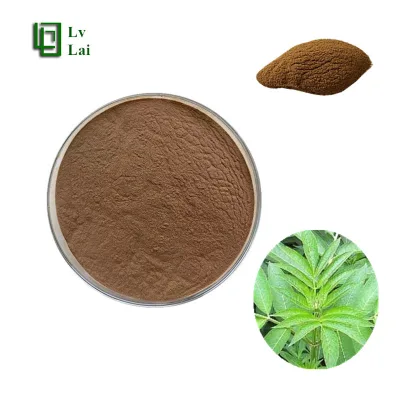
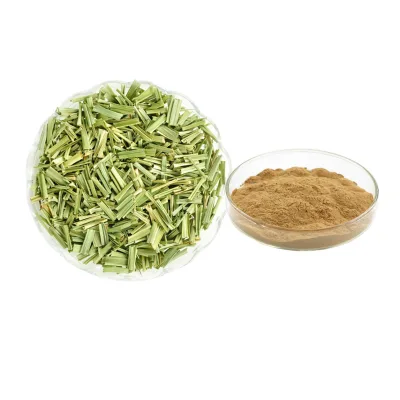
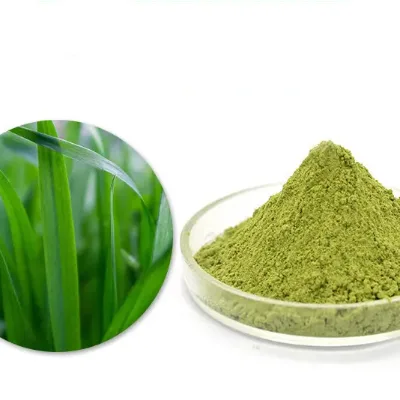
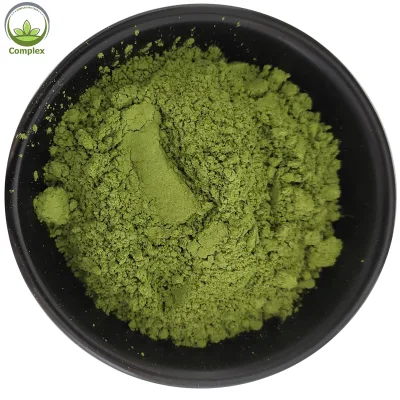
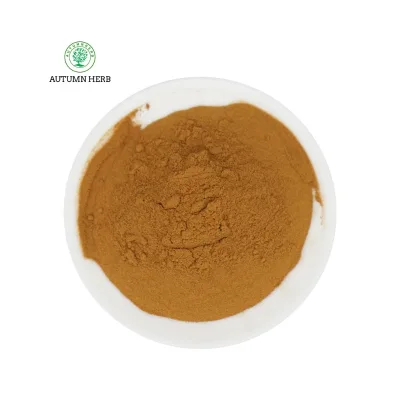
Organic Food Grade Herbal Extract Wheat Grass Powder-Wild Drum Packaging
$10.282 - $20.564
MOQ: 1 Minimum

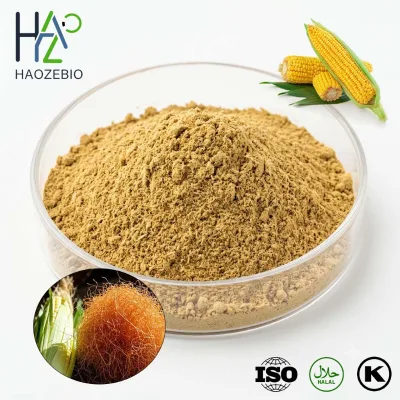


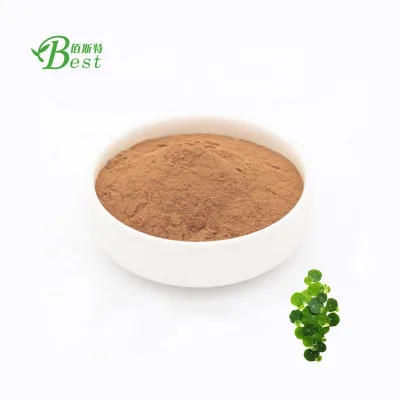
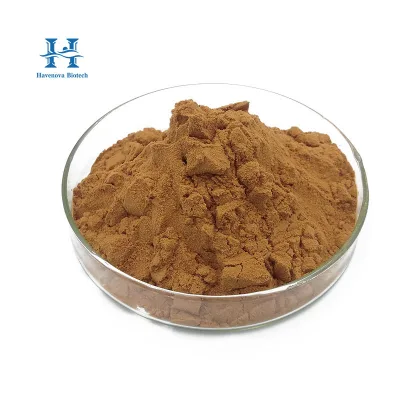
Chinese Duckweed Plant/Common Duckweed Powder/Herba Spirodelae Extract 20:1
$10.00 - $50.00
MOQ: 1 Minimum






Comprehensive Sourcing Guide
Spray Drying Stinky Grass Extract Sourcing Guide
Procuring Spray Drying Stinky Grass Extract requires a disciplined approach to verifying botanical identity and processing integrity. Buyers must distinguish between wild-harvested and artificially planted sources, as cultivation methods significantly influence the consistency of the final powder. The observed market data indicates a primary origin in Shaanxi, China, with some listings citing Shandong, which necessitates strict geographic verification to ensure supply chain transparency. Understanding these origin nuances is critical for maintaining product authenticity and meeting specific regulatory requirements in target markets.
The extraction process itself, often cited as solvent extraction followed by spray drying, plays a pivotal role in preserving the active vitamin content and achieving the desired physical properties. Buyers should scrutinize the transition from raw grass to the final brown-yellow or green powder, ensuring that the particle size passes through an 80-120 mesh sieve. This technical detail is not merely cosmetic but directly impacts solubility, bioavailability, and integration into health food formulations. Verifying these processing steps ensures that the extract meets the functional expectations of end-users in the food and supplement industries.
Product Scope and Observed Listing Signals
The current market landscape for stinky grass extract reveals a diverse range of product attributes that buyers must navigate carefully. Listings frequently highlight a quality guarantee period of twenty-four months, providing a baseline for shelf-life expectations, while the active ingredient is consistently identified as vitamin-rich components derived from the grass. The form is uniformly described as a powder, with color variations ranging from brown-yellow to green, depending on the specific cultivar and extraction parameters. These visual and physical signals serve as initial filters for buyers assessing the suitability of a supplier’s inventory for their specific formulation needs.
Commercial signals also indicate a wide variability in minimum order quantities, ranging from one kilogram to one thousand kilograms, catering to both small-scale R&D trials and large-scale industrial production. The observed price range spans from $0.10 to $1,500 USD, reflecting differences in grade, purity, and packaging specifications. Buyers should note that some products are marketed under brand names like "lvlai" or "dichuang biotechnology," while others emphasize generic descriptors such as "health food grade" or "high grade." This diversity underscores the importance of aligning commercial terms with technical specifications to avoid mismatches in quality expectations.
Technical Specifications to Verify
Technical verification begins with confirming the model number and assay methods, which are critical for ensuring batch-to-batch consistency. Products such as those with model number LL2291 or labeled as wheat grass powder require rigorous testing via TLC or HPLC methods to validate potency and purity. Buyers must insist on clear documentation of the assay results, particularly when the specification is listed as 0.98 or 0.99, as these figures likely represent the concentration of active compounds. Without precise assay data, the claimed health benefits and functional performance of the extract remain unverified and potentially unreliable for commercial use.
Particle size and physical appearance are equally important technical parameters that affect downstream processing. The requirement for 100% pass through an 80-120 mesh sieve ensures uniform dispersion in liquid or solid formulations, preventing clogging or uneven mixing in manufacturing equipment. Additionally, the extraction type, whether solvent extraction or spray drying, must be explicitly confirmed, as these methods impact the retention of heat-sensitive vitamins and other bioactive compounds. Buyers should also verify the part of the plant used, such as grass or flower, to ensure the extract aligns with the intended therapeutic or nutritional profile.
Compliance and Safety Documentation
Compliance documentation is the cornerstone of safe procurement, requiring buyers to verify that suppliers hold relevant certifications such as ISO, HACCP, FDA, BRC, and RoHS. These certifications indicate adherence to international standards for quality management, food safety, and environmental responsibility, which are essential for exporting to regulated markets. Buyers must request current certificates and confirm their validity with the issuing bodies, as outdated or forged documents can lead to significant regulatory penalties and supply chain disruptions. The presence of these certifications also suggests a supplier’s commitment to maintaining rigorous internal controls throughout the production process.
In addition to certifications, buyers should demand detailed test reports that align with the specified test methods, such as HPLC or UV analysis. These reports should include results for heavy metals, pesticides, microbial contamination, and other safety parameters relevant to health food ingredients. The storage requirements, typically specified as a cool, dry place, must be clearly communicated to ensure that the product maintains its integrity from the supplier’s facility to the buyer’s warehouse. Proper documentation of these safety and quality metrics is non-negotiable for protecting brand reputation and consumer health.
Cost Drivers and Commercial Terms
Cost drivers for stinky grass extract are influenced by several factors, including the grade of the raw material, the complexity of the extraction process, and the packaging specifications. Health food grade and high-grade extracts typically command higher prices due to stricter quality controls and higher purity levels. Packaging options, such as aluminum foil bags, drums, or vacuum-packed containers, also impact the final cost, as more robust packaging is required to preserve the product’s stability during transit and storage. Buyers should evaluate the total cost of ownership, including shipping and handling, rather than focusing solely on the unit price.
Commercial terms, including minimum order quantities and lead times, vary significantly among suppliers. Some suppliers offer ready stock with immediate availability, while others may have longer lead times depending on production schedules. The sample availability is often highlighted as a key feature, allowing buyers to test the product before committing to large orders. Buyers should negotiate clear terms regarding payment methods, return policies, and liability for non-conforming goods to mitigate financial risks. Understanding these commercial dynamics helps in building a resilient and cost-effective supply chain.
Supplier Qualification and Quality Control
Supplier qualification involves a thorough assessment of the manufacturer’s capabilities, including their cultivation methods and extraction facilities. Buyers should verify whether the grass is artificially planted or wild-harvested, as this affects the consistency and safety of the raw material. Artificial planting often allows for better control over pesticide use and environmental conditions, leading to a more standardized product. Additionally, buyers should inquire about the supplier’s quality control protocols, including in-process testing and final product inspection, to ensure that every batch meets the specified standards.
Quality control extends to the supplier’s ability to provide customization options, such as specific particle sizes or assay concentrations. Buyers should assess the supplier’s responsiveness to custom requests and their track record in fulfilling such orders. The availability of samples is a critical indicator of a supplier’s confidence in their product quality and their willingness to engage in a transparent evaluation process. By conducting due diligence on these aspects, buyers can select suppliers who are not only compliant but also capable of meeting their specific technical and commercial requirements.
Long-Term Procurement Checks
Long-term procurement success depends on establishing ongoing quality assurance mechanisms and regular supplier audits. Buyers should implement periodic testing of incoming shipments to verify that the product continues to meet the specified assay and purity standards. This proactive approach helps detect any drift in quality over time, allowing for timely corrective actions before the product impacts end-user satisfaction. Maintaining open communication with suppliers regarding any changes in raw material sources or processing methods is also essential for ensuring continuity and consistency in the supply chain.
Furthermore, buyers should monitor market trends and regulatory changes that may affect the procurement of stinky grass extract. Staying informed about new safety standards or emerging competitors can help buyers adapt their sourcing strategies and maintain a competitive edge. Building strong relationships with reliable suppliers fosters trust and collaboration, leading to better pricing, priority service, and joint innovation opportunities. By focusing on these long-term checks, buyers can secure a stable and high-quality supply of stinky grass extract for their health food and food applications.
FAQs
What is the quality guarantee period for Spray Drying Stinky Grass Extract?
The quality guarantee period is 24 months. This ensures product stability and potency during storage. Buyers should store the powder in a cool, dry place to maintain its health food grade integrity. The brown yellow powder remains effective within this timeframe when packaged correctly in aluminum foil bags or drums.
How is the stinky grass extract processed and what is its form?
The extract is processed using spray drying and solvent extraction methods. It appears as a brown yellow powder that passes through an 80-120 mesh sieve. This form ensures consistent particle size and solubility. The product is derived from the grass part of the plant, cultivated artificially to ensure purity and standardization for food applications.
Which certifications are available for the stinky grass extract suppliers?
Suppliers offer products certified under ISO, HACCP, FDA, BRC, and RoHS standards. These certifications verify compliance with international safety and quality management systems. Buyers can rely on these documents for regulatory approval in various markets. The grade is specified as health food grade, ensuring suitability for dietary supplements and functional food ingredients.
Can buyers customize the packaging for Spray Drying Stinky Grass Extract?
Yes, customization is available for packaging requirements. Standard options include 1kg aluminum foil bags, drums, and vacuum-packed bags. These methods protect the powder from moisture and contamination. Buyers can select packaging that suits their logistics needs while maintaining the product's shelf life and quality assurance period of 24 months.
What is the minimum order quantity for stinky grass extract powder?
The minimum order quantity is 1 kg. This low MOQ allows buyers to test product quality before committing to larger volumes. The selling unit is a single item, facilitating easy inventory management. Suppliers maintain ready stock for immediate dispatch, ensuring quick lead times for small and medium-sized orders in the health food sector.
Where is the stinky grass extract manufactured and shipped from?
The product originates from Shaanxi and Shandong in China. These regions are known for herbal cultivation and extraction facilities. Buyers can source directly from these locations to ensure authenticity. The place of origin is clearly documented, allowing for transparent supply chain tracking and verification of the artificial planting methods used for the raw materials.