Source Food Grade Flexible Flexitank for Chemical, Food, and Industrial Uses
Find 30 verified options for Food Grade Flexible Flexitank designed for transporting liquids like water, oil, and chemicals. Compare specifications, capacities, and packaging details from multiple suppliers to select the right solution for your needs.
Key considerations
Products List


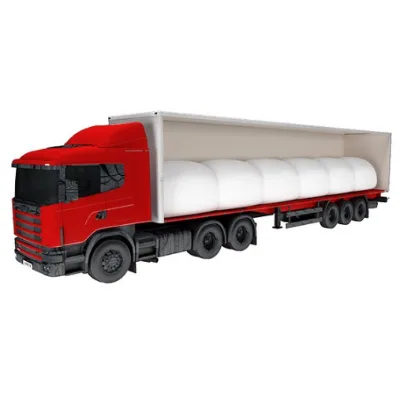
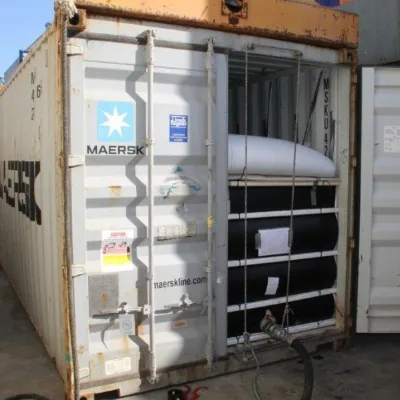
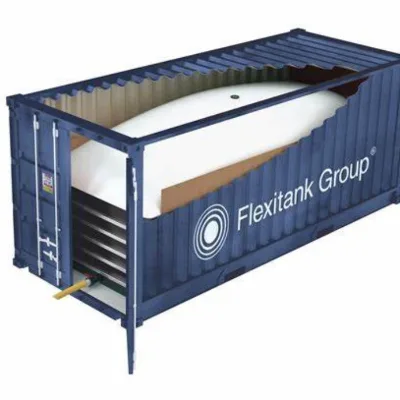
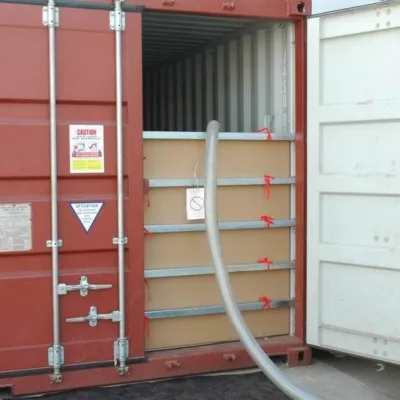
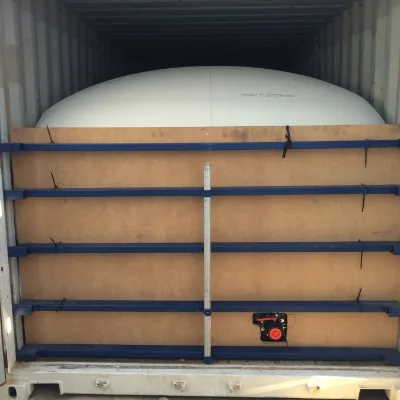
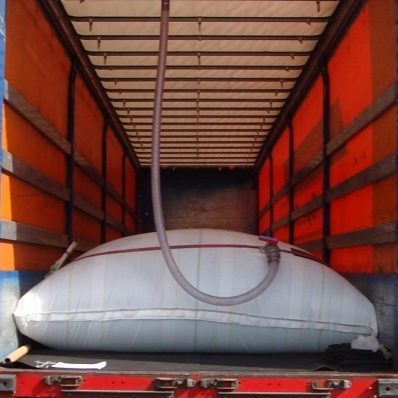
Comprehensive Sourcing Guide
Strategic Sourcing Guide for Food Grade Flexible Flexitanks
Understanding Technical Specifications and Capacity Ranges
When sourcing food grade flexible flexitanks, buyers must first establish a clear understanding of the technical specifications that define product viability. The market presents a diverse array of models, each tailored to specific logistical needs and liquid volumes. Based on observed industry data, the capacity of these units typically ranges significantly, with common specifications falling between 10,000 and 24,000 liters. Some models are explicitly designed for capacities exceeding 20,000 liters, while others operate within a 5,000 to 25,000-liter window. It is critical for procurement teams to verify the exact capacity against their shipping requirements, as the standard dimensions often correlate directly with the volume. For instance, specific configurations are noted to align with 103cm by 51cm by 40cm dimensions, while larger units may reach 5.8 meters by 2.4 meters by 1.7 meters.
The construction material is another paramount technical factor. The majority of high-quality flexitanks utilize a composite structure, often described as a combination of PP (Polypropylene) and PE (Polyethylene) films. Some specifications explicitly mention the use of 100% new PP and PE film, which is a strong indicator of material integrity and suitability for food-grade applications. The manufacturing process generally involves creating plastic packaging bags or composite packaging bags, ensuring the final product is robust enough to withstand the pressure of liquid transport. The color of these tanks is predominantly white or transparent, a feature that allows for visual inspection of the contents and cleanliness. Furthermore, the valve configuration is a critical technical detail; standard offerings include TLTD, BLBD, or TLBD valve types, which dictate how the liquid is filled and discharged. Buyers should confirm that the valve system is compatible with their existing filling infrastructure to prevent operational bottlenecks.
Compliance and Certification Verification
Ensuring that a flexitank meets food safety standards is non-negotiable for any procurement involving consumable liquids. The primary certification observed in the supply chain for these products includes ISO 9001 and COA (Certificate of Analysis). While general background knowledge often references ISO 22000 for food safety management systems, buyers must verify the specific presence of these certifications on the product documentation rather than assuming compliance based on general industry trends. The "Food Grade Packaging" attribute is frequently highlighted as a key advantage, but this claim must be substantiated by the supplier's ability to provide valid certificates.
Buyers should request a Certificate of Analysis (COA) for every batch of flexitanks purchased. This document provides evidence that the raw materials used, such as the High Pressure Polyethylene Plastic Bag components, have been tested and meet the necessary purity standards for food contact. The presence of a COA indicates that the manufacturer has a quality control process in place to verify that the product does not leach harmful substances into the liquid being transported. Additionally, the "Food Grade Packaging" feature suggests that the materials are safe for direct contact with food products, but this must be cross-referenced with the specific application requirements. For instance, if the liquid is an acid, alkali, or industrial alcohol, the material compatibility must be rigorously tested, even if the tank is marketed as food grade. The verification process should include a review of the manufacturer's quality management system certification to ensure consistent adherence to safety protocols.
Cost Drivers and Pricing Dynamics
The pricing of food grade flexible flexitanks is influenced by several variables, including capacity, material composition, and customization requirements. The observed price range in the market spans from 50 to 240 USD per unit, though this figure is highly dependent on the specific model and order volume. The Minimum Order Quantity (MOQ) is another significant cost driver, with observed ranges varying from 1 to 50 units. Some suppliers may require a minimum of 5 sets, which can impact the total cost for smaller buyers. Buyers should be aware that customization is available, and this service often incurs additional costs. Customization may involve altering dimensions, valve types, or packaging methods to suit specific logistical needs.
The material cost is a substantial component of the final price. The use of 100% new PP and PE film, as opposed to recycled materials, typically commands a higher price point but offers superior durability and safety. The manufacturing process, whether it involves plastic packaging bags or composite packaging bags, also affects the cost structure. Complex manufacturing processes that ensure a higher level of integrity and leak resistance will generally result in a higher unit price. Additionally, the packaging method, such as cartons, pallets, or bales, influences the shipping and handling costs. Buyers should consider the total landed cost, including freight, which can vary based on the origin of the product, typically China or specific regions like Zibo and Shandong. Understanding these cost drivers allows procurement teams to negotiate more effectively and budget accurately for their projects.
Typical Applications and Usage Scenarios
Food grade flexible flexitanks are designed for a wide range of applications, primarily focusing on the transport and storage of liquids. The observed applications include food products, chemicals, and industrial liquids. Specific use cases mentioned in the market data include water, industrial wastewater, acids, alkalis, industrial alcohol, and oil. The versatility of these tanks makes them suitable for various industries, from beverage production to chemical processing. The "Enclosed" type of flexitank is particularly useful for applications where contamination prevention is critical, ensuring that the liquid remains pure during transit.
The capacity of the flexitank dictates its suitability for different applications. Smaller units, such as those with a capacity of 16,000 to 24,000 liters, are ideal for standard shipping containers, while larger units may require specialized handling. The "Blue Whale" and "Anthente" models are examples of specific product lines that cater to different market segments. The ability to handle liquids like acids and alkalis suggests that the material must be chemically resistant, even if the primary application is food grade. Buyers should carefully match the tank's material properties to the specific chemical composition of the liquid they intend to transport. For food applications, the "Food Grade Packaging" attribute is essential, but for industrial applications, the focus may shift to chemical resistance and leak prevention. The "Disposable" feature of these tanks is a significant advantage, as it eliminates the need for cleaning and sterilization between uses, reducing operational costs and the risk of cross-contamination.
Supplier Evaluation and Origin Considerations
Evaluating suppliers for food grade flexitanks requires a thorough assessment of their location, production capabilities, and reputation. The majority of the observed supply originates from China, with specific mentions of Zibo and Shandong as key production hubs. These regions are known for their manufacturing infrastructure and expertise in plastic packaging. When evaluating a supplier, buyers should verify the "prod_origin" and "place_of_origin" to ensure transparency in the supply chain. The availability of customization is a strong indicator of a supplier's flexibility and ability to meet unique buyer requirements.
Buyers should also assess the supplier's quality control processes and their ability to provide necessary documentation, such as COAs and ISO certifications. The "insurance" attribute mentioned in some product listings suggests that some suppliers offer coverage for the goods during transit, which can be a valuable risk mitigation strategy. The "advantage" of food-grade packaging should be backed by tangible evidence, such as test results or third-party certifications. It is crucial to avoid relying solely on marketing claims and to request detailed product specifications and material safety data sheets. The "brand_name" of the supplier, such as "Blue Whale," can also serve as a reference point for reputation, but buyers should conduct independent due diligence to confirm the brand's standing in the market.
Quality Control and Long-Term Procurement Strategies
Implementing a robust quality control (QC) strategy is essential for maintaining the integrity of food grade flexitanks. Buyers should establish clear acceptance criteria based on the observed specifications, such as the 100% new PP+PE film requirement and the specific valve configurations. Regular inspections of the manufacturing process, particularly the "Plastic Packaging Bags" and "Composite Packaging Bags" stages, can help identify potential defects before the products are shipped. The "Disposable" nature of the tanks means that any defect can lead to significant product loss, making pre-shipment inspections critical.
For long-term procurement, buyers should consider the total cost of ownership, including the cost of replacement, disposal, and potential downtime due to tank failure. The "Customization" availability allows for long-term partnerships where the supplier can adapt the product to evolving needs. Buyers should also monitor the "MOQ" trends, as changes in order volume can impact pricing and lead times. Establishing a relationship with a supplier that offers consistent quality and reliable delivery is key to a successful procurement strategy. The "Packing in Bales or Pallets" and "Carton and Pallets" options should be evaluated for their impact on storage and handling efficiency. By focusing on these long-term considerations, buyers can ensure a stable supply chain that meets their operational and safety requirements.
Comparative Analysis of Flexitank Models
To facilitate informed decision-making, it is helpful to compare different flexitank models based on key attributes. The following table summarizes the observed variations in specifications, capacities, and materials across the market.
| Attribute | Model A (Standard) | Model B (High Capacity) | Model C (Custom) |
|---|---|---|---|
| Capacity Range | 10,000-24,000L | 18,000-24,000L | 5,000-25,000L |
| Material | PP+PE | 100% New PP+PE | High Pressure PE |
| Dimensions | 103x51x40cm | 5.8x2.4x1.7m | Customized |
| Valve Type | TLTD/BLBD/TLBD | TLTD/BLBD/TLBD | Customizable |
| Application | Food, Chemical | Food, Industrial | Food, Acid, Alkali |
| Packing | Carton & Pallet | Carton & Pallet | Bales or Pallets |
| Origin | China | Shandong, China | Zibo, China |
This comparison highlights the diversity in the market and underscores the importance of selecting a model that aligns with specific operational needs. Buyers should use this framework to evaluate potential suppliers and ensure that the chosen flexitank meets all technical and safety requirements. By carefully analyzing these attributes, procurement teams can make data-driven decisions that optimize cost, quality, and efficiency.
FAQs
What materials are used for food grade flexible flexitanks?
These tanks typically use 100% new PP and PE film or High Pressure Polyethylene Plastic Bag materials. This composite structure ensures durability and safety for direct contact with food products like water and oil.
Which certifications should buyers verify for food grade flexitanks?
Buyers should verify the presence of COA and ISO9001 certifications on the product documentation. While ISO 22000 is common in the industry, specific batch certificates like COA confirm material purity for food safety.
Can these flexitanks be customized for specific liquid applications?
Yes, customization is available for dimensions, valve types, and packaging methods. This allows buyers to tailor the enclosed tanks for specific needs like transporting acids, alkalis, or industrial alcohol safely.
What is the typical capacity range for these flexible tanks?
The capacity typically ranges from 10,000 to 24,000 liters, with some models reaching up to 25,000 liters. Specific configurations are designed to fit standard shipping containers like 20ft units.
How are these disposable flexitanks packaged for shipment?
Products are commonly packed in cartons and pallets or in bales depending on the model. This packaging ensures the tanks remain protected during transit from origins like Zibo or Shandong in China.
What valve types are standard for these liquid transport tanks?
Standard valve configurations include TLTD, BLBD, or TLBD types. These valves dictate how the liquid is filled and discharged, ensuring compatibility with existing filling infrastructure for efficient operations.