Source Food Grade DL-Alanine for Beverages, Bakery, and Supplements
Explore 30 verified listings for food grade DL-Alanine to compare specifications like purity, packaging, and lead times. Buyers can evaluate options ranging from 1kg foil bags to 25kg drums with origins in China Mainland.
Key considerations
Products List




Comprehensive Sourcing Guide
Strategic Sourcing Guide for Food Grade DL-Alanine
Understanding Product Specifications and Chemical Identity
When initiating a procurement strategy for food grade DL-alanine, the primary objective is to align technical requirements with verified product attributes. DL-alanine is a non-essential amino acid widely utilized in the food and beverage industry, often serving as a flavor enhancer or a nutritional supplement. The core chemical identity is defined by specific identifiers that must be cross-referenced against supplier documentation. The molecular formula for this compound is C3H7NO2, with a molecular weight of approximately 89.09 g/mol. Buyers should verify that the product listing explicitly states the CAS number, which serves as the definitive chemical fingerprint; in this context, CAS No. 302-72-7 is a critical reference point, though other variations like 56-41-7 may appear in specific packaging or model contexts.
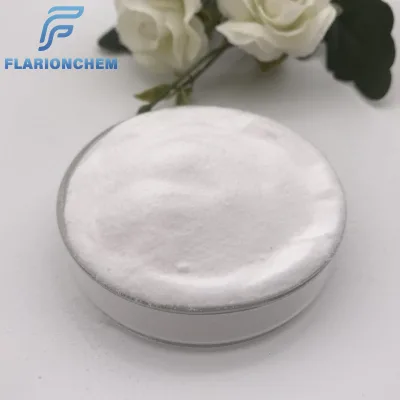
The physical appearance of the product is a fundamental quality indicator. High-quality food grade DL-alanine typically presents as a white powder. This visual characteristic is consistent across multiple specifications, including the "White powder" and "White" descriptors found in standard product profiles. The purity level is another non-negotiable metric for food applications. Market data indicates that products often meet a purity threshold of 99%, a figure that should be confirmed through the Certificate of Analysis (CoA) for every batch. The melting point, a key physical constant, is observed at 289 °C (dec.), which aids in verifying the thermal stability of the substance during processing. Additionally, the chemical character is noted for its acidity, and the refractive index is estimated at 1.4650. These specific numerical values are not merely descriptive; they are the baseline against which a buyer must validate incoming shipments to ensure the material matches the intended chemical profile.
Compliance, Certification, and Regulatory Verification
Navigating the regulatory landscape for food grade ingredients requires rigorous verification of standards and certifications. The term "Food Grade" is a critical designation that implies the substance is safe for human consumption and meets specific purity and contamination limits. Buyers must ensure that the supplier explicitly labels the product as "Food Grade" and provides documentation supporting this claim. While specific certification bodies are not listed in the general product data, the presence of an EINECS number (206-126-4) and a FEMA number (3818) indicates that the substance is recognized by major regulatory frameworks for use in food and flavoring applications.
The origin of the product is a significant factor in compliance. The majority of the supply chain for this commodity originates from the Chinese Mainland, with specific mentions of Shandong as a place of origin. When sourcing from this region, buyers must verify that the manufacturing facilities adhere to international food safety standards, such as GMP (Good Manufacturing Practices) or ISO 22000, even if these are not explicitly listed in the basic product attributes. The "Natural" resource attribute suggests a specific production pathway, but buyers should clarify whether the DL-alanine is synthesized or derived from natural fermentation, as this impacts labeling requirements in different jurisdictions. Furthermore, the "Acidity" chemical character must be balanced within the limits allowed by local food regulations to ensure the final product does not alter the pH of the food item beyond acceptable ranges.
Cost Drivers and Pricing Structures
The pricing of food grade DL-alanine is influenced by several dynamic factors, including raw material costs, production volume, and logistics. The observed price range for this commodity spans from 1 to 100 USD, though this wide variance often reflects differences in packaging sizes, purity levels, and order quantities rather than a standard unit price. The Minimum Order Quantity (MOQ) is a significant cost driver, with observed ranges extending from 1 unit up to 5000 units. Smaller orders typically command a higher per-unit cost due to the fixed overheads of handling and packaging, whereas bulk purchases can leverage economies of scale.
Packaging plays a pivotal role in the final cost structure. The product is available in various packaging configurations, including 25kg Kraft Paper Bags, 1kg Foil Bags, and 25kg Drums. The choice of packaging material, whether paper or plastic, affects both the unit price and the shipping weight. For instance, a 25kg drum might offer better protection for long-haul shipping compared to a paper bag, potentially reducing damage-related costs. Additionally, the "99%" purity standard often commands a premium over lower-grade alternatives. Buyers should also consider the payment terms, which frequently involve a 50% TT in advance and a 50% TT against the copy of the Bill of Lading. This structure impacts cash flow and should be factored into the total cost of ownership. The delivery timeline, often cited as within 7 days after receiving the order, can also influence pricing; expedited shipping or urgent orders may incur additional logistics fees.
Typical Applications in Food and Beverage Manufacturing
DL-alanine serves a versatile role in the food industry, primarily driven by its functional properties as an amino acid. Its primary application is as a flavor enhancer, contributing a sweet taste profile that is particularly effective in masking bitterness in various formulations. The product is often used in the production of beverages, where its solubility and stability make it an ideal ingredient for sports drinks and nutritional supplements. The "Nutrient Composition" being categorized as an "Amino Acid" and "Vitamin" (in the context of nutritional fortification) highlights its dual role in enhancing both taste and nutritional value.
Beyond flavoring, DL-alanine is utilized in the formulation of dietary supplements and functional foods. Its high purity (99%) and specific molecular weight ensure that it integrates seamlessly into complex nutritional matrices without altering the texture or stability of the final product. The "Natural" resource attribute makes it particularly attractive for products marketed as clean-label or organic, provided the sourcing method is verified. In industrial applications, the "Powder" form allows for easy mixing and dispersion in large-scale production lines. The product's stability, indicated by a shelf life of over 12 months under normal storage conditions, ensures that manufacturers can maintain consistent inventory levels without rapid degradation. The specific model numbers, such as "EVA 20240731" or "20250123-Jane Ma-05," often correspond to specific batch formulations or internal tracking systems used by manufacturers to ensure traceability in their supply chains.
Supplier Evaluation and Operational Capabilities
Selecting a reliable supplier for food grade DL-alanine requires a comprehensive evaluation of their operational capabilities and logistical infrastructure. The supply chain for this product is heavily concentrated in China, with the Loading Port often identified as Xingang Port. Buyers should verify the supplier's ability to manage exports from this location, including their experience with customs documentation and international shipping regulations. The "Delivery" lead time of within 7 days after order receipt suggests a responsive supply chain, but buyers must confirm if this timeline is consistent across different regions and if it accounts for customs clearance times.
The customization availability is a key differentiator among suppliers. The fact that "Customization" is listed as "Available" indicates that suppliers may offer tailored packaging sizes, specific purity grades, or private labeling options. This flexibility is crucial for buyers with unique formulation requirements or branding needs. However, buyers must exercise caution when relying on these customizations, ensuring that any modifications do not compromise the product's food grade status. The brand name "FLARIONCHEM" appears in the product data, serving as a reference point for brand recognition, but buyers should not limit their search to a single entity. Instead, they should evaluate multiple suppliers based on their ability to meet the specific technical and logistical requirements outlined in this guide. The presence of specific model numbers and batch codes suggests a robust tracking system, which is essential for maintaining quality control and traceability throughout the supply chain.
Quality Control and Long-Term Procurement Considerations
Maintaining consistent quality in food grade DL-alanine procurement requires a proactive approach to quality control and long-term relationship management. The "Storage Method" is specified as "Normal," implying standard warehouse conditions, but buyers should verify that the supplier's storage facilities maintain the required temperature and humidity levels to prevent clumping or degradation. The shelf life of over 12 months provides a buffer for inventory management, but buyers should implement a First-In-First-Out (FIFO) system to ensure that older stock is utilized before newer shipments.
For long-term procurement, establishing a clear communication channel with the supplier is vital. The payment terms, involving a split between advance and against Bill of Lading, require a high level of trust and transparency. Buyers should negotiate contracts that include clear quality assurance clauses, specifying the acceptable range for purity (99%) and the consequences of non-compliance. Regular audits of the supplier's manufacturing facilities can help identify potential risks before they impact the supply chain. Additionally, buyers should monitor the market for changes in raw material costs or regulatory updates that could affect the availability or pricing of DL-alanine. By maintaining a flexible and informed procurement strategy, buyers can ensure a steady supply of high-quality food grade DL-alanine that meets their operational and regulatory needs.
Comparative Analysis of Packaging and Specifications
To facilitate informed decision-making, the following table compares the key packaging and specification variations observed in the market for food grade DL-alanine. This comparison highlights the diversity in product offerings and helps buyers align their specific needs with the available options.
| Feature | Option A | Option B | Option C |
|---|---|---|---|
| Packaging Material | Kraft Paper Bag | Foil Bag | Drum |
| Packaging Weight | 25kg | 1kg | 25kg |
| Standard | 10kg/25kg/100kg | 25KG | 99% |
| Appearance | White Powder | White Powder | White Powder |
| Purity | 99% | 99% | 99% |
| Origin | China | Chinese Mainland | Shandong, China |
| Model Reference | CAS NO.: 56-41-7 | 20250123-Jane Ma-05 | EVA 20240731 |
| Molecular Weight | 89.093 | 89.09 | 89.09 |
This table illustrates that while the core chemical properties remain consistent, the packaging and model references vary significantly. Buyers should select the option that best fits their logistical constraints and production scale. For instance, the 1kg Foil Bag is ideal for small-scale testing or high-value applications, whereas the 25kg Drum or Kraft Paper Bag is more suitable for bulk industrial manufacturing. The consistency in purity and appearance across all options underscores the reliability of the standard product, provided the supplier adheres to the specified quality controls.
FAQs
What is the typical purity level for food grade dl-alanine?
The typical purity level is 99 percent. This standard ensures the product meets food safety requirements and is suitable for nutritional supplements and flavor enhancement applications in various food formulations.
How long is the shelf life of this amino acid product?
The shelf life exceeds 12 months when stored under normal conditions. Buyers should maintain standard warehouse environments to prevent degradation and ensure the product remains effective for long-term inventory management.
Which packaging options are available for bulk orders?
Available packaging includes 25kg kraft paper bags, 1kg foil bags, and 25kg drums. These options allow buyers to select the most suitable format based on their specific logistics needs and storage capabilities.
Can suppliers offer customization for this product?
Yes, customization is available for qualified buyers. Suppliers may adjust packaging sizes or provide specific labeling, but the core chemical identity and food grade status must remain consistent with regulatory standards.
What is the standard delivery lead time after order confirmation?
The standard delivery lead time is within 7 days after receiving the order. This rapid turnaround supports urgent procurement needs, though actual shipping duration depends on the specific destination and logistics arrangements.
Which origin locations are common for this chemical compound?
Common origins include the Chinese Mainland and specifically Shandong province. These regions host the manufacturing facilities that produce the white powder form with the required molecular weight and purity specifications.
What payment terms are typically required for this transaction?
Typical payment terms involve 50 percent TT in advance and 50 percent TT against the copy of the Bill of Lading. This structure balances cash flow requirements for both the buyer and the supplier.