Source Food Grade Dragon Fruit Powder for Smoothies, Baking, and Supplements
Find 30 listings for Food Grade Dragon Fruit Powder sourced from China. Compare freeze-dried purple powder options with BRC, ISO, and Halal certifications. Evaluate packaging sizes, MOQs, and extraction methods to select the right supplier for your business needs.
Key considerations
Products List


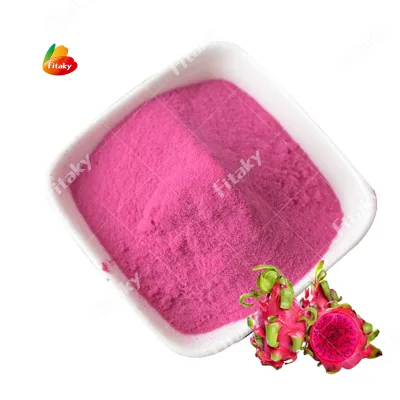
Dried Dragon Fruit Powder Nutritional Supplement Pink Dragon Fruit Powder
$5.61 - $6.63
MOQ: 100 kilograms






Comprehensive Sourcing Guide
Food Grade Dragon Fruit Powder Sourcing Guide
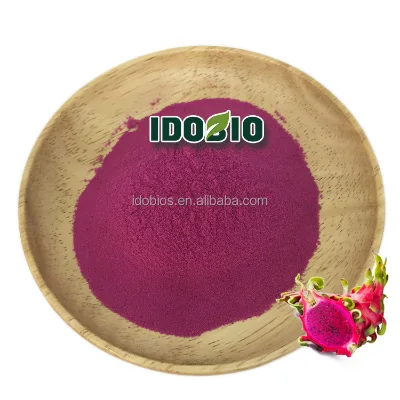
Procuring Food Grade Dragon Fruit Powder requires a clear understanding of the product's physical state and extraction methodology to ensure it meets specific formulation needs. The available market data indicates that the primary form is a fine powder derived from freeze-dried pitaya, presenting a distinct purple-red appearance that serves as a natural colorant and functional ingredient. Buyers must recognize that while the core material is consistent, the extraction process and final particle characteristics can vary significantly between suppliers, directly impacting solubility and color retention in the final application.
The sourcing landscape reveals a diverse range of packaging options, from bulk drums and vacuum-sealed bags to smaller private label containers, which dictates how the product should be handled upon receipt. Observations show that packaging standards often include 5kg bags within cartons or 25kg bags, but some listings also mention bottles, cans, and glass containers for smaller quantities. This variability necessitates a precise definition of packaging requirements early in the negotiation to avoid logistical mismatches, especially when the product is intended for direct consumer packaging or industrial mixing where moisture control is critical.
Product Scope and Observed Listing Signals
Buyers should verify that the product falls within the specific category of fruit and vegetable juice derivatives, specifically noting that the main ingredient is fruit or fruit juice with a focus on pitaya as the extract source. The observed listings confirm that the product is gluten-free and generally categorized under food grade standards, which is essential for manufacturers targeting health-conscious consumers or those with specific dietary restrictions. It is crucial to distinguish between products labeled as 100% pure and those that may contain additives, as the purity level directly influences the potency and flavor profile of the final food or beverage product.
The commercial signals in the market indicate a wide range of minimum order quantities (MOQ), spanning from as low as 1kg to over 1000kg, allowing flexibility for both pilot runs and large-scale industrial procurement. Price points observed in the market range from $2.50 to $49 per unit, reflecting differences in grade, packaging, and supplier location, though specific pricing should be validated against current market conditions rather than assumed. Buyers must be aware that while some suppliers offer customization and private labeling, others may have rigid packaging constraints, making it necessary to align the order volume with the supplier's capacity to meet specific branding or logistical needs.
Technical Specifications to Verify
Technical due diligence must begin with the assay method and purity standards, as the market data highlights HPLC as a common verification technique for ensuring the concentration of active compounds in the powder. Buyers should explicitly request test reports confirming the product meets the 100% pure standard where claimed, and verify that the grade is explicitly designated as food or drink grade rather than industrial or cosmetic grade. The physical specification of the powder, including its purple color and fine texture, should be matched against visual samples to ensure consistency, as variations in the drying process can lead to color degradation or clumping that affects product performance.
Storage and shelf life parameters are critical technical factors that determine the viability of the supply chain for long-term inventory management. The observed data suggests a shelf life exceeding 12 months when stored in a cool, dry place, but buyers must confirm that the supplier's specific storage recommendations align with their own warehouse capabilities. Additionally, the physical dimensions of the packaging, such as the 42.5 cm x 33 cm x 26 cm carton size or drum specifications, must be verified to ensure compatibility with existing storage racks and shipping containers, preventing unexpected logistical costs or handling difficulties.
Compliance and Safety Documentation
Compliance verification is paramount when sourcing ingredients for food, health care products, and medicine applications, requiring a thorough review of all relevant certifications. The market data indicates that suppliers often hold BRC, ISO, Kosher, and Halal certifications, but buyers must request current, valid certificates for each specific product batch rather than relying on general company credentials. It is essential to confirm that the Halal and Kosher certificates are issued by recognized authorities and that the ISO certification covers the specific manufacturing facility where the dragon fruit powder is processed.
Safety documentation must also address the origin and cultivation methods to ensure the product aligns with ethical sourcing and safety standards. While some listings mention wild cultivation, others may specify controlled farming, and buyers should verify that the cultivation method does not introduce contaminants or allergens that could compromise the product's safety profile. The presence of a food grade standard and the absence of gluten are key safety indicators, but these should be backed by third-party laboratory analysis to confirm that the product is free from heavy metals, pesticides, and other potential contaminants common in agricultural exports.
Cost Drivers and Commercial Terms
Understanding the cost structure of dragon fruit powder requires analyzing the impact of extraction type, specifically freeze-drying, which is a more energy-intensive process than air-drying and typically commands a higher price point. Buyers should evaluate whether the cost difference between freeze-dried and other extraction methods justifies the superior color retention and nutrient preservation offered by the freeze-dried product, as this decision will significantly influence the final product's market positioning and perceived value. The origin of the product, whether from Hainan, Haikou, Shaanxi, or Henan in China, can also affect logistics costs and lead times, making it necessary to factor in shipping expenses when comparing supplier quotes.
Commercial terms regarding packaging and customization play a significant role in the total cost of ownership, as private labeling and custom packaging often incur additional setup fees or higher unit costs. The observed MOQ ranges from 1kg to over 1000kg, meaning that smaller orders may carry a premium per unit, while larger volumes might offer economies of scale but require significant capital outlay. Buyers must negotiate clear terms for shipment methods, such as DHL, FedEx, TNT, or China Post, to ensure that the delivery timeline aligns with production schedules and that the shipping method protects the product from moisture and temperature fluctuations during transit.
Supplier Qualification and Quality Control
Supplier qualification should extend beyond basic certification checks to include an assessment of their production capacity and quality control protocols for maintaining product consistency. Buyers must verify that the supplier has a robust system for managing the transition from raw pitaya fruit to the final powder, ensuring that the extraction and drying processes are strictly controlled to prevent microbial contamination or oxidation. The ability to provide samples for pre-shipment inspection is a critical indicator of a supplier's confidence in their product quality and their willingness to engage in a transparent procurement process.
Quality control measures should also encompass the verification of the product's physical attributes, such as the purple-red color and fine powder form, against agreed-upon specifications before shipment. Buyers should establish a clear protocol for handling discrepancies in color intensity or particle size, as these variations can affect the aesthetic and functional performance of the final food or beverage product. It is advisable to implement a sampling plan that includes random testing of batches for moisture content and microbial limits, ensuring that the product remains within the specified food grade standards throughout the supply chain.
Long-Term Procurement Checks
Establishing a long-term procurement strategy for dragon fruit powder requires regular audits of the supplier's ability to maintain consistent quality and supply stability over time. Buyers should schedule periodic reviews of the supplier's certification status, ensuring that ISO, Halal, and Kosher certifications remain valid and that any new regulatory requirements in the destination market are met. This proactive approach helps mitigate the risk of supply disruptions and ensures that the product continues to meet the evolving safety and quality standards of the food and beverage industry.
Continuous monitoring of market trends and pricing dynamics is essential for maintaining a competitive edge in procurement, as the cost of raw materials and logistics can fluctuate based on seasonal harvests and global supply chain conditions. Buyers should maintain open communication channels with suppliers to stay informed about changes in cultivation methods, extraction technologies, or packaging innovations that could impact the product's performance or cost. By fostering a collaborative relationship with suppliers, buyers can secure priority access to high-quality dragon fruit powder and ensure a steady supply that supports their long-term business growth and product development goals.
FAQs
What is the shelf life of Food Grade Dragon Fruit Powder?
The product maintains a shelf life exceeding 12 months when stored correctly. Buyers should keep the powder in a cool, dry place to ensure quality preservation throughout the storage period.
Which certifications are available for this dragon fruit powder?
Certifications include BRC, ISO, Kosher, and Halal certificates for verified compliance. These standards ensure the product meets international safety and dietary requirements for various global markets.
Can buyers request custom packaging for dragon fruit powder?
Custom packaging options are available to meet specific buyer requirements. Suppliers offer various formats including drums, vacuum packs, and private labeling to suit different distribution needs.
What is the minimum order quantity for this product?
The minimum order quantity starts at 1 kilogram for many suppliers. Some listings indicate higher thresholds up to 1004 units, so buyers should verify specific supplier terms before ordering.
How is the dragon fruit powder extracted and what form does it take?
The powder is produced using freeze-dried extraction methods from pitaya fruit. It appears as a purple-red powder suitable for use in capsules, tablets, pastes, and food applications.
Where is the Food Grade Dragon Fruit Powder sourced from?
Products originate from multiple regions in China including Hainan, Haikou, Shaanxi Xi'an, and Henan. Buyers can select suppliers based on their preferred geographic origin for logistics planning.