Source Food Grade Potassium Chloride for Leavening, Gelling, and Salt Substitutes
Find and compare 30 listings for Food Grade Potassium Chloride, a white crystalline powder used as a leavening agent, gelling agent, and salt substitute. Review specifications including purity levels above 99%, ISO certifications, and packaging options to identify suitable suppliers for your production needs.
Key considerations
Products List

Food Additive 99% Purity Potassium Chloride Food Grade Potassium Chloride
$600.00 - $800.00
MOQ: 1 Tons


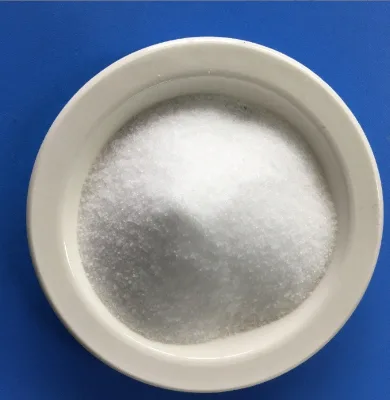

Global Sales High-Purity Potassium Chloride Food Grade Potassium Chloride
$970.00 - $1050.00
MOQ: 5 Tons


Factory Supply High Purity High Quality Food Grade 99% Potassium Chloride
$100.00 - $200.00
MOQ: 1 Tons


Comprehensive Sourcing Guide
Food Grade Potassium Chloride Sourcing Guide
Procuring Food Grade Potassium Chloride requires a disciplined approach to verifying purity, regulatory compliance, and supply chain reliability. This guide synthesizes observed market signals and technical requirements to help buyers navigate the complexities of sourcing this essential food additive. By focusing on verified specifications and commercial terms, procurement teams can mitigate risks associated with quality inconsistencies and regulatory non-compliance.
The following sections provide a structured framework for evaluating suppliers, interpreting technical data, and establishing robust quality control protocols. Buyers should use this guide as a reference for due diligence, ensuring that every purchase order aligns with internal quality standards and external regulatory requirements. The emphasis is on evidence-based decision-making, leveraging available product attributes to make informed sourcing choices.
Product Scope and Observed Listing Signals
The market for potassium chloride presents a diverse range of product grades, including food grade, pharmaceutical grade, feed grade, and agriculture grade. Observed listings indicate that food grade variants are often marketed with specific applications such as leavening agents, dough regulators, and salt substitutes. Buyers must carefully distinguish between these grades, as the specifications for Food Grade Potassium Chloride are significantly stricter than those for industrial or agricultural uses. The presence of multiple grade designations in a single supplier’s catalog suggests a need for rigorous verification of the specific batch intended for food application.
Visual and physical attributes observed in listings include white powder or white crystalline powder forms, with purity levels frequently cited as greater than 99% or within a 90% to 99% range. Packaging details vary, with common options including 25 kg kraft paper bags with PE liners or standard paper bags. These observations highlight the importance of confirming the exact physical form and packaging integrity, as moisture protection is critical for maintaining the stability of potassium chloride. Buyers should treat these observed attributes as starting points for verification rather than guaranteed specifications for every transaction.
Technical Specifications to Verify
Assay content is a primary technical parameter that must be verified for each purchase. Observed standards indicate assay values exceeding 97% or 99%, with some listings specifying content above 99.5%. Buyers should require Certificates of Analysis (CoA) that confirm the assay percentage for the specific lot being shipped. It is essential to understand that "food grade" is a regulatory classification, and the actual chemical purity must meet or exceed the requirements of the relevant food safety standards. Discrepancies between listed assay values and actual CoA results can lead to formulation issues in final food products.
Water content and impurity levels are other critical technical specifications that influence product performance. Observed data suggests water content may be around 1%, but this value should be confirmed through independent testing or supplier-provided CoAs. High moisture levels can affect the flowability and stability of potassium chloride in food premixes. Additionally, buyers should verify the presence of heavy metals and other contaminants, ensuring that the product meets the stringent limits imposed by food safety regulations. The model designations such as "KCL" or "Food Additive" should be cross-referenced with the actual chemical composition to avoid confusion with other potassium salts.
Compliance and Safety Documentation
Regulatory compliance is non-negotiable for Food Grade Potassium Chloride. Buyers must ensure that suppliers provide documentation confirming adherence to relevant food additive standards, such as GB25585-2010 or FCC VII, where applicable. These standards define the permissible limits for impurities and specify the testing methods for verifying purity. The presence of certifications like ISO, CIQ, RoHS, and CE in listings indicates a supplier’s commitment to quality management systems, but buyers should verify the scope of these certifications to ensure they cover food-grade production.
Safety data sheets (SDS) and regulatory compliance statements are essential for safe handling and storage. Buyers should request SDS documents that detail the chemical properties, handling precautions, and first-aid measures. The HS code 31042020 is commonly associated with potassium chloride, and accurate classification is crucial for customs clearance and duty assessment. Additionally, the EINECS number 231-211-8 serves as a unique identifier for regulatory tracking. Buyers should verify that all documentation is up-to-date and matches the specific product grade being purchased.
Cost Drivers and Commercial Terms
Pricing for Food Grade Potassium Chloride varies based on purity, packaging, and order volume. Observed price ranges span from $1.8 to $1050, reflecting the diversity of product grades and supplier tiers. Buyers should be cautious of prices that seem unusually low, as they may indicate lower purity or non-compliant products. The minimum order quantity (MOQ) typically ranges from 1 to 100 units, with some suppliers requiring MOQs of 100 kg or 1000 kg. Understanding the MOQ structure is essential for planning inventory and managing cash flow.
Delivery times and supply ability are key commercial factors that impact procurement planning. Observed lead times range from 7 to 15 days, with some suppliers claiming an annual supply ability of 20,000 metric tons. Buyers should confirm these timelines during the negotiation phase, as delays can disrupt production schedules. Sample availability is often indicated as a positive signal, allowing buyers to test product quality before committing to large orders. However, buyers should verify the cost and logistics of obtaining samples, as these can add to the initial procurement expenses.
Supplier Qualification and Quality Control
Supplier qualification begins with verifying the origin and manufacturing capabilities. Observed origins include Lianyungang and Jiangsu, with specific manufacturers like Jiangsu Kolod Food Ingredients Co., Ltd. mentioned in listings. Buyers should conduct site audits or request third-party audit reports to assess the supplier’s production environment and quality control processes. The presence of a specific company name suggests a direct manufacturer, but buyers should verify if the supplier is the actual producer or a trading company.
Quality control protocols should include regular testing of incoming goods. Buyers should establish a sampling plan that aligns with statistical standards, ensuring that representative samples are tested for purity, moisture, and contaminants. The shelf life of potassium chloride is typically around two years, but buyers should verify storage conditions to prevent degradation. Implementing a robust quality management system, including traceability from raw material to finished product, is essential for maintaining consistent quality. Buyers should also consider the supplier’s ability to provide consistent supply, given the observed annual supply capacity.
Long-Term Procurement Checks
Long-term procurement success depends on continuous monitoring of supplier performance and market trends. Buyers should establish key performance indicators (KPIs) for quality, delivery, and responsiveness, reviewing these metrics regularly. The dynamic nature of the chemical market means that prices and availability can fluctuate, so buyers should maintain a diversified supplier base to mitigate risk. Regular communication with suppliers can help anticipate supply disruptions and negotiate favorable terms.
Regulatory changes and evolving food safety standards require ongoing vigilance. Buyers should stay informed about updates to food additive regulations in their target markets, ensuring that their suppliers remain compliant. Periodic re-qualification of suppliers is essential to maintain high standards of quality and safety. By integrating these long-term checks into the procurement strategy, buyers can ensure a stable and reliable supply of Food Grade Potassium Chloride, supporting the quality and safety of their final food products.
FAQs
What is the typical purity of Food Grade Potassium Chloride?
Food Grade Potassium Chloride typically has a purity of at least 99%. Some suppliers offer products with an assay greater than 99.5%, ensuring high quality for food applications. Buyers should verify the specific assay level required for their production process.
What are the common applications of Food Grade Potassium Chloride?
It is used as a leavening agent, dough regulator, and salt substitute in food products. It also serves as a gelling agent and potassium intensifier in various food formulations. These applications support both functional and nutritional goals in food manufacturing.
What packaging options are available for Food Grade Potassium Chloride?
The standard packaging is a 25 kg kraft paper bag with a PE liner. This packaging protects the product from moisture and contamination during storage and transport. Buyers can request specific packaging configurations based on their logistics needs.
What certifications are required for Food Grade Potassium Chloride?
Common certifications include ISO and CIQ, with some products also holding RoHS or CE certifications. These certifications ensure compliance with international quality and safety standards. Buyers should verify that the supplier holds the specific certifications required by their target market.
What is the shelf life of Food Grade Potassium Chloride?
The shelf life is typically two years when stored in a cool, dry place. Proper storage conditions are essential to maintain product quality and prevent degradation. Buyers should check the storage recommendations provided by the supplier to ensure optimal shelf life.
What is the minimum order quantity for Food Grade Potassium Chloride?
The minimum order quantity varies by supplier, with common MOQs ranging from 100 kg to 1000 kg. Buyers should confirm the specific MOQ with the supplier to align with their procurement needs. Smaller MOQs may be available for sample orders or initial trials.
What is the lead time for Food Grade Potassium Chloride orders?
The typical lead time is 7 to 15 days from order confirmation. This timeframe includes production, quality control, and preparation for shipment. Buyers should account for this lead time in their supply chain planning to avoid delays.