Source Food Grade PP Raffia for Bags, Fibers, and Pipes
Find 30 verified suppliers of Food Grade PP Raffia suitable for woven sacks, fibers, and pipes. Compare melt flow rates, grades, and specifications from manufacturers in China to select the right resin for your production needs; compare the available evidence and request quotations based on your requirements.
Updated
Key considerations
Products List


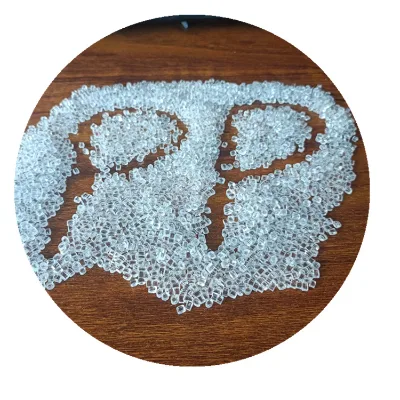
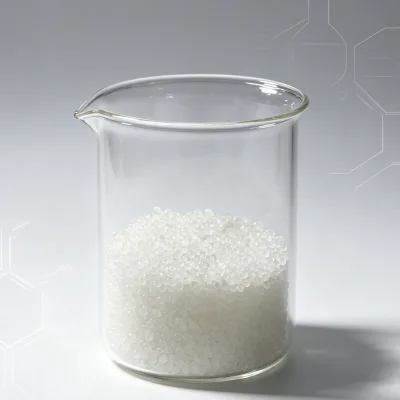
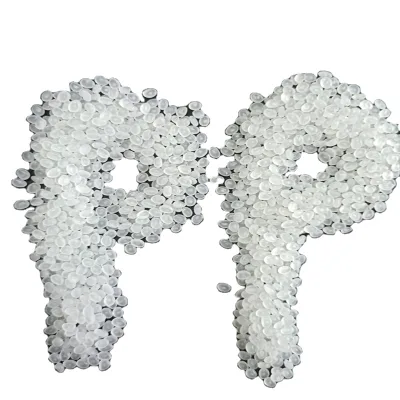
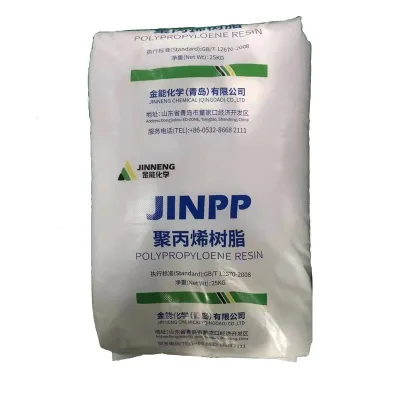


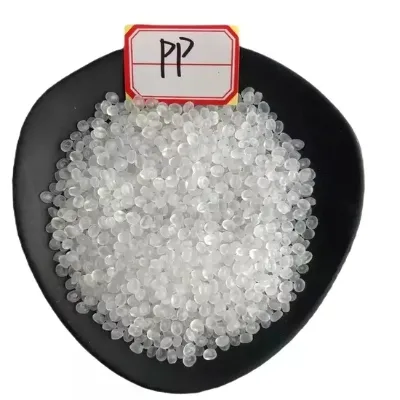
China Polypropylene Granules PP Raw Material Grade Raffia with Factory Price
$750.00 - $780.00
MOQ: 25 Tons


PP Virgin Resin Raffia Grade Polypropylene Polypropylene PP Plastic PP Resin Granule
$1275.00 - $1280.00
MOQ: 10 Tons
Comprehensive Sourcing Guide
Food Grade PP Raffia Sourcing Guide
Procuring food-grade polypropylene raffia requires distinguishing between general industrial grades and those specifically formulated for direct or indirect food contact. The available market data indicates a clear split between standard injection molding grades and specialized food-contact variants, necessitating careful verification of the intended end-use before selection. Buyers must prioritize suppliers who explicitly list "Food Grade" alongside general applications to ensure the resin meets the necessary safety thresholds for packaging or textile applications involving consumables.
The observed product landscape includes specific model numbers like EP300H and T30S, which serve as critical identifiers for verifying the correct material properties. While some listings emphasize general plastic applications, others highlight specific features such as high strength and chemical resistance suitable for woven sacks. Sourcing strategies should focus on matching the specific Melt Flow Rate (MFR) and grade to the manufacturing process, ensuring the raw material granules align with the mechanical demands of the final raffia product.
Product Scope and Observed Listing Signals
The current market listings reveal a diverse range of polypropylene forms, from transparent granules to white natural color particles, all categorized under the HS code 39021000. Buyers should note that while many products are described as "Virgin PP," the specific application varies significantly between fibers, yarns, and general plastic products. It is essential to cross-reference the stated "Product Name" and "Brand Name" against the intended use case, as some listings for "Raffia Grade" may not inherently possess the purity required for food contact without explicit confirmation.
Listing signals such as "Biodegradable" or "Thermoplastic Plastics" after heating provide insight into the material's lifecycle and processing behavior, but these attributes do not automatically guarantee food safety compliance. The presence of specific grades like "Injection Molding Grade" or "Extrusion Grade" suggests different processing requirements that must align with the buyer's production line capabilities. Procurement teams must scrutinize the "Appearance" and "Shape" descriptions to ensure the physical form of the granules matches the extrusion parameters needed for high-quality raffia production.
Technical Specifications to Verify
Technical verification begins with the Melt Flow Rate (MFR), which is observed in the market data ranging from 1.8g/10min to 8g/10min, with specific values like 2g/10min and 6g/10min available. Selecting the correct MFR is critical for determining the flow characteristics during extrusion, directly impacting the tensile strength and uniformity of the final raffia fibers. Buyers must request specific MFR data sheets for each batch to ensure consistency, as variations in this parameter can lead to processing defects or inconsistent product quality in the finished textile.
The chemical composition and grade classification are equally vital, with listings specifying "Food Contact" and "Standard Grade" as distinct categories. The CAS number 9003-07-0 confirms the base polymer identity, but the specific additives and processing aids used to achieve food-grade status must be verified through supplier documentation. Additionally, the "Plastic Properties After Heated" classification as thermoplastic plastics dictates the recycling potential and thermal stability, which are key factors for manufacturers aiming to maintain material integrity during high-temperature processing stages.
Compliance and Safety Documentation
Ensuring compliance for food-grade applications requires rigorous documentation beyond standard material safety data sheets. Buyers must demand certificates of analysis that explicitly confirm the absence of heavy metals and other contaminants, as the "Food Grade" designation implies adherence to strict regulatory limits for direct or indirect food contact. The presence of "Food Grade" in the product attributes is a necessary starting point, but it must be backed by third-party test results or manufacturer declarations that align with the importing country's specific food safety regulations.
Documentation should also address the "HS Code" classification, which is consistently listed as 39021000 or 3902100090 in the observed data, to facilitate smooth customs clearance and duty assessment. While some listings mention "Biodegradable" features, this attribute does not substitute for food safety certifications. Procurement teams should verify that the supplier can provide traceability records linking the raw material granules to the final production batch, ensuring that the "Virgin PP" status is maintained throughout the supply chain without cross-contamination from non-food-grade materials.
Cost Drivers and Commercial Terms
Pricing in the polypropylene market is influenced by the specific grade, with food-contact variants often commanding a premium over general-purpose grades. The observed price range spans from $0.03 to $1500, reflecting the vast difference between raw material costs and finished product values or bulk order volumes. Buyers should analyze the "Selling Units" and "Single gross weight" data to understand the true cost per kilogram, as packaging formats like 25kg/bags can significantly impact logistics expenses and overall unit economics.
Commercial terms such as Minimum Order Quantity (MOQ) and delivery lead times are critical variables in the procurement equation. The market data indicates an MOQ range of 1 to 10,000 units, offering flexibility for small-scale trials but potentially higher per-unit costs for smaller orders. Delivery times are typically cited as 5-7 working days, but this can vary based on the "Place of Origin," whether Henan or Shandong, and the specific supplier's capacity. Negotiating favorable terms requires balancing the need for immediate stock against the cost benefits of larger, consolidated shipments.
Supplier Qualification and Quality Control
Supplier qualification for food-grade materials hinges on the ability to maintain strict quality control protocols and provide consistent product specifications. The availability of samples, as noted in the "Sample: Available" attribute, allows buyers to conduct preliminary testing before committing to large orders. It is advisable to verify the supplier's "ODM/OEM" acceptance status, as this indicates their capacity to customize the resin properties to meet specific manufacturing requirements while maintaining the integrity of the food-grade certification.
Quality control processes must extend beyond the initial sample to include batch-to-batch consistency checks for critical parameters like MFR and color. The observed "Brand Name" variations, such as Firstvict and DHKCHEM, suggest a competitive market where reputation and reliability are paramount. Buyers should establish a clear protocol for rejecting batches that deviate from the agreed-upon specifications, particularly regarding the "Color" and "Appearance," which can indicate contamination or processing issues that compromise the final raffia product's safety and performance.
Long-Term Procurement Checks
Establishing a long-term procurement strategy involves regular audits of supplier performance and continuous verification of material compliance. As market conditions fluctuate, the "Delivery Time" and "MOQ" requirements may shift, requiring dynamic adjustments to the supply chain to avoid production disruptions. Buyers should maintain a database of verified suppliers who consistently meet the "Food Grade" standards and have a track record of reliable delivery from their origins in China.
Future-proofing the supply chain also requires monitoring changes in regulatory standards and material formulations. The "Plastic raw material applications" listed, such as woven sacks and fibers, may evolve with new environmental regulations or consumer preferences for sustainable materials. Regularly reviewing the "Product Standard" and "Grade" classifications ensures that the procured polypropylene remains compliant with evolving food safety laws and maintains the high-quality standards necessary for competitive market positioning.
FAQs
What is Food Grade PP Raffia used for in plastic products?
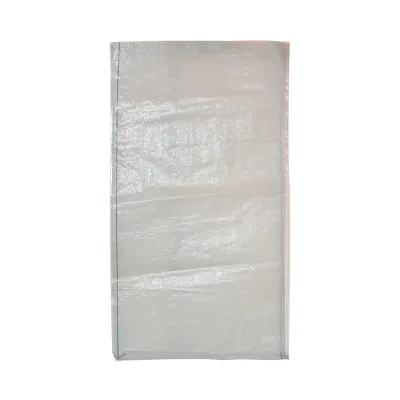
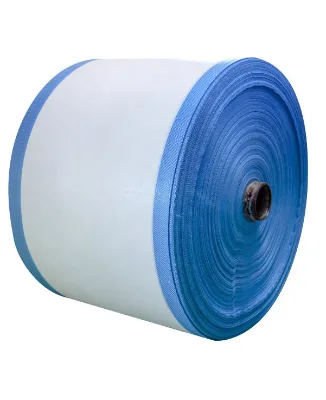
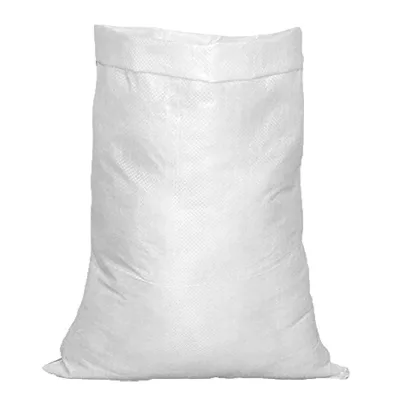
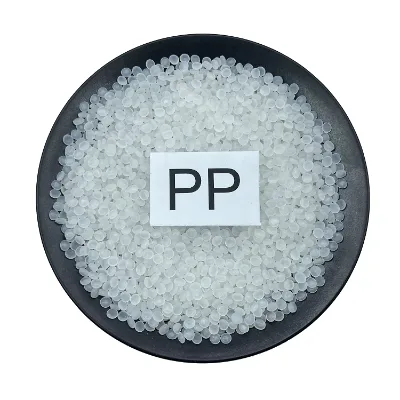
Food Grade PP Raffia is mainly used for woven sacks and bags that contact food items, as well as fibers and yarn for packaging applications. The polypropylene resin is supplied as transparent or white granules, typically in extrusion grade, and supports weaving processes for producing food packaging containers and related plastic products.
Which melt flow rate is suitable for Food Grade PP Raffia weaving?
Listed Food Grade PP Raffia models show melt flow rates including 1.8g/10min, 2g/10min, 3g/10min, 6g/10min, and 8g/10min. Lower MFR values around 1.8 to 3 g/10min are generally chosen for raffia tape extrusion, while higher MFR grades suit faster processing lines. Confirm the exact MFR with the supplier before ordering.
How is Food Grade PP Raffia packaged and delivered?
This polypropylene resin is packed in 25kg bags, with single package dimensions around 25X25X25 cm and a single gross weight of about 25.1 kg. Delivery time is typically 5 to 7 working days after order confirmation. Samples are available so buyers can verify resin quality before committing to full production quantities.
Can Food Grade PP Raffia be customized with ODM or OEM services?
Yes, ODM and OEM services are accepted for Food Grade PP Raffia orders. Buyers can discuss specifications such as model grade, melt flow rate, and color options including white or crystal clear transparent granules. Customization scope and any associated requirements should be confirmed directly with the supplier during the inquiry stage.
What is the HS code for Food Grade PP Raffia resin?
Food Grade PP Raffia falls under HS code 3902100090, with the broader 39021000 code also listed for polypropylene resin in primary forms. Using the correct HS code matters for customs clearance and import duty calculation. Buyers should verify the code applies to their specific destination country before arranging shipment.
How does Food Grade PP Raffia differ from standard raffia grade PP?
Food Grade PP Raffia is produced to food contact standards, making it suitable for packaging that touches food products, while standard raffia grade focuses on woven sacks, bags, fibers, and yarn for general use. Both share polypropylene granule form and extrusion processing, but food contact applications require confirming the grade designation with suppliers.
Which origin regions supply Food Grade PP Raffia resin?
Listed Food Grade PP Raffia products originate from China, with Henan and Shandong both appearing as places of origin. Sourcing from these regions offers access to 100% virgin PP resin in grades such as T30S and EP300H. Buyers can compare suppliers across these regions on pricing, MOQ, and delivery terms.
What certifications should Food Grade PP Raffia meet?
Food Grade PP Raffia should meet food contact material requirements applicable in the buyer's destination market. Product listings indicate food contact grade and 100% virgin PP material, and samples are available for verification. Buyers should request documentation from suppliers confirming the resin complies with the food safety regulations relevant to their application.