Source Food Order Machine for Kiosks, Retail, and Restaurants
Explore 30 available Food Order Machine options designed for self-service kiosks, retail environments, and restaurant operations. Buyers can compare specifications such as touch screen types, operating systems, and connectivity to find the right solution for their business needs.
Key considerations
Products List


Android Restaurant Ordering Machine with Thermal Printer for Street Food Stall
$1598.00 - $1798.00
MOQ: 1 pieces


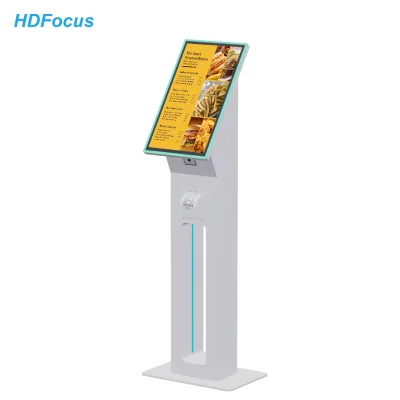


Touchscreen Queue Fast Food Ordering Machine Kiosk Machine for Restaurant
$368.00 - $398.00
MOQ: 1 Pieces

New Design Fast Food Ordering Machine Self Service Payment Kiosk Machine for Restaurant
$368.00 - $398.00
MOQ: 1 Pieces

Self Service Ordering Kiosk Automatic Food Ordering Machine for Restaurant Coffee Shop Hotel
$368.00 - $398.00
MOQ: 1 Pieces

Touchscreen Queue Fast Food Ordering Machine Kiosk Service with Card Reader Holder
$368.00 - $398.00
MOQ: 1 Pieces

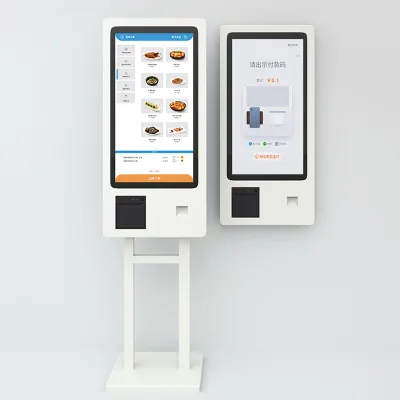
32 Inch Kiosk Touch Order Payment Self Food Ordering Service Touch Screen Kiosk in Rest
$338.00 - $368.00
MOQ: 1 Pieces



Comprehensive Sourcing Guide
Strategic Sourcing Guide for Food Order Machines
Understanding the Product Landscape and Core Specifications
When sourcing a Food Order Machine, buyers must first distinguish between the various hardware configurations available in the current market. The term "Food Order Machine" often encompasses a spectrum of devices ranging from handheld data collectors to full-service self-service kiosks. Based on current market observations, the hardware landscape includes devices designed for specific data acquisition tasks as well as comprehensive ordering terminals.
A critical distinction lies in the operating system and interface capabilities. Some units in the category operate on the Android operating system, which offers significant flexibility for third-party application integration and user interface customization. These systems are often paired with wireless signal transmission capabilities, allowing for mobile deployment within large kitchen or warehouse environments. Conversely, other units function as fixed Queue Systems or Bill Payment Terminal Kiosks, designed for stationary installation at service counters. These fixed units frequently feature high-resolution touch screens with a resolution of 1920*1080 pixels, ensuring clear visibility of menu items and transaction details.
The physical form factor varies significantly depending on the intended application. For instance, portable handheld detectors utilize fluorescence detection principles for currency verification, while larger self-service ordering kiosks may feature 21.5-inch or 18.5-inch screens. The screen technology is a primary specification to verify; many units utilize capacitive touch screens with a response time of approximately 8 milliseconds, which is critical for a seamless ordering experience. The viewing angle is another technical parameter that impacts user satisfaction, with some specifications noting a view angle of 89 degrees horizontally and vertically.
Buyers should also note the presence of integrated peripherals. A complete food ordering solution often includes a thermal printer capable of handling 58mm or 80mm paper rolls for receipt generation. The internal architecture of these machines typically relies on CMOS sensors for image capture if camera integration is required for menu verification or security. The display brightness is another vital metric, with observed specifications indicating a brightness level of 350cd/m2, which ensures readability in various lighting conditions typical of food service environments.
Technical Architecture and Operational Capabilities
The technical architecture of a Food Order Machine dictates its reliability and integration potential. When evaluating these units, procurement teams must assess the data collector type. Some devices are categorized as RFID data acquisition tools, while others function as batch data acquisition systems. This distinction is crucial for inventory management workflows where items need to be scanned and logged in real-time versus bulk processing scenarios.
The connectivity options available in these machines determine their deployment flexibility. While some units rely on wired signal transmission for stable, high-throughput data transfer, others offer wireless capabilities to reduce cable clutter in busy service areas. The choice between wired and wireless depends on the specific layout of the food service facility and the required mobility of the staff.
Software integration is equally important. Many modern units come equipped with a Content Management System (CMS) that supports remote content management. This feature allows operators to update menus, promotions, and pricing across a fleet of machines without physical access to each unit. The system's ability to manage remote devices ensures that the food ordering interface remains current and responsive to business needs.
Furthermore, the durability of the hardware is a key technical consideration. The expected life time of the display components is often cited as over 50,000 hours, which is a significant factor in calculating the total cost of ownership. The packaging of these units varies, with some shipped in standard cartons and others in wooden boxes, indicating different levels of protection required for shipping fragile electronic components. The physical dimensions of the units also vary; for example, some queue systems adhere to standard dimensions such as 450mm550mm1761mm, while others have specific size requirements like 54.345.580cm. Buyers must verify that the physical footprint of the machine aligns with their available counter or floor space.
Compliance, Certification, and Regulatory Standards
Navigating the regulatory landscape is a fundamental step in the procurement of food order machines. Compliance ensures that the equipment meets safety and environmental standards required for operation in various jurisdictions. The market currently features units that carry a range of certifications, including CE, RoHS, ISO, and CCC.
The CE marking indicates conformity with health, safety, and environmental protection standards for products sold within the European Economic Area. RoHS compliance ensures that the device does not contain specific hazardous materials, which is increasingly important for electronic waste management. ISO certification suggests that the manufacturer adheres to international standards for quality management and operational consistency. Additionally, the CCC mark is a mandatory certification for products sold in China, indicating that the device meets local safety and quality requirements.
Some suppliers may also list GS certification, which is a German safety mark often associated with high-quality electrical products. However, buyers must exercise caution and verify the specific certification status of the exact model they intend to purchase, as certifications can vary between product lines and manufacturing batches. It is essential to request valid certification documents from the supplier rather than relying solely on marketing claims.
In addition to certifications, buyers should verify adherence to physical standards. For instance, certain queue system units are built to specific dimensional standards, such as 450mm550mm1761mm. While these dimensions are observed in specific product listings, they should not be assumed to apply to all food order machines. Buyers must confirm that the physical standards of the unit match their facility's requirements.
Cost Drivers and Pricing Structures
The pricing of food order machines is influenced by a complex array of factors, including the complexity of the hardware, the operating system, and the level of customization required. The observed price range in the market spans from 150 to 60,000 USD, reflecting the vast difference between simple handheld data collectors and fully integrated, multi-function self-service kiosks.
Several key drivers contribute to the final cost. First, the screen size and resolution play a significant role. Units with 21.5-inch or larger displays featuring 1920*1080 resolution command a higher price point compared to smaller, lower-resolution models. Second, the inclusion of advanced features such as remote content management, thermal printers, and specific operating systems like Android adds to the manufacturing cost.
Customization is another major cost factor. Many suppliers offer customization services, allowing buyers to tailor the software interface, branding, and hardware configuration to their specific brand identity. The extent of this customization directly impacts the unit price. Additionally, the packaging method, whether standard cartons or protective wooden boxes, can influence the overall cost, particularly for international shipments where robust packaging is necessary to prevent damage.
The Minimum Order Quantity (MOQ) also affects the per-unit cost. The observed MOQ range in the market is between 1 and 10 units. Purchasing within this range allows for flexibility, but larger orders may negotiate better pricing tiers. Buyers should be aware that the price range is broad and that specific models may fall at either end of the spectrum depending on their specifications.
Typical Applications and Deployment Scenarios
Food order machines are deployed across a variety of settings, each with unique operational requirements. The primary application is in the food and beverage industry, where these machines serve as self-service ordering kiosks. In this context, the machines allow customers to browse menus, customize orders, and pay without direct interaction with staff, thereby reducing wait times and labor costs.
Another significant application is in queue management systems. Units categorized as Queue Systems are often used in high-traffic areas such as hospitals, government offices, and large retail stores. These systems help organize customer flow and provide digital queuing information. Some of these units are specifically designed for indoor usage, featuring graphics display functions and touch inquiry capabilities to guide users through the queuing process.
In logistics and inventory management, data collectors play a vital role. Handheld devices used for RFID data acquisition or batch data acquisition help streamline the tracking of food ingredients and finished products. These devices ensure accurate inventory counts and facilitate efficient supply chain operations.
Currency detection is another specialized application. Portable handheld detectors utilizing fluorescence detection principles are used to verify the authenticity of cash transactions, reducing the risk of counterfeit currency in cash-heavy food service environments. The integration of bill validators, such as those from specific manufacturers, further enhances the security and efficiency of cash handling processes.
Supplier Evaluation and Quality Assurance
Evaluating suppliers requires a rigorous approach to ensure the reliability and quality of the food order machines. Buyers should verify the origin of the products, as the manufacturing location can impact quality control standards and shipping logistics. Common origins for these devices include Guangzhou and Fo Shan in China, regions known for their electronics manufacturing capabilities.
When assessing a supplier, buyers should request detailed information about the product's warranty period. A standard warranty of 1 year is observed in the market, but this can vary. It is crucial to understand the terms of the warranty, including what components are covered and the process for claiming repairs or replacements.
Quality control measures should be a priority during the selection process. Buyers should inquire about the testing procedures used to validate the product's performance, including response times, brightness levels, and durability. The use of high-quality components, such as capacitive touch screens and CMOS sensors, is indicative of a well-engineered product.
Additionally, buyers should verify the packaging standards. The use of wooden box packaging for certain units suggests a commitment to protecting the product during transit, which is essential for maintaining the integrity of sensitive electronic components. The consistency of the product model, such as the SK-DC65A or XSD-238-C, should also be confirmed to ensure that the buyer receives the exact specifications they ordered.
Long-Term Procurement and Maintenance Considerations
Long-term procurement success depends on more than just the initial purchase; it requires a strategy for maintenance and lifecycle management. The life time of the display components, often exceeding 50,000 hours, is a key metric for estimating the operational lifespan of the machine. However, this figure is contingent on proper usage and environmental conditions.
Buyers should consider the availability of spare parts and technical support. A robust supply chain for components like thermal printers, touch screens, and power supplies is essential for minimizing downtime. The ability to perform remote content management is a significant advantage, as it reduces the need for on-site maintenance for software updates and menu changes.
Furthermore, the environmental impact of the product should be considered. Compliance with RoHS and other environmental standards ensures that the device can be disposed of responsibly at the end of its life. Buyers should also evaluate the energy efficiency of the units, as this can impact long-term operational costs.
Finally, the scalability of the solution is a critical factor. As a business grows, the ability to add more units or upgrade existing ones without a complete system overhaul is vital. The flexibility of the operating system and the availability of customization options allow for future-proofing the investment. By carefully considering these long-term factors, buyers can ensure that their investment in food order machines delivers sustained value and operational efficiency.
FAQs
What operating systems do food order machines support?
Many food order machines operate on the Android operating system to allow for flexible application integration. Some units also function as fixed Queue Systems or Bill Payment Terminal Kiosks without a general-purpose OS. Buyers should verify the specific software capabilities of the model they intend to purchase.
Which certifications are commonly found on these devices?
Common certifications include CE, RoHS, ISO, and CCC, indicating compliance with safety and environmental standards. Some models may also carry GS certification for German safety requirements. Buyers must verify the specific certification status of the exact model rather than assuming all units are certified.
How are these machines typically packaged for shipping?
Packaging varies between standard cartons and protective wooden boxes depending on the product type. Wooden box packaging is often used for larger kiosks to ensure fragile electronic components are protected during transit. The specific packing method should be confirmed based on the product model and shipping requirements.
What screen specifications are available for self-service kiosks?
Self-service kiosks often feature 18.5-inch or 21.5-inch screens with a resolution of 1920*1080 pixels. These units typically utilize capacitive touch screens with a response time of 8 milliseconds and a brightness of 350cd/m2. Buyers should check the specific size and resolution for their intended application.
Can these machines be customized for specific branding needs?
Customization is available for many food order machines to tailor software interfaces and hardware configurations. This allows buyers to align the device with their specific brand identity and operational workflows. The extent of customization will impact the unit price and should be discussed with the supplier.
What is the typical warranty period for these products?
A standard warranty of 1 year is observed for many food order machines in the market. This warranty covers components and repairs, but terms can vary between suppliers. Buyers should request detailed warranty information to understand coverage limits and claim processes before purchasing.
Where are these food order machines typically manufactured?
Common manufacturing origins include Guangzhou and Fo Shan in China, regions known for electronics production. The product origin affects shipping logistics and quality control standards. Buyers should verify the specific location of the manufacturer for the model they are sourcing.