Source Food Packaging Automatic Printing Machine for Food, Gifts, Apparel
Find 30 Food Packaging Automatic Printing Machine options with varying speeds, colors, and dryer types. Compare specifications from manufacturers in China to identify the right solution for flexible packaging and carton production needs.
Key considerations
Products List

$60000.00 - $129999.00
MOQ: 1 Pieces


Automatic Horizontal Food Packaging Machine
$2680.00 - $7970.00
MOQ: 1 set
Qingdao Zhongkang Printing and Packaging Machinery Co., Ltd.


High-Speed Fully Automatic Card Horizontal Packaging Machine for Food
$20000.00 - $30000.00
MOQ: 1 Pieces
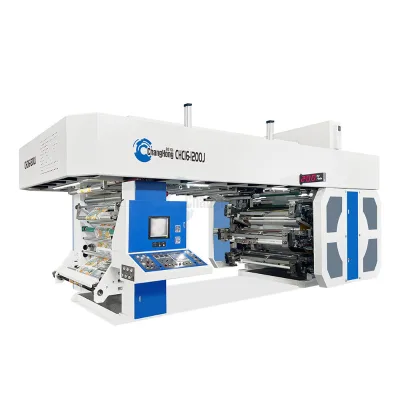


High Precision Rotogravure Printing Machine for Food Packaging of Printing
$295000.00 - $414000.00
MOQ: 1 Sets

Automatic Flexo Printing Machine Packaging Equipment Flexo Printing Press Flexo Printing Machine
$100000.00 - $245000.00
MOQ: 1 Pieces


Automatic Film Packaging/Packaging Machine for Food&Cosmetic Packing Bag Packaging
$5000.00 - $50000.00
MOQ: 1 Pieces


$92000.00 - $92858.00
MOQ: 1 Pieces

Multi-Function Automatic Packaging Bagging Machine for Food Packaging
$2000.00 - $10000.00
MOQ: 1 Sets
Comprehensive Sourcing Guide
Food Packaging Automatic Printing Machine Sourcing Guide
Selecting the right automatic printing machine for food packaging requires a careful balance of technical precision, regulatory compliance, and operational efficiency. Buyers must navigate a market where machinery ranges from simple single-faced units to complex, high-speed multi-color systems. The decision hinges on understanding how specific mechanical attributes—such as anilox roller types, dryer configurations, and registration accuracy—directly impact print quality and production throughput. This guide provides a structured approach to evaluating these machines, ensuring that procurement decisions are grounded in verified specifications rather than marketing claims.
The sourcing process is further complicated by the diversity of machine models available, each tailored to different production volumes and packaging formats. From unit-type structures designed for flexibility to heavy-duty carton packaging machinery, the variety demands a rigorous verification process. Buyers need to assess not only the immediate printing capabilities but also the long-term reliability, after-sales support, and energy consumption of the equipment. By focusing on observable listing signals and critical technical parameters, procurement teams can mitigate risk and secure machinery that aligns with their specific manufacturing goals.
Product Scope and Observed Listing Signals
The current market for automatic printing machines exhibits a wide variance in pricing and configuration, reflecting the diverse needs of the flexible packaging and carton industries. Observed listing prices range significantly, indicating that buyers will encounter everything from entry-level single-color units to advanced, multi-color systems with integrated drying technologies. This price disparity is often driven by the complexity of the printing engine, the speed of operation, and the inclusion of specialized features such as UV and IR dryers or metal anilox rollers. Understanding these price bands helps buyers set realistic budget expectations and identify which features are essential versus optional for their specific production lines.
Listing signals also reveal a strong emphasis on customization and automatic operation, which are critical for modern high-volume manufacturing environments. Many suppliers highlight the availability of custom configurations, allowing buyers to tailor machines to specific web widths, plate thicknesses, and drying requirements. The presence of automatic grades and electric driven types suggests a shift towards streamlined, labor-efficient operations. However, buyers must be cautious not to assume that all listed models share the same capabilities; for instance, while some machines offer four-color printing, others may support up to six colors, directly impacting their versatility in handling complex packaging designs.
Technical Specifications to Verify
When evaluating technical specifications, the printing engine’s core components must be scrutinized for compatibility with your material and design requirements. Key attributes to verify include the type of anilox roller, such as metal anilox rollers, which offer durability and consistent ink transfer for high-quality prints. The printing speed is another critical factor, with observed ranges varying from 80 meters per minute to 200 meters per minute, depending on the machine’s complexity and the number of colors. Buyers should also check the maximum effective printing width and web width to ensure the machine can handle the largest packaging formats in their portfolio without compromising on registration accuracy, which is often specified around 0.25mm for high-precision applications.
Beyond the printing engine, the drying and embossing structures play a vital role in determining the final product quality and production efficiency. Machines may feature UV or UV & IR dryers, which are essential for curing inks quickly and ensuring durability, particularly for food packaging that requires robust surface finishes. The embossing structure, whether platen press or rotary letterpress, also influences the tactile quality of the packaging. Additionally, buyers should verify the total power consumption, which can range from 18kw to higher capacities, as this impacts long-term operational costs. The overall dimensions and weight of the machine are also crucial for factory planning, ensuring that the equipment fits within the available floor space and can be supported by existing infrastructure.
Compliance and Safety Documentation
Regulatory compliance is non-negotiable in the food packaging sector, making the verification of certifications a top priority during the sourcing process. Buyers should insist on machines that carry recognized safety and quality certifications, such as CE and ISO9001, which indicate adherence to international standards for electrical safety and quality management systems. These certifications are not merely formalities; they serve as a baseline assurance that the machine has been designed and manufactured with safety features that protect operators and ensure consistent performance. It is essential to request valid certification documents from the supplier and verify their authenticity with the issuing bodies.
In addition to machine-level certifications, buyers must consider the broader regulatory environment for food contact materials. While the machine itself may be certified, the inks, adhesives, and substrates used in the printing process must also comply with relevant food safety regulations. Buyers should work closely with their material suppliers to ensure that the entire printing process, from ink application to drying, does not introduce any contaminants or harmful substances into the packaging. This holistic approach to compliance ensures that the final packaged product meets all legal requirements for food safety, protecting both the brand and the consumer.
Cost Drivers and Commercial Terms
The total cost of ownership for an automatic printing machine extends far beyond the initial purchase price, encompassing energy consumption, maintenance, and operational efficiency. Key cost drivers include the machine’s power rating, which directly impacts electricity bills, and the speed of operation, which determines the cost per unit produced. Buyers should analyze the working speed, such as 180 to 200 pieces per minute for folder gluers, to estimate potential output and revenue generation. Additionally, the accuracy of processes like grooving, specified as +/-1.5mm, affects material waste and rework costs, making precision a significant factor in long-term profitability.
Commercial terms and supplier support are equally important in shaping the overall cost structure. Buyers should negotiate clear terms regarding after-sales service, including the availability of engineers for overseas maintenance and repair. This support is crucial for minimizing downtime and ensuring that the machine remains operational throughout its lifecycle. Packaging and shipping costs, which can vary based on the machine’s weight and volume, should also be clarified upfront. Some suppliers offer container packing, while others use wooden crates or film packaging, each with different implications for logistics and handling. Understanding these commercial details helps buyers avoid hidden costs and plan their budget more accurately.
Supplier Qualification and Quality Control
Evaluating supplier qualifications is essential to ensure that the machinery meets your quality and reliability standards. Buyers should prioritize suppliers who demonstrate a strong track record in manufacturing automatic printing machines, particularly those specializing in flexible packaging or carton packaging. The origin of the machine, such as Hebei Province or Ruian Zhejiang in China, can provide insights into the supplier’s industrial ecosystem and expertise. However, geographic origin should not be the sole determinant; instead, buyers should focus on the supplier’s ability to provide detailed technical documentation, customization options, and responsive customer service.
Quality control measures should be integrated into the procurement process to mitigate the risk of receiving substandard equipment. Buyers should request detailed specifications and performance data for each machine model, verifying attributes such as plate thickness, maximum roll diameter, and overall dimensions. It is also advisable to conduct factory audits or third-party inspections to assess the supplier’s manufacturing processes and quality assurance protocols. By establishing clear quality benchmarks and verification steps, buyers can ensure that the machinery they purchase will perform as expected and deliver the desired return on investment.
Long-Term Procurement Checks
Long-term procurement success depends on establishing a robust framework for ongoing supplier evaluation and machine performance monitoring. Buyers should implement regular check-ins with suppliers to assess after-sales service responsiveness, spare parts availability, and technical support quality. This proactive approach helps identify potential issues before they impact production and ensures that the machine continues to operate at peak efficiency. Additionally, buyers should stay informed about industry advancements and technological updates that may offer opportunities for upgrading or optimizing their printing operations.
Finally, buyers should maintain a comprehensive record of all machine specifications, certifications, and commercial agreements for future reference and potential expansion. This documentation serves as a valuable resource for troubleshooting, maintenance planning, and negotiating future purchases. By treating the procurement process as a continuous cycle of evaluation and improvement, buyers can build a resilient supply chain that supports their growth and adapts to changing market demands. This disciplined approach to long-term procurement ensures that the investment in automatic printing machinery delivers sustained value and competitive advantage.
FAQs
What is the maximum printing speed for this machine?
The maximum printing speed reaches 200 meters per minute for specific models. Other configurations may operate at 80 meters per minute depending on the unit type and application requirements.
Which certifications does the machine hold?
The equipment holds ISO9001 and CE certifications to ensure safety and quality standards. These certifications verify compliance with international manufacturing regulations for industrial machinery.
Can the machine handle flexible packaging printing applications?
Yes, the machine is specifically designed for flexible packaging printing applications. It supports various industries including food, gifts, apparel, and chemical sectors with versatile printing capabilities.
What dryer systems are available for this printing machine?
Available dryer systems include UV and IR technology for efficient curing. Some models feature UV dryers specifically to ensure rapid drying and high-quality print finishes on various substrates.
How is the machine packed for shipping?
Packaging options include film packaging, container shipping, or wooden crates depending on the model. The specific packing method is determined by the machine's weight and volume requirements.
What is the accuracy of registration for the printing process?
The accuracy of registration is maintained at 0.25 millimeters for precise alignment. This ensures high-quality output suitable for detailed packaging designs and strict industry standards.
Are engineers available for overseas service and maintenance?
Engineers are available to service machinery overseas to ensure continuous operation. This after-sales service provides technical support and maintenance assistance for international buyers.