Source Food Industry Screw Press for Industrial, Agriculture, and Home Use
Source the Food Industry Screw Press from 30 available models. Compare specifications such as capacity, power consumption, and material options like SS304/SS316. Evaluate physical and biological treatment methods for industrial, agricultural, and hospital applications to find the right dewatering solution.
Key considerations
Products List

Solution Dewatering Screw Press for Food and Beverage Industry Wastewater Treatment
$4500.00 - $6000.00
MOQ: 1 Pieces


Food-Grade Screw Press for Processing Wastewater Anti-Clog 24h Unattended
$6683.00 - $12698.00
MOQ: 1 Pieces


Screw Press Wastewater Treatment
$3100.00 - $69000.00
MOQ: 1 Pieces
Yangzhou Pujiang Environmental Protection Technology Co., Ltd.


High Quality Screw Filter Press for Food Treatment Industries
$5000.00 - $60000.00
MOQ: 1 Pieces
Yixing Pioniere Environmental Protection Equipment Co., Ltd.

Dz High Quality Screw Filter Press for Food Treatment Industries
$5000.00 - $60000.00
MOQ: 1 Pieces
Yixing Pioniere Environmental Protection Equipment Co., Ltd.

Screw Press Sludge Dewatering Machine for Food Process Plant
$5000.00 - $60000.00
MOQ: 1 Pieces
Yixing Pioniere Environmental Protection Equipment Co., Ltd.


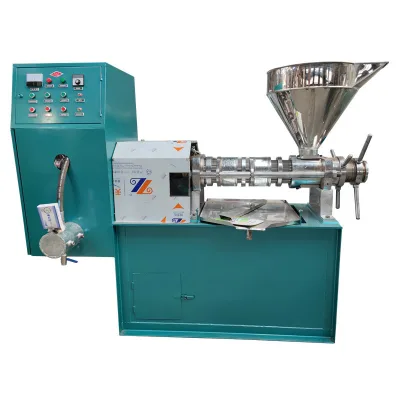


Comprehensive Sourcing Guide
Food Industry Screw Press Sourcing Guide
Sourcing screw press dewatering equipment for food processing requires careful alignment of mechanical design with hygiene standards. These machines utilize continuous mechanical pressure to separate solids from liquids, making them ideal for handling high-moisture waste streams such as fruit pulps, vegetable scraps, and dairy byproducts. The core mechanism relies on a rotating screw shaft within a filter screen, creating increasing compression as material moves toward the outlet. Buyers must prioritize units constructed from corrosion-resistant materials like SS304 or SS316 stainless steel to withstand acidic food residues and frequent washdowns.
The procurement process involves evaluating specific operational parameters that directly impact efficiency and maintenance costs. Key variables include treating capacity, inlet sludge concentration, and the resulting moisture content of the dewatered cake. Observations from current market listings indicate a wide range of capacities, from small-scale units handling 0.1-1.5 cubic meters per hour to larger industrial systems. Understanding these technical boundaries ensures that the selected press matches the facility’s throughput requirements without causing bottlenecks or excessive energy consumption during peak production periods.
Product Scope and Observed Listing Signals
Market analysis reveals a diverse array of screw press models tailored for various industrial, agricultural, and institutional applications. Listings frequently highlight customization options, allowing buyers to adapt standard designs to specific food waste profiles. Common specifications include shaft power consumption ranging from 0.4 kW to 1.5 kW, reflecting the energy intensity of different compression stages. The physical dimensions of these units vary significantly, with some models measuring approximately 3370 mm in length, while more compact versions fit within 1860 mm footprints, influencing installation planning in constrained processing facilities.
Observed data points to a price range between 1,000 and 70,000 USD, correlating with capacity, material grade, and automation features. Minimum order quantities are typically set at one unit, facilitating direct procurement for single-facility needs. Packing methods often involve wooden cases or custom packaging to protect sensitive mechanical components during transit. Buyers should note that while some listings mention biological treatment methods, the primary function of screw presses remains physical dewatering, relying on mechanical pressure rather than chemical or biological processes to achieve solid-liquid separation.
Technical Specifications to Verify
Verifying the filter material and shaft specifications is critical for ensuring long-term durability in corrosive food environments. Stainless steel filter screens are standard, but buyers must confirm the specific grade, such as SS304 or SS316, to resist pitting from salt or acid exposure. The shaft specification, often cited as 300 mm diameter with a single shaft configuration, directly influences the compression force applied to the sludge. Additionally, the reference weight of the unit, ranging from 205 kg to 910 kg, impacts foundation requirements and handling logistics during installation.
Capacity metrics require precise validation against actual plant conditions. Inlet sludge concentration typically ranges from 0.2% to 5%, while the outlet moisture content of the dewatered cake often falls between 75% and 85%. Dried sludge dry solid output rates vary from 3-6 kg/hr to 30-60 kg/hr depending on the model. Buyers should also verify wash water consumption, which may be around 40 L/hr at 0.1 MPa, as this affects overall water balance and wastewater treatment loads within the facility.
Compliance and Safety Documentation
Food industry equipment must adhere to strict hygiene and safety regulations to prevent contamination and ensure operator protection. Documentation should confirm that all wetted parts are made from food-grade stainless steel, meeting relevant sanitary design standards. Buyers should request detailed technical files that outline the machine’s compliance with electrical safety directives, particularly regarding motor protection and emergency stop functionalities. Automatic backwashing features and emergency stop buttons are essential safety components that must be clearly documented and tested before commissioning.
Certification status, such as CE marking, indicates adherence to European health, safety, and environmental protection standards, which is often a baseline requirement for international trade. However, buyers must verify that the certification covers the specific model and configuration ordered, as customizations may alter compliance status. It is advisable to request third-party test reports or factory audit summaries that validate the structural integrity and material certifications of the press. This due diligence mitigates risks associated with non-compliant equipment that could lead to operational shutdowns or regulatory penalties.
Cost Drivers and Commercial Terms
The total cost of ownership extends beyond the initial purchase price, encompassing energy consumption, maintenance, and spare parts availability. Shaft power consumption is a primary driver of operational expenses, with variations between 0.4 kW and 1.5 kW significantly impacting annual electricity bills. Buyers should calculate the energy cost per ton of dewatered sludge to compare different models accurately. Additionally, the automation level, including automatic cake discharge and operation modes, influences labor costs by reducing manual intervention and improving process consistency.
Commercial terms often include customization fees for non-standard dimensions or material grades. Packing in wooden cases or custom packaging may incur additional logistics costs, especially for international shipments. Lead times and payment terms should be clearly negotiated, as custom manufacturing can extend delivery schedules. Buyers should also inquire about warranty coverage for critical components like the screw shaft and filter screen, as these parts are subject to wear and may require periodic replacement to maintain optimal dewatering performance.
Supplier Qualification and Quality Control
Evaluating supplier capability involves assessing their manufacturing expertise and quality assurance processes. Suppliers originating from regions like Anhui or Jiangsu Province in China often have established supply chains for stainless steel components and mechanical assemblies. Buyers should verify the supplier’s ability to provide custom solutions, as food industry requirements frequently necessitate tailored dimensions or specialized filter mesh sizes. Requesting references from similar food processing clients can provide insight into the supplier’s reliability and after-sales support capabilities.
Quality control measures should include factory acceptance tests that verify key performance indicators such as capacity, power consumption, and leakage rates. Buyers should insist on detailed inspection reports that confirm material certifications and dimensional accuracy against the agreed specifications. Establishing a clear communication channel for technical support and spare parts ordering is essential for minimizing downtime. Suppliers who offer comprehensive training and documentation demonstrate a commitment to long-term partnership, ensuring that the equipment operates efficiently throughout its lifecycle.
Long-Term Procurement Checks
Continuous monitoring of equipment performance is vital for maintaining efficiency and preventing unexpected failures. Buyers should establish a routine maintenance schedule that includes cleaning the filter screen, lubricating moving parts, and inspecting the screw shaft for wear. Tracking metrics such as moisture content in the dewatered cake and energy consumption per batch helps identify deviations from initial performance benchmarks. Regular audits of the automatic backwashing system and emergency stop functions ensure that safety and hygiene standards are consistently met.
Procurement strategies should include periodic reviews of spare parts inventory and supplier performance. As food processing technologies evolve, staying informed about advancements in screw press design can inform future upgrades or replacements. Building a relationship with a trusted supplier facilitates smoother procurement processes for additional units or expansion projects. By focusing on long-term operational reliability and total cost of ownership, buyers can maximize the return on investment from their screw press dewatering equipment.
FAQs
What is the typical capacity range for Food Industry Screw Press units?
The typical treating capacity ranges from 0.1 to 1.5 cubic meters per hour for smaller models, while larger units can handle up to 600 kilograms per hour. These machines effectively process sludge with inlet concentrations between 0.2% and 5%, ensuring efficient dewatering for various industrial and agricultural applications.
Can food industry screw presses be customized for specific production needs?
Yes, customization is available for these screw press machines. Buyers can request specific packing options, such as wooden cases or boxes, and tailored product standards. This flexibility allows facilities to integrate the equipment seamlessly into existing workflows while meeting unique operational requirements and space constraints.
Which materials are used to construct Food Industry Screw Press filters?
The filter materials are typically made from stainless steel, specifically SS304 or SS316 grades. These materials provide excellent corrosion resistance and durability, which are essential for maintaining hygiene and longevity in food processing environments. The mechanical pressure structure ensures reliable performance during continuous dewatering operations.
How much power do Food Industry Screw Press shafts consume?
Shaft power consumption varies by model, ranging from 0.4 kW to 1.5 kW. Some units also feature a mixer power of 0.1 kW. This low energy usage makes the screw press an efficient choice for facilities looking to reduce operational costs while maintaining high dewatering efficiency for sludge treatment.
What is the dried sludge output rate for these screw press machines?
The dried sludge dry solid output ranges from 3 to 60 kilograms per hour, depending on the specific model and operating conditions. Smaller units produce approximately 3 to 6 kg/hr, while larger systems can achieve up to 60 kg/hr. This output supports efficient waste management in industrial settings.
Are food industry screw presses suitable for hospital and petrochemical applications?
Yes, these machines are suitable for industrial, agricultural, home, hospital, and petrochemical uses. They handle sludge with moisture content between 75% and 85%, making them versatile for various sectors. The automatic operation and cake discharge features ensure reliable performance across different environmental and regulatory requirements.