Source For Isuzu Stabilizer Link for GIGA FORWARD ELF
Find 30 available options for the For Isuzu Stabilizer Link suitable for GIGA, FORWARD, and ELF models. Buyers can compare specifications, conditions, and origins from suppliers in Japan and China to select the right part for repair or replacement needs.
Key considerations
Products List
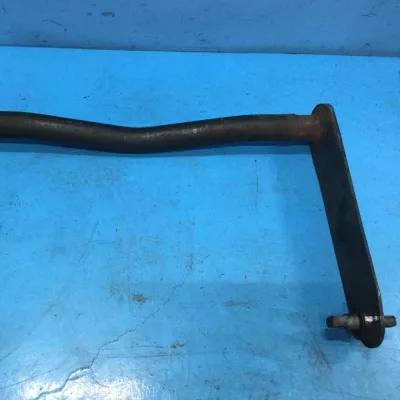
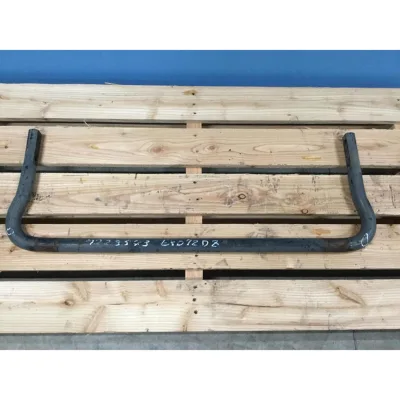
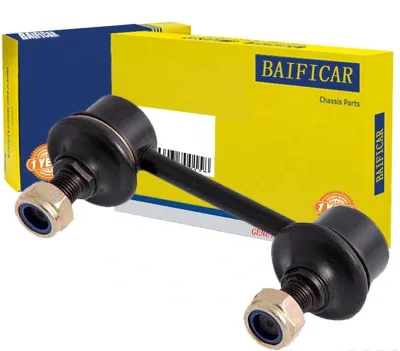


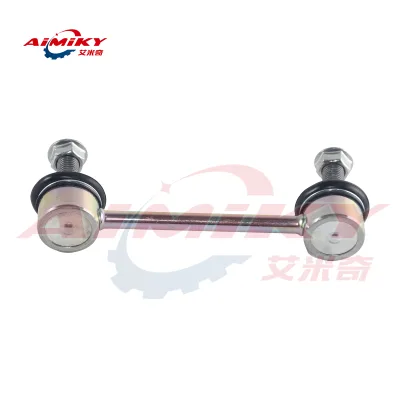


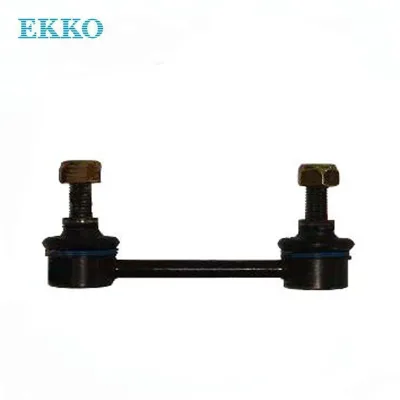
Comprehensive Sourcing Guide
Strategic Sourcing Guide for ISUZU Stabilizer Links
Understanding Product Variants and Technical Specifications
When sourcing stabilizer links for ISUZU vehicles, buyers must first navigate a complex landscape of product variants that differ significantly in origin, condition, and technical application. The market currently presents distinct categories of stabilizer links, ranging from used original equipment manufacturer (OEM) parts to new aftermarket components. A critical observation in the current supply pool is the divergence in the Place of Origin. Some listings explicitly identify Japan as the source, which often correlates with genuine used parts for specific heavy-duty models like the GIGA, FORWARD, and ELF. In contrast, other segments of the market originate from Zhejiang, China, offering new components with standardized dimensions.
The technical specifications provided in the supply data reveal a high degree of variability that requires careful verification. For instance, the Model Number 460-025 is associated with a used ISUZU rear stabilizer, whereas Model Number 410-082 corresponds to a front stabilizer unit. This distinction is vital because the load-bearing requirements and mounting geometries for front and rear stabilizer links differ substantially. Buyers should note that while some products are listed with specific model numbers, others carry generic designations such as "OEM SIZE" or "OE Standard." The material composition is another key differentiator; some units are constructed from Body C45 Ball Pin Cr40, while others are simply categorized as Steel. The thread size also varies, with specific mentions of M12X1.25 MM, though suppliers indicate flexibility to accommodate other thread sizes upon request.
Furthermore, the condition of the product is a primary decision factor. The supply data indicates a split between "New" and "Used" conditions. Used parts, often sourced from Japan, are marketed for replacement or repair purposes and may carry a warranty of zero, reflecting their second-hand status. Conversely, new parts, potentially originating from China, often come with a one-year warranty and are described as having specific attributes like "Automatic" operation or specific color options such as Black, Silver, or Yellow. The position of the link is equally critical; while some listings specify "Rear," others denote "Front," and some generic listings cover "Right, Left, Front, Rear" positions. Buyers must align their procurement strategy with the specific vehicle model, as the data highlights compatibility for GIGA, FORWARD, and ELF models, alongside a broader category of "ALL KINDS Of Model" for generic aftermarket solutions.
Compliance, Certification, and Quality Standards
In the B2B procurement of automotive stabilizer links, verifying compliance and certification is essential to ensure the longevity and safety of the components. The supply data indicates that certain manufacturers adhere to recognized industry standards. Specifically, the TS16949 certification is mentioned, which is a globally recognized quality management standard for the automotive industry. This certification suggests that the manufacturing process includes rigorous controls over design, production, and service, which is particularly relevant for new stabilizer links intended for commercial vehicles. Additionally, ISO certification is noted in the product attributes, further validating the manufacturer's commitment to international quality benchmarks.
However, buyers must exercise caution when interpreting these certifications. The presence of a certification label in a product listing does not guarantee that every unit in a specific shipment meets the standard, nor does it imply that all suppliers in the market possess these credentials. The data shows that some products are labeled with "Tech: Japan Technology," which implies a transfer of engineering standards, but this is a descriptive attribute rather than a formal certification. Similarly, the mention of "Standard" as a product attribute suggests adherence to general industry norms, but specific numerical tolerances or test results are not provided in the available data.
When evaluating suppliers, buyers should request documentation that proves the validity of the TS16949 or ISO certifications. It is also important to verify if the "OEM" designation is supported by official licensing or if it simply indicates that the part is designed to fit original equipment specifications. The supply data notes that "OEM" is accepted, and customization is available, which implies that suppliers may produce parts to match specific vehicle requirements. In such cases, the buyer must ensure that the customization process maintains the integrity of the original design, particularly regarding the ball pin material and thread specifications. The absence of specific test results or performance claims in the provided data means that buyers cannot rely on advertised performance metrics and must instead rely on the supplier's ability to provide traceable quality records and certification copies.
Cost Drivers and Pricing Dynamics
The pricing structure for ISUZU stabilizer links is influenced by several dynamic factors, including the condition of the part, the place of origin, and the level of customization required. The observed listed price range in the current market spans from 1 to 500 USD, a wide variance that reflects the diversity of the product offerings. At the lower end of this spectrum, buyers may encounter used parts or basic aftermarket components with minimal packaging or warranty coverage. These items often have a warranty of zero and are sold as single items, which can be cost-effective for immediate repairs where budget is the primary constraint.
Conversely, the higher end of the price range likely corresponds to new, certified components with extended warranties, such as the one-year warranty mentioned for certain stabilizer links. These products often originate from manufacturers with established quality systems like TS16949 and may include additional value-added services such as custom packaging or specific color options. The cost is also driven by the complexity of the part; for example, stabilizer links with specific thread sizes like M12X1.25 MM or those designed for specific models like the GIGA may command a premium over generic "ALL KINDS Of Model" parts.
Another significant cost driver is the Minimum Order Quantity (MOQ). The observed MOQ range spans from 2 to 1000 units. Suppliers with lower MOQs, such as 2 units, may charge a higher unit price to cover handling and logistics costs for small batches. In contrast, suppliers requiring an MOQ of 1000 units may offer more competitive per-unit pricing, making them suitable for large-scale fleet maintenance or distribution centers. Buyers should also consider the "Supply Ability" of the supplier, which is listed as 200,000 pieces per month for some manufacturers. High supply capacity often indicates a robust production line that can accommodate large orders without significant price fluctuations, but it may also require adherence to higher MOQs.
The packaging details also play a role in cost. Some suppliers offer flexible packaging options, stating they can "Do Packaging As You Need," which may incur additional costs depending on the complexity of the request. Standard packaging is likely included in the base price, while custom branding or specialized protective packaging for international shipping will add to the total cost. Buyers must balance the initial unit price against the total cost of ownership, which includes shipping, potential returns, and the risk of premature failure due to lower quality.
Typical Applications and Vehicle Compatibility
The application of ISUZU stabilizer links is highly specific, with different parts designed for distinct vehicle models and operational roles. The supply data clearly identifies compatibility with heavy-duty commercial vehicles, specifically the GIGA, FORWARD, and ELF models. These vehicles are known for their robust construction and are frequently used in logistics, construction, and heavy transport sectors. The stabilizer links for these models must withstand significant stress and vibration, making the selection of the correct part critical for vehicle safety and handling.
For the GIGA model, which is a heavy-duty truck, the stabilizer links are often designed for the rear position, as indicated by specific product listings. These rear stabilizers are crucial for maintaining stability during heavy loads and cornering. In contrast, the FORWARD and ELF models, which are medium-duty trucks, may utilize stabilizer links for both front and rear positions. The data shows listings for "Front stabilizer" and "Rear stabilizer," suggesting that buyers need to match the part to the specific axle and vehicle configuration. The position attribute is a key filter; a part listed for "Front" may not be interchangeable with one for "Rear" due to differences in mounting points and load requirements.
Beyond the specific ISUZU models, the market also offers stabilizer links labeled for "ALL KINDS Of Model." These generic parts are likely designed to fit a wide range of vehicles, including various ISUZU models and potentially other brands. However, the compatibility of these generic parts should be verified against the specific vehicle's suspension geometry. The "OEM NO." is listed as "Various kinds" or "OEM," indicating that the parts are designed to match original specifications, but the lack of a specific part number in the generic listings requires buyers to cross-reference dimensions and thread sizes carefully.
The purpose of these parts is consistently listed as "for replace/repair," highlighting their role in maintenance and restoration. Whether sourcing a used part from Japan for a specific repair job or a new part from China for a fleet upgrade, the application must align with the vehicle's operational demands. For example, a stabilizer link for a GIGA truck used in heavy construction will have different wear characteristics than one for an ELF truck used in urban delivery. Buyers should consider the intended use case when selecting between new and used parts, as the latter may have hidden wear that affects performance in high-stress applications.
Supplier Evaluation and Operational Capabilities
Evaluating suppliers for ISUZU stabilizer links requires a thorough assessment of their operational capabilities, logistical readiness, and commitment to quality. The supply data provides several indicators of supplier capacity, such as the "Supply Ability" of 200,000 pieces per month and the "Port of dispatch" locations, which include NINGBO and SHANGHAI. These ports are major hubs for international trade, suggesting that suppliers with these dispatch points have established logistics networks capable of handling large volumes and international shipping.
When selecting a supplier, buyers should verify the "Customization" capabilities. The data indicates that customization is available, which is a significant advantage for buyers with specific requirements. However, the extent of customization should be clarified, including whether it covers thread sizes, dimensions, or packaging. Suppliers that offer "We Can Do Packaging As You Need" demonstrate flexibility, but buyers must ensure that the customization process does not compromise the quality of the part. The "Tech: Japan Technology" attribute suggests that some suppliers utilize advanced manufacturing techniques, but this should be validated through technical documentation or site audits.
The "Stock" status is another critical factor. Listings indicate that parts are "on Stock," which implies immediate availability and shorter lead times. This is particularly beneficial for buyers needing urgent replacements for fleet vehicles. However, buyers should confirm the actual stock levels and the ability to replenish inventory quickly, especially for high-demand parts like stabilizer links for the GIGA and FORWARD models. The "Selling Units" being listed as "Single item" suggests that suppliers are willing to sell small quantities, which is useful for testing or small-scale repairs, but buyers should be aware that bulk orders may require different terms.
Finally, the "Warranty" terms provide insight into the supplier's confidence in their product. A warranty of zero for used parts is standard, but a one-year warranty for new parts indicates a higher level of quality assurance. Buyers should review the warranty terms carefully, including the conditions for claims and the process for handling defective parts. The "Condition" attribute, whether "New" or "Used," should be clearly defined in the contract to avoid disputes. By thoroughly evaluating these operational aspects, buyers can select suppliers that align with their procurement goals and ensure a reliable supply chain for ISUZU stabilizer links.
Long-Term Procurement and Quality Assurance Strategies
Establishing a long-term procurement strategy for ISUZU stabilizer links involves more than just securing a single transaction; it requires building a sustainable relationship with suppliers that prioritizes quality, consistency, and cost-efficiency. Given the wide range of observed prices and the variability in product conditions, buyers should develop a tiered sourcing strategy. This approach might involve using high-quality, certified new parts for critical fleet applications where reliability is paramount, while utilizing used or lower-cost alternatives for non-critical repairs or older vehicles.
Quality assurance should be a continuous process, not a one-time check. Buyers should implement a system for regular sampling and inspection of incoming stabilizer links, focusing on key attributes such as material integrity, thread accuracy, and finish quality. The mention of "TS16949" and "ISO" certifications provides a baseline for quality, but buyers should also request specific test reports or material certificates for each batch. For parts sourced from China, verifying the "Body C45 Ball Pin Cr40" material composition is essential to ensure durability. Similarly, for used parts from Japan, a detailed inspection for wear and tear is necessary to prevent premature failure.
The "Lead Time" and "MOQ" are also critical considerations for long-term planning. While the observed MOQ ranges from 2 to 1000 units, buyers should negotiate terms that align with their inventory management strategy. For high-volume users, securing a contract with a supplier capable of supplying 200,000 pieces per month can ensure a steady supply and potentially lower unit costs. However, buyers must balance this with the risk of overstocking, especially for parts with specific model compatibility like the GIGA or FORWARD.
Finally, buyers should maintain open communication with suppliers regarding any changes in vehicle models or part specifications. The automotive industry is dynamic, and new models or updated suspension designs may render existing parts obsolete. By staying informed and maintaining a flexible sourcing strategy, buyers can ensure that their procurement of ISUZU stabilizer links remains aligned with their operational needs and quality standards over the long term.
| Attribute Category | Key Observation | Procurement Implication |
|---|---|---|
| Place of Origin | Japan vs. Zhejiang, China | Japan often implies used OEM; China implies new aftermarket. Verify based on condition needs. |
| Condition | New vs. Used | New parts typically have warranties (e.g., 1 year); used parts often have zero warranty. |
| Certification | TS16949, ISO | Indicates quality management systems. Verify documentation for each batch. |
| Model Compatibility | GIGA, FORWARD, ELF vs. All Models | Specific models require specific parts (Front/Rear). Generic parts need cross-reference. |
| Material | Steel, C45 Ball Pin, Cr40 | Critical for durability. Verify material specs for high-stress applications. |
| Warranty | 0 to 1 Year | Higher warranty suggests higher confidence in product quality. |
| MOQ | 2 to 1000 Units | Lower MOQ for testing/small orders; higher MOQ for bulk cost savings. |
FAQs
What is the warranty for used ISUZU stabilizer links?
Used ISUZU stabilizer links typically carry a zero warranty. This reflects their second-hand status and condition, unlike new aftermarket parts which may offer a one-year warranty from manufacturers in China.
Which ISUZU models are compatible with these stabilizer links?
These stabilizer links are compatible with ISUZU GIGA, FORWARD, and ELF models. Some generic listings also claim compatibility with all kinds of models, but specific model numbers like 460-025 are tied to the GIGA.
Can I find stabilizer links with TS16949 certification?
Yes, some new stabilizer link manufacturers offer TS16949 certification. This standard indicates a quality management system for the automotive industry, though buyers should verify documentation as not all listed products explicitly confirm this.
What is the minimum order quantity for these parts?
The minimum order quantity ranges from 2 to 1000 units depending on the supplier. Lower MOQs often apply to single items or small batches, while higher volumes may be required for competitive pricing from large factories.
Where are the stabilizer links manufactured?
Stabilizer links originate from Japan for used parts and from Zhejiang, China for new aftermarket components. Japanese parts are often used OEM units, while Chinese sources provide new items with standardized dimensions and customization options.
What materials are used for the stabilizer links?
Materials vary by product type, with some links made from Body C45 Ball Pin Cr40 and others from general Steel. The specific material depends on whether the part is a used original or a new aftermarket replacement.