Source For Iveco Belt Tensioner for Trucks Buses and Commercial Vehicles
Find 30 available For Iveco Belt Tensioner options from verified suppliers. Compare specifications, prices, and delivery times for truck and bus applications to ensure reliable replacement parts for your fleet maintenance needs.
Key considerations
Products List
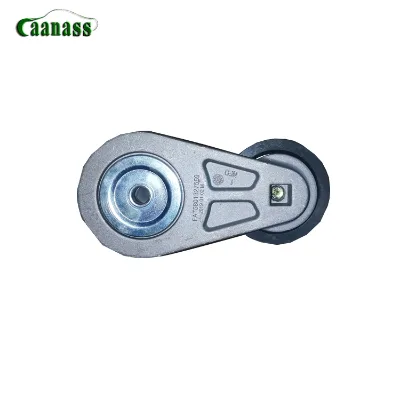
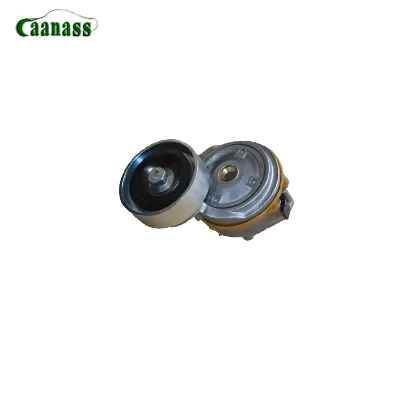


OEM Spec Heavy-Duty Noise-Reducing Tensioner for Iveco Truck Engine Iron Belt
$3.80 - $25.00
MOQ: 20 pieces


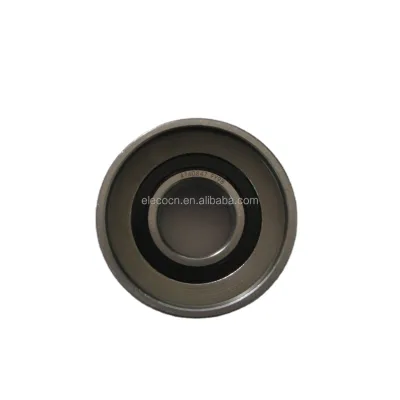
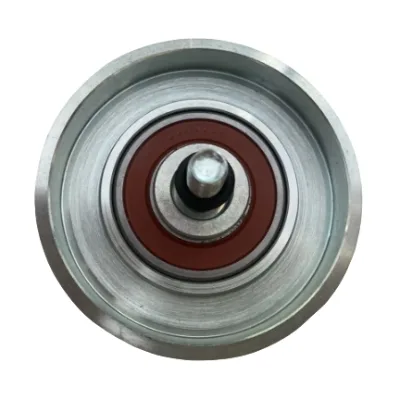
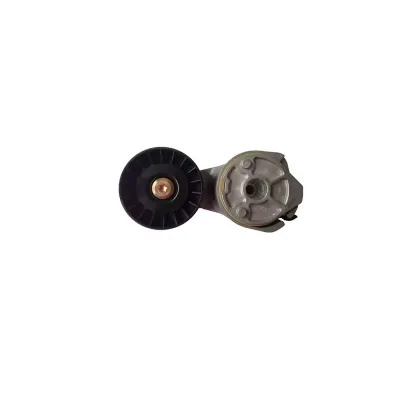
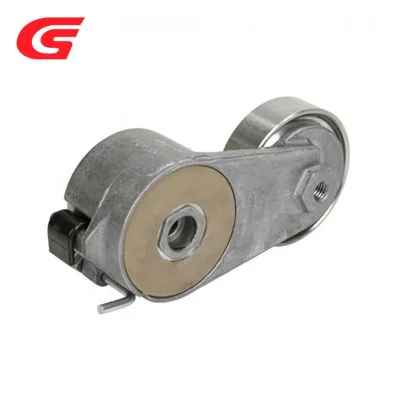
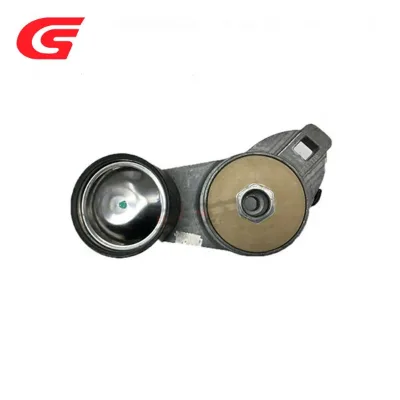
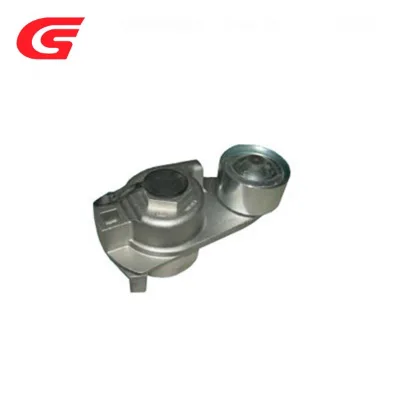
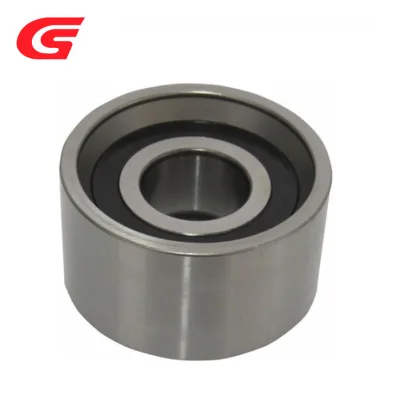

Engine Belt Tensioner for Iveco Eurocargo504065878 4897031 2831113 2852398
$4.00 - $6.00
MOQ: 100 Pieces


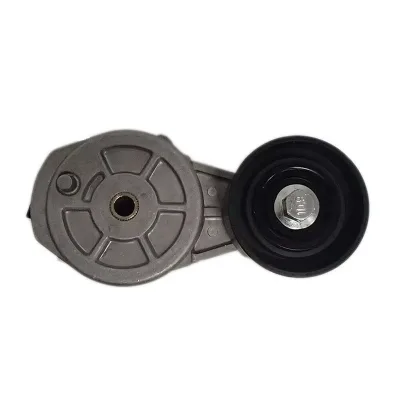
Heavy-Duty Truck Belt Tensioner for Iveco Iurodik Mh Truck 504106749 500346227
$9.50 - $13.00
MOQ: 100 Pieces



Comprehensive Sourcing Guide
Strategic Sourcing Guide For Iveco Belt Tensioner Components
Procuring replacement parts for heavy-duty commercial vehicles requires a meticulous approach, particularly when targeting specific components like belt tensioners for IVECO trucks. The global supply chain for automotive aftermarket parts is vast, yet the specific requirements for maintaining fleet reliability demand precise verification of technical attributes, supplier capabilities, and compliance standards. This guide provides a structured framework for buyers to navigate the market for belt tensioners, ensuring that the selected components meet the rigorous demands of commercial transport operations. The focus remains on evidence-based evaluation, utilizing observed market data and standard industry practices to inform procurement decisions without relying on unverified claims.
Technical Specifications and Compatibility Verification
The primary challenge in sourcing belt tensioners lies in ensuring exact compatibility with the vehicle's engine architecture. For IVECO applications, the tensioner is not a generic component but a precision-engineered part designed to maintain optimal serpentine belt tension under varying load conditions. Buyers must first identify the specific model number associated with their fleet's engine configuration. Market observations indicate that tensioners are often identified by specific OEM numbers, such as 5801327559, 99436331, or 99471920, which serve as critical reference points for cross-referencing.
When evaluating a potential product listing, the buyer must scrutinize the physical dimensions and material composition. The tensioner pulley typically features an outer diameter and width that must match the original equipment specifications to prevent belt slippage or premature wear. Data from current listings suggests dimensions such as an outer diameter of 74mm and a width of 46mm are common for specific heavy-duty applications. Furthermore, the material of construction is a vital indicator of durability. Cast iron is a frequently observed material for these components, offering the necessary rigidity and heat resistance required in engine bays.
The following table outlines key technical attributes that should be verified against the vehicle's service manual:
| Attribute | Critical Verification Point | Typical Observed Value |
|---|---|---|
| OEM Number | Must match vehicle service manual exactly | 5801327559, 99436331, 99471920 |
| Material | Must withstand high engine temperatures | Cast Iron |
| Outer Diameter | Must fit pulley groove precisely | 74mm (observed) |
| Width | Must align with belt width | 46mm (observed) |
| Function | Must provide vibration dampening | Vibration Dampening, Noise Reduction |
| Condition | Must be new for warranty validity | New |
It is essential to note that while some listings may reference "Standard" color or "Neutral" packing, these are secondary to the mechanical fit. The product name may vary slightly between "Belt Tensioner" and "Serpentine belt tensioner," but the underlying function remains the same. Buyers should also verify the "Truck Model" designation, as some suppliers list compatibility with specific models like "Vlv" or general "Truck and bus" categories, which requires careful cross-referencing with the actual IVECO model in the fleet.
Compliance, Certification, and Quality Assurance
In the B2B automotive sector, compliance is not merely a formality but a prerequisite for liability protection and operational safety. When sourcing belt tensioners, buyers must demand evidence of quality assurance processes. A high-confidence fact observed in the market is the requirement for "100% Tested" status before shipment. This implies that the manufacturer or supplier has implemented a testing protocol to verify the tensioner's ability to function under stress.
Certification status varies across suppliers. Some listings indicate certifications such as "TSType:Tensioner Bearing," which suggests a specific type of bearing certification relevant to the tensioner's internal mechanism. However, buyers should not assume that all listed products carry the same certifications. It is the procurement team's responsibility to request valid documentation for any claimed standards. The presence of a "Guaranty" period, such as a 1-year warranty, is a strong indicator of the supplier's confidence in their product, but this must be clearly defined in the contract terms.
Quality attributes like "High-Quality" are subjective marketing terms unless backed by objective data. Buyers should look for evidence of "Professional Service" and "24 Hours Online" support, which indicates a supplier capable of handling post-sales issues. Additionally, the "Condition" of the product must be explicitly stated as "New." Reconditioned or used parts, while sometimes cheaper, introduce significant risk to fleet uptime and should be avoided unless explicitly authorized by the fleet manager. The "Quality" attribute should be cross-referenced with the supplier's ability to provide test reports or quality control certificates.
Cost Drivers and Pricing Structure Analysis
Understanding the cost structure of belt tensioners is essential for budgeting and supplier negotiation. The observed price range in the market spans from $1 to $888 USD. This wide variance is driven by several factors, including the complexity of the tensioner design, the brand reputation, the material quality, and the volume of the order. A tensioner priced at the lower end of the spectrum may be a basic unit with standard specifications, while a unit at the higher end might include advanced features, premium branding (such as NSK), or specialized engineering for heavy-duty applications.
The Minimum Order Quantity (MOQ) is another significant cost driver. Observed MOQs range from 1 to 100 units. For fleet maintenance teams requiring a single replacement part, a supplier with an MOQ of 1 is ideal. However, for bulk procurement or fleet-wide overhauls, negotiating a lower unit price by increasing the order volume to meet an MOQ of 100 can yield substantial savings. The "Selling Units" are typically listed as "Single item," which allows for flexibility in purchasing small quantities, but buyers should verify if bulk discounts are available for larger orders.
Other cost factors include packaging and shipping. Some suppliers offer "Neutral Packing" or "Natural or According to Your Requirement" options, which can affect the final cost. The "Single gross weight" of 0.900 kg per unit is a critical metric for calculating shipping costs, especially when importing from regions like Guangdong, China, or Wenzhou, Zhejiang, China. Buyers must factor in the "Shipping Term," which is often listed as "Sea/Air," to determine the total landed cost. Air freight will be faster but more expensive, while sea freight is cost-effective for large volumes but involves longer lead times.
Typical Applications and Operational Context
Belt tensioners are critical components in the auxiliary drive systems of commercial vehicles. For IVECO trucks, these components are designed to manage the serpentine belt that drives essential accessories such as the alternator, water pump, power steering pump, and air conditioning compressor. The "Purpose" of the tensioner is explicitly stated as "for replace/repair," highlighting its role in maintenance and restoration rather than original manufacturing.
The operational environment for these parts is demanding. The tensioner must provide "Vibration Dampening," "Temperature Regulation," and "Noise Reduction" to ensure the longevity of the belt and the connected accessories. In heavy-duty truck applications, the tensioner is subjected to constant high loads and varying engine speeds. Therefore, the "Function" of the part extends beyond simple tensioning; it must also contribute to "Safety Improvement" and "Performance Enhancement" by preventing belt failure that could lead to engine overheating or loss of power steering.
Buyers should verify the "Application" field, which often lists "Auto belt tensioner" or specific truck models. While some listings mention "USE FOR mercedes truck," buyers must be vigilant to ensure the part is compatible with IVECO specifications. The "Truck Model" field may list generic terms like "Truck and bus" or specific codes like "Vlv," requiring the buyer to confirm the exact fitment with their vehicle's VIN or service manual. The "Product Name" variations, such as "Tensioner" or "Tensioner PUlley," should all be understood as referring to the same functional component in the context of the engine's accessory drive system.
Supplier Evaluation and Geographic Considerations
Selecting the right supplier is as important as selecting the right part. The market data indicates that suppliers are primarily located in China, with specific hubs in Guangdong and Wenzhou, Zhejiang. These regions are known for their manufacturing capabilities in automotive parts. However, the presence of a location does not guarantee quality; buyers must evaluate the supplier's track record, response time, and logistical capabilities.
Key indicators of a reliable supplier include the "Delivery Time," which ranges from 30 days to 7-35 days. This variability suggests that lead times can be influenced by order volume, production capacity, and shipping method. Buyers should plan their procurement cycles accordingly to avoid downtime. The "Service" attribute, such as "24 Hours Online" or "Professional Service," is a strong indicator of the supplier's commitment to customer support.
When evaluating suppliers, buyers should look for those who offer "Customization" services, as this indicates flexibility in meeting specific fleet requirements. The "Packing" method, whether "Neutral Packing" or "Neutral Export Carton with Shockproof Foam," is also a factor in ensuring the product arrives undamaged. Suppliers who provide detailed packing specifications demonstrate a concern for product integrity during transit.
Quality Control and Long-Term Procurement Strategy
Implementing a robust quality control process is essential for minimizing the risk of part failure. Buyers should require that all tensioners undergo a "100% Test" before shipment. This testing should verify the tensioner's ability to maintain proper belt tension and withstand the thermal and mechanical stresses of engine operation. The "Guaranty" period, typically 1 year, should be clearly defined in the purchase agreement, outlining the conditions under which the supplier will replace defective parts.
For long-term procurement, establishing a relationship with a reliable supplier is crucial. This involves negotiating favorable terms for "Delivery Time," ensuring consistent quality, and securing competitive pricing based on volume. Buyers should also consider the "Reference No." and "OE No." provided by the supplier to ensure that the parts are compatible with future fleet expansions or replacements.
The "Function" of the tensioner, including "Aesthetic Enhancement" and "Safety Improvement," should be viewed as secondary to its primary mechanical role. However, the overall quality of the part contributes to the vehicle's reliability and the driver's safety. By focusing on verified specifications, certified quality processes, and reliable supplier performance, buyers can build a sustainable procurement strategy that ensures the continued operation of their IVECO fleet.
In conclusion, sourcing belt tensioners for IVECO trucks requires a disciplined approach that prioritizes technical accuracy, compliance verification, and supplier reliability. By adhering to the guidelines outlined in this guide, buyers can make informed decisions that protect their fleet's performance and minimize operational risks. The market offers a wide range of options, but the key to success lies in rigorous due diligence and a commitment to high standards of quality and service.
FAQs
What is the typical delivery time for these tensioners?
The delivery time typically ranges from 7 to 35 days depending on the order volume. Some specific listings indicate a standard lead time of 30 days for production and shipping from China.
Which materials are commonly used for these tensioners?
Cast iron is a frequently observed material for these components, offering necessary rigidity and heat resistance. This material choice ensures durability under the high loads and varying engine speeds typical in heavy-duty truck applications.
Can I find tensioners with a specific outer diameter?
Yes, specific heavy-duty applications often feature an outer diameter of 74mm. Buyers must verify this dimension against their vehicle's service manual to ensure the pulley groove fits precisely and prevents belt slippage.
What warranty periods are available for these parts?
A standard guarantee period of 1 year is commonly offered by suppliers. This warranty indicates the supplier's confidence in the product but must be clearly defined in the contract terms to ensure validity.
How do I verify the quality of the tensioner before purchase?
Buyers should demand evidence that the product is 100% tested before shipment. This implies the manufacturer has implemented a protocol to verify the tensioner's ability to function under stress and maintain proper belt tension.
What is the minimum order quantity for these components?
The minimum order quantity ranges from 1 to 100 units depending on the supplier. Fleet teams requiring a single replacement part can find suppliers with an MOQ of 1, while bulk orders may negotiate lower unit prices.
Where are the primary manufacturing locations for these parts?
Suppliers are primarily located in China, with specific hubs in Guangdong and Wenzhou, Zhejiang. These regions are known for their manufacturing capabilities in automotive parts, though quality verification remains the buyer's responsibility.