Source For Isuzu Truck Drag Link for NPR NQR FSR
Compare 30 listings for For Isuzu Truck Drag Link from verified suppliers in Taiwan and China. Buyers can review OEM numbers, materials, and MOQs to find parts for ISUZU NPR, NQR, and FSR models; compare the available evidence and request quotations based on your requirements.
Key considerations
Products List
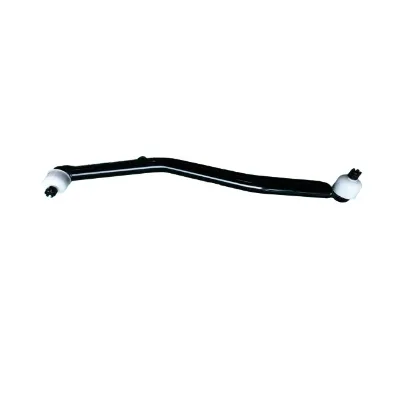
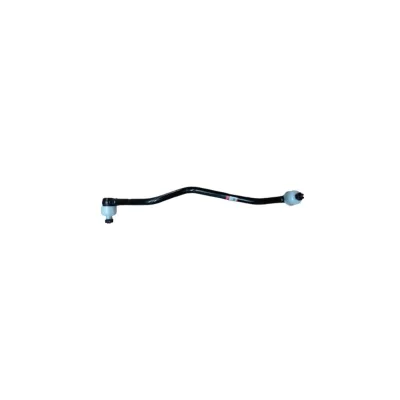
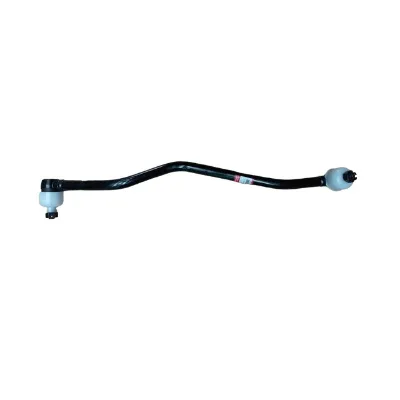
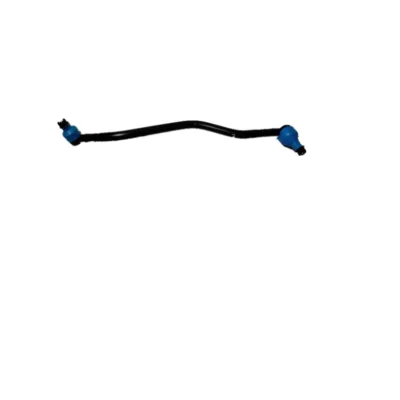
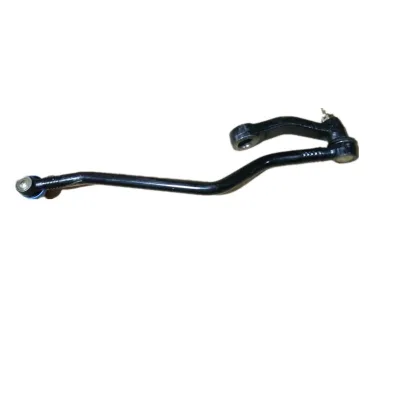
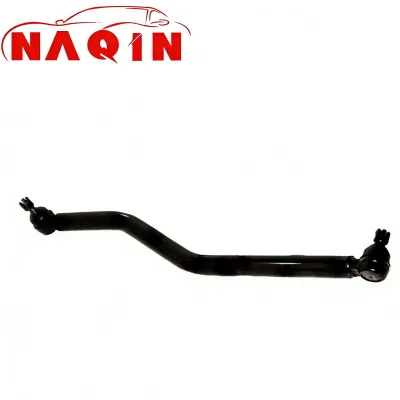
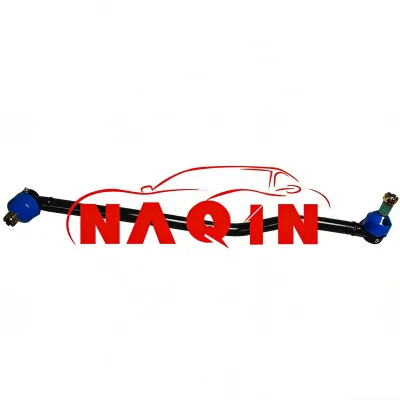
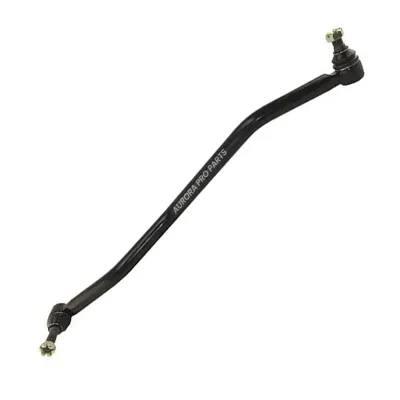
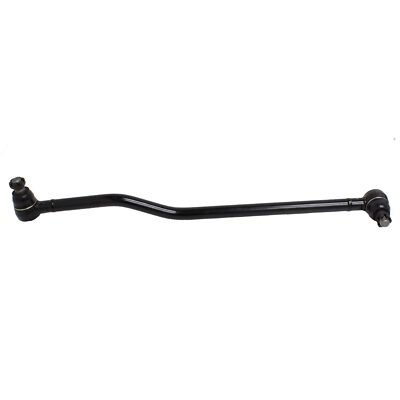


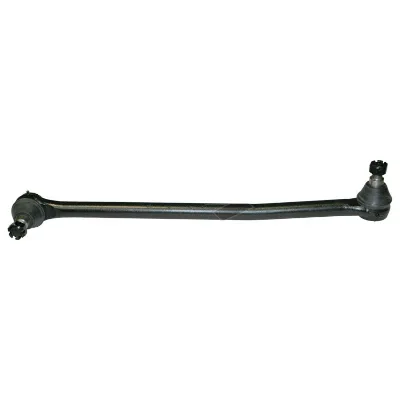
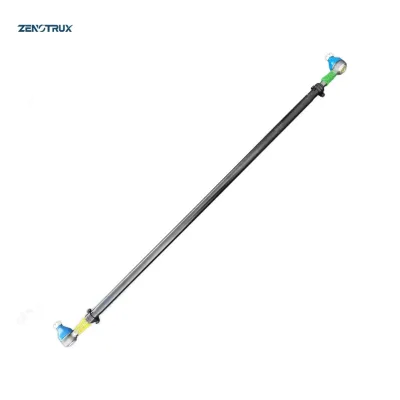


Comprehensive Sourcing Guide
For Isuzu Truck Drag Link Sourcing Guide
Procuring replacement steering components for commercial fleets requires a disciplined approach to part identification and supplier verification. The drag link is a critical safety component that translates steering box movement into wheel articulation, making its structural integrity non-negotiable for heavy-duty operations. Buyers must prioritize exact OEM number matching over generic descriptions to ensure proper fitment for specific Isuzu truck models such as the NPR, NQR, and FSR series. This precision prevents costly installation errors and ensures that the new part integrates seamlessly with existing suspension geometry.
Sourcing decisions should be guided by observed market signals rather than assumptions about universal compatibility. Current listings indicate a wide range of origins, including Taiwan and mainland China, with varying material compositions such as metal and plastic-electric circuit hybrids for related electronic components. While the core mechanical drag links are typically metal, buyers must distinguish between pure mechanical parts and assemblies that may include electronic sensors or connectors. Understanding these material distinctions is essential for evaluating durability and compatibility with the truck’s existing electrical and mechanical systems.
Product Scope and Observed Listing Signals
The current market for Isuzu truck drag links presents a diverse array of options with significant variation in pricing and minimum order quantities. Observed price points range from approximately $0.40 to $123.74, reflecting differences in material quality, manufacturing origin, and included services. Minimum order quantities vary widely, starting from single units for sample testing up to 200 pieces for bulk fleet replenishment. Some suppliers specify a minimum of four pieces, which may indicate a preference for small batch orders to maintain inventory efficiency. Buyers should align their order volume with these thresholds to optimize unit costs and avoid unnecessary stockpiling.
Listing attributes reveal important details about product condition and packaging standards. Most items are listed as new, with some offering original packaging while others provide neutral or custom packaging based on order requirements. The color of the parts is often indicated as black or matching the reference picture, which helps in visual identification upon receipt. Payment terms are predominantly structured around telegraphic transfers, with some suppliers accepting Western Union or PayPal for smaller transactions. These commercial signals help buyers assess the flexibility and professionalism of potential suppliers before initiating formal negotiations.
Technical Specifications to Verify
Verifying technical specifications is paramount when sourcing drag links for Isuzu trucks, as even minor deviations can compromise steering performance. Key model numbers such as 8-98025-642-1 and 1-44380-281-0 are frequently cited, alongside OEM numbers like 8971701600 and 8972225080. Buyers must cross-reference these identifiers with their vehicle’s service manual to ensure exact compatibility. The standard size and weight attributes listed in many catalogs suggest that most replacements adhere to original equipment dimensions, but physical verification of thread pitch, ball joint angles, and overall length is recommended before finalizing large orders.
Material composition and construction quality directly impact the longevity and safety of the steering system. While many listings specify metal construction for the primary drag link body, some associated components may involve plastic or electric circuit elements, particularly if the truck features advanced steering assist systems. Buyers should request detailed material specifications to confirm that the metal used meets the tensile strength and corrosion resistance requirements for heavy-duty truck applications. Additionally, verifying that the part is designed for replacement or repair purposes ensures that it meets the functional standards expected for critical steering components.
Compliance and Safety Documentation
Compliance with international quality management standards is a key indicator of a supplier’s reliability and manufacturing consistency. Several suppliers in the market hold ISO/TS16949 certification, which demonstrates adherence to rigorous automotive quality management systems. This certification is particularly relevant for buyers seeking parts that meet the stringent requirements of commercial vehicle manufacturers. Buyers should request valid certification documents and verify their current status to ensure that the supplier maintains ongoing compliance. This step reduces the risk of sourcing parts from facilities that may have lost their quality credentials or failed to meet recent audit requirements.
Safety and performance testing are essential components of the procurement process for steering system parts. Many suppliers claim that their products are 100% tested before dispatch, which provides an additional layer of assurance regarding product integrity. Buyers should inquire about the specific types of tests conducted, such as load testing, fatigue analysis, or dimensional inspection, to understand the depth of quality control. While specific test results are not always disclosed in initial listings, requesting test reports or certificates of conformity can help validate the supplier’s quality claims and ensure that the parts meet safety standards for commercial truck operations.
Cost Drivers and Commercial Terms
Understanding the factors that influence pricing is crucial for effective budget management and supplier negotiation. The wide price range observed in the market is driven by variations in material costs, manufacturing complexity, and origin. Parts sourced from Taiwan may carry different cost structures compared to those from mainland China, reflecting differences in labor, overhead, and logistics. Buyers should consider the total cost of ownership, including shipping, duties, and potential return costs, rather than focusing solely on the unit price. This holistic view helps in making informed decisions that balance cost efficiency with quality and reliability.
Commercial terms such as payment methods, packaging, and warranty policies significantly impact the procurement process. Most suppliers offer telegraphic transfer as the primary payment method, with some providing options for Western Union or PayPal. Packaging varies from original to neutral, which may affect branding or inventory management for fleet operators. Warranty periods, such as the 12-month coverage offered by some suppliers, provide protection against early failures and demonstrate supplier confidence in their products. Buyers should negotiate clear terms regarding returns, replacements, and liability to mitigate risks associated with defective parts.
Supplier Qualification and Quality Control
Supplier qualification involves a thorough assessment of manufacturing capabilities, quality control processes, and customer service responsiveness. Buyers should evaluate suppliers based on their ability to provide consistent quality, timely delivery, and technical support. The presence of life-long service claims, while potentially marketing-driven, indicates a supplier’s willingness to stand behind their products. Buyers should verify these claims by checking customer reviews, requesting references, and assessing the supplier’s responsiveness to inquiries. A reliable supplier should be transparent about their manufacturing processes and willing to provide detailed information about their quality control measures.
Quality control measures should be integrated into the procurement process to ensure that received parts meet specified standards. Buyers can implement incoming inspection protocols to verify dimensions, material quality, and surface finish upon receipt. Requesting pre-shipment photos or videos of the products can provide visual confirmation of quality before payment is finalized. Additionally, establishing a clear communication channel with the supplier for addressing any discrepancies or issues ensures that problems are resolved promptly. Building a strong relationship with qualified suppliers fosters trust and facilitates smoother transactions for future procurement needs.
Long-Term Procurement Checks
Establishing long-term procurement strategies requires continuous monitoring of supplier performance and market trends. Buyers should regularly review supplier metrics such as on-time delivery rates, defect rates, and responsiveness to issues. This data-driven approach helps in identifying reliable partners and addressing underperforming suppliers before they impact operations. Maintaining a diversified supplier base can mitigate risks associated with supply chain disruptions and provide flexibility in sourcing. Regularly updating the list of qualified suppliers ensures that the procurement team has access to the best available options in the market.
Continuous improvement in the procurement process involves staying informed about industry developments, new technologies, and regulatory changes. Buyers should participate in industry forums, attend trade shows, and engage with technical experts to stay ahead of trends. This proactive approach enables buyers to anticipate changes in part availability, pricing, and quality standards. By fostering a culture of continuous learning and adaptation, procurement teams can enhance their strategic value to the organization and ensure that the fleet remains operational and safe. Long-term success in sourcing critical components like drag links depends on this commitment to excellence and vigilance.
FAQs
What is the origin of the For Isuzu Truck Drag Link?
The For Isuzu Truck Drag Link originates from Taiwan, China, and Chongqing, China. These locations serve as the primary places of origin for the metal components. Buyers can expect standard sizes and new condition items. The products are dispatched from ports such as Taichung, Taiwan, ensuring reliable logistics for international orders.
Which models does the For Isuzu Truck Drag Link fit?
The For Isuzu Truck Drag Link fits ISUZU FSR, NPR, and NQR models, specifically the 2008 variants. It is designed for general isuzu truck applications. The item serves as a replacement or repair part. The car fitment is listed as other, indicating broad compatibility within the specified isuzu truck series for maintenance purposes.
Can I get samples of the For Isuzu Truck Drag Link?
Yes, samples of the For Isuzu Truck Drag Link are available for evaluation. Buyers can request neutral packages or original packaging depending on the supplier. The sample process supports quality verification before bulk orders. Payment terms like TT Advance facilitate the transaction. This option allows buyers to inspect the metal construction and standard size before committing.
What certifications apply to the For Isuzu Truck Drag Link?
The For Isuzu Truck Drag Link holds ISO/TS16949 certification, ensuring quality management standards. This certification applies to the manufacturing process of the metal components. The product is 100% tested to maintain high quality. Buyers relying on certified suppliers can trust the compliance of the drag link for isuzu truck applications, meeting industry requirements for automotive parts.
What are the payment terms for the For Isuzu Truck Drag Link?
Payment terms for the For Isuzu Truck Drag Link include T/T, Western Union, PayPal, and TR. Some suppliers require TT Advance for sample orders. These flexible options accommodate various buyer preferences. The standard payment structure supports both small and large transactions. Buyers should confirm the specific term with the supplier to ensure smooth processing of the order for the metal drag link.
What is the MOQ for the For Isuzu Truck Drag Link?
The minimum order quantity for the For Isuzu Truck Drag Link ranges from 1 to 200 pieces. Specific items may have an MOQ of 4 PCS. This flexibility allows buyers to order small batches for testing or larger quantities for repair needs. The standard size and metal material ensure consistent supply. Buyers can select the quantity that best fits their inventory requirements.