Source For Hilux Brake Master Cylinder for Toyota Trucks
Find and compare 30 available For Hilux Brake Master Cylinder options from verified suppliers. Evaluate specifications such as OEM numbers, material types including steel and aluminum, and delivery times to select the right component for your vehicle maintenance needs.
Key considerations
Products List


Auto Parts Brake Master Cylinder 47201-35640 Brake Master Cylinder for Toyota
$7.50 - $8.00
MOQ: 300 Pieces

Auto Parts Brake Master Cylinder 47201-30440 Brake Master Cylinder for Toyota
$8.00 - $8.50
MOQ: 300 Pieces


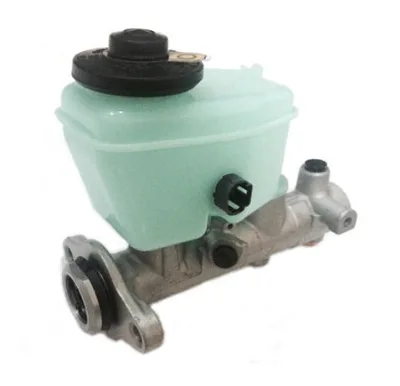

Chinese Supplier Good Quality Car Brake Master Cylinder 47201-09210 for Hilux
$14.00 - $18.00
MOQ: 10 Pieces


Comprehensive Sourcing Guide
For Hilux Brake Master Cylinder Sourcing Guide
Sourcing a brake master cylinder for the Toyota Hilux requires a precise alignment between the vehicle's specific hydraulic architecture and the supplier's manufacturing capabilities. The observed market data indicates that this component is frequently listed with OEM numbers such as 47201-3D060, 47201-3D171, and 47201-35640, which are critical identifiers for ensuring compatibility with the Hilux platform. Buyers must verify that the listed product explicitly states "Apply for: Hilux" to avoid mismatches in bore size, port configuration, or mounting flange geometry that could compromise braking performance.
The procurement landscape for this component reveals a diverse range of material compositions, including steel, aluminum, and iron, alongside various packaging standards like plastic bags, cartons, and wooden crates. While some listings specify a "Front" position, others denote "Rear" applications or general "Brake System" categorization, necessitating a careful review of the product attributes to confirm the exact location within the vehicle's braking circuit. Understanding these variations is essential before initiating contact with suppliers, as the physical dimensions and material properties directly influence the hydraulic pressure generation and fluid dynamics required for safe operation.
Product Scope and Observed Listing Signals
The available product listings demonstrate a wide spectrum of customization options, with many suppliers offering tailored solutions to meet specific buyer requirements. The "Customization: Available" attribute suggests that buyers can request modifications to the master cylinder's design, such as specific port orientations or unique mounting brackets, provided the supplier has the engineering capacity to execute these changes. However, the presence of standard models with fixed OEM numbers like 47201-3D060 indicates that off-the-shelf inventory is also a viable option for buyers seeking immediate deployment without the lead time associated with custom tooling.
Market reach data shows that these components are distributed globally, with major markets spanning South America, North America, Eastern Europe, and Southeast Asia, among others. This extensive distribution network implies that suppliers are accustomed to international logistics and regulatory environments, yet buyers must still verify the specific shipping ports, which are frequently cited as Ningbo or Shanghai. The observation of multiple "Dy No." identifiers, such as Zs8557, 2270, and 2273, suggests that different production batches or internal SKUs may exist for the same functional part, requiring buyers to cross-reference these codes with their own inventory management systems to ensure traceability.
Technical Specifications to Verify
Verifying the material composition is a primary technical step, as the supplied facts list steel, aluminum, and iron as potential materials for the brake master cylinder. The choice of material impacts the component's weight, corrosion resistance, and thermal stability under repeated braking cycles. Buyers should explicitly request material test reports or mill certificates to confirm that the aluminum or steel used meets the necessary tensile strength and durability standards for automotive braking systems, rather than relying solely on the general material category listed in the product description.
The hydraulic classification of the component must also be scrutinized, as listings distinguish between "Drum Brakes Classification: Brake Drum" and "Wheel Cylinder" applications, alongside general "Brake System" labels. For a Hilux master cylinder, the internal piston diameter and the number of fluid ports must match the vehicle's master cylinder specifications to ensure proper fluid displacement and pressure build-up. Buyers should demand detailed engineering drawings or CAD files that specify the "As drawing" standard mentioned in some listings, ensuring that the physical dimensions align perfectly with the Hilux's master cylinder bore and reservoir capacity.
Compliance and Safety Documentation
Certification status is a critical factor in the procurement of automotive braking components, with ISO/TS16949 and ISO certifications appearing frequently in the observed data. These standards indicate that the supplier adheres to specific quality management systems required by the automotive industry, ensuring consistent manufacturing processes and traceability. Buyers must verify that the ISO/TS16949 certification is current and covers the specific manufacturing site producing the master cylinder, as the presence of the certification on a general company profile does not guarantee that every batch of products meets the rigorous safety requirements for braking systems.
Safety documentation should also include evidence of compliance with regional safety standards, particularly given the global market reach of these products. While some listings mention "ISO/TSBSCI" alongside ISO certifications, buyers should focus on the specific automotive quality standards that govern brake system safety, such as ISO 26262 for functional safety if applicable to the specific vehicle model. It is essential to request a Declaration of Conformity or a Certificate of Analysis for each batch, confirming that the product has undergone necessary pressure testing and leak checks before leaving the factory, rather than assuming compliance based on the supplier's general market presence.
Cost Drivers and Commercial Terms
The pricing structure for brake master cylinders is influenced by several variables, including the material cost of steel or aluminum, the level of customization required, and the complexity of the packaging. The observed price range of 0.01 to 100 USD suggests a wide disparity between basic stock items and specialized, high-volume orders, but buyers should be cautious of prices that seem abnormally low, as they may indicate compromised quality or non-compliant materials. The "Price Term: EXW or Fob Shanghai/Ningbo" indicates that the quoted price typically excludes international freight and insurance, requiring buyers to calculate the total landed cost including shipping, duties, and handling fees.
Minimum Order Quantity (MOQ) requirements vary significantly, with observed ranges from 1 to 300 units and specific listings citing an MOQ of 100 PCS. This variability allows for flexibility depending on the buyer's inventory strategy, but it also impacts the unit cost, as higher volumes often secure better pricing tiers. Buyers must negotiate lead times carefully, as the data shows delivery windows ranging from 10 days for stock items to 30 days for custom production, with some suppliers offering a 5-day turnaround for specific OE items. Understanding these commercial terms is vital for planning inventory replenishment and managing cash flow effectively.
Supplier Qualification and Quality Control
Supplier qualification should extend beyond the basic presence of ISO certifications to include a thorough assessment of their production capacity and quality control protocols. The "Delivery Time: with 10 Days Lf on Stock" and "15 Days" or "30 Days" lead times suggest that suppliers have varying levels of inventory management and production flexibility. Buyers should conduct on-site audits or request third-party audit reports to verify that the supplier maintains strict process controls, particularly for critical steps like machining, heat treatment, and assembly of the master cylinder components.
Quality control measures must be explicitly defined in the purchase agreement, including acceptance criteria for dimensional accuracy, surface finish, and hydraulic performance. The "Warranty: 12 Months, 30000-50000km" term observed in some listings provides a baseline for expected product longevity, but buyers should ensure that the warranty covers defects in materials and workmanship rather than just general usage. Implementing a robust incoming inspection protocol, such as sampling based on AQL standards, is essential to catch any deviations in the brake master cylinder's performance before they reach the end customer, ensuring that the "Spabb" brand or other listed brands maintain their reputation for reliability.
Long-Term Procurement Checks
Establishing a long-term procurement strategy requires regular performance reviews of the supplier's ability to maintain consistent quality and delivery schedules. The "Main Market" data indicates a global footprint, but buyers should monitor the supplier's ability to navigate trade barriers and logistics disruptions in key regions like North America and Europe. Regular audits should focus on the supplier's capacity to scale production up or down based on market demand, ensuring that the supply chain remains resilient against fluctuations in the automotive aftermarket.
Continuous improvement initiatives should be encouraged through feedback loops that address any recurring quality issues or delivery delays. Buyers should track key performance indicators such as defect rates, on-time delivery percentages, and response times to technical inquiries to ensure the supplier remains aligned with the buyer's evolving needs. By maintaining a proactive relationship and demanding transparency in the supply chain, buyers can secure a reliable source for Hilux brake master cylinders that supports their long-term business goals and customer satisfaction.
FAQs
What is the warranty period for the brake master cylinder?
The product comes with a 12-month warranty covering 30,000 to 50,000 kilometers. This coverage applies to the Hilux brake master cylinder manufactured with steel or aluminum components.
Which certifications do the brake master cylinder suppliers hold?
Suppliers provide products certified under ISO, ISO/TS16949, and BSCI standards. These certifications ensure quality for the Hilux brake master cylinder intended for global markets.
Can I request customization for the brake master cylinder?
Yes, customization is available for the Hilux brake master cylinder. Buyers can specify packaging options like plastic bags, cartons, or wooden crates based on their needs.
What is the delivery time for stock items?
Delivery for stock OE items takes approximately 5 days. Standard orders generally require 15 to 30 days depending on the specific model and production schedule.
Which models are compatible with the Hilux brake master cylinder?
Compatible models include part numbers 47201-3D060, 47201-35640, and 47201-60400. These specifications ensure proper fitment for the Toyota Hilux vehicle system.
What is the minimum order quantity for this product?
The minimum order quantity is 100 pieces for standard orders. Some suppliers may accept lower quantities for stock items, but 100 pieces is the standard requirement.
Where are the brake master cylinders manufactured?
The products originate from Zibo, China. This location supports the manufacturing of brake systems including master cylinders and wheel cylinders for various vehicle applications.