Source For Nissan Pathfinder Headlight for Fleet, Repair, and Retail
Source the For Nissan Pathfinder Headlight from 30 verified listings. Compare options for 12V LED and halogen bulbs, including OEM codes like 26060-3ka0b and 26010-3ka0b. Evaluate specifications for models from 1999 to 2020, noting waterproof and shock-resistant features for reliable automotive replacement.
Key considerations
Products List

Car Parts Auto Headlight Head Lamp Head Light for Nissan Pathfinder 2013
$36.70 - $47.20
MOQ: 6 Pieces


Auto Parts Assembly Headlamp Head Light Halogen Headlight for Nissan Pathfinder 2017-2020
$110.00 - $126.00
MOQ: 10 Pieces

Auto Spare Part Car Head Lamp Headlight for Nissan Pathfinder 2005-2006
$16.80 - $21.70
MOQ: 30 Pieces

Car Body System Headlight Auto Parts Head Lamp Light for Nissan Maxima 09-14
$70.00 - $80.00
MOQ: 20 Pieces

26010-9PF9a Headlamp Assembly Head Lamp for 2017-2019 Nissan Pathfinder
$115.00 - $135.00
MOQ: 30 Pieces
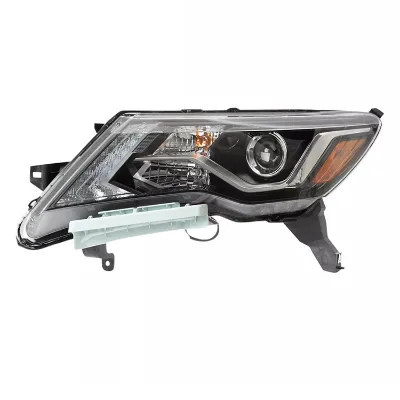
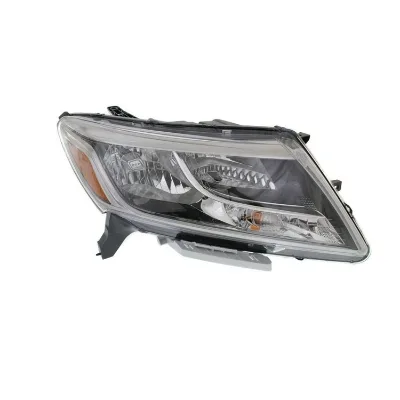
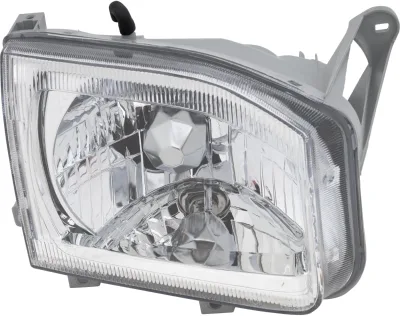
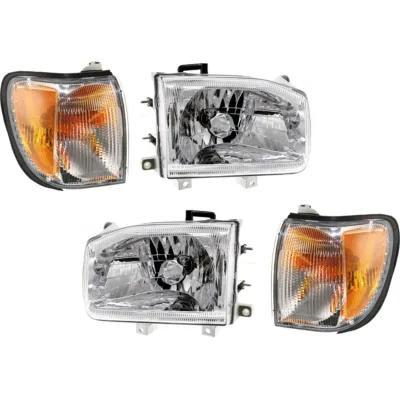
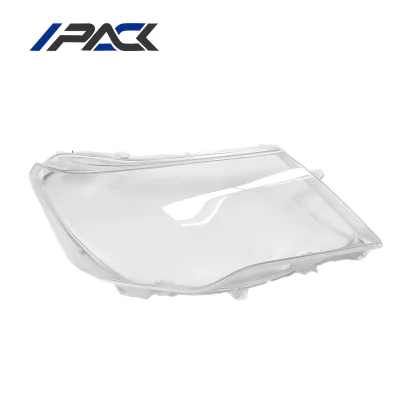
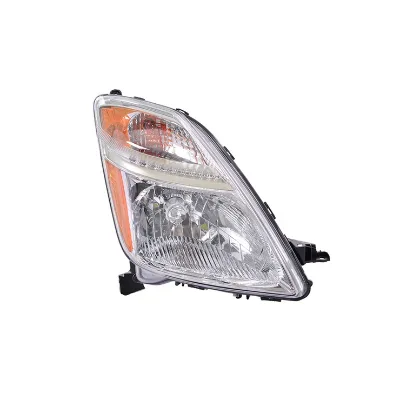
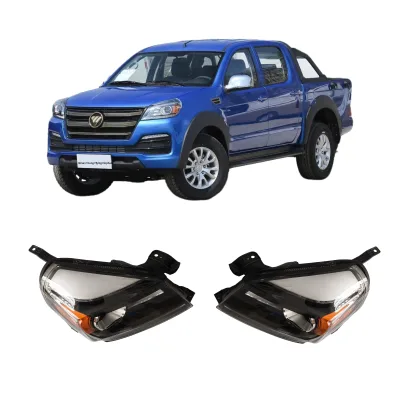


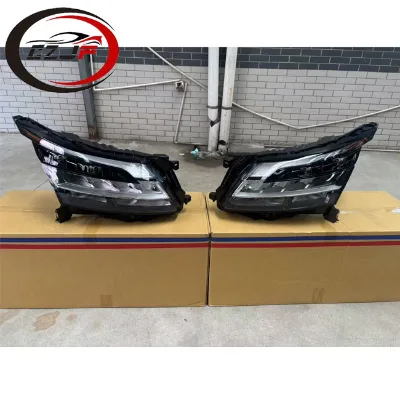
CZJF Factory Sales Auto Parts Headlights Front Lamps for Nissan Pathfinder 2022
$419.30 - $424.42
MOQ: 8 sets

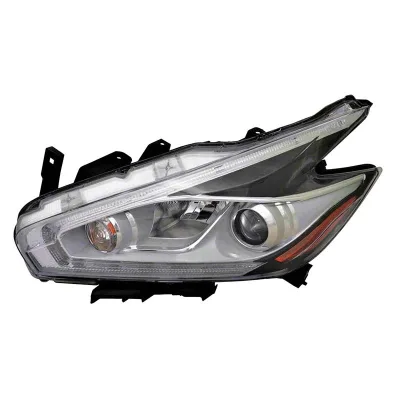
Wholesale Chromed High Configuration LED Headlamp for nissan MURANO 2015 - 2019
$90.00 - $110.00
MOQ: 4 pieces
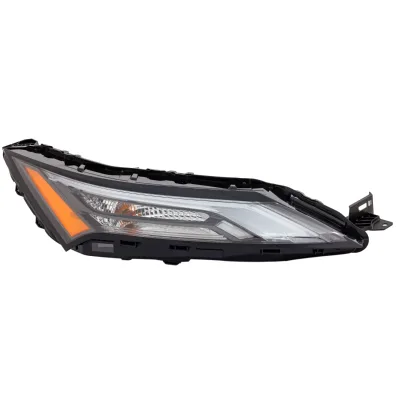
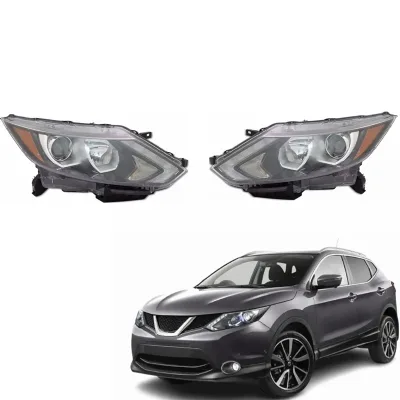


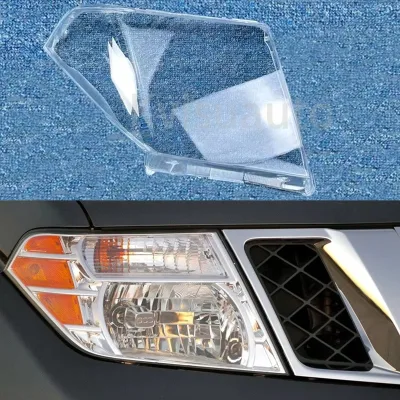
Comprehensive Sourcing Guide
For Nissan Pathfinder Headlight Sourcing Guide
Sourcing replacement lighting components for the Nissan Pathfinder requires a disciplined approach to part identification and supplier verification. The automotive lighting market is fragmented, with numerous listings that may appear similar but differ significantly in optical performance, durability, and vehicle compatibility. Buyers must navigate a landscape where generic descriptions often obscure critical technical distinctions, such as base type, voltage requirements, and specific model year applicability. This guide provides a structured framework for evaluating suppliers and products, ensuring that procurement decisions are grounded in verified data rather than marketing claims. By focusing on observable listing signals and technical specifications, buyers can mitigate the risk of receiving incompatible or substandard components.
The following sections outline the essential steps for validating product listings, verifying technical compliance, and establishing robust commercial terms. Each section is designed to address a specific aspect of the procurement process, from initial product screening to long-term supplier management. The guidance is based on observed market data and standard industry practices for automotive lighting components. Buyers are encouraged to use this framework as a checklist during supplier evaluations, ensuring that all critical parameters are addressed before placing orders. This methodical approach helps maintain consistency in quality and reduces the likelihood of costly errors in inventory management and vehicle repair.
Product Scope and Observed Listing Signals
The observed market For Nissan Pathfinder Headlight components reveals a diverse range of products, with prices varying significantly based on technology and specifications. Listings indicate a price range from approximately $10.50 to $424.42 USD, reflecting the spectrum from basic halogen bulbs to more advanced LED or complete headlamp assemblies. This wide variance suggests that buyers must carefully distinguish between simple replacement bulbs and complex lighting units. The minimum order quantity (MOQ) typically ranges from 2 to 100 pieces, indicating that suppliers cater to both small-scale repair shops and larger distribution networks. Understanding these market signals is crucial for budgeting and inventory planning, as it helps buyers align their procurement volumes with supplier capabilities and pricing tiers.
Product attributes observed in listings highlight key differentiators such as material composition, base type, and vehicle compatibility. For instance, some products are specified as LED with a W21W base, while others are halogen with a P21W base, each serving different functions within the vehicle’s lighting system. Compatibility is strictly defined by model year, with listings targeting specific ranges such as 1999-2004, 2005-2006, 2013, and 2017-2020. Buyers must verify that the listed car model and year match their inventory or customer requirements precisely. Additionally, attributes like "Waterproof" and "Shock-Resistant" suggest durability features, but these should be treated as observations rather than guaranteed performance metrics until verified through testing or supplier documentation.
Technical Specifications to Verify
Technical verification begins with confirming the electrical and physical specifications of the lighting components. Voltage is a critical parameter, with most listings indicating a 12V system, which is standard for Nissan Pathfinder vehicles. However, buyers must ensure that the component’s voltage rating matches the vehicle’s electrical system to prevent damage or malfunction. The base type, such as W21W or P21W, determines the physical fit and electrical connection, making it essential to match the OEM specifications exactly. Additionally, wattage ratings, such as 72 watts for certain headlamps, provide insight into power consumption and heat generation, which can impact the longevity of the component and the vehicle’s electrical system.
OEM part numbers serve as a reliable reference for compatibility, with listings citing codes such as 26060-3ka0b, 26010-3ka0b, and 26060-9PF0a. Buyers should cross-reference these numbers with official Nissan documentation to ensure accuracy. Model numbers like NS014-201-003 and FD016-201-001 may also be used by suppliers, but these are not always standardized across the industry. Therefore, relying on OEM numbers is generally safer. Furthermore, specifications such as "Standard Size" and "Neutral Packing" indicate packaging and dimensional consistency, which can simplify logistics and storage. Buyers should request detailed technical datasheets from suppliers to confirm these specifications, especially for custom or high-volume orders.
Compliance and Safety Documentation
Compliance with safety and quality standards is paramount when sourcing automotive lighting components. While some listings mention "100% Tested" or "High-Quality" attributes, these claims require independent verification. Buyers should request test reports or certification documents that demonstrate compliance with relevant automotive standards, such as those related to electrical safety, optical performance, and environmental durability. Although ISO9001:2000 is mentioned in some contexts, buyers should verify the current status of any quality management certifications, as standards evolve over time. Ensuring that suppliers adhere to recognized quality management systems helps mitigate risks associated with product defects and liability.
Documentation should also include information on material safety and environmental compliance. Components made from LED or halogen materials may contain substances that are regulated in certain markets. Buyers should inquire about the presence of hazardous materials and ensure that suppliers comply with regulations such as RoHS or REACH, depending on the destination market. Additionally, packaging specifications, such as "Carton" or "Box," should be reviewed to ensure that they protect the components during transit and storage. Proper packaging is essential to prevent damage and maintain product integrity, especially for fragile items like glass bulbs or sensitive electronic components.
Cost Drivers and Commercial Terms
Cost drivers in the lighting component market include material costs, manufacturing complexity, and order volume. LED components, for example, may be more expensive than halogen bulbs due to the complexity of their electronic drivers and heat dissipation systems. Buyers should analyze the cost structure to understand the value proposition of each product option. Commercial terms, such as payment conditions and delivery times, also impact the total cost of ownership. Listings indicate a payment term of 30% deposit, which is common in B2B transactions, but buyers should negotiate terms that align with their cash flow requirements. Delivery times of 7-15 days suggest a relatively quick turnaround, but buyers should confirm lead times for custom or high-volume orders to avoid production delays.
Shipping methods, such as "By air or sea," offer flexibility but come with different cost and time implications. Air freight is faster but more expensive, while sea freight is cost-effective for large volumes but slower. Buyers should evaluate these options based on their urgency and budget constraints. Additionally, the place of origin, such as Zhejiang, China, may influence logistics costs and supply chain resilience. Buyers should consider the geopolitical and logistical factors associated with the supplier’s location when assessing risk. Clear communication of commercial terms in the purchase agreement helps prevent disputes and ensures that both parties have a shared understanding of their obligations.
Supplier Qualification and Quality Control
Supplier qualification is a critical step in ensuring the reliability of the supply chain. Buyers should conduct due diligence on potential suppliers, verifying their business registration, production capacity, and quality control processes. The "Condition: New" attribute indicates that products are not refurbished, but buyers should confirm this through site audits or third-party inspections. Quality control measures, such as "100% Tested," should be validated by reviewing the supplier’s testing protocols and equipment. Buyers should also assess the supplier’s ability to handle customization requests, as indicated by the "Customization: Available" attribute, which may be important for specific vehicle models or market requirements.
Establishing a robust quality control framework involves defining clear acceptance criteria and inspection procedures. Buyers should specify the required tests, such as electrical performance, optical output, and environmental resistance, in the purchase agreement. Regular audits and sample testing can help maintain quality standards over time. Additionally, buyers should evaluate the supplier’s responsiveness to issues and their ability to provide timely support. A reliable supplier should have a clear process for handling defects and returns, ensuring that any quality issues are resolved efficiently. Building a strong relationship with qualified suppliers helps ensure consistent product quality and reduces the risk of supply chain disruptions.
Long-Term Procurement Checks
Long-term procurement success depends on continuous monitoring and evaluation of supplier performance. Buyers should establish key performance indicators (KPIs) to track metrics such as on-time delivery, product quality, and responsiveness. Regular reviews of these metrics help identify areas for improvement and ensure that suppliers meet contractual obligations. Additionally, buyers should stay informed about changes in automotive technology and regulations that may impact the relevance of current products. For example, the transition from halogen to LED lighting may require updates to procurement strategies and supplier relationships.
Building a diversified supplier base can mitigate risks associated with single-source dependencies. Buyers should identify alternative suppliers for critical components to ensure continuity of supply in case of disruptions. Furthermore, maintaining open communication with suppliers fosters collaboration and innovation, leading to better product offerings and cost efficiencies. Buyers should also consider the environmental and social impact of their procurement decisions, aligning with broader sustainability goals. By adopting a proactive and strategic approach to procurement, buyers can optimize their supply chain and achieve long-term business success.
FAQs
What voltage and base types are available for Nissan Pathfinder headlights?
The available headlights operate at 12V and feature bases such as W21W and P21W. These components are designed for specific Nissan models including the Pathfinder and Maxima. The products are constructed from LED and Halogen materials to ensure compatibility with standard vehicle electrical systems. Buyers can select the appropriate base type based on their specific vehicle year and model requirements.
Which Nissan Pathfinder model years are supported by these headlight parts?
These headlight parts support multiple Nissan Pathfinder model years, including 1999-2004, 2005-2006, 2013, and 2017-2020. Specific OEM numbers like 26060-3ka0b and 26060-9PF0a correspond to different generations. The products are also suitable for Nissan Maxima models from 2009 to 2014. Buyers should verify their exact model year to ensure proper fitment and functionality.
Can these headlights be customized for specific vehicle requirements?
Yes, customization is available for these headlight products. Buyers can request specific configurations to meet unique vehicle needs or branding requirements. The products are manufactured in Zhejiang, China, and offer standard sizing with various packing options like cartons or boxes. This flexibility allows businesses to tailor orders for different market segments or specific automotive repair needs.
What is the minimum order quantity for purchasing these headlights?
The minimum order quantity is 2 pieces for these headlight products. This low MOQ allows buyers to test product quality or order small batches for immediate needs. The products are new condition and undergo 100% testing to ensure high quality. This accessible entry point supports both small retailers and larger distributors looking to source reliable automotive lighting components.
How long does delivery take for orders of these headlights?
Delivery time is typically 7-15 days for these headlight orders. Shipping can be arranged by air or sea depending on the buyer's preference and urgency. The products are packed in neutral packing or standard cartons to ensure safe transit. Buyers should plan their procurement schedule accordingly to account for this lead time and ensure timely availability for their inventory or customer orders.