Find and Source For Renault Clio Radiator Fan for Cooling, Repair, and Maintenance
Explore 30 verified listings for the For Renault Clio Radiator Fan to compare specifications like EPDM rubber or plastic materials, OEM models, and certifications. Buyers can evaluate options ranging from 0.05 to 65 USD with flexible MOQs and customization availability.
Key considerations
Products List


7701044185 Auto Parts Radiator Cooling Fan for Renault Megane II 2001-2011
$10.90 - $29.90
MOQ: 50 Pieces


1347697080 1250h4 Auto Parts Radiator Cooling Fan for FIAT Ducato Box 2006-
$10.90 - $29.90
MOQ: 50 Pieces

1250f4 1250g0 Auto Parts Radiator Cooling Fan for Citroen Berlingo 1996-2016
$10.90 - $29.90
MOQ: 50 Pieces

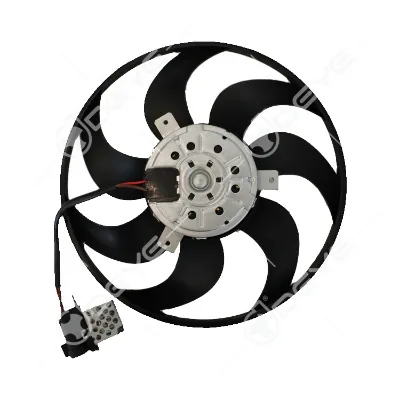
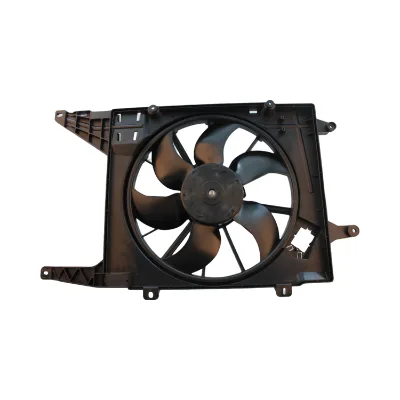
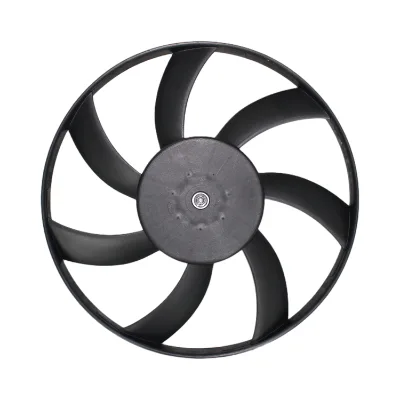
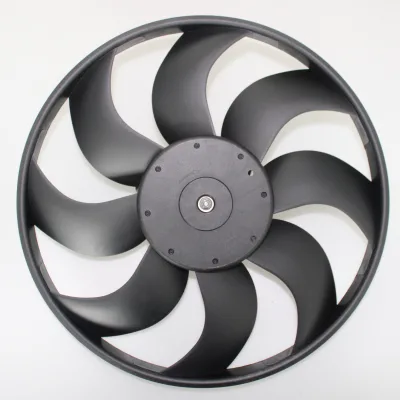
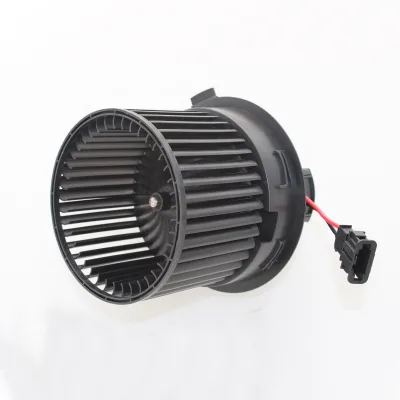


Radiator Cooling Fan Motor for Renault R21 7701029940 Ventilador De Motor
$5.50 - $15.00
MOQ: 300 Pieces


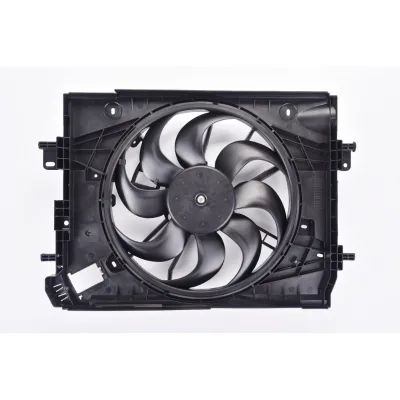
Comprehensive Sourcing Guide
Strategic Sourcing Guide For Renault Clio Radiator Fan Components
Understanding Component Specifications and Variants
When sourcing replacement parts for the Renault Clio, specifically focusing on the radiator fan assembly, buyers must navigate a landscape defined by specific model codes and material compositions. The core keyword "For Renault Clio Radiator Fan" implies a need for precision matching, as these components are not universally interchangeable across all vehicle generations. Based on observed market data, the specific part numbers associated with these cooling system components include 7701045816, 8200068115, 25380-1g100, 7701044185, and 21481-EL30A. Each of these identifiers corresponds to a distinct configuration within the cooling system architecture, necessitating a rigorous verification process before procurement.
The technical specifications for these units vary significantly regarding material composition and structural design. Some variants are constructed from EPDM rubber, a material often utilized for hoses and seals within the cooling assembly, while others are fabricated from iron or plastic. For instance, specific cooling fan components are noted to be made of plastic, which may influence their durability and thermal resistance properties compared to metal alternatives. The "Cold Style" attribute for certain units is listed as "Air-cooled," indicating the thermal management method employed by the component. Furthermore, the physical dimensions and fitment are critical; some specifications reference a standard of 420mm, while others adhere to "OEM Standard" or are developed based on custom drawings provided by the buyer.
The condition of the parts is consistently listed as "New," ensuring that the supply chain is focused on fresh inventory rather than refurbished units. The automatic nature of these components suggests they are integrated into an automated control system, likely responding to engine temperature sensors without manual intervention. The "Deck" attribute is identified as "Single," which may refer to the configuration of the fan blades or the mounting deck. Understanding these granular details is essential for ensuring that the procured parts are compatible with the specific Renault Clio model year and engine configuration.
Compliance, Certification, and Quality Standards
In the B2B procurement of automotive cooling components, verifying compliance with international and industry-specific standards is paramount. The market data indicates that suppliers for these parts often hold certifications such as ISO, TSCE, and ISOCCC. These certifications serve as a baseline for quality management systems and indicate that the manufacturing processes adhere to recognized protocols. Additionally, the "Standard Component" classification suggests that the parts meet general industry benchmarks for fit and function, though specific "prod_standard" values like "SGS" or "STD" are also referenced.
Buyers must be cautious when interpreting these certifications. While the presence of ISO certification is a strong indicator of a supplier's commitment to quality control, it does not automatically guarantee that every specific part number listed meets the exact performance requirements of a specific vehicle manufacturer without further validation. The "Standard" attribute is frequently mentioned, but buyers should verify if this refers to a generic industry standard or a specific OEM specification. The origin of these components is predominantly from Ningbo, China, and the China Mainland, regions known for high-volume automotive part manufacturing.
The "prod_standard" field also lists values such as "420mm," which, in this context, appears to be a dimensional specification rather than a regulatory standard. When evaluating suppliers, buyers should request documentation that explicitly links the ISO or SGS certifications to the specific part numbers in question. It is crucial to confirm that the "TSCE" and "ISOCCC" certifications cover the specific manufacturing processes used for the radiator fan assemblies, particularly regarding the materials used, such as EPDM rubber or plastic. Without this direct linkage, there is a risk of procuring components that, while certified in general, may not meet the specific thermal or mechanical demands of the Renault Clio cooling system.
Cost Drivers and Pricing Dynamics
The pricing For Renault Clio Radiator Fan components exhibits a wide range, observed between $0.05 and $65 USD. This significant variance is driven by several factors, including the material composition, the complexity of the part, and the specific part number involved. A component made of plastic or a simple rubber hose will naturally command a lower price point compared to a complex fan assembly or a unit requiring specialized casting techniques. The "Iron" material components, likely structural parts of the cooling system, may also carry different pricing dynamics due to the cost of raw materials and the "Casting" technics required for their production.
Minimum Order Quantity (MOQ) is another critical cost driver in this sector. The observed MOQ range spans from 1 to 300 units, with specific listings showing MOQs of 50 or 60 pieces. For buyers looking to minimize initial capital outlay, suppliers offering an MOQ of 1 are advantageous, though they may carry a higher unit cost. Conversely, bulk purchasing with an MOQ of 300 can significantly reduce the per-unit price, making it a viable strategy for large-scale fleet maintenance or aftermarket distribution. The "Packing" options, which can be customized or provided as "Neutral Packing" or "Carton," also influence the final cost. Customized packaging often incurs additional fees but may be necessary for branding or specific logistics requirements.
Lead times also play a role in the overall cost of procurement. The observed delivery time for these components is typically 8-15 days. This timeframe allows for production and shipping but requires buyers to plan their inventory carefully to avoid stockouts. The "After Market" designation indicates that these parts are intended for the replacement market rather than original equipment manufacturing, which can affect pricing strategies. Buyers should analyze the total cost of ownership, including shipping, packaging, and potential customs duties, rather than focusing solely on the unit price. The ability to customize the "prod_packing" to "Lito Packing" or "Upon Your Request" adds flexibility but may introduce variable costs depending on the complexity of the request.
Typical Applications and System Integration
The radiator fan components identified in the market data are integral to the vehicle's cooling system, designed to maintain optimal engine temperatures under various operating conditions. The "Type" attribute explicitly categorizes these parts under the "Cooling System," confirming their primary function. The "Muffler Type" is listed as "Rear Muffler" in some contexts, which might indicate a broader scope of cooling or exhaust-related components in the same product listing, though the primary focus remains on the radiator fan.
These components are specifically engineered for the "After Market," serving vehicle owners and repair shops seeking replacements for worn or damaged parts. The compatibility with part numbers like 7700801073, 7700824034, and 6006 001 231 suggests a wide range of applications across different Renault Clio models and engine types. The "Automatic" nature of the components implies they are part of an electronic control system, likely interfacing with the vehicle's ECU to activate cooling based on real-time temperature data.
The "Single" deck configuration suggests a specific fan blade arrangement, which is crucial for airflow efficiency. Buyers must ensure that the specific part number they select matches the "Deck" and "Cold Style" requirements of their target vehicle. The use of "EPDM" rubber and "Plastic" materials indicates that these parts are designed to withstand the thermal cycling and chemical exposure typical of an engine bay environment. The "Casting" technics used for iron components highlight the manufacturing complexity involved in creating durable structural parts. Understanding these application details ensures that the procured parts will integrate seamlessly into the vehicle's existing cooling architecture, preventing issues related to fitment or performance.
Supplier Evaluation and Operational Capabilities
Evaluating suppliers For Renault Clio Radiator Fan components requires a focus on their production capabilities, customization options, and logistical reliability. The market data reveals that suppliers offer "Customization" services, allowing buyers to request specific sizes, colors, and packaging. The "Color" is generally listed as "Black" or "as Required," providing flexibility for branding or aesthetic matching. The "prod_packing" options include "Neutral Packing," "Lito Packing," or "Carton," indicating a range of logistical solutions.
The "Brand" attribute is noted as "Lito" in some listings, which may refer to a specific manufacturer or a private label used by the supplier. However, buyers should not assume that all listed products carry this brand, as the "Brand" field can vary. The "Location" is consistently identified as "Ningbo, China" or "China Mainland," suggesting a concentration of manufacturing in this region. Buyers should verify the specific factory location and assess its proximity to major shipping ports to minimize lead times and shipping costs.
The "Automatic" attribute and "Casting" technics suggest that suppliers possess advanced manufacturing equipment and automated production lines. This capability is essential for maintaining consistency in part quality and meeting high-volume demand. The "Standard Component" classification implies that suppliers are capable of producing parts that meet general industry standards, but buyers should still request detailed technical drawings and specifications to ensure compatibility with specific Renault Clio models. The ability to develop parts "as Your Drawing" is a significant advantage for buyers with unique requirements or those looking to source custom-engineered solutions.
Quality Control and Long-Term Procurement Considerations
Ensuring the long-term reliability of procured radiator fan components requires a robust quality control strategy. The "Condition" is listed as "New," but buyers must implement their own inspection protocols to verify this claim upon receipt. The "Standard" and "prod_standard" attributes, including values like "SGS" and "STD," provide a framework for quality assurance, but they should be complemented by specific testing protocols. Buyers should request test reports or certificates of conformity that validate the performance of the EPDM rubber, plastic, and iron components under simulated operating conditions.
The "Delivery Time" of 8-15 days is a critical factor in supply chain planning. Buyers should establish clear communication channels with suppliers to monitor production progress and anticipate any potential delays. The "MOQ" range of 1 to 300 units offers flexibility, but buyers should consider the economic implications of ordering small quantities versus bulk purchases. For long-term procurement, establishing a relationship with a supplier that offers consistent quality and reliable lead times is more valuable than seeking the lowest unit price.
The "Packing" options, including "Neutral Packing" and "Carton," should be evaluated for their ability to protect the components during transit. Damaged parts due to poor packaging can lead to significant costs and delays. Buyers should also consider the "Customization" aspect, ensuring that any custom requests are clearly documented and agreed upon to avoid misunderstandings. The "Market" designation as "After Market" suggests that these parts are designed for durability and ease of installation, which are key factors for long-term satisfaction. By focusing on these quality control and procurement considerations, buyers can secure a reliable supply of high-quality radiator fan components for the Renault Clio.
FAQs
Can I request custom packaging for these radiator fan parts?
Yes, custom packaging is available for these components. Suppliers offer options such as neutral packing, Lito packing, or specific requests upon your order. This flexibility allows you to align the product presentation with your brand requirements or logistics needs.
What certifications do the suppliers typically hold for these parts?
Suppliers for these parts commonly hold ISO, TSCE, and ISOCCC certifications. These credentials indicate adherence to recognized quality management protocols. Buyers should verify that these certifications specifically cover the manufacturing processes for the requested part numbers.
How long is the standard delivery time for these cooling components?
The standard delivery time for these components is typically 8 to 15 days. This timeframe accounts for production and shipping from the origin in Ningbo, China. Buyers should plan their inventory accordingly to avoid stockouts during this period.
Which part numbers are compatible with the Renault Clio cooling system?
Compatible part numbers include 7701045816, 8200068115, 25380-1g100, 7701044185, and 21481-EL30A. Each identifier corresponds to a distinct configuration within the cooling system architecture. Rigorous verification is required before procurement to ensure fitment.
What materials are used to manufacture these radiator fan components?
These components are manufactured using materials such as EPDM rubber, iron, and plastic. The specific material depends on the part function, with rubber often used for hoses and plastic for fan assemblies. Iron is utilized for structural parts requiring casting techniques.
What is the minimum order quantity for these cooling system parts?
The minimum order quantity ranges from 1 to 300 units depending on the supplier. Specific listings show MOQs of 50 or 60 pieces for certain part numbers. Bulk purchasing can reduce per-unit costs, while lower MOQs suit smaller initial orders.
Are these parts available in new condition only?
Yes, the listed parts are consistently provided in new condition. The supply chain focuses on fresh inventory rather than refurbished units. This ensures that the components meet the performance and safety standards required for vehicle cooling systems.