Source Forged Ducktail Wing Body Kit for Track, Street, and Show
Source a Forged Ducktail Wing Body Kit from 30 verified listings. Compare materials like fiberglass and carbon fiber, fitment types, and delivery times for Aston Martin, Bentley, and Ferrari models to find the right upgrade for your vehicle; compare the available evidence and request quotations based on your requirements.
Key considerations
Products List
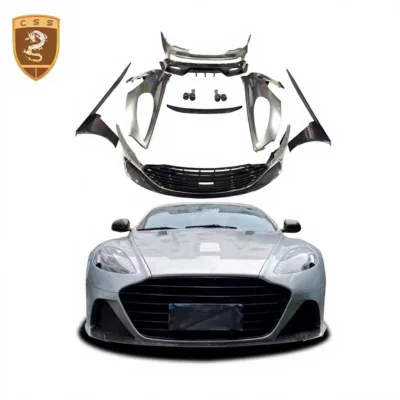
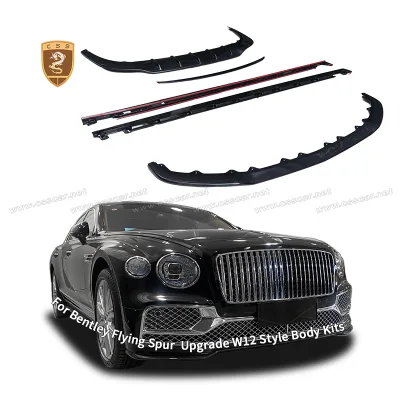
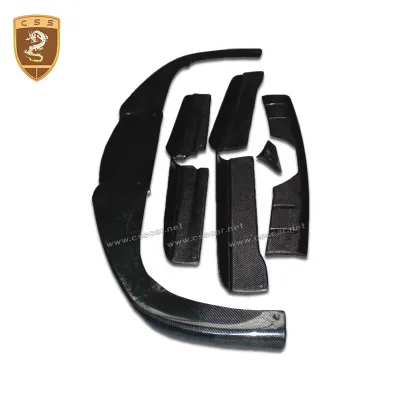
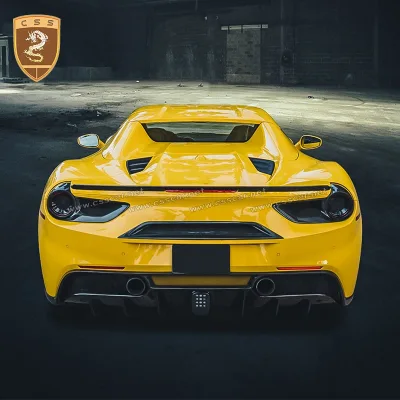
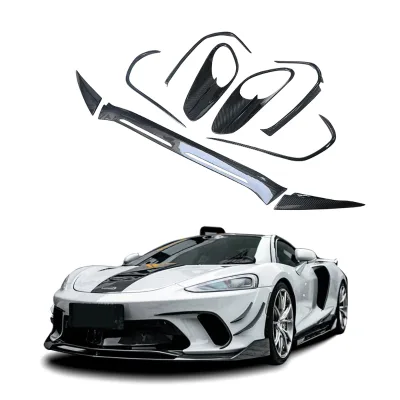


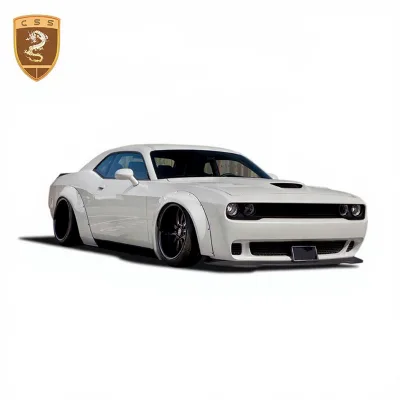


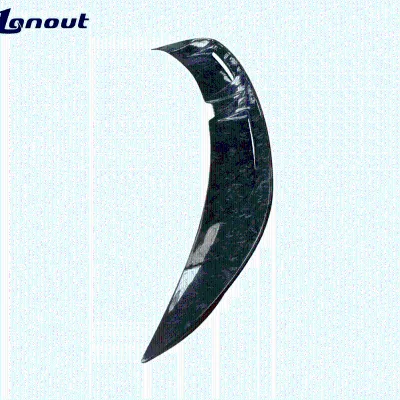
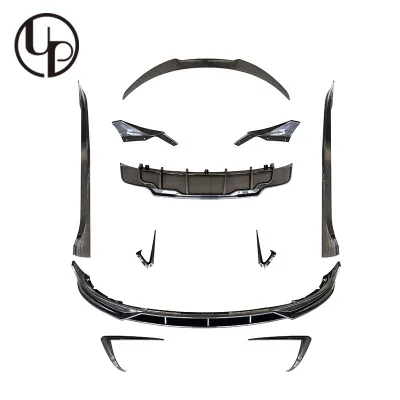
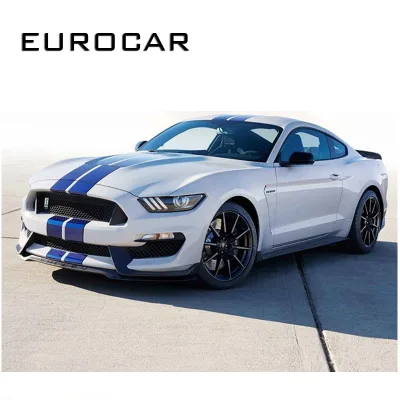


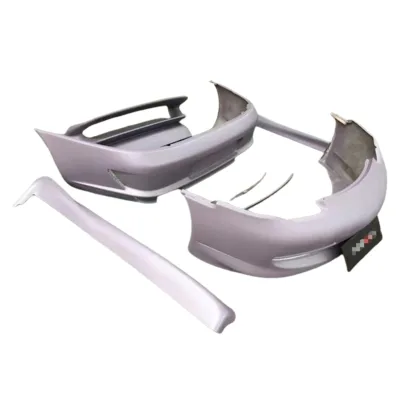
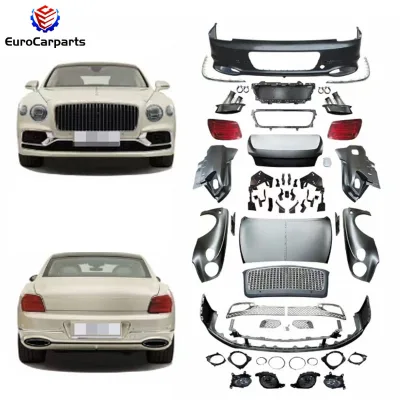
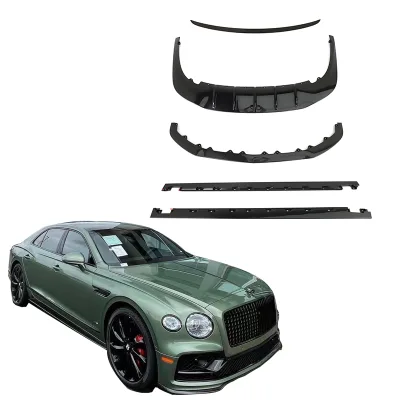
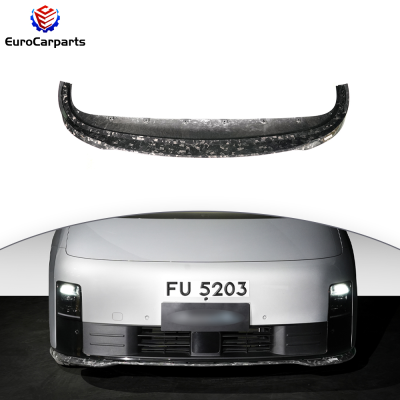
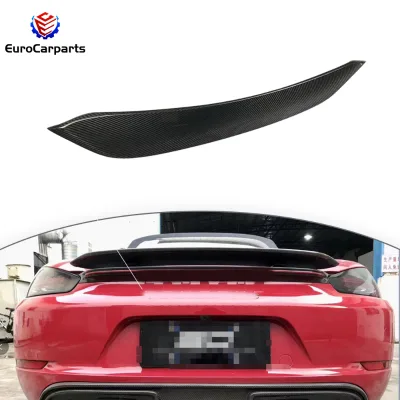
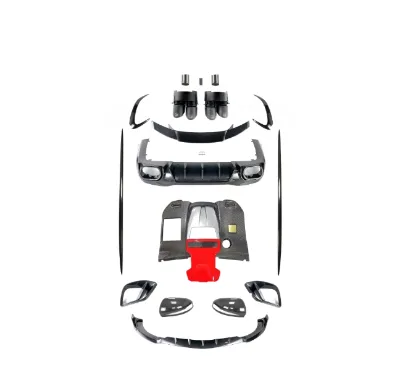
Comprehensive Sourcing Guide
Forged Ducktail Wing Body Kit Sourcing Guide
Procuring a Forged Ducktail Wing Body Kit requires distinguishing between genuine carbon fiber construction and standard fiberglass alternatives often mislabeled in listings. The supplied data indicates that while some body kits utilize fiberglass for cost efficiency, others explicitly specify dry carbon fiber or standard carbon fiber materials to achieve the necessary structural rigidity for high-performance aerodynamic components. Buyers must scrutinize material declarations to ensure the product matches the intended performance profile, as the weight and strength characteristics of forged carbon differ significantly from woven or chopped variants.
Verification of the specific vehicle compatibility is equally critical, as the observed listings show distinct fitment data for models like the Aston Martin DB9, Bentley Flying Spur, and Ferrari F430. A ducktail wing designed for one chassis often fails to align with the mounting points or aerodynamic contours of another, even within the same manufacturer. Sourcing teams should confirm that the product name and model number explicitly match the target vehicle to avoid costly retrofitting errors or the need for extensive custom fabrication during installation.
Product Scope and Observed Listing Signals
The market for aftermarket body kits displays a wide variance in pricing and minimum order quantities, with observed ranges spanning from $2.80 to $9,850 USD and MOQs starting as low as one set. This disparity often reflects differences in material quality, brand reputation, and the complexity of the molding process used to create the ducktail shape. Buyers should expect that premium listings featuring dry carbon fiber and specific styling cues like DBS or W12 styles will command higher price points compared to generic fiberglass options intended for basic aesthetic upgrades.
Installation requirements also vary significantly across the available inventory, with some products designed for original car hole installation while others may require bumper cut-outs for exhaust or tow hook integration. The presence of specific attachment types, such as screw-on mechanisms, and included items like screws, suggests a level of completeness in the package that reduces the need for additional hardware procurement. However, the absence of universal fitment confirms that these components are highly specialized, necessitating precise matching between the product specifications and the vehicle's existing body geometry.
Technical Specifications to Verify
Material composition is the primary technical differentiator for ducktail wings, with listings explicitly citing fiberglass, dry carbon fiber, and standard carbon fiber as available options. Each material offers distinct trade-offs between weight reduction, impact resistance, and cost, requiring buyers to align the specification with their performance goals. For instance, dry carbon fiber provides superior stiffness-to-weight ratios ideal for track applications, whereas fiberglass may suffice for street use where cost is a primary constraint.
Dimensional accuracy and packaging metrics are equally vital for logistics planning and installation success. The observed data includes specific packaging dimensions of 2058254cm and standard sizes, which directly influence shipping costs and storage requirements. Buyers must verify that the listed size matches the vehicle's requirements and that the packaging is robust enough to protect the fragile composite material during transit, especially given the long lead times of 15 to 30 days often associated with custom manufacturing.
Compliance and Safety Documentation
While the provided listings do not explicitly detail third-party safety certifications, the nature of high-performance body kits implies a need for structural integrity verification. Buyers should request evidence that the components meet relevant automotive safety standards for aerodynamic add-ons, ensuring that the wing can withstand high-speed aerodynamic loads without failure. The absence of stated certifications in the source data necessitates a proactive inquiry to the supplier regarding their internal quality control processes and any testing performed on the final product.
Warranty terms serve as a proxy for manufacturer confidence in product durability, with observed listings offering a six-month warranty period. This coverage typically addresses defects in material or workmanship but may not cover damage resulting from improper installation or collision. Procurement teams must carefully review the warranty conditions to understand the scope of protection, ensuring that the supplier stands behind the quality of the carbon fiber or fiberglass construction and that the terms are clear regarding claims processing and replacement logistics.
Cost Drivers and Commercial Terms
Payment terms and delivery timelines are significant factors in the total cost of ownership for these specialized automotive components. The observed data indicates that suppliers accept Western Union and Telegraphic Transfer (TT), which are standard but require careful financial management to mitigate risk. Additionally, delivery times range from 7 to 15 days for some items to 15 to 30 days for others, reflecting the complexity of the manufacturing process and the availability of raw materials like carbon fiber.
The pricing structure often includes ex-works terms, meaning the buyer is responsible for all shipping, insurance, and customs duties from the point of origin in Guangdong, China. This arrangement can lead to unexpected cost overruns if logistics are not meticulously planned. Buyers should calculate the total landed cost by factoring in freight charges, potential tariffs, and the cost of any necessary modifications to ensure the final expenditure aligns with the project budget before committing to a purchase order.
Supplier Qualification and Quality Control
Supplier location and production capacity are key indicators of reliability, with the observed data confirming that products originate from Guangdong, China, a major hub for automotive aftermarket manufacturing. Buyers should verify the supplier's ability to maintain consistent quality across batches, particularly when sourcing materials like dry carbon fiber which can vary in weave pattern and resin content. The presence of specific model numbers and brand names like CSS suggests a level of specialization, but due diligence is required to confirm the supplier's track record with similar high-end vehicle applications.
Quality control processes should be validated through requests for photos of the actual production line or third-party inspection reports. The listings mention high-quality standards and perfect fitment, but these are assertions that must be backed by tangible evidence. Buyers should insist on pre-shipment inspections to verify that the attachment points, surface finish, and overall dimensions match the provided specifications, ensuring that the product will integrate seamlessly with the vehicle's body without requiring extensive modification.
Long-Term Procurement Checks
Establishing a reliable supply chain for body kits requires monitoring the consistency of delivery times and the stability of pricing over multiple orders. The observed lead times of 15 to 30 days can fluctuate based on raw material availability and production load, so buyers should maintain open communication channels with the supplier to anticipate delays. Regular reviews of the supplier's performance against agreed-upon timelines and quality benchmarks will help identify potential issues before they impact the procurement schedule.
Future-proofing the procurement strategy involves verifying the availability of spare parts and the longevity of the product design. As vehicle models evolve or production lines change, the continued availability of specific body kits like those for the Aston Martin DB9 or Ferrari F430 may become uncertain. Buyers should negotiate agreements that include provisions for long-term support, ensuring that replacement parts or updated versions of the ducktail wing remain accessible for the lifespan of the vehicle fleet.
FAQs
What material is used for the Forged Ducktail Wing Body Kit?
The Forged Ducktail Wing Body Kit is constructed from high-strength fiberglass or dry carbon fiber. These materials provide excellent durability and a lightweight profile. The fiberglass option offers cost-effective strength, while the dry carbon fiber variant ensures superior rigidity and a premium finish for high-performance vehicle upgrades.
How is the Forged Ducktail Wing Body Kit installed on the vehicle?
Installation utilizes an original car hole setup with screw-on attachment types. The kit includes necessary screws for secure mounting. This method ensures a precise fit without requiring extensive modifications to the vehicle's existing structure, allowing for a straightforward retrofit or upgrade process for enthusiasts.
Which car models are compatible with the Forged Ducktail Wing Body Kit?
The kit is designed for specific high-end models including the Aston Martin DB9, Bentley Flying Spur, and Ferrari F430. It is not universal and requires exact fitment. Buyers must verify their specific car make and model number to ensure the body kit aligns correctly with their vehicle's dimensions and styling requirements.
Can the Forged Ducktail Wing Body Kit be customized for different styles?
Yes, the kit is available in distinct styles such as DBS Style, W12 Style, and HM Style. These variations allow buyers to choose a look that matches their preference. The product is new and comes in standard sizes, ensuring that the aesthetic enhancement aligns with the specific model's design language.
What is the typical lead time for ordering the Forged Ducktail Wing Body Kit?
The delivery time typically ranges from 7 to 30 days depending on the specific supplier and product variant. Standard packaging is used for shipping. Buyers should confirm the exact lead time with the supplier, as production schedules and shipping logistics can influence the final delivery date for international orders.
What is the minimum order quantity for the Forged Ducktail Wing Body Kit?
The minimum order quantity is generally 1 set or 1 piece. This low MOQ allows individual buyers and small workshops to purchase single units easily. It supports both retail upgrades and small-scale commercial projects without requiring bulk commitments, making it accessible for various automotive customization needs.