Source Forged Hydraulic Drilling Whipstock for Oilfield Drilling, Well Drilling Casing, and Natural Gas
Compare 30 listings for Forged Hydraulic Drilling Whipstock from suppliers in Shandong. These tools support oilfield drilling, well drilling casing, and natural gas applications with customizable connections and surface treatments.
Key considerations
Products List

Rigid Integral Hydraulic Pressure Window Directional Casing Drilling Whipstock
$1100.00 - $1800.00
MOQ: 1 Pieces

Drilling System One Trip Hydraulic Sidetracking Casing Integrated Whipstock
$1100.00 - $1800.00
MOQ: 1 Pieces

API Spec Oilfield Downhole Casing String Window Mills Hydraulic Whipstock
$1100.00 - $1800.00
MOQ: 1 Pieces

API Spec Oilfield Downhole Window Cutting Casing Deflector Hydraulic Whipstock
$1100.00 - $1800.00
MOQ: 1 Pieces

API Oilfield Downhole Window Cutting Casing Deflector Hydraulic Whipstock
$1100.00 - $1800.00
MOQ: 1 Pieces

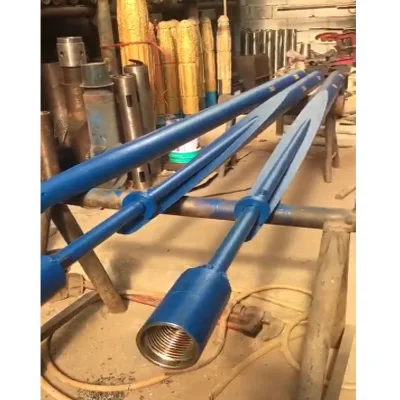
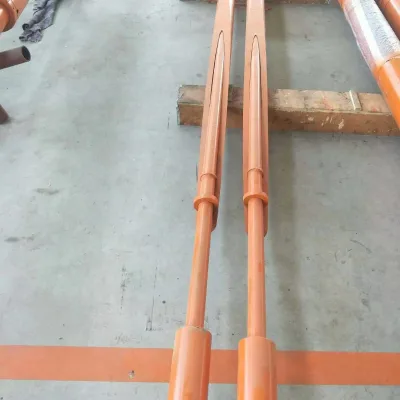
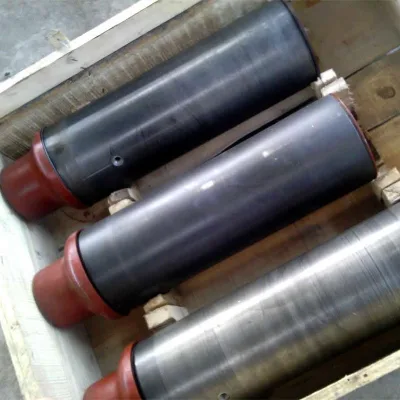
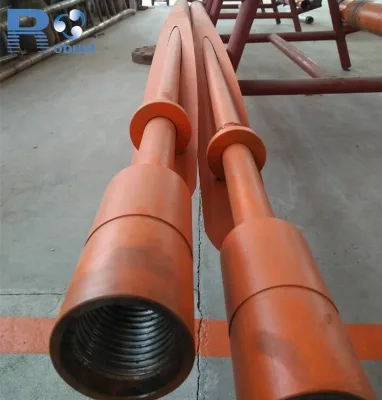
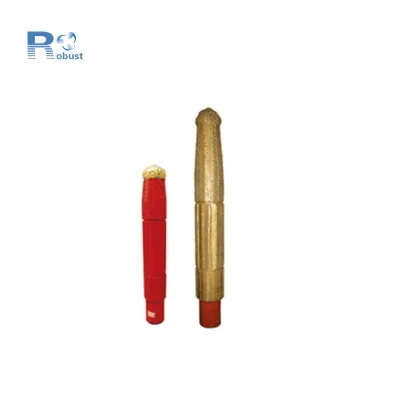

Integral Hydraulic Pressure Whipstock for Directional Drilling Whipstock
$2000.00 - $8000.00
MOQ: 1 Pieces


Sidetracking Window Tools API Integral Hydraulic Pressure Whipstock for Oilfield
$2500.00 - $10000.00
MOQ: 1 Pieces

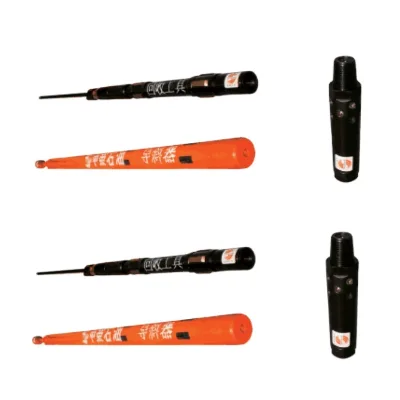


Durable Casing Hydraulic Pressure Whipstock for Efficient Oil Deviator Operations
$4300.00 - $4500.00
MOQ: 2 Pieces


Weatherford 5 1/2" Mechanical Drilling Whipstock with Anchor Defelector
$1900.00 - $8000.00
MOQ: 1 Sets
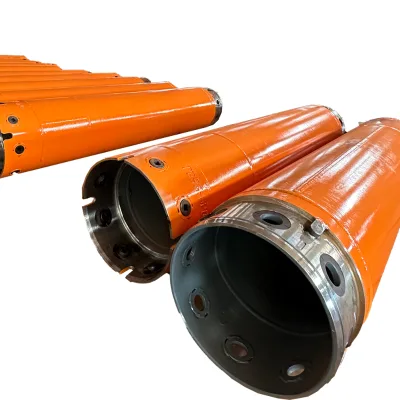
Comprehensive Sourcing Guide
Strategic Sourcing Guide for Forged Hydraulic Drilling Whipstocks
Understanding the Core Product and Technical Architecture
A Forged Hydraulic Drilling Whipstock is a specialized downhole tool designed to deviate a wellbore from its original vertical or directional path. The fundamental architecture of this equipment relies on a robust mechanical body, typically constructed through a forging process to ensure superior grain structure and tensile strength compared to cast alternatives. This manufacturing method is critical for withstanding the extreme mechanical stresses encountered during well intervention and directional drilling operations. The product is engineered to be set inside a casing string, where a hydraulic mechanism activates a wedge or ramp to guide the drill bit toward a new trajectory.
The technical specifications for these tools vary significantly based on the specific well requirements. Observed data indicates that the product diameter can range from 3 1/2 inches up to 8 inches, accommodating various casing internal diameters (ID). For instance, specific configurations are noted for casing IDs between 216.8 mm and 228.7 mm, with a chamfer length of 300 mm to facilitate smooth entry of the drilling assembly. The connection interface is a vital specification, with common thread types including Reg, API, IF, NC, and FH. A specific example of a thread specification is 6 5/8 Reg, which dictates the compatibility with existing wellhead equipment. The material composition is a primary determinant of performance; while some units are fabricated from Carbon Steel, others utilize high-grade Alloy or specific grades like 4145H to enhance durability and resistance to wear. The operating pressure is generally atmospheric during the setting phase, but the tool must withstand downhole pressures during the actual drilling process.
Compliance, Certification, and Standard Verification
In the oilfield drilling sector, compliance with international standards is not merely a formality but a prerequisite for operational safety and liability management. Buyers must verify that the whipstock meets the API (American Petroleum Institute) standards, which are the industry benchmark for drilling equipment. The presence of an API certificate is a high-confidence indicator of a supplier's adherence to these rigorous quality protocols. While some market data references ISO 13503, this standard is often associated with specific directional drilling components, and buyers should confirm if the specific whipstock model aligns with this or other relevant ISO standards for the intended application.
The standardization of the product is often customizable, meaning that while the base design may follow API guidelines, the final specifications can be tailored to the client's unique well conditions. However, this customization must not compromise the core safety certifications. When evaluating a supplier, the procurement team should request documentation proving that the forging process and the final heat treatment align with the material grades specified, such as 4145H. The warranty period, which can range from 1 year to 1.5 years, serves as a secondary indicator of the manufacturer's confidence in their compliance and quality control processes. A lack of clear certification documentation or a refusal to provide traceability for the material grade should be treated as a significant red flag during the vetting process.
Cost Drivers and Pricing Dynamics
The pricing structure for forged hydraulic drilling whipstocks is highly variable, influenced by a complex matrix of factors including material costs, manufacturing complexity, and customization requirements. The observed price range in the market spans from approximately $11 to $420,000 USD. This vast disparity is not indicative of quality variance alone but reflects the difference between small, single-piece components and large, fully integrated, custom-engineered systems. A unit priced at the lower end of the spectrum may be a standard, off-the-shelf item with minimal customization, whereas the higher-end figures likely correspond to large-diameter tools, specialized alloy compositions, or complex hydraulic systems designed for deep-well applications.
Several specific cost drivers must be analyzed during the budgeting phase. The material grade is a primary factor; tools made from high-grade alloys or 4145H steel will inherently cost more than those made from standard carbon steel. The manufacturing process, specifically the forging method, adds value but also increases the base cost compared to casting. Additionally, the surface treatment, such as spray-painting, and the specific packaging requirements, like wooden crates or crated boxes, contribute to the final landed cost. The weight of the unit, which can range from 8 kg to 150 kg or more, directly impacts shipping and logistics expenses. Buyers should also consider the supply ability of the manufacturer; a supplier with a capacity of 300 pieces per quarter may have different pricing dynamics compared to one capable of supplying 10,000 pieces per month, reflecting economies of scale versus specialized, low-volume production.
Typical Applications and Operational Scope
The primary application for forged hydraulic drilling whipstocks is well drilling, specifically for directional drilling operations where the wellbore needs to be steered away from a vertical path. These tools are essential for sidetracking existing wells, bypassing damaged sections of casing, or accessing new reservoir zones that are not aligned with the original well trajectory. The versatility of the product allows it to be used in various fluid environments, including well drilling casing, mud, water, natural gas, and crude oil. This broad applicability makes the whipstock a critical component in both exploration and production phases of oilfield operations.
The operational scope extends beyond simple deviation. The tool is designed to work in conjunction with specific drilling assemblies and must be compatible with the existing casing string. The connection types, such as Reg, NC, IF, and FH, ensure that the whipstock can be integrated into a wide range of drilling rigs and wellhead configurations. The "Use" attribute often lists "Well Drilling Casing," indicating that the tool is set within the casing to create a window or guide for the drill bit. The hydraulic mechanism allows for precise control over the angle of deviation, which is crucial for optimizing reservoir contact and minimizing drilling risks. Whether the application involves shallow water wells or deep natural gas extraction, the whipstock serves as the mechanical pivot point for the entire directional drilling strategy.
Supplier Evaluation and Geographic Considerations
When selecting a supplier for forged hydraulic drilling whipstocks, buyers must look beyond the product specifications to evaluate the supplier's operational capabilities and geographic footprint. The place of origin for many of these tools is identified as Shandong, China, specifically the Dongying region, which is a known hub for oilfield equipment manufacturing. This geographic concentration suggests a mature supply chain with access to specialized raw materials and skilled labor. However, buyers should verify the specific location of the manufacturing facility to ensure it aligns with their logistical requirements and risk tolerance.
Key evaluation criteria include the supplier's supply ability, which can range from 300 pieces per quarter to 10,000 pieces per month. This metric indicates the supplier's capacity to handle large orders and maintain consistent delivery schedules. The minimum order quantity (MOQ) is another critical factor; observed data shows an MOQ as low as 1 piece or 1 set, which is beneficial for buyers needing single units for specific projects. The brand name, such as "Robust," may indicate a specific manufacturer, but buyers should focus on the tangible capabilities rather than brand reputation alone. Furthermore, the availability of video outgoing-inspection services is a valuable feature, allowing buyers to visually verify the quality and condition of the product before shipment. The port of dispatch, typically Qingdao or Tianjin, should be factored into the logistics planning to estimate lead times accurately.
Quality Control and Inspection Protocols
Ensuring the quality of a Forged Hydraulic Drilling Whipstock requires a rigorous inspection protocol that covers the entire manufacturing lifecycle. The manufacturing process, specifically forging, must be monitored to ensure the grain flow of the metal follows the contours of the tool, maximizing its strength. Surface treatments, such as spray-painting, are not merely cosmetic; they provide a protective layer against corrosion, which is vital for tools exposed to harsh downhole environments. The packaging details, often involving wooden packs or crated boxes, must be robust enough to protect the tool during transit, especially given the single gross weight can vary significantly.
Buyers should demand comprehensive quality control documentation, including material test reports (MTRs) that verify the chemical composition and mechanical properties of the steel used. The warranty period, ranging from 1 to 1.5 years, is a contractual commitment to quality, but it should be backed by a clear defect resolution process. The availability of video outgoing-inspection is a modern quality assurance tool that allows for real-time verification of the product's condition. Additionally, the single package size, which can be as large as 60x80x40 cm, must be verified to ensure it meets the shipping constraints of the buyer's logistics network. A thorough quality control check should also include a visual inspection of the thread connections to ensure they meet the specified API or custom standards without defects that could compromise the seal or structural integrity.
Long-Term Procurement and Lifecycle Management
Long-term procurement of forged hydraulic drilling whipstocks involves more than just the initial purchase; it requires a strategic approach to lifecycle management and supply chain stability. The customization of the product standard allows for future adaptations as well designs evolve, but buyers must ensure that the supplier can maintain this flexibility over time. The market is global, and the supply ability of the manufacturer must be sufficient to support ongoing drilling projects without causing delays. The warranty terms, while important, should be viewed as part of a broader relationship that includes technical support and spare parts availability.
Buyers should consider the total cost of ownership, which includes not only the purchase price but also the costs associated with installation, maintenance, and potential replacement. The weight and dimensions of the tool impact handling and storage costs, which can be significant over multiple projects. The supply ability of 10,000 pieces per month suggests a high-volume supplier capable of supporting large-scale operations, whereas a lower capacity might be suitable for niche, specialized projects. Establishing a long-term partnership with a supplier who offers customizable standards and reliable video inspection services can mitigate risks associated with quality inconsistencies. Ultimately, the goal is to secure a supply chain that ensures the availability of high-quality, certified whipstocks that meet the evolving demands of the oilfield drilling industry.
FAQs
What is the typical price range for forged hydraulic drilling whipstocks?
The observed price range spans from 11 to 420,000 USD depending on specifications. This vast disparity reflects differences between standard components and large, custom-engineered systems designed for deep-well applications.
Which certifications are available for these drilling tools?
Products can be certified with API standards, which are the industry benchmark for drilling equipment. Some listings also mention customizable standards, but API certification is the primary high-confidence indicator of quality.
Can buyers customize the product specifications and dimensions?
Yes, customization is available for standards, colors, and specific product models. Buyers can request tailored dimensions, such as diameters ranging from 3 1/2 to 8 inches, to fit unique well conditions.
What are the minimum order quantities for purchasing these tools?
The minimum order quantity can be as low as 1 piece or 1 set. This low threshold benefits buyers needing single units for specific projects without committing to large bulk orders.
Where are these forged drilling tools typically manufactured?
The place of origin is frequently identified as Shandong, China, specifically the Dongying region. This area is a known hub for oilfield equipment manufacturing with a mature supply chain.
What materials are used to construct these hydraulic whipstocks?
Materials include Carbon Steel, Alloy, and specific grades like 4145H to enhance durability. The forging process ensures superior grain structure and tensile strength compared to cast alternatives.