Source Forging Alloy Manual Gate Valve for Water, Power, Petrochem
Compare 30 available Forging Alloy Manual Gate Valve options from verified Chinese suppliers. Buyers can review specifications including pressure classes, materials like carbon steel and cast iron, and actuator types for industrial flow control applications.
Key considerations
Products List


$60.10 - $65.90
MOQ: 20 Pieces


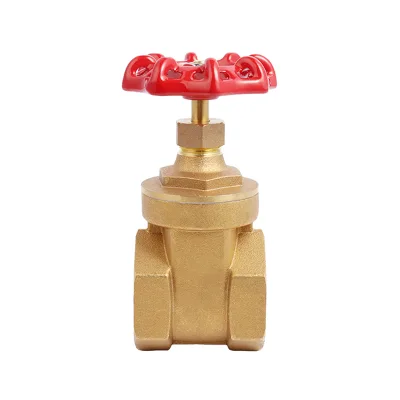


Aluminum Handle Stop Gate Valve with Brass Valve Body for Manual Control
$2.23 - $2.53
MOQ: 3000 Pieces


Comprehensive Sourcing Guide
Strategic Sourcing Guide for Forging Alloy Manual Gate Valves
Understanding the Technical Landscape of Manual Gate Valves
The procurement of forging alloy manual gate valves requires a precise understanding of the mechanical and material attributes that define their operational integrity. In the current market, these valves are primarily engineered for flow control and regulation within industrial environments. The core distinction in this category lies in the actuation method and the body construction. While many manual gate valves operate with a simple handwheel mechanism, the specific market segment for forging alloy variants often presents a duality in actuation specifications. Buyers must verify whether the unit is strictly manual or if electric actuation options are being conflated in the product listing, as the observed data indicates a mix of "Manual" and "Electric" actuator types across similar model numbers.
The material composition is a critical differentiator. The supply chain for these valves frequently lists "Carbon Steel" and "Cast Iron" as primary materials. For applications requiring high strength and resistance to stress, the forged carbon steel variant is generally preferred over cast iron. The forging process, as indicated by specific model designations like "forging gate valve 01" and "forged gate valve 01," implies a manufacturing method that aligns the grain structure of the metal, offering superior mechanical properties compared to casting. This is particularly vital for high-pressure applications where structural failure is not an option.
The connection forms observed in the market data include both "Flange" and "Thread" configurations. The selection between these two depends heavily on the piping system design. Flange connections, often associated with larger sizes and higher pressure classes, provide a robust sealing surface that is easier to maintain and disassemble. Thread connections, typically found in smaller bore sizes ranging from 3/8" to 2", offer a compact solution but require careful attention to thread integrity and sealing methods. The size range for these valves is extensive, spanning from small bore units like 1/2" to 2" up to large industrial diameters such as DN50 to DN600, with specific inch measurements like 2.5" and 16" appearing in the inventory.
Compliance Standards and Certification Verification
Navigating the compliance landscape for industrial valves is essential to ensure that the purchased equipment meets international safety and performance requirements. The market data reveals a complex matrix of standards that buyers must verify against their project specifications. The most frequently cited standards include "ANSI," "API," "DIN," "BS," and "JIS." Specifically, the API 6D standard is highlighted as a key certification, which governs the manufacturing of pipeline valves. Additionally, specific model standards such as "API602," "Bs5352," and "ANSI B16.34" are noted, indicating that different valve models adhere to different regulatory frameworks depending on their intended use and pressure class.
Certification bodies play a significant role in validating the quality of these valves. The observed data lists "API 6D," "CE," and "ISO9001" as available certificates. While "CE" and "ISO 9001" are mentioned in the context of general background knowledge, the explicit presence of API 6D in the high-confidence facts suggests that many suppliers in this sector are capable of providing valves that meet pipeline industry requirements. However, buyers must exercise caution and request current, valid certificates for the specific batch of valves being purchased, as certification status can vary between suppliers and even between product lines within the same factory.
The pressure class is another critical compliance metric. The data indicates a range from "150lb to 2500lb," covering a vast spectrum of industrial pressures. This range suggests that the market offers valves suitable for both ordinary pressure applications and more demanding high-pressure scenarios. The temperature ratings also vary, with listings for both "High Temperature" and "Ordinary Temperature" conditions. When sourcing, it is imperative to match the valve's temperature and pressure ratings to the specific process conditions of the facility. Mismatching these parameters can lead to premature failure, safety hazards, and non-compliance with local regulations.
Cost Drivers and Pricing Dynamics in the Global Market
The pricing structure for forging alloy manual gate valves is influenced by a multitude of factors, including material costs, manufacturing complexity, and logistical expenses. The observed price range in the market is exceptionally wide, spanning from $0.89 to $99,999. This disparity is not indicative of quality variance alone but reflects the vast differences in size, pressure class, material grade, and customization levels. A small, threaded, ordinary pressure valve will naturally command a lower price than a large, flanged, high-pressure, custom-forged unit.
Material costs are a primary driver of the final price. Carbon steel and cast iron prices fluctuate based on global commodity markets, directly impacting the cost of the valve body. Furthermore, the forging process itself is more labor-intensive and energy-consuming than casting, which can increase the base cost of forged valves compared to their cast counterparts. Customization is another significant cost factor. The market data confirms that "Customization: Available" is a standard offering. Custom drawings, specific material grades, or unique sealing surface requirements (such as the "Wedge Gate Valve" seal surface mentioned) will add to the production time and cost.
The Minimum Order Quantity (MOQ) also plays a role in the effective unit price. The observed MOQ range is from 1 to 3000 units. Buyers purchasing small quantities may face higher per-unit costs due to the setup costs associated with the forging and machining processes. Conversely, bulk orders can leverage economies of scale to reduce the unit price. However, buyers must be wary of suppliers who offer extremely low prices with high MOQs, as this may indicate compromised quality or the use of substandard materials.
Logistics and packaging also contribute to the overall cost. The data indicates that "Standard Export Wooden Case" and "Wooden Package After Mandatory Treatment" are common packaging methods. These protective measures are essential for preventing damage during transit, especially for heavy forged valves, but they add to the shipping weight and cost. Additionally, the origin of the product, primarily "China" with specific hubs in "Ningbo" and "Shandong," influences the lead time and freight costs. Buyers should factor in these logistical variables when calculating the total cost of ownership.
Typical Applications and Operational Environments
Forging alloy manual gate valves are designed for a diverse array of industrial applications, ranging from general water distribution to complex petrochemical processing. The observed data lists "Industrial Usage" and "Water Industrial Usage" as primary applications, but the scope extends further into specialized fields such as "Metallurgy," "Light Industrial," "Electric Power," and "Petrochemical." This versatility makes these valves a staple in industries where reliable flow control is critical.
In the water industry, these valves are often used for isolation and flow regulation in pipelines carrying potable water, wastewater, or industrial process water. The "Media: Water" attribute confirms their suitability for this application. However, the ability to handle "High Temperature" conditions suggests that they are also employed in steam systems or hot water loops where standard valves might fail. The "Straight-through" flow type design minimizes pressure drop, making them efficient for applications where maintaining flow velocity is important.
The petrochemical and power generation sectors demand valves that can withstand harsh conditions, including high pressures and corrosive media. The "150lb to 2500lb" pressure class range and the availability of "API 6D" certification make these valves suitable for pipeline service in oil and gas transmission. In metallurgy and electric power plants, the robust construction of forged valves ensures longevity in environments with high thermal stress and mechanical vibration. The "Regulation" usage attribute indicates that these valves can also be used for throttling, although gate valves are generally preferred for full open or full close service rather than precise flow modulation.
Supplier Evaluation and Geographic Considerations
When evaluating suppliers for forging alloy manual gate valves, buyers must look beyond the basic product specifications to assess the supplier's manufacturing capabilities and geographic footprint. The data indicates that the primary production hubs are located in "China," with specific mentions of "Ningbo" and "Shandong." These regions are known for their established manufacturing ecosystems and expertise in valve production. However, the presence of multiple origins suggests that buyers should verify the specific factory location to ensure it aligns with their quality expectations and logistical needs.
Supplier evaluation should focus on the ability to provide customization and adherence to standards. The "Customization: Available" attribute is a positive indicator, suggesting that suppliers are flexible and capable of meeting specific project requirements. Buyers should request detailed information on the supplier's quality control processes, including how they verify material grades and perform pressure testing. The "Forging Gate Valve: as Per Drawings" attribute highlights the importance of working with suppliers who can strictly follow engineering specifications.
Geographic location also impacts lead times and shipping costs. The "Delivery Detail" of "20~45 Days According to The Specific Quantities" provides a baseline for planning. However, buyers should confirm this timeline with the specific supplier, as it can vary based on order size, material availability, and production scheduling. The "Standard Export Wooden Case" packaging is a standard practice in the region, ensuring that valves are protected during international transit. Buyers should also consider the supplier's experience with international standards and their ability to provide necessary documentation for customs clearance.
Quality Control and Long-Term Procurement Strategy
Ensuring the quality of forging alloy manual gate valves requires a rigorous approach to quality control and long-term planning. The "Seal Surface: Wedge Gate Valve" specification is a critical quality indicator, as the integrity of the seal determines the valve's ability to prevent leaks. Buyers should verify that the sealing surfaces are machined to precise tolerances and that the wedge design is compatible with the valve body material. The "Thread Position of Valve Rod" attribute, which appears as both "Outside Gate Valve" and "Inside Gate Valve," is another quality consideration. Outside rising stems are generally preferred for visibility of the valve position, while inside rising stems are used in space-constrained applications.
Long-term procurement considerations involve establishing a relationship with a reliable supplier who can provide consistent quality over time. The "prod_packing" attributes, such as "Wooden Case" and "Standard Export Wooden Case," indicate that the supplier understands the need for robust packaging to prevent damage. However, buyers should also inquire about the supplier's after-sales support, including warranty terms and availability of spare parts. The "Usage: Flow Control" and "Usage: Regulation" attributes suggest that these valves are critical components in the plant's operation, making reliability a top priority.
To mitigate risks, buyers should implement a multi-stage quality control process. This includes pre-shipment inspections, material verification, and pressure testing. The "API 6D" and "ISO9001" certifications are strong indicators of a supplier's commitment to quality, but they should be treated as baseline requirements rather than guarantees. Buyers must conduct their own due diligence, including reviewing test reports and visiting the manufacturing facility if possible. By focusing on these quality control measures and maintaining a strategic approach to supplier relationships, buyers can ensure the long-term reliability and performance of their Forging Alloy Manual Gate Valve investments.
FAQs
What materials are used for forging alloy manual gate valves?
Carbon steel and cast iron are the primary materials used. Carbon steel is preferred for high strength and stress resistance, while cast iron is used for specific applications requiring different mechanical properties.
Which connection forms are available for these valves?
Flange and thread connections are available. Flange connections suit larger sizes and higher pressures, while thread connections are typically found in smaller bore sizes ranging from 3/8 inch to 2 inches.
Can these valves handle high temperature conditions?
Yes, some models are rated for high temperature conditions. Others are designed for ordinary temperature applications, so buyers must match the specific rating to their process requirements.
What certifications are available for these valves?
API 6D, CE, and ISO9001 certifications are available. Buyers should verify current certificates for specific batches as certification status can vary between suppliers and product lines.
How long is the delivery time for these valves?
Delivery takes 20 to 45 days depending on specific quantities. The timeline varies based on order size, material availability, and production scheduling at the manufacturing facility.
What is the minimum order quantity for these valves?
The minimum order quantity ranges from 1 to 3000 units. Small quantities may incur higher per-unit costs due to setup, while bulk orders benefit from economies of scale.
Which standards do these valves comply with?
Valves comply with ANSI, API, DIN, BS, and JIS standards. Specific models may adhere to frameworks like API602 or ANSI B16.34 depending on their intended use and pressure class.