Source High Absorption Magnesium Citrate Capsules for Health Care, Food, and Supplements
Compare 30 listings for High Absorption Magnesium Citrate Capsules from verified Chinese manufacturers. Buyers can evaluate certifications like FDA and ISO, customization options, and packaging details for health care and food applications.
Key considerations
Products List


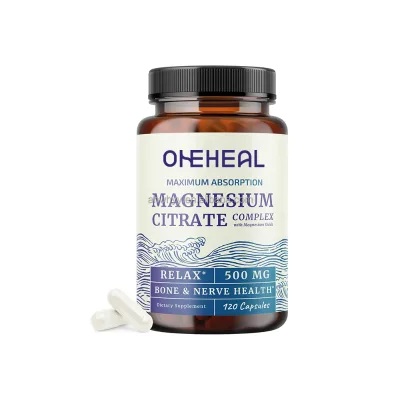
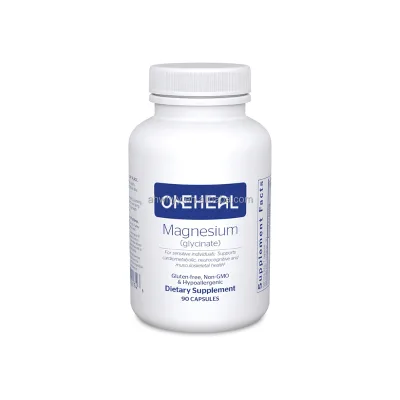


OEM Super Magnesium Supplement Vitamin Citrate Threonate Magnesium Complex Capsules
$0.02 - $0.03
MOQ: 100000 Capsules

OEM Magnesium Citrate Powder Capsule Tablets Natural Sleep Calm Relax Capsules
$0.02 - $0.03
MOQ: 100000 Capsules


Premium 300mg Magnesium Glycinate Malate Citrate Capsules for Relaxation
$2.60 - $3.50
MOQ: 100 Pieces


High Absorption Triple Magnesium Complex Capsule with Magnesium Glycinate Malate and Citrate
$0.01 - $0.05
MOQ: 100000 Pieces

Immune Boost Magnesium Potassium Bespoke Supplements Delayed Release Granular Capsules
$0.02 - $0.13
MOQ: 300000 Pieces


Comprehensive Sourcing Guide
High Absorption Magnesium Citrate Capsules Sourcing Guide
Sourcing High Absorption Magnesium Citrate Capsules requires a disciplined approach to verifying raw material quality, manufacturing standards, and supply chain transparency. Buyers in the health care and food sectors must navigate a market where product attributes vary significantly between suppliers, even when the core ingredient remains consistent. The following guide provides evidence-based procurement strategies to ensure that the final product meets stringent quality, safety, and performance expectations.
This document focuses on actionable verification steps rather than general marketing claims. It draws exclusively from observed listing signals and trusted category knowledge to help procurement professionals make informed decisions. By understanding the technical specifications, compliance requirements, and commercial terms associated with magnesium citrate capsules, buyers can mitigate risk and secure reliable supply chains for their private label or bulk distribution needs.
Product Scope and Observed Listing Signals
The observed market for magnesium citrate capsules reveals a diverse range of product configurations, primarily targeting health care products and food applications. Listings indicate that the primary supplement type is magnesium, with specific models such as HB-magnesium citrate capsules and HB-Magnesium Glycinate Capsules appearing frequently. While the core keyword focuses on citrate, the presence of glycinate variants in the same supplier catalogs suggests that many manufacturers offer a portfolio of magnesium salts, allowing buyers to source multiple forms from a single partner. This consolidation can simplify logistics but requires careful distinction between the specific chemical forms to ensure the correct absorption profile is delivered.
Product specifications observed in the market include standard bottle counts of 60, 90, or 120 capsules per unit, with some suppliers offering bulk packaging options. The dosage form is consistently identified as capsules, with a typical serving size of two capsules per day. Buyers should note that while the primary focus is on magnesium citrate, some listings may include unflavored or customizable flavor profiles, and the target demographic is generally adults, with specific warnings against use by children. Understanding these baseline attributes is crucial for aligning product selection with the intended end-user market and regulatory requirements.
Technical Specifications to Verify
Verification of the assay method is a critical step in ensuring the potency and purity of magnesium citrate capsules. Trusted category knowledge and observed listing signals indicate that High-Performance Liquid Chromatography (HPLC) and Ultraviolet (UV) spectroscopy are the standard methods used to determine the active ingredient content. Buyers must request recent test reports that specify which method was employed, as HPLC generally offers higher specificity for complex matrices compared to UV. Confirming the assay method ensures that the declared magnesium content matches the actual content, preventing under-dosing or contamination issues in the final product.
Packaging and storage specifications also play a vital role in maintaining product integrity during transit and shelf life. Observed data shows that products are often packed in aluminum foil bags within carton boxes, with a stated shelf life of 24 months. Storage instructions typically recommend a dry and cool place, which is essential for preventing moisture-induced degradation of the capsules. Buyers should verify that the packaging material is food-grade and provides adequate barrier protection against humidity and light, especially if the product is destined for regions with high ambient temperatures or humidity levels.
Compliance and Safety Documentation
Certification status is a primary indicator of a supplier’s commitment to quality management systems. Observed listings frequently cite certifications such as FDA, ISO, HACCP, and BRC, which collectively cover food safety, quality management, and regulatory compliance. Buyers should request valid certificates for each claimed standard, verifying that the scope of the certification explicitly includes the manufacturing of dietary supplements or food-grade magnesium compounds. It is also important to check for additional certifications like KOSHER, which may be required for specific market segments or religious dietary restrictions.
Regulatory compliance extends beyond manufacturing certifications to include adherence to specific product standards and origin requirements. The observed products originate from regions such as Shaanxi and Anhui in China, and buyers must ensure that the supplier can provide documentation proving compliance with the import regulations of their target market. This includes verifying that the product meets the specific labeling, ingredient declaration, and safety requirements of the destination country. Buyers should also confirm that the supplier’s quality control processes align with international standards to minimize the risk of non-compliance at customs or during post-market surveillance.
Cost Drivers and Commercial Terms
The cost of magnesium citrate capsules is influenced by several factors, including the grade of the raw material, the complexity of the manufacturing process, and the volume of the order. Observed data indicates that the product is available in food grade, which is a baseline requirement for dietary supplements. Buyers should inquire about the source of the magnesium citrate raw material, as the purity and bioavailability can vary based on the manufacturing process. Higher purity grades or specialized formulations may command a premium, but they can also offer better absorption rates and reduced side effects, which may justify the higher cost for end consumers.
Minimum Order Quantity (MOQ) and pricing structures are key commercial terms that impact procurement strategy. Observed MOQs range from as low as 50 bottles to as high as 300,000 units, reflecting the flexibility of different suppliers. Buyers with smaller volumes may face higher per-unit costs, while large-volume buyers can negotiate more favorable pricing and customized packaging options. It is essential to clarify whether the quoted price includes packaging materials, labeling, and shipping costs, as these can significantly affect the total landed cost. Buyers should also inquire about payment terms and lead times to ensure that the supplier can meet their production schedules.
Supplier Qualification and Quality Control
Supplier qualification involves a thorough assessment of the manufacturer’s capabilities, including their production facilities, quality control systems, and ability to customize products. Observed listings indicate that customization is available, allowing buyers to tailor the product to their specific brand requirements, such as private labeling or specific capsule sizes. Buyers should request a detailed overview of the supplier’s manufacturing process, including their raw material sourcing, in-process quality checks, and final product testing protocols. This information helps to assess the supplier’s ability to maintain consistent quality across production batches.
Quality control measures should include regular testing for contaminants, heavy metals, and microbial limits, in addition to assay verification. Buyers should ask for a copy of the supplier’s quality manual or standard operating procedures (SOPs) to understand their approach to quality assurance. It is also important to verify that the supplier has a robust traceability system in place, allowing them to track each batch of raw materials and finished products. This traceability is crucial for managing recalls or addressing quality issues that may arise in the future. Buyers should also consider conducting third-party audits or inspections to validate the supplier’s claims and ensure compliance with their quality standards.
Long-Term Procurement Checks
Long-term procurement success depends on establishing a partnership with a supplier who can consistently deliver high-quality products and adapt to changing market demands. Buyers should implement a regular review process to assess supplier performance, including metrics such as on-time delivery, product quality, and responsiveness to issues. This ongoing evaluation helps to identify potential risks and opportunities for improvement, ensuring that the supply chain remains resilient and efficient. Buyers should also maintain open communication with their suppliers to stay informed about any changes in regulations, raw material availability, or manufacturing processes.
As the market for magnesium supplements evolves, buyers should stay informed about emerging trends and technologies that may impact their sourcing strategy. This includes monitoring advancements in magnesium bioavailability, new packaging solutions, and changes in consumer preferences. By staying proactive and engaged with their suppliers, buyers can position themselves to capitalize on new opportunities and maintain a competitive edge in the market. Regularly updating their supplier qualification criteria and quality control protocols will help buyers to mitigate risks and ensure the long-term success of their magnesium citrate capsule procurement efforts.
FAQs
What certifications do the magnesium capsules hold?
The products hold FDA, ISO, HACCP, BRC, and KOSHER certifications. These standards ensure compliance with international safety and quality requirements for food-grade supplements intended for health care applications.
Can I customize the packaging and dosage form?
Customization is available for packaging and dosage forms. You can select from options like aluminum foil bags, carton boxes, or bulk packaging, with specifications ranging from 60 to 120 bottles per standard unit.
What is the minimum order quantity for these capsules?
The minimum order quantity varies between 50 and 100 bottles depending on the specific product model. Some listings indicate an MOQ of 50 bottles, while others require a minimum of 100 bottles for purchase.
Where are these magnesium supplements manufactured?
These supplements originate from manufacturing facilities in Shaanxi and Anhui, China. The products are produced in food-grade facilities ensuring traceability and adherence to the specified production standards for export.
How long is the shelf life of the capsules?
The shelf life is 24 months when stored correctly. You must keep the product in a cool, dry place to maintain stability and ensure the magnesium glycinate or citrate remains effective until the expiration date.
What testing methods are used for quality assurance?
Quality assurance utilizes HPLC and UV assay methods for testing. These analytical techniques verify the purity and potency of the magnesium content, ensuring the product meets the specified food-grade and health care standards.