Source Forging Alloy Steel Oil Bit for Well Drilling, Hole Drilling, and Geological Exploration
Compare 30 available options for Forging Alloy Steel Oil Bit designed for well drilling, hole drilling, and geological exploration. Buyers can review specifications including IADC codes, manufacturing processes, and customization features from verified Chinese suppliers.
Key considerations
Products List


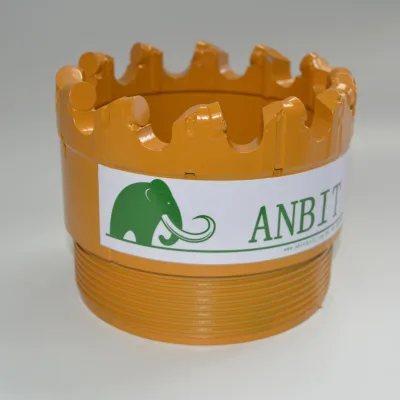
Tungsten Carbide Spherule Slice Core Drill Bit Alloy Steel Spiral Core Bit
$47.00 - $49.00
MOQ: 1 pieces


API 8-3/4" Oil Drilling Bit for Horizontal Well
$1000.00 - $3000.00
MOQ: 1 Pieces
Weifang Sheng De Petroleum Machinery Manufacturing Co., Ltd.


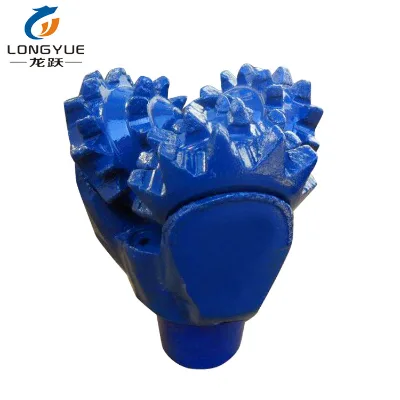
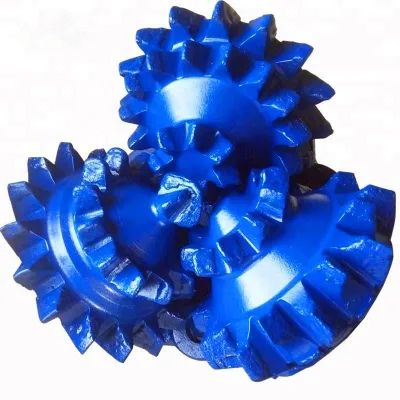
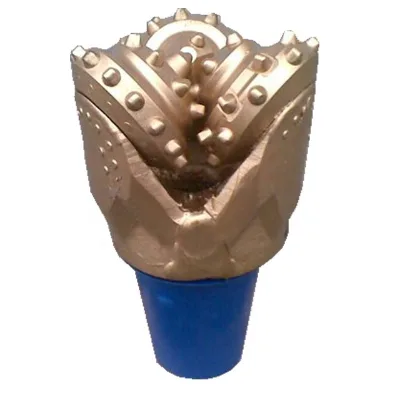


Carbon Steel CE Approved Drill High Quality Tungsten Carbide Cross Bits
$100.00 - $1000.00
MOQ: 20 Pieces




Comprehensive Sourcing Guide
Strategic Sourcing Guide for Forging Alloy Steel Oil Bits
Understanding the Core Product Architecture and Manufacturing Variability
When sourcing components described as "forging alloy steel oil bits," buyers must first recognize that the market presents a complex landscape of manufacturing processes and material compositions. The term "forging" implies a specific metallurgical treatment where the material is shaped under high pressure, generally enhancing grain structure and mechanical strength compared to casting. However, a critical observation in the current supply base is the coexistence of "Forging" and "Casting" processes for similar product descriptions. This indicates that while the core keyword emphasizes forging, a significant portion of available inventory may utilize casting methods, particularly when the material is specified as "Alloy Steel" or "Stainless Steel."
The material composition is equally variable. While the ideal specification for high-performance oil drilling often points toward "Alloy Steel" or "Carbon Steel," listings also frequently cite "Stainless Steel" or generic "Alloy" classifications. This variance suggests that buyers cannot assume a uniform metallurgical standard across all suppliers offering this keyword. The "Alloy Steel" designation typically offers a balance of toughness and wear resistance essential for drilling through abrasive rock formations, whereas "Carbon Steel" may be suited for less aggressive applications or specific cost-sensitive projects. The presence of "Tricone" and "Rock Auger" model types further diversifies the product scope, indicating that the search term covers a broad spectrum from rotary drilling bits to specialized auger systems.
Buyers must therefore treat the "Forging" attribute as a specific filter rather than a universal guarantee. The supply data reveals that some products labeled with similar keywords utilize "Casting" as their primary manufacturing process. This distinction is vital because forged bits generally exhibit superior fatigue resistance and impact strength, which are critical for the high-torque, high-impact environment of oil and gas drilling. When evaluating a potential supplier, the first step is to explicitly verify the manufacturing process through technical data sheets, ensuring the product matches the "Forging" requirement rather than the "Casting" alternative that appears in the same search results.
Technical Specifications and Operational Parameters
The technical landscape of oil drilling bits is defined by a rigorous set of specifications that dictate performance and compatibility. The supplied data highlights several key parameters that buyers must verify. The "prod_model" field shows a range of designations including "Customized," "Tricone," "Drilling Bit," and specific model numbers like "89/113#." These models correspond to different diameters and geometries, with specific references to "89/113mm" diameters being a notable data point. This suggests that while standard sizes exist, the market is heavily driven by custom specifications tailored to specific wellbore requirements.
Operational parameters are equally critical. The "Operation Pressure" is listed as "Atmospheric Pressure" in some contexts, which may refer to the testing environment or specific non-pressurized applications, whereas the primary application is "Hole Drilling" and "Well Drilling" under significant downhole pressures. The "Usage" is explicitly defined as "Geological Exploration" and "Energy & Mining," confirming the industrial grade of these tools. The "Weight" of the components varies significantly, with observed values of 1.3 kg and 2.4 kg, indicating that size and mass are not standardized across the board and must be matched to the drilling rig's capacity.
Furthermore, the "Keyword" field includes terms like "Step Rib Drill" and "Water Drilling Bit," suggesting that the product category extends beyond traditional oil bits to include specialized drilling tools for water wells and geological surveys. The "Application" is broadly categorized as "Drilling Tool," but the specific "Use" cases range from "Well Drilling" to "Geological Exploration." Buyers must ensure that the technical specifications of the bit, including its diameter, weight, and model type, align precisely with the rig's operational parameters and the geological conditions of the target site. The "Customized" nature of the "prod_model" reinforces that off-the-shelf solutions may not suffice for complex drilling scenarios, necessitating a close collaboration with the supplier to define exact dimensions and performance metrics.
Compliance, Certification, and Standard Verification
Navigating the compliance landscape for oil drilling bits requires a meticulous approach to standards and certifications. The supply data presents a mix of international and industry-specific standards. The "Executive Standard" field explicitly lists "API Spec 7-1" and "API Spec 7-2," which are the gold standards for drill pipe and related equipment in the oil and gas industry. These standards govern the manufacturing, testing, and inspection of rotary drill pipe and related components. However, the data also lists "Standard: Drill Bit" and "Standard: steel" in a more generic manner, alongside "ANSI, ASME, AISI" classifications.
This mixture of specific API standards and generic material standards indicates that buyers must verify the exact certification status of each product. The presence of "ISO 9001" in the certification field is a strong indicator of a supplier's quality management system, though the data notes a concatenation of "ISO 9001:ISO 9001:Manufacturing Process:Forging," which suggests a potential data entry artifact or a specific internal labeling convention. Buyers should not assume that the presence of "ISO 9001" guarantees compliance with API standards; rather, they must request explicit documentation confirming adherence to "API Spec 7-1" and "API Spec 7-2" for any product intended for oilfield use.
Additionally, the "Standard" field includes "AISI," which relates to the American Iron and Steel Institute standards for material composition. This is crucial for verifying the "Alloy Steel" or "Carbon Steel" claims. The "prod_standard" field also mentions "as needed," which implies a high degree of customization where the supplier may not adhere to a single fixed standard but rather agrees to meet the buyer's specific requirements. In such cases, the buyer must define the required standards in the purchase order and ensure the supplier provides third-party verification or mill test reports. The "Location" data points to "China" and specific regions like "Ningbo" and "Hunan," which are major manufacturing hubs. While these locations are known for industrial output, the origin alone does not guarantee compliance; the specific factory's certification records must be reviewed.
Cost Drivers and Economic Considerations
The economic landscape for sourcing forging alloy steel oil bits is influenced by several dynamic factors, primarily material costs, manufacturing complexity, and order volume. The observed price range in the market is extremely wide, spanning from $0.50 to $6,428.00 USD. This vast disparity reflects the difference between small, specialized components or accessories and large, fully engineered drilling assemblies. The "MOQ" (Minimum Order Quantity) also varies significantly, ranging from 1 piece to 500 pieces. This flexibility allows buyers to source single units for prototyping or small-scale projects, but it also introduces complexity in pricing strategies.
Material costs are a primary driver. The shift between "Alloy Steel," "Carbon Steel," and "Stainless Steel" directly impacts the base price. Alloy steels, which are often required for the high-stress environment of oil drilling, are generally more expensive than carbon steels due to the addition of elements like chromium, nickel, or molybdenum. The manufacturing process is another critical cost factor. "Forging" is typically more expensive than "Casting" due to the higher energy consumption, specialized tooling, and labor intensity involved in shaping the metal under pressure. However, the superior mechanical properties of forged bits often justify the higher cost for critical applications.
Packaging and logistics also contribute to the final cost. The data lists various packaging options, including "Export Package," "Plywood Box," "Carton," "Wooden Cases & Cartons," and "Wooden Case." For heavy industrial equipment like drilling bits, robust packaging such as "Wooden Cases" is essential to prevent damage during transit, especially for international shipments from China. The "Weight" of the items, ranging from 1.3 kg to 2.4 kg and potentially higher for larger models, affects shipping costs. Buyers should factor in the cost of specialized packaging and freight when calculating the total landed cost.
Furthermore, the "Customization" attribute is a significant cost driver. While "Customized" models are available, they often incur higher setup costs and longer lead times compared to standard inventory. The "Marketing Type" of "New Product 2024" suggests that some items may carry a premium due to recent technological advancements or market positioning. Buyers must balance the need for customization against the budget constraints, understanding that bespoke solutions will inherently cost more than standard, off-the-shelf items.
Supplier Evaluation and Operational Capabilities
Evaluating suppliers for forging alloy steel oil bits requires a multi-dimensional assessment of their capabilities, reliability, and alignment with buyer requirements. The supply data indicates that suppliers are located in various regions of China, including "Ningbo" and "Hunan," which are established industrial centers. However, the presence of multiple manufacturing processes (Forging vs. Casting) and material types (Alloy vs. Carbon vs. Stainless) within the same search results necessitates a careful vetting process.
Buyers should prioritize suppliers who can provide clear evidence of their manufacturing process. Since the core keyword specifies "forging," suppliers offering "Casting" as the primary method should be excluded unless the buyer explicitly accepts casting as an alternative. The "Certification" field shows "ISO 9001" as a common attribute, but as noted, this must be verified alongside specific API compliance. A supplier's ability to meet "API Spec 7-1" and "API Spec 7-2" is a non-negotiable requirement for many oilfield applications.
The "Customization" capability is another key evaluation metric. The data shows that "Customized" models are available, and some suppliers offer "Customized Color" and "Customized" packing. This flexibility is valuable for buyers with specific operational needs. However, the ability to customize does not guarantee quality; buyers must assess the supplier's engineering team and their track record in delivering custom solutions. The "MOQ" range of 1 to 500 pieces suggests that suppliers cater to both small and large orders, but buyers should verify if the supplier has the capacity to scale production if the order volume increases.
Additionally, the "Condition" of the products is listed as "New," which is a basic but essential requirement. Buyers should also consider the "Advantage" attributes, such as "Wear Resistant," which are critical for the longevity of the drilling bit. The "Keyword" field includes terms like "Step Rib Drill" and "High Performance Helmet Five Sets of Rib Drills," which may indicate specialized product lines. Buyers should ensure that the supplier has a deep understanding of these specific product types and can provide technical support for their application.
Quality Control and Long-Term Procurement Strategy
Ensuring the quality of forging alloy steel oil bits is paramount to the safety and efficiency of drilling operations. The "Advantage" of "Wear Resistant" materials is a key performance indicator, but it must be backed by rigorous quality control measures. Buyers should implement a comprehensive quality assurance plan that includes pre-shipment inspections, material verification, and performance testing. The "Standard" field lists "as needed," which implies that the buyer must define the specific quality criteria and testing protocols in the contract.
Long-term procurement considerations involve building a sustainable relationship with suppliers who can consistently deliver high-quality products. The "Customization" attribute suggests that long-term partnerships may involve ongoing collaboration to refine product designs and specifications. Buyers should also consider the "Lead Time" and "MOQ" constraints when planning their inventory. While the data shows an MOQ as low as 1 piece, larger orders may require longer lead times, especially for customized items.
The "Packing" options, such as "Wooden Cases" and "Cartons," play a crucial role in maintaining product quality during transit. Buyers should ensure that the packaging is robust enough to protect the bits from damage, especially for international shipments. The "Weight" and "Diameter" specifications must be accurately communicated to the supplier to ensure the correct packaging is used.
Finally, buyers should monitor the "Marketing Type" and "New Product" trends to stay informed about technological advancements in the drilling bit industry. The "New Product 2024" label suggests that the market is evolving, and buyers should be prepared to adopt new technologies that offer improved performance and efficiency. By maintaining a proactive approach to quality control and supplier evaluation, buyers can ensure a steady supply of high-quality forging alloy steel oil bits that meet their operational needs.
Summary of Key Sourcing Parameters
To facilitate a clear understanding of the sourcing landscape, the following table summarizes the critical parameters observed in the supply data. This comparison highlights the variability in specifications, standards, and supplier capabilities that buyers must navigate.
| Parameter Category | Observed Values / Options | Critical Verification Point |
|---|---|---|
| Manufacturing Process | Forging, Casting | Confirm "Forging" is explicitly stated; avoid "Casting" if not desired. |
| Material Composition | Alloy, Alloy Steel, Carbon Steel, Stainless Steel | Verify specific alloy grade and composition for intended application. |
| Applicable Standards | API Spec 7-1, API Spec 7-2, ANSI, ASME, AISI, ISO 9001 | Demand explicit API certification for oilfield use; do not rely on generic "ISO" alone. |
| Product Models | Tricone, Drilling Bit, Rock Auger, 89/113#, Customized | Match model type and diameter (e.g., 89/113mm) to rig specifications. |
| Minimum Order Quantity | 1 PCS to 500 PCS | Align MOQ with inventory strategy and budget constraints. |
| Packaging | Export Package, Plywood Box, Carton, Wooden Case | Ensure packaging is suitable for heavy industrial transport and protection. |
| Origin Locations | China (Ningbo, Hunan) | Verify factory location and audit capabilities if required. |
| Performance Attributes | Wear Resistant, New Condition, Customized Color | Confirm performance claims with test data or mill reports. |
This structured approach ensures that buyers can effectively navigate the complexities of the Forging Alloy Steel Oil Bit market, making informed decisions that balance technical requirements, compliance standards, and economic factors.
FAQs
What manufacturing processes are used for forging alloy steel oil bits?
The primary manufacturing processes observed are forging and casting. While forging enhances grain structure and strength, some listings utilize casting for alloy steel or stainless steel variants. Buyers must verify the specific process in technical data sheets to ensure it matches their operational requirements.
Which certifications and standards apply to these drilling tools?
Products often comply with API Spec 7-1 and API Spec 7-2 for oilfield equipment. ISO 9001 certification indicates a quality management system, while AISI standards govern material composition. Buyers should request explicit documentation confirming adherence to these specific standards rather than assuming generic compliance.
Can I order customized models with specific dimensions and materials?
Yes, customization is available for product models, colors, and packaging. Buyers can specify dimensions like 89/113mm diameters and request materials such as alloy steel or carbon steel. Custom orders may incur higher setup costs and require close collaboration with the supplier to define exact metrics.
What are the typical minimum order quantities for these bits?
Minimum order quantities range from 1 piece to 500 pieces depending on the supplier and product type. Some vendors offer single units for prototyping, while others require larger volumes. Buyers should check specific MOQ requirements as they vary significantly across different product listings and customization levels.
Where are these drilling tools typically manufactured and shipped from?
Products originate from China, with specific manufacturing hubs in Ningbo and Hunan. These locations are established industrial centers for producing drilling tools. Buyers should verify the exact factory location to assess logistics, lead times, and potential shipping costs associated with international transport.
How do material types affect the performance of oil drilling bits?
Alloy steel offers a balance of toughness and wear resistance for abrasive rock formations. Carbon steel may suit less aggressive applications, while stainless steel is also available. The material choice directly impacts durability and cost, so buyers must align the selection with specific geological conditions and budget constraints.