Source Forging Alloy Steel ODEX Bit for Water Well Drilling
Find 30 available options for the Forging Alloy Steel ODEX Bit, designed for rock drilling and anchoring applications. Compare specifications such as casing thickness and matched DTH hammers to select the right guide device or pilot bit for your machinery needs.
Key considerations
Products List


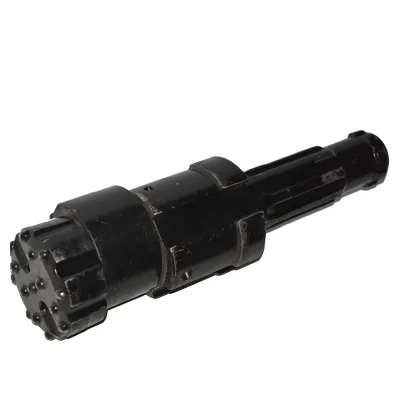
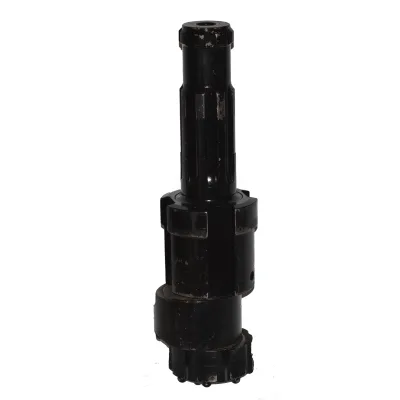

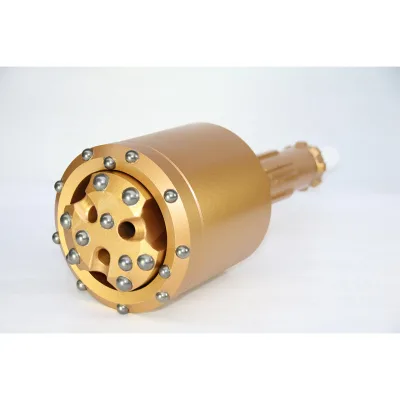


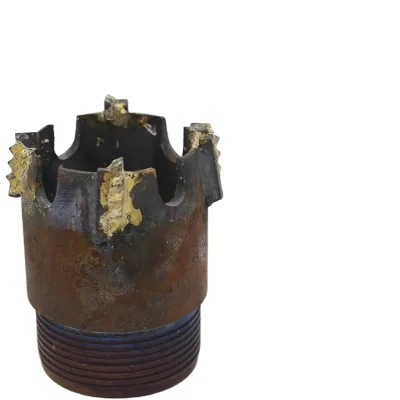

Drilling Bithigh Quality Drilling Equipment Forging Alloy Steel Five-Bladed
$633.50 - $655.00
MOQ: 1 Pieces

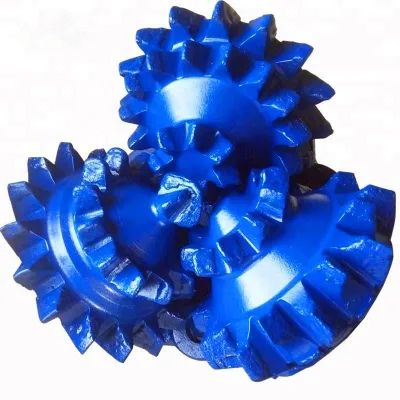


Alloy Steel Spiral Core Bits Are Suitable for Medium and Hard Formations
$70.00 - $74.00
MOQ: 1 pieces


Tungsten Carbide Spherule Slice Core Drill Bit Alloy Steel Spiral Core Bit
$47.00 - $49.00
MOQ: 1 pieces


94mm Double Tube Hot Press Drill Bits with Three Different Tooth Profiles
$77.00 - $79.00
MOQ: 1 pieces


Comprehensive Sourcing Guide
Forging Alloy Steel ODEX Bit Sourcing Guide
Procurement of forging alloy steel ODEX bits requires careful alignment with specific drilling applications such as water well drilling, micro piling, and anchoring operations. Buyers must verify that the selected tool matches the intended rig type, specifically DTH drill rigs, to ensure operational compatibility and efficiency. The observed market data indicates that these components are often marketed as high-demand items, necessitating a thorough review of the specific model numbers like Odex115 or Odex240 to match the project's depth and diameter requirements.
The manufacturing process for these bits is predominantly forging, which directly influences the structural integrity and wear resistance of the alloy steel material. Sourcing teams should prioritize suppliers who provide video outgoing-inspection services to validate the forging quality before shipment, as this visual verification is a critical step in mitigating the risk of receiving substandard components. Understanding the specific surface treatments, such as spray-paint finishes, is also essential for protecting the tool against corrosion during transport and storage in diverse environmental conditions.
Product Scope and Observed Listing Signals
The product scope for forging alloy steel ODEX bits encompasses a variety of configurations, including guide devices, pilot bits, and reamers designed for specific casing thicknesses. Listings frequently highlight matched DTH hammer models, such as Cop44 or Mission40, which are critical for ensuring the bit functions correctly within the drilling assembly. Buyers should note that product names and models vary significantly, ranging from Odex115 to Odex240, and each variant serves distinct applications in machinery, chemical industries, and environmental building projects.
Market signals indicate a wide range of packaging solutions, from wooden cases to white boxes and pallets, which affects logistics planning and cost estimation. The observed listing data reveals that some products are offered with specific casing thicknesses, such as 10mm, while others specify inner diameters for casing tubes between 101mm and 103mm. Procurement teams must carefully cross-reference these physical specifications with their existing equipment to avoid compatibility issues that could lead to operational downtime or equipment damage during the drilling process.
Technical Specifications to Verify
Technical verification begins with confirming the material composition, which is consistently identified as alloy steel in the available product data. Buyers must ensure that the specific model number, such as Odex115 or ODEX240, aligns with the required reamed diameter and inner casing dimensions for the specific well or foundation being drilled. The presence of standardized dimensions, including casing thickness and matched hammer types, serves as a primary indicator of whether the bit will integrate seamlessly with the existing drilling rig and hammer assembly.
Surface treatment and manufacturing process details are equally critical, with spray-paint finishes and forging processes being the standard attributes observed in the market. Procurement specialists should verify the condition of the product, ensuring it is listed as new, and check for specific weight attributes, such as the 28kg or 26kg gross weights observed in different batches. These physical parameters directly impact the handling requirements and the overall efficiency of the drilling operation, making precise verification a non-negotiable step in the selection process.
Compliance and Safety Documentation
Compliance documentation for forging alloy steel ODEX bits often includes ISO 9001:2015 certification, which serves as a baseline indicator of quality management systems within the manufacturing facility. While some listings mention API certification, buyers must treat these claims as observations rather than universal guarantees and request specific certificates for the batch being purchased. The presence of these certifications helps establish a framework for reliability, but they should be validated against the actual product specifications to ensure they apply to the specific alloy steel components being sourced.
Safety and operational standards are further supported by the adherence to various international standards such as AISI, DIN, GB, ANSI, BSW, and JIS, which are frequently cited in product descriptions. Buyers should verify that the specific product standard, whether it is Odex165 or a custom specification, matches the regulatory requirements of the project location. Ensuring that the documentation covers the full range of applicable standards is essential for maintaining safety protocols and meeting the rigorous demands of industrial drilling applications.
Cost Drivers and Commercial Terms
Cost drivers for forging alloy steel ODEX bits are heavily influenced by the customization options available and the specific material grade of the alloy steel used. The observed price range of 0.05 to 5000 USD reflects the diversity in product types, from simple drill bits to complex reamer assemblies, and the associated manufacturing complexity. Buyers must analyze the total cost of ownership, considering factors like the weight of the product and the packaging requirements, which can significantly impact shipping expenses and overall procurement budgets.
Commercial terms are further defined by the minimum order quantity (MOQ) and the lead times associated with the forging and surface treatment processes. The observed MOQ range of 1 to 10000 units suggests flexibility for both small-scale projects and large industrial contracts, but buyers should negotiate terms that align with their inventory management strategies. Understanding the specific packing details, such as wooden cases or pallets, is also crucial for calculating freight costs and ensuring that the delivery terms meet the project timeline requirements.
Supplier Qualification and Quality Control
Supplier qualification for ODEX bits requires a rigorous assessment of their manufacturing capabilities, particularly their proficiency in forging alloy steel components. The availability of video outgoing-inspection services is a strong indicator of a supplier's commitment to transparency and quality control, allowing buyers to visually verify the condition and finish of the bits before they leave the factory. This step is vital for confirming that the product matches the described specifications, including the color, weight, and surface treatment, before finalizing the purchase agreement.
Quality control processes should also include a review of the supplier's adherence to the stated standards and certifications, such as ISO 9001:2015 or API. Buyers must ensure that the supplier can consistently produce bits that meet the required technical specifications, including the matched DTH hammer compatibility and casing dimensions. Establishing a clear communication channel for addressing any discrepancies in the product attributes, such as the specific model number or packing details, is essential for maintaining a reliable supply chain and preventing operational disruptions.
Long-Term Procurement Checks
Long-term procurement strategies for forging alloy steel ODEX bits should focus on building relationships with suppliers who demonstrate consistent quality and reliability over time. Buyers should regularly review the performance of the bits in the field, paying close attention to wear rates and compatibility with different DTH hammers and drill rigs. This feedback loop is essential for identifying any potential issues with the alloy steel material or the forging process that may not be immediately apparent during the initial inspection.
Continuous verification of the supplier's ability to meet changing project requirements is also critical, as drilling applications often evolve with new technologies and standards. Procurement teams should maintain up-to-date records of the specific product standards, certifications, and technical specifications for each batch purchased to ensure ongoing compliance. By systematically tracking these factors, buyers can optimize their sourcing strategy, reduce risks, and ensure a steady supply of high-performance ODEX bits for their drilling operations.
FAQs
What is the standard material for forging alloy steel odex bits?
The standard material is alloy steel, which provides the necessary durability for rock drilling applications. This construction supports heavy-duty use in water well drilling and micro piling. The forging process ensures structural integrity, making it suitable for demanding geological conditions and anchoring tasks.
Can these odex bits be customized for specific drilling needs?
Yes, customization is available to meet specific customer requirements. Buyers can request particular colors or specifications to match their operational needs. This flexibility allows for tailored solutions in various industrial applications, ensuring the tool integrates seamlessly with existing drilling rigs and hammers.
Which DTH hammers are compatible with the Odex115 model?
The Odex115 model is compatible with Cop44, Mission40, Ql40, and DHD240 DTH hammers. This compatibility ensures efficient operation with matched drill rigs. Users should verify their specific hammer model to ensure proper fit and optimal performance during rock drilling and water well drilling operations.
What certifications do these alloy steel odex bits hold?
These bits hold ISO 9001:2015 certification, indicating adherence to quality management standards. Some listings may also reference API certification for well drilling applications. These certifications assure buyers of consistent manufacturing quality and reliability for industrial and environmental drilling projects.
How are the odex bits packaged for shipping?
The bits are packaged in wooden cases to ensure safe transit. This robust packaging protects the forging alloy steel components from damage during handling. The wooden case method is standard for heavy industrial tools, ensuring they arrive in new condition ready for immediate deployment in drilling operations.
What is the typical weight of a standard odex bit?
A standard odex bit typically weighs around 28 kilograms. This weight reflects the dense alloy steel construction required for effective rock drilling. The substantial mass aids in maintaining stability and penetration power during heavy-duty drilling tasks in various geological formations.