Source Forklift Crankshaft Front Oil Seal for Engine, Transmission, and Rear Axle
Compare 30 available Forklift Crankshaft Front Oil Seal options from Chinese manufacturers. These NBR rubber seals support engine, transmission, and rear axle applications with OEM customization and standard size availability.
Key considerations
Products List


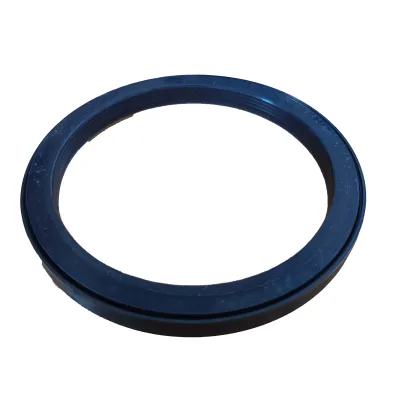


$1.00 - $10.00
MOQ: 1000 Pieces


Comprehensive Sourcing Guide
Forklift Crankshaft Front Oil Seal Sourcing Guide
Procuring the correct front oil seal for a forklift engine is a critical maintenance decision that directly impacts equipment uptime and operational safety. Unlike generic automotive seals, forklift applications often involve specific engine configurations that require precise dimensional matching to prevent oil leakage and subsequent engine damage. Buyers must approach this procurement process with a focus on exact fitment rather than generic compatibility, as even minor deviations in inner diameter, outer diameter, or lip design can lead to premature failure. The primary goal is to secure a component that maintains the integrity of the engine's lubrication system under the variable load conditions typical of material handling operations.
To initiate a successful sourcing process, buyers should first identify the specific engine model and manufacturer of their forklift fleet. This information serves as the baseline for requesting accurate part numbers from suppliers. It is essential to distinguish between the front and rear crankshaft seals, as they serve different functions and have distinct dimensional requirements. The front seal typically protects the timing cover area, while the rear seal manages the transmission interface. Confusing these two components is a common error that leads to incorrect purchases. By clearly defining the engine type and the specific seal location, buyers can filter out irrelevant listings and focus on suppliers who specialize in the correct category of industrial engine components.
Product Scope and Observed Listing Signals
The market for forklift crankshaft front oil seals is characterized by a wide variety of product listings that often use overlapping terminology. Observed data indicates that suppliers frequently list these items under general categories such as "Oil Seal" or "Crankshaft Seal," with specific model numbers like ACOS-66, ACOS-119, and ACOS-103 appearing in various contexts. Buyers should be aware that these alphanumeric codes may refer to specific internal supplier part numbers rather than universal industry standards. Therefore, relying solely on a generic model number without cross-referencing it against the forklift's service manual can result in ordering the wrong component. The scope of available products includes both standard replacement seals and custom-manufactured variants, reflecting the diverse needs of different forklift manufacturers.
Listing signals also reveal significant variation in material composition and structural design. Common materials observed in the supply chain include NBR (Nitrile Butadiene Rubber) and general rubber compounds, which are standard for their oil resistance and durability. Additionally, listings often specify lip types, such as "Composite Lip" or "Lips Type," which affect the seal's ability to handle high-speed rotation and pressure. Some products are described as "Assembled" or "Single End," indicating the complexity of the seal structure. Buyers should scrutinize these descriptive attributes to ensure the seal's construction matches the engine's requirements. For instance, a composite lip may be necessary for engines operating at higher speeds or under greater thermal stress, whereas a simpler design might suffice for lower-demand applications.
Technical Specifications to Verify
The most critical technical specification to verify is the dimensional accuracy of the seal, specifically the inner diameter (ID), outer diameter (OD), and thickness. These three measurements must match the engine's crankshaft journal and housing bore exactly. Even a deviation of a fraction of a millimeter can cause the seal to bind, wear prematurely, or fail to create a proper seal against the rotating shaft. Buyers should request detailed dimensional drawings from the supplier, as many listings indicate that "2D or 3D Acceptable" drawings are supported for custom or verification purposes. Providing the supplier with the original equipment manufacturer's (OEM) specifications or a physical sample of the old seal can significantly reduce the risk of dimensional mismatch.
Beyond dimensions, the material hardness and temperature resistance are vital technical parameters. NBR, a commonly observed material, offers good resistance to petroleum-based oils and moderate temperatures, making it suitable for most standard forklift engines. However, if the forklift operates in extreme environmental conditions or uses specialized lubricants, the buyer may need to verify if a different rubber compound is required. The speed rating of the seal is also a key factor; listings mention both "Low Speed" and "High Speed" mechanical seals, indicating that the seal's design must accommodate the rotational speed of the crankshaft. Verifying that the seal is rated for the specific RPM range of the forklift engine ensures that the lip does not overheat or degrade during normal operation.
Compliance and Safety Documentation
While oil seals are not typically subject to the same rigorous safety certifications as structural components, they must meet specific quality standards to ensure reliability. Buyers should request documentation that verifies the material composition and manufacturing process. For NBR seals, this may include material safety data sheets (MSDS) that confirm the chemical properties and environmental compliance of the rubber compound. Although specific international standards are not always explicitly listed in product descriptions, reputable suppliers will provide evidence of quality control processes, such as incoming material inspection and final product testing. This documentation serves as a proxy for compliance, ensuring that the seal is manufactured from consistent, high-quality raw materials.
Safety in this context also relates to the prevention of operational hazards caused by seal failure. A leaking oil seal can lead to oil spills on the forklift's floor, creating slip hazards for operators and maintenance staff. Furthermore, oil leakage can contaminate other engine components, leading to more severe mechanical failures. Therefore, the "compliance" aspect extends to the seal's ability to perform its function reliably under the intended operating conditions. Buyers should look for suppliers who can provide test data or performance guarantees, even if these are not standardized across the industry. Verifying that the supplier has a quality management system in place, such as ISO 9001, can provide additional assurance that the seals are produced with consistent quality and attention to detail.
Cost Drivers and Commercial Terms
The cost of forklift crankshaft front oil seals is influenced by several factors, including material quality, manufacturing complexity, and order volume. Observed price ranges in the market are broad, reflecting the difference between bulk commodity items and specialized, custom-manufactured seals. Buyers should not focus solely on the unit price but should consider the total cost of ownership, which includes the cost of potential downtime if the seal fails prematurely. Higher-quality seals made from premium NBR compounds may have a higher upfront cost but offer longer service life and reduced maintenance frequency. Understanding the cost drivers allows buyers to negotiate more effectively and make informed decisions about where to invest in quality.
Commercial terms, such as minimum order quantities (MOQ) and lead times, also play a significant role in procurement planning. Listings indicate MOQs ranging from 1 to 1000 units, providing flexibility for both small maintenance shops and large fleet operators. Lead times can vary, with some suppliers indicating delivery times of 31-33 days for certain items, which may be too long for urgent repair needs. Buyers should clarify these terms with the supplier before placing an order, especially if they are operating on a just-in-time inventory model. Negotiating favorable payment terms and shipping options can also impact the overall cost. It is advisable to establish a relationship with a supplier who can offer competitive pricing and reliable delivery schedules to ensure a steady supply of critical spare parts.
Supplier Qualification and Quality Control
Qualifying a supplier for forklift crankshaft seals involves assessing their manufacturing capabilities, quality control processes, and industry experience. Buyers should look for suppliers who are manufacturers rather than mere traders, as this often indicates a deeper understanding of the product and greater control over quality. The observed data suggests that many suppliers identify themselves as "Manufacturer" or offer "OEM or ODM" services, indicating their ability to produce custom seals based on customer specifications. Verifying the supplier's production facilities and quality control labs can provide insight into their ability to maintain consistent product quality. Requesting samples for testing before placing a large order is a prudent step to ensure that the seals meet the required specifications.
Quality control measures should include incoming material inspection, in-process checks, and final product testing. Buyers should ask about the specific tests performed on the seals, such as dimensional checks, hardness testing, and leak testing. While specific test data may not always be available, the supplier's willingness to provide detailed quality reports is a positive indicator of their commitment to quality. Additionally, the supplier's ability to handle custom requests, such as accepting customer designs or providing 2D/3D drawings, demonstrates their technical capability and flexibility. Building a relationship with a qualified supplier who can provide transparent quality information and responsive customer service is essential for long-term procurement success.
Long-Term Procurement Checks
Establishing a long-term procurement strategy for forklift crankshaft seals requires ongoing monitoring of supplier performance and market trends. Buyers should track key performance indicators (KPIs) such as on-time delivery rates, defect rates, and customer service responsiveness. Regularly reviewing these metrics helps identify any issues with the supplier's performance and provides a basis for negotiations or contract renewals. It is also important to stay informed about changes in material costs and supply chain disruptions that may affect the availability and price of seals. By maintaining open communication with the supplier and sharing forecasted demand, buyers can ensure a stable supply of critical components.
Diversifying the supplier base is another important long-term check. Relying on a single supplier for critical spare parts can create a single point of failure if that supplier experiences production issues or financial difficulties. Buyers should consider qualifying secondary suppliers who can provide the same quality and specifications, ensuring business continuity in case of supply disruptions. Regularly auditing the supplier's quality management system and production facilities can help maintain high standards over time. By implementing these long-term procurement checks, buyers can build a resilient supply chain that supports the reliable operation of their forklift fleet.
FAQs
What material is used for the Forklift Crankshaft Front Oil Seal?
The seal is made from NBR rubber, which offers reliable resistance to oil and wear in engine applications. NBR suits standard operating temperatures and low to high speed conditions. Other rubber compounds may be available, and black or brown colors are common. Confirm the exact compound requirement with the supplier before ordering, especially for extreme temperature or pressure environments.
Can the crankshaft front oil seal be customized to my drawings?
Yes, customization is available and 2D or 3D drawings are acceptable. Suppliers typically work with OEM or ODM designs and accept customers' specifications as the production standard. Provide your shaft diameter, housing bore, and lip configuration when requesting a quote. Custom tooling may affect lead time, so clarify drawings early and confirm packing preferences such as carton or pallet.
What is the typical lead time for Forklift Crankshaft Front Oil Seal orders?
Lead time depends on order quantity and whether the seal is a standard model or a customized design. One listed delivery time is 31 to 33 days, which is typical for production and shipping preparation. Custom OEM designs may require additional time for tooling. Always confirm the exact delivery schedule with the supplier based on your MOQ and packing requirements.
What is the minimum order quantity for this oil seal?
Observed MOQs range from 1 to 1000 pieces depending on the model and supplier. Standard catalog models often allow small trial orders, while customized OEM designs usually require higher quantities to offset tooling costs. Request the MOQ for your specific size, such as standard size replacements, and ask whether sample quantities are available before committing to volume production.
Which applications does the crankshaft front oil seal fit?
This oil seal is used in engine, transmission, and rear axle applications, including excavators and forklifts. It functions as a replacement or repair part in new condition. The composite or single lip design helps retain lubricant and block contaminants around the crankshaft. Verify your engine model and seal dimensions to ensure compatibility before ordering.
How do I choose between single lip and composite lip designs?
A composite lip design provides extra protection against dust and contamination, making it suitable for harsh working conditions like excavators and forklifts. A single lip assembled design may suffice for cleaner, low-speed engine environments. Consider shaft speed, pressure, and operating temperature when selecting. Suppliers can advise based on your application program, whether engine, pump, compressor, or transmission.
What sizes are available for forklift crankshaft oil seals?
Available production sizes range from 3 to 1600 mm, covering standard size requirements for most crankshaft applications. Listed models include ACOS-66, ACOS-119, ACOS-123, ACOS-103, ACOS-49, and ACOS-116, plus model 115.100.14 for crankshaft rear oil seals. Provide your shaft and bore measurements or accept customers' designs so the supplier can match or produce the correct size.
Can suppliers provide OEM or ODM service for these seals?
Yes, both OEM and ODM services are welcome, and manufacturers accept customer designs as the production standard. You can supply 2D or 3D drawings, and customization is available for material, color, and lip type. Suppliers operate as manufacturers and typically pack goods in cartons or pallets as required. Confirm service scope, drawings, and packing details in your inquiry.