Source Forklift Main Bearing Cap Assembly for Engine Repair, Maintenance, and Assembly
Compare 30 Forklift Main Bearing Cap Assembly options from verified suppliers. These components are available in carbon steel and stainless steel with standard certifications and factory pricing for various forklift applications.
Key considerations
Products List


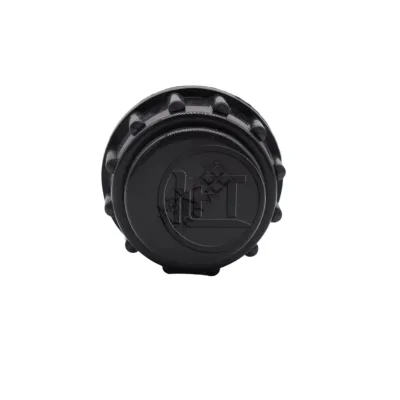
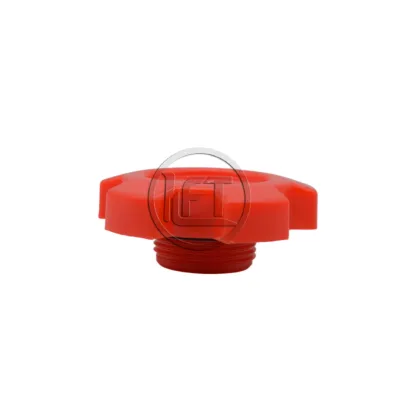
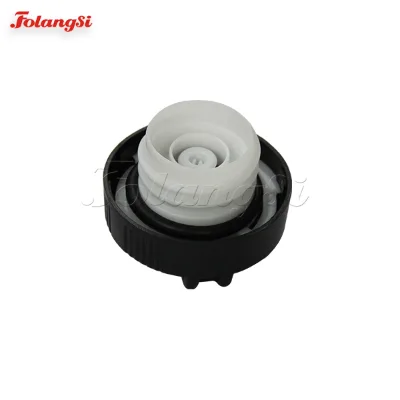
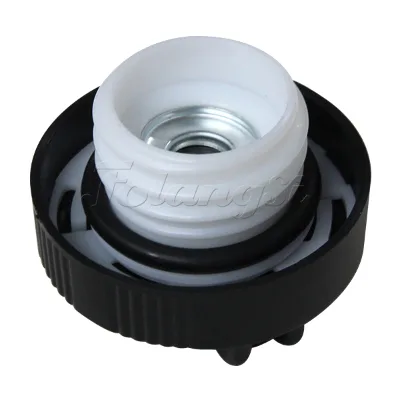
Forklift Parts Hydraulic Oil Cap Used for Maximal M Series FD10~40(M3032200001)
$9.22 - $60.42
MOQ: 1 Minimum


Comprehensive Sourcing Guide
Strategic Sourcing Guide for Forklift Main Bearing Cap Assembly
The procurement of forklift main bearing cap assemblies requires a rigorous approach that balances technical precision with supply chain reliability. These components are critical for maintaining the structural integrity of the engine block and ensuring the smooth operation of the crankshaft within heavy-duty industrial machinery. Buyers must navigate a complex landscape of material specifications, manufacturing standards, and quality assurance protocols to secure parts that meet operational demands. This guide synthesizes available market data and industry best practices to provide a comprehensive framework for sourcing these essential components.
Technical Specifications and Material Composition
The foundation of a reliable bearing cap assembly lies in its material composition and dimensional accuracy. Market observations indicate that suppliers typically offer these components in Carbon Steel and Stainless Steel variants. Carbon Steel is frequently cited as the primary material for standard applications, offering a balance of strength and cost-effectiveness suitable for general industrial use. Conversely, Stainless Steel options are available for environments requiring enhanced corrosion resistance or specific chemical compatibility. The selection between these materials should be driven by the specific operating conditions of the forklift, including exposure to moisture, chemicals, or extreme temperatures.
Dimensional specifications are equally critical. The product data reveals a range of model identifiers, such as MNM-1528, MNM-1529, MNM-1527, MNM-1525, MNM-1523, and MNM-1520, alongside generic designations like "End Cap." These identifiers often correlate with specific weight capacities and load requirements. For instance, specific models are associated with standard weights ranging from 3.1 kg to 13 kg. It is imperative for buyers to verify that the selected model number matches the exact specifications of the forklift engine being serviced. The "Mnm" attribute appears consistently across listings, suggesting a standardized nomenclature system used by manufacturers to denote specific bearing cap configurations.
Furthermore, the physical attributes of the assembly, such as the "Loading Weight" and "Single package size," vary based on the specific unit. Buyers should note that packaging dimensions, such as 35x30x20 cm, are relevant for logistics planning but do not define the component's functional capacity. The condition of the parts is consistently listed as "New," indicating that the market primarily deals in fresh manufacturing rather than refurbished units. Customization is available for many of these assemblies, allowing for tailored solutions to unique equipment requirements.
Compliance, Certification, and Quality Assurance
Ensuring that sourced components meet international and industry-specific standards is a non-negotiable aspect of B2B procurement. The supply chain data highlights the presence of ISO certification among suppliers, which serves as a baseline indicator of a manufacturer's commitment to quality management systems. However, buyers must look beyond the mere presence of a certification label and verify the specific scope of the ISO standard applied to the production of bearing caps.
Quality assurance protocols are explicitly mentioned in the product attributes, with "100% Test" and "High-Quality" being common descriptors. These claims suggest that reputable suppliers implement rigorous inspection regimes before shipment. The "Low Noise" feature is another critical specification, particularly for forklifts operating in indoor environments or noise-sensitive facilities. This attribute implies that the manufacturing process includes precision machining to minimize vibration and acoustic emissions during operation.
When evaluating compliance, buyers should request documentation that validates the "Standard" designation found in product listings. While specific numerical standards are not universally defined in the provided data, the term "Standard" implies adherence to recognized industry norms. It is essential to confirm that the supplier can provide test reports or certificates of conformity that align with the specific requirements of the forklift manufacturer. The "Factory Price" attribute suggests a direct manufacturing relationship, which can often facilitate better transparency regarding quality control processes and compliance documentation.
Cost Drivers and Pricing Dynamics
Understanding the factors that influence the cost of forklift main bearing cap assemblies is vital for budgeting and negotiation. The observed price range in the market spans from $0.30 to $119.58 USD, a significant variance that reflects differences in material quality, manufacturing complexity, and order volume. The lower end of the spectrum likely corresponds to basic carbon steel components with standard specifications, while the higher end may include stainless steel variants, custom-engineered parts, or assemblies with advanced features like low noise reduction.
Minimum Order Quantity (MOQ) is another primary cost driver. The market data indicates an MOQ range from 1 piece to 1000 pieces. Buyers purchasing single units (1PC) may face higher per-unit costs but benefit from flexibility and reduced inventory holding costs. Conversely, bulk orders can leverage economies of scale to reduce the unit price, though they require a commitment to larger inventory volumes. The "Loading Weight" attribute, which is listed as "by Need," further complicates cost calculations, as shipping expenses will vary based on the specific weight and dimensions of the order.
Additional cost factors include packaging requirements. Options such as "Carton Packing," "Cartong Box/Wooden Box," and "Neutral export box packing" carry different cost implications. Wooden boxes may be necessary for heavy-duty export shipments to prevent damage, adding to the overall landed cost. Buyers should also consider the "Brand" factor; established brands like "Heli" or "LFT" may command a premium due to their reputation for reliability and compatibility, whereas generic or unbranded parts may offer cost savings but carry higher risks regarding fitment and longevity.
Typical Applications and Operational Context
Forklift main bearing cap assemblies are integral to the powertrain systems of various industrial vehicles. The product attributes explicitly link these components to "Forklift Trucks" and "Engine parts," confirming their primary application in heavy-duty material handling equipment. The "Applicable Industries" section lists "Building Material Shops" and "Machinery Repair Shops," indicating that these parts are essential for maintaining the fleet of forklifts used in construction, warehousing, and logistics sectors.
The versatility of these components is evident in the range of model numbers and specifications available. For example, the "Part Number 1-3T" suggests compatibility with forklifts in the 1 to 3-ton capacity range, a common size for indoor and light outdoor operations. The "LFT No. C.A.14.11.0111B" provides a specific reference code that buyers can use to cross-reference with original equipment manufacturer (OEM) specifications. This level of detail is crucial for ensuring that the replacement part is a direct fit for the existing engine block.
Beyond the forklift itself, the "Diesel Fuel Cap" attribute suggests that some suppliers may offer related fuel system components, though the primary focus remains on the bearing cap assembly. The "New" condition and "High-Quality" status imply that these parts are designed for immediate installation without the need for reconditioning or extensive modification. Buyers should verify the "Application" details to ensure compatibility with their specific forklift models, as engine configurations can vary significantly between manufacturers and regions.
Supplier Evaluation and Sourcing Strategy
Selecting the right supplier is as important as selecting the right component. The data indicates that suppliers are located in various regions of China, including Fujian and Anhui provinces. While these locations are known for manufacturing capabilities, buyers should not rely solely on geographic origin as a proxy for quality. Instead, a comprehensive evaluation should focus on the supplier's ability to meet the specific technical and compliance requirements outlined in this guide.
Key evaluation criteria include the supplier's certification status, specifically ISO compliance, and their track record for delivering "100% Test" verified products. Buyers should also assess the supplier's flexibility regarding customization and their ability to provide detailed product specifications, such as the "prod_model" and "prod_standard" data. The availability of "Customized" options and "Customization" services can be a significant advantage for buyers with unique equipment requirements.
When comparing suppliers, buyers should consider the "Brand" reputation. Established brands like "Heli" and "LFT" may offer greater assurance of quality and compatibility, but smaller suppliers might provide more competitive pricing and flexible MOQs. The "Price: Factory Price" attribute suggests that direct sourcing from manufacturers can eliminate middleman markups, but it requires careful vetting to ensure that the "Factory Price" reflects genuine value rather than compromised quality.
Quality Control and Long-Term Procurement Considerations
Implementing a robust quality control (QC) process is essential for mitigating the risks associated with sourcing industrial components. Buyers should insist on pre-shipment inspections that verify the "100% Test" claims and confirm that the parts meet the specified "Standard" and "Material" requirements. The "Low Noise" feature should be validated through acoustic testing or by reviewing the supplier's quality assurance protocols.
Long-term procurement strategies should focus on building relationships with suppliers who demonstrate consistency in quality and delivery. The "Condition: New" and "High-Quality" attributes should be maintained across all orders to ensure operational continuity. Buyers should also consider the "prod_packing" options to ensure that parts are protected during transit, especially for heavy items like those weighing up to 13 kg.
Finally, buyers should monitor the market for changes in "Standard" specifications and material availability. The dynamic nature of the industrial supply chain means that specifications may evolve, and suppliers may introduce new models or variants. Maintaining open communication with suppliers and staying informed about industry trends will help buyers adapt to these changes and maintain a reliable supply of forklift main bearing cap assemblies. By adhering to these guidelines, buyers can secure high-quality components that ensure the efficient and safe operation of their forklift fleets.
FAQs
What materials are used for forklift main bearing cap assemblies?
These assemblies are typically made from Carbon Steel or Stainless Steel. Carbon Steel offers strength for general use, while Stainless Steel provides corrosion resistance for harsh environments.
Which certification standards do suppliers usually meet?
Suppliers often hold ISO certification to ensure quality management systems are in place. Buyers should verify specific test reports to confirm compliance with industry norms.
Can buyers request customized forklift main bearing cap assemblies?
Yes, customization is available for many of these assemblies to meet unique equipment requirements. This allows for tailored solutions when standard models do not fit specific needs.
What is the minimum order quantity for these parts?
The minimum order quantity ranges from 1 piece to 1000 pieces depending on the supplier. Single unit purchases offer flexibility, while bulk orders may reduce per-unit costs.
How are these bearing caps packaged for shipment?
Packaging options include Carton Packing, Cartong Box, Wooden Box, or Neutral export box packing. The choice depends on the weight and specific shipping requirements of the order.
Which brands manufacture these forklift engine parts?
Established brands like Heli and LFT are available in the market. These brands are known for reliability and compatibility with various forklift models and engine configurations.
What quality assurance tests are performed on these caps?
Reputable suppliers perform 100% testing and ensure high-quality standards before shipment. Some products also feature low noise characteristics to minimize vibration during operation.