Source Fragrance Oil for cosmetic, detergent, and hair care
Find 30 Fragrance Oil options suitable for cosmetic raw materials, detergent ingredients, and hair care chemicals. Compare specifications, certifications, and packaging sizes from verified Chinese suppliers to meet your sourcing needs.
Key considerations
Products List


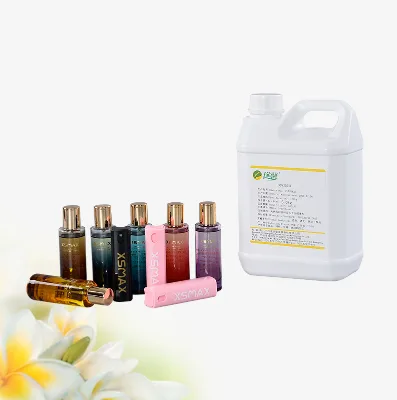


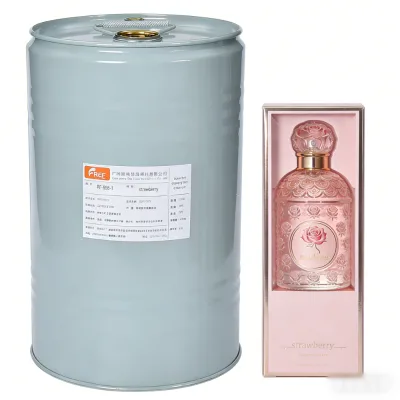
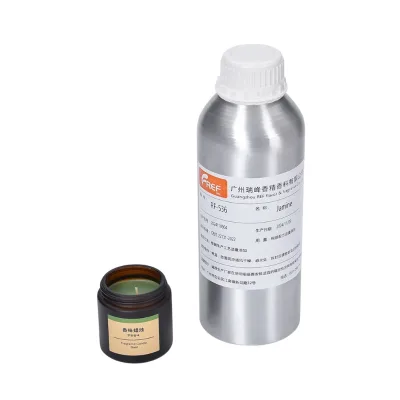
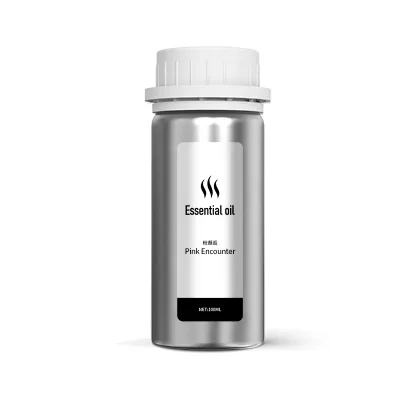
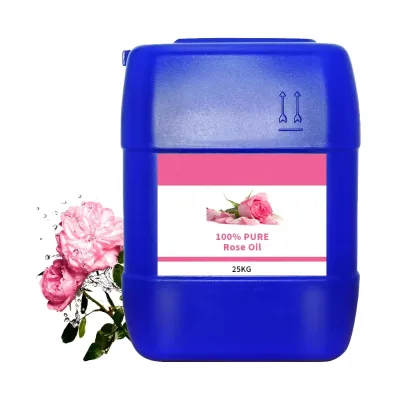
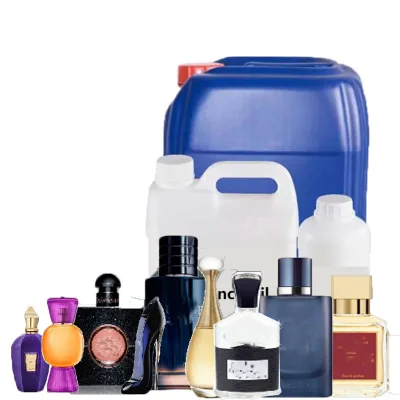
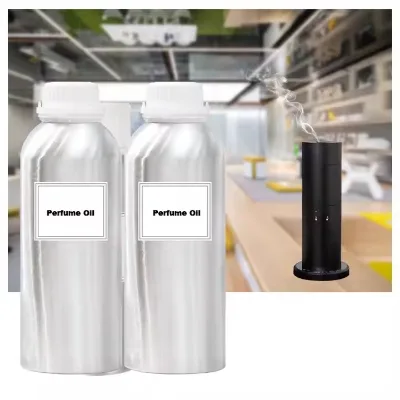

Daily Fragrances Scent Perfume Essential Oil Aromatherapy Pure Essential Oil Daily Spice
$16.00 - $20.00
MOQ: 1 kilograms
Comprehensive Sourcing Guide
Strategic Sourcing Guide for Fragrance Oil Procurement
Understanding Product Variability and Technical Specifications
The procurement of Fragrance Oil in a B2B context requires a nuanced understanding that "Fragrance Oil" is not a monolithic commodity but a category defined by distinct grades, compositions, and intended applications. Based on observed market data, buyers must navigate a spectrum of product attributes ranging from pure essential oil grades to specialized cosmetic and detergent raw materials. The technical specification of the product is the primary determinant of its suitability for downstream manufacturing.
When evaluating potential suppliers, the first critical step is verifying the raw material grade. The market presents products labeled as "Pure Essential Oil Grade A" alongside those designated as "Perfume Grade C." This distinction is not merely semantic; it dictates the purity, volatility, and olfactory profile of the oil. For instance, products intended for high-end cosmetic applications often require specific grade classifications to ensure consistency in scent throw and skin safety. Furthermore, the physical form is predominantly liquid, described explicitly as "Oil," yet the composition can vary significantly between inorganic and organic profiles, or even amphiprotic solvent types depending on the specific chemical formulation.
Packaging standards also vary widely, influencing logistics and shelf life. Observed packaging options include rigid containers such as 5kg, 25kg, and 200kg drums, as well as smaller units like 2kg or 20kg packages. Some suppliers utilize "Plastic Drum" configurations, while others opt for "Carton + Foam" combinations to ensure structural integrity during transit. The standard volume sizes observed range from 5L and 25L industrial drums to smaller 500ml units for sampling or smaller batch production. Buyers must align their internal storage and handling capabilities with these specific packaging constraints. Additionally, the product model numbers, such as LF23091101, 545004, or 210002, serve as unique identifiers for specific formulations, ensuring that the exact chemical profile is replicated across orders.
Compliance, Certification, and Regulatory Verification
In the fragrance industry, regulatory compliance is not optional; it is a prerequisite for market access and brand safety. Buyers must rigorously verify that suppliers possess valid documentation proving the safety and quality of their products. The most frequently observed certifications in the current market include MSDS (Material Safety Data Sheet) and CoA (Certificate of Analysis). These documents are essential for understanding the chemical hazards, handling procedures, and physical properties of the oil.
Beyond the basic MSDS, specific industry standards may apply depending on the end-use. For cosmetic applications, compliance with IFRA (International Fragrance Association) standards is a critical benchmark. Some suppliers provide certificates explicitly stating "MSDS/IFRA," indicating adherence to international fragrance safety guidelines. For products entering the food or oral care sectors, FDA (Food and Drug Administration) certification is often required, as evidenced by listings that include "MSDS, FDA" in their certification profiles.
Buyers should not assume that all listed products carry these certifications. The presence of an MSDS is a strong indicator of supplier professionalism, but the absence of IFRA or FDA certification for a product intended for cosmetic or oral use would be a significant red flag. When evaluating a supplier, the procurement team must request the specific certificate relevant to the product's intended application. For example, a Fragrance Oil intended for "Detergent Raw Materials" may have different regulatory requirements than one labeled for "Oral Care Chemicals." The verification process should include checking the date of the certificate, the issuing authority, and whether the certificate covers the specific batch or model number being purchased.
Cost Drivers and Pricing Dynamics
The pricing of Fragrance Oil is influenced by a complex interplay of factors, including raw material costs, grade purity, packaging requirements, and order volume. The observed price range in the market spans from $0.11 to $70 per unit, a variance that reflects the diversity of product types from basic industrial solvents to high-grade essential oils. This wide range underscores the importance of defining the exact specification before requesting a quote. A product labeled as "Pure Essential Oil Grade A" will naturally command a higher price point than a "Perfume Grade C" or a generic "Concentrated perfume oil" intended for lower-margin applications.
Minimum Order Quantity (MOQ) is another significant cost driver. Suppliers typically enforce MOQs to ensure production efficiency and cover logistics costs. The observed MOQ range is between 1 and 20 units, with specific product listings indicating an MOQ of 5kg. For buyers, this means that small-batch testing may be feasible, but large-scale production requires committing to bulk quantities that align with the supplier's standard packaging sizes (e.g., 25kg or 200kg drums).
Sample availability also impacts the initial cost structure. Most suppliers offer samples with a lead time of about 3-7 days, with sample sizes ranging from 10-100ml or 10-100g. While samples are crucial for quality verification, the cost and shipping method (e.g., via FedEx) must be factored into the total procurement budget. Buyers should be aware that the unit price of the sample may differ from the bulk price, and the shipping cost for international samples can be substantial.
Typical Applications and Functional Usage
Fragrance oils are versatile ingredients utilized across a wide array of industries, each with distinct functional requirements. The primary application sectors identified in the market include cosmetic raw materials, detergent raw materials, hair care chemicals, and oral care chemicals. The specific usage dictates the necessary performance characteristics of the oil.
In the cosmetic and personal care sector, fragrance oils are often selected for their functional benefits beyond mere scent. Products are marketed with specific functions such as supporting the "Metabolic System" or the "Nervous System," suggesting aromatherapeutic properties. The scent profiles, such as "Floral," are designed to be "long lasting" and suitable for "Relaxing" applications, often targeting a "Female" demographic. The style of the product may be described as "LUXURIOUS," indicating a premium positioning in the market.
For industrial applications, the functional requirements shift towards chemical compatibility and efficacy. In the detergent sector, fragrance oils must withstand the harsh chemical environment of cleaning agents while providing a consistent odor. Similarly, in hair care and oral care, the oil must be compatible with other active ingredients and safe for human contact. The "Transport Machine" specification also provides insight into the product's nature; for instance, products requiring "Liquefied Petroleum Gas Tanker Transport" suggest high volatility or specific safety hazards, whereas "Ordinary Goods Truck" transport indicates standard chemical handling.
Supplier Evaluation and Operational Capabilities
Selecting the right supplier involves more than just comparing price lists; it requires a comprehensive evaluation of the supplier's operational capabilities and logistical reliability. The origin of the product is a key factor, with the majority of observed products originating from "China," specifically the "Guangdong" region. This concentration of manufacturing hubs suggests a mature supply chain but also necessitates due diligence regarding the specific factory's reputation and capacity.
Buyers should assess the supplier's ability to handle customization. The market data indicates that "Customization" is available, allowing buyers to tailor the fragrance profile, packaging, or concentration to their specific needs. However, the extent of this customization and the associated lead times must be clarified. The "Samples Time" of 3-7 days is a baseline for standard requests, but custom formulations may require longer development cycles.
Logistics and shipping are critical components of supplier evaluation. The "Sample Way" is often specified as FedEx, indicating a reliance on courier services for small shipments. For bulk orders, the "Transport Machine" specification becomes vital. Suppliers offering "Liquefied Petroleum Gas Tanker Transport" for certain products demonstrate specialized logistics capabilities, while those using "Ordinary Goods Truck" may be better suited for standard chemical shipments. Buyers must ensure that the supplier's logistics network aligns with their own distribution requirements to avoid delays or compliance issues during transit.
Quality Control and Long-Term Procurement Strategy
Maintaining consistent quality in Fragrance Oil procurement requires a robust quality control (QC) framework. Given the variability in product grades and the sensitivity of olfactory properties, buyers must establish clear acceptance criteria before placing orders. This includes verifying the "Characteristic Odor" and ensuring that the "Flux Type" and "Composition" match the agreed specifications. For products described as "Amphiprotic Solvent" or "Inorganic," the chemical stability and reactivity must be tested against the buyer's formulation requirements.
Long-term procurement strategies should focus on building relationships with suppliers who can provide consistent quality and reliable lead times. The availability of "MSDS/Coa" and other certifications should be a standing requirement for all future orders. Buyers should also consider the scalability of the supplier's production. With packaging options ranging from small 2kg units to large 200kg drums, the supplier must be able to scale production up or down based on the buyer's demand fluctuations.
Furthermore, the "Function" of the product, such as its impact on the "Metabolic System" or "Nervous System," should be validated through third-party testing if the claims are critical to the buyer's marketing strategy. While the market data lists these functions, buyers should not treat them as automatic guarantees but rather as observations that require verification. Establishing a regular QC schedule, including periodic sampling and testing of incoming batches, will help mitigate the risks of quality drift and ensure that the Fragrance Oil continues to meet the evolving needs of the end consumer.
Comparative Analysis of Product Attributes
To facilitate decision-making, the following table summarizes key product attributes observed in the market, highlighting the variations buyers must consider during the sourcing process.
| Attribute Category | Observed Variations | Procurement Consideration |
|---|---|---|
| Grade | Pure Essential Oil Grade A, Perfume Grade C | Verify grade matches end-use application (e.g., cosmetic vs. industrial). |
| Certification | MSDS, CoA, IFRA, FDA | Ensure certifications align with target market regulations (e.g., FDA for oral care). |
| Packaging | 5kg, 25kg, 200kg, Plastic Drum, Carton + Foam | Match packaging to storage capacity and shipping requirements. |
| Origin | China, Guangdong | Assess logistics lead times and potential tariffs based on origin. |
| Usage | Cosmetic, Detergent, Hair Care, Oral Care | Confirm chemical compatibility with other raw materials in the formula. |
| Function | Metabolic System, Nervous System, Relaxing | Validate functional claims through independent testing if critical. |
| MOQ | 1-20 units, specific 5kg minimum | Plan inventory levels to meet minimum order thresholds efficiently. |
| Lead Time | Samples: 3-7 Days | Factor sample lead time into product development schedules. |
By systematically evaluating these attributes, buyers can navigate the complex landscape of Fragrance Oil procurement, ensuring that the selected products meet both technical and regulatory standards while optimizing cost and operational efficiency.
FAQs
What certifications are required for Fragrance Oil suppliers?
Suppliers typically provide MSDS and CoA documents to verify safety and quality. Some listings also include IFRA or FDA certificates depending on the intended use, such as cosmetic or oral care applications.
How long does it take to receive samples of Fragrance Oil?
Sample delivery usually takes about 3 to 7 days from the time of request. Buyers can expect sample sizes ranging from 10 to 100ml or 10 to 100g depending on the specific product model.
Which packaging sizes are available for bulk Fragrance Oil orders?
Bulk packaging options include 2kg, 5kg, 20kg, 25kg, and 200kg containers. Some suppliers offer plastic drums or carton plus foam combinations to ensure structural integrity during transport.
Can suppliers customize Fragrance Oil formulations for specific needs?
Customization is available for buyers requiring tailored fragrance profiles or packaging. This allows adaptation to specific industry requirements while maintaining the core product specifications like grade and composition.
What is the minimum order quantity for purchasing Fragrance Oil?
Minimum order quantities vary but often start at 5kg for specific product models. The general observed range spans from 1 to 20 units, allowing flexibility for both testing and large-scale production.
Where are Fragrance Oil products typically manufactured and shipped from?
Most products originate from China, specifically the Guangdong region. Shipping methods vary from ordinary goods trucks to specialized liquefied petroleum gas tankers depending on the product's volatility and safety requirements.