Source Frameless Commercial Glass Door Lock for Hotels Offices Studios
Compare 30 Frameless Commercial Glass Door Lock options from verified suppliers in Guangdong. Buyers can evaluate stainless steel and aluminum alloy models with customized backsets and modern styles for household, hotel, and office applications; compare the available evidence and request quotations based on your requirements.
Key considerations
Products List


Stainless Steel Commercial Glass Frameless Keyless Door Lock with Handle
$11.35 - $17.85
MOQ: 300 Pieces

Commercial Stainless Steel 304 Frameless Glass Door Lock with Handle Cylinder
$13.77 - $17.58
MOQ: 300 Pieces


Stainless Steel Commercial Frameless Glass Door Locks for Office or Shop
$12.00 - $14.00
MOQ: 100 Pieces


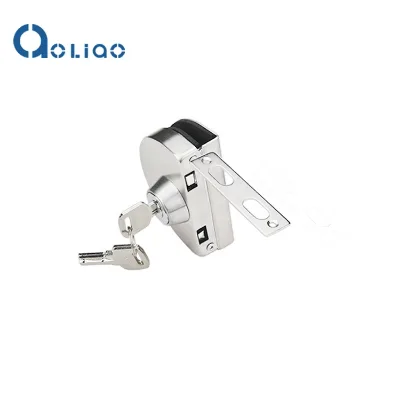


Stainless Steel Glass Door Lock Double Lever Lock Frameless Glass Hardware
$4.28 - $4.57
MOQ: 5 Pieces


Comprehensive Sourcing Guide
Frameless Commercial Glass Door Lock Sourcing Guide
Procuring frameless commercial glass door locks requires a precise understanding of hardware compatibility, structural integrity, and aesthetic integration. Unlike traditional wooden door locks, these systems must accommodate the unique thickness and weight of tempered glass panels while maintaining a sleek, minimalist appearance. Buyers must prioritize hardware that offers robust security without compromising the visual transparency that defines modern commercial spaces. The selection process involves evaluating mechanical strength, finish durability, and the ability to withstand high-traffic usage in environments such as offices, hotels, and retail stores.
This guide provides a structured approach to sourcing these specialized locking mechanisms, focusing on critical technical parameters and supplier verification steps. It addresses the complexities of matching lock components to specific glass door configurations, ensuring that procurement decisions are grounded in verified product attributes and industry best practices. By adhering to the outlined criteria, buyers can mitigate risks associated with hardware failure, installation errors, and non-compliance with safety standards, ultimately securing reliable solutions that enhance both security and design coherence.
Product Scope and Observed Listing Signals
The market for frameless glass door locks encompasses a variety of hardware types, including channel locks, mortise locks, and finishing up locks, each designed for specific installation scenarios. Observed listings indicate a diverse range of models, such as the B402, B401, and NCY-1002, which cater to different aesthetic and functional requirements. These products often feature modern or European styles, utilizing materials like stainless steel and aluminum alloy to ensure durability and resistance to corrosion. The presence of customized logos and OEM/ODM services suggests that many suppliers offer tailored solutions for branding and specific design needs.
Buyers should note that product attributes vary significantly across listings, with some models designed for household doors while others are specified for commercial applications. For instance, certain locks are explicitly labeled for bedroom or channel lock usage, while others are marketed for general household, hotel, studio, and office environments. The observed price range and minimum order quantities (MOQ) reflect this diversity, with options available for both small-scale renovations and large commercial projects. Understanding these distinctions is crucial for selecting the appropriate hardware that aligns with the project's scale and functional demands.
Technical Specifications to Verify
Verifying technical specifications is paramount when sourcing frameless glass door locks, as incorrect dimensions can lead to installation failures and security vulnerabilities. Key parameters to confirm include the door thickness fit, backset measurements, and lock cylinder length. For example, some models are designed to fit door thicknesses ranging from 35-50mm, while others may require customized fittings. The backset, often standardized at 60mm, must align with the existing door hardware layout to ensure proper engagement of the locking mechanism. Additionally, the lock cylinder length, such as 65mm, must be compatible with the glass panel's thickness to provide adequate security and smooth operation.
Material composition and surface finishing also play critical roles in the performance and longevity of the lock. Stainless steel and aluminum alloy cores are common choices, offering a balance of strength and weight. Surface finishes, such as mirror finishes, contribute to the aesthetic appeal but must be evaluated for resistance to scratches and tarnishing. Buyers should request detailed technical drawings and dimensional specifications from suppliers to ensure that the selected lock model matches the specific requirements of the glass door installation. This due diligence helps prevent costly modifications and ensures a seamless integration of the hardware into the door system.
Compliance and Safety Documentation
Compliance with safety and quality standards is essential for frameless glass door locks, particularly in commercial settings where high traffic and public access are common. Buyers should verify that suppliers adhere to recognized anti-theft standards, such as Standard A, which indicates a baseline level of security performance. While specific certification details may vary, it is crucial to ensure that the hardware meets local building codes and safety regulations. Documentation should include test reports that validate the lock's resistance to forced entry, durability under repeated use, and stability under various environmental conditions.
In addition to security standards, buyers should inquire about the supplier's quality management systems and production processes. Certifications such as ISO 9001 can indicate a commitment to consistent quality control and manufacturing excellence. Suppliers should provide clear information on the materials used, including any relevant material safety data sheets, to ensure compliance with environmental and health regulations. By prioritizing suppliers with robust compliance documentation, buyers can reduce the risk of legal liabilities and ensure that the installed locks meet the necessary safety benchmarks for their intended application.
Cost Drivers and Commercial Terms
The cost of frameless glass door locks is influenced by several factors, including material quality, customization options, and order volume. Stainless steel and aluminum alloy components typically command higher prices due to their durability and aesthetic appeal. Customization services, such as logo engraving or specific finish requirements, can also increase the unit cost. Buyers should consider the minimum order quantity (MOQ) requirements, which can range from small batches for individual projects to large volumes for commercial installations. Understanding these cost drivers helps in budgeting accurately and negotiating favorable terms with suppliers.
Commercial terms, including payment methods, delivery lead times, and packaging standards, are also critical considerations. Standard export packaging, color boxes, or cartons are common, but buyers should confirm that the packaging protects the hardware during transit. Delivery lead times can vary, with some suppliers offering expedited options for urgent projects. It is advisable to clarify these terms in the purchase agreement to avoid misunderstandings and ensure timely delivery. By carefully evaluating cost drivers and commercial terms, buyers can optimize their procurement strategy and achieve the best value for their investment.
Supplier Qualification and Quality Control
Supplier qualification is a vital step in ensuring the reliability and quality of frameless glass door locks. Buyers should assess suppliers based on their manufacturing capabilities, quality control processes, and track record in the industry. Suppliers with OEM/ODM services often have the flexibility to meet specific design and functional requirements, but this should be balanced with a proven history of consistent production quality. Requesting samples is a practical way to evaluate the hardware's build quality, finish, and operational smoothness before committing to a larger order.
Quality control measures should include rigorous testing of the locks for durability, security, and ease of installation. Buyers should inquire about the supplier's inspection protocols, including pre-shipment inspections and third-party testing options. Suppliers that provide detailed product specifications and technical support demonstrate a commitment to customer satisfaction and product reliability. By thoroughly vetting suppliers and verifying their quality control practices, buyers can minimize the risk of receiving defective or substandard hardware, ensuring that the installed locks perform as expected over their lifespan.
Long-Term Procurement Checks
Long-term procurement success depends on establishing strong relationships with suppliers and implementing ongoing quality assurance measures. Buyers should conduct periodic reviews of supplier performance, focusing on delivery consistency, product quality, and responsiveness to issues. Maintaining open communication channels allows for the timely resolution of any problems that may arise during installation or operation. Additionally, staying informed about industry trends and technological advancements can help buyers identify opportunities for upgrading their locking systems to enhance security and efficiency.
It is also important to monitor the availability of spare parts and replacement components for the installed locks. Ensuring a steady supply of compatible hardware can prevent downtime and maintain the security of the premises. Buyers should document all procurement activities, including supplier evaluations, product specifications, and quality control reports, to facilitate future purchasing decisions. By adopting a proactive approach to long-term procurement, buyers can build a resilient supply chain that supports the ongoing needs of their commercial or residential projects.
FAQs
Can I get customized logos on these locks?
Yes, customized logos are available for these locks. The product page confirms that logo customization is an offered service. Buyers can request specific branding to match their business identity while maintaining the standard export packaging provided for all units.
What materials are used for the lock body?
The lock bodies are constructed from stainless steel and aluminum alloy. These materials ensure durability and resistance to corrosion. The specific model B402 utilizes stainless steel, while other variants like NCY-1002 feature aluminum alloy cores for structural integrity.
Which door thicknesses fit these locks?
These locks fit door thicknesses ranging from 35mm to 50mm. Some models offer customized door thickness fitting options to accommodate specific installation requirements. This flexibility allows for versatile application in various household, hotel, and office settings.
How long is the delivery lead time?
The standard delivery lead time is 40 days. This duration applies to the production and shipping process from the Guangdong origin. Buyers should plan their procurement schedules accordingly to ensure timely receipt of the ordered lock units.
What is the backset dimension for these locks?
The backset dimension for these locks is 60mm. This standard measurement ensures compatibility with common door preparations. It is a fixed specification for the key lock type designed for household and commercial door applications.
Can I request OEM or ODM services?
Yes, OEM and ODM services are provided for these locks. Buyers can request custom manufacturing solutions tailored to their specific design needs. This service supports brands looking to create unique products while leveraging the existing production capabilities of the supplier.