Source Free Standing Boxing Dummy for Training Studios and Home Fitness
Compare 30 Free Standing Boxing Dummy options from verified suppliers. Buyers can evaluate materials like silicone, PU, and leather, along with weights ranging from 3kg to 100kg and customization services for martial arts studios and home fitness use.
Key considerations
Products List


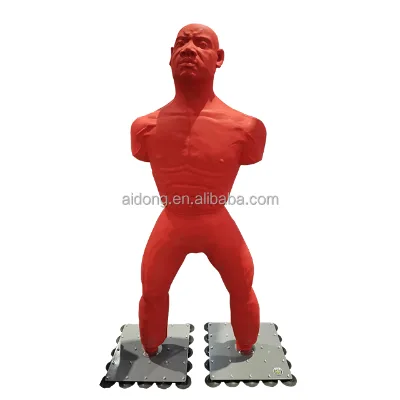


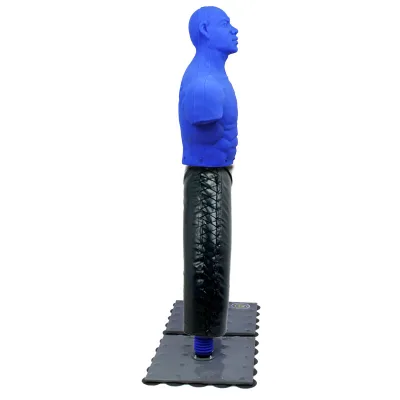
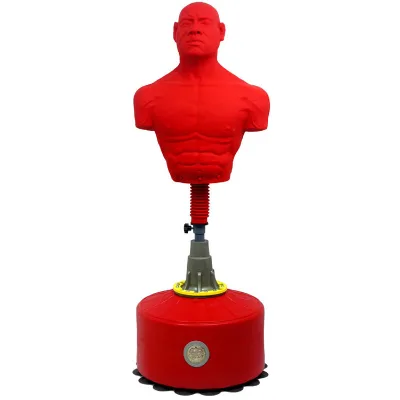
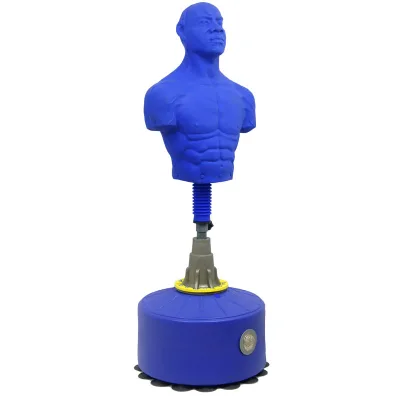
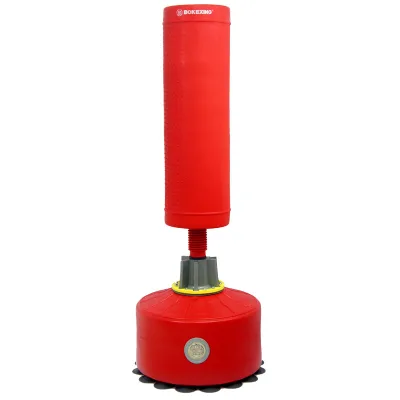
Custom Logo Free Standing Human Shaped Dummy Boxing Martial Arts Training Dummy
$170.80 - $206.14
MOQ: 5 Pieces

Free Standing Boxing Man Punching Bag Adjustable Suction Cup Boxing Dummy
$123.00 - $168.75
MOQ: 5 Pieces

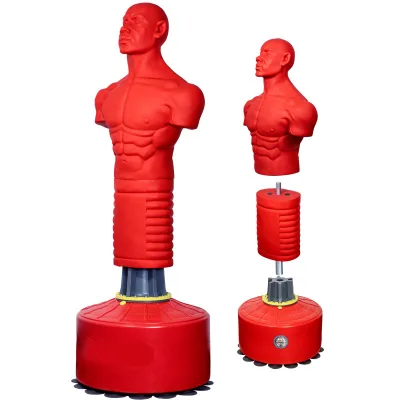
Silicone Skin Feeling Free Standing Boxing Human Dummy for Punching Exercise
$153.23 - $184.08
MOQ: 10 sets
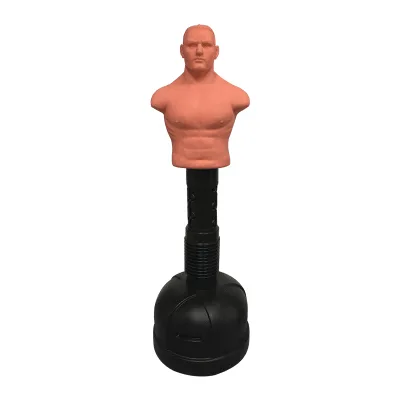
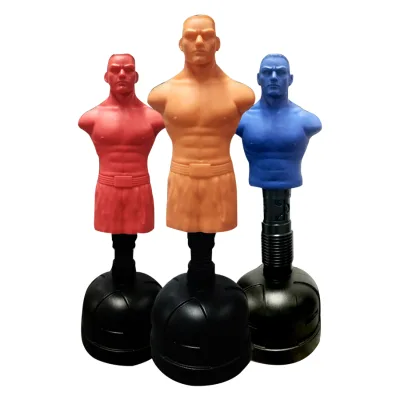
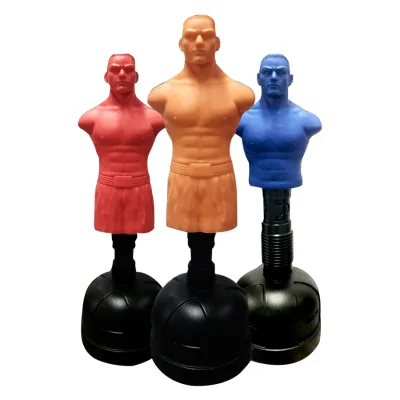
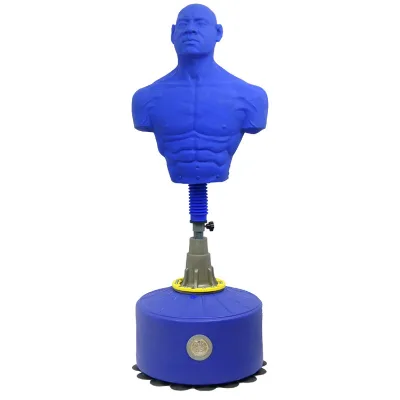

Comprehensive Sourcing Guide
Free Standing Boxing Dummy Sourcing Guide
Sourcing free standing boxing dummies requires a nuanced understanding of the diverse product landscape, which ranges from heavy, stationary training aids to lightweight, portable units designed for mixed martial arts (MMA) and home fitness. Buyers must navigate a market where product attributes vary significantly, including materials such as silicone, polyurethane (PU), and leather, each offering distinct durability and tactile feedback profiles. The observed market data indicates a wide spectrum of offerings, with prices ranging from $36 to $304.95 USD, reflecting differences in construction quality, filling materials, and brand positioning. This price variance necessitates a careful evaluation of value versus cost, ensuring that the selected dummy aligns with the specific training intensity and frequency expected by the end-user.
Furthermore, the customization options available in this category allow businesses to tailor products to their specific branding and functional needs. Many suppliers offer OEM services, customized logos, and tailored packaging solutions, which are critical for private labelers and large-scale distributors. However, these customizations often come with minimum order quantities (MOQs) that can range from as low as one piece to as high as thirty pieces, depending on the complexity of the customization and the supplier’s production capabilities. Understanding these commercial terms is essential for negotiating favorable contracts and managing inventory risks, particularly when introducing new product lines to the market.
Product Scope and Observed Listing Signals
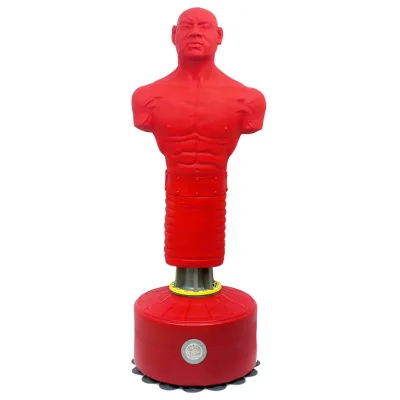
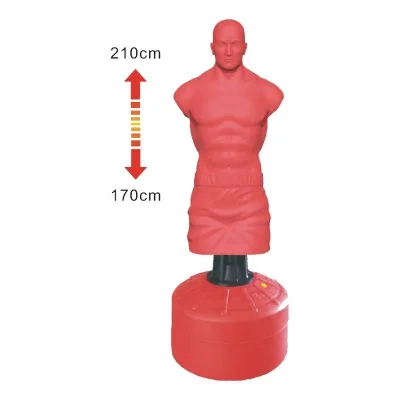
The product scope for free standing boxing dummies encompasses a variety of types, including pedestal punching bags, adjustable dummies, and specialized units for boxing, MMA, and Muay Thai training. Observed listings reveal specific models such as the KRS-BE and KRS-D, which differ in size, weight, and intended application. For instance, some units are designed for martial arts studios with substantial dimensions like 170cm or 185*100cm, while others are more compact, measuring 106/130cm or 180cm. These variations in size and weight, ranging from 3kg to 100kg, directly impact the dummy’s stability and suitability for different training styles, from light technical drills to heavy power striking.
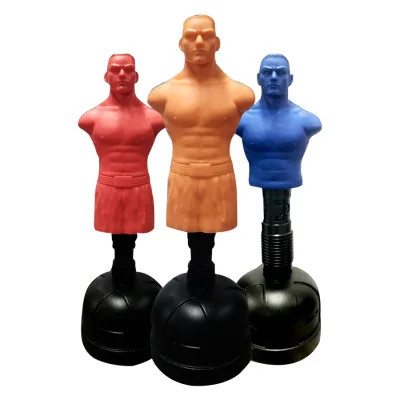
Material composition is another critical differentiator within the product scope. Listings indicate the use of silicone, PU, and leather, each offering unique benefits. Silicone dummies may provide a softer, more realistic impact feel, while PU and leather options often offer greater durability and resistance to wear and tear. The filling materials, such as sand or water, also play a crucial role in determining the dummy’s weight distribution and rebound characteristics. Buyers should carefully review these material specifications to ensure they match the intended use case, whether it is for high-impact training in a professional studio or for home fitness enthusiasts seeking a versatile training tool.
Technical Specifications to Verify
When evaluating technical specifications, buyers must prioritize the structural integrity and stability of the Free Standing Boxing Dummy. Key parameters to verify include the overall height, base dimensions, and total weight, as these factors determine the dummy’s resistance to tipping over during intense training sessions. For example, models with a weight of 70kg or 100kg are likely designed for heavy-duty use in professional settings, while lighter units weighing 3kg may be more suitable for portable or beginner-level training. Additionally, the single package size and gross weight are important for logistics planning, as they affect shipping costs and storage requirements.
The model number and standard specifications provided by suppliers serve as essential identifiers for quality control and consistency. Buyers should verify that the product standard matches the claimed weight and dimensions, ensuring that the dummy meets the expected performance criteria. For instance, a model labeled with a 100kg standard should consistently deliver that weight across units to maintain training consistency. Furthermore, the service life of the product, which may range from one to four years depending on usage intensity, should be considered when calculating the total cost of ownership. Verifying these technical details helps mitigate the risk of receiving substandard products that fail to meet training requirements.
Compliance and Safety Documentation
Compliance and safety are paramount when sourcing free standing boxing dummies, particularly for products intended for commercial use in martial arts studios or gyms. Buyers should request documentation that confirms the product meets relevant safety standards, ensuring that the materials used are non-toxic and the construction is robust enough to withstand repeated impact. While specific certification statuses may vary by region and supplier, it is crucial to verify that the dummy does not pose any health risks to users, such as the release of harmful chemicals from the filling or outer material.
Additionally, safety features such as secure fastening mechanisms and stable bases should be evaluated to prevent accidents during training. Buyers should inquire about the testing procedures employed by the supplier to ensure the dummy’s durability and safety under stress. This includes verifying that the filling materials, such as sand or water, are securely contained to prevent leakage, which could create slip hazards or damage the training environment. By prioritizing safety documentation, buyers can protect their brand reputation and ensure the well-being of their customers.
Cost Drivers and Commercial Terms
Cost drivers for free standing boxing dummies include material quality, customization complexity, and order volume. Higher-quality materials like leather or specialized silicone typically command higher prices, while basic PU or silicone options may be more cost-effective. Customization, such as adding a customized logo or specific packaging, can also increase the unit cost, especially if the MOQ is low. Buyers should analyze the price range of $36 to $304.95 USD in the context of these factors to determine the most cost-effective solution for their needs.
Commercial terms, including MOQs and payment conditions, significantly impact the procurement strategy. MOQs can range from one piece to thirty pieces, allowing for flexibility in order sizes but potentially affecting unit pricing. Buyers should negotiate terms that align with their inventory management capabilities and cash flow constraints. Additionally, understanding the packaging details, such as the use of woven bags or specific carton dimensions, can help optimize shipping costs and reduce the risk of damage during transit. Clear communication of these terms with suppliers is essential for establishing a smooth and efficient procurement process.
Supplier Qualification and Quality Control
Supplier qualification is a critical step in ensuring the reliability and consistency of Free Standing Boxing Dummy orders. Buyers should assess suppliers based on their production capabilities, quality control processes, and track record in the industry. Suppliers located in regions like Liaoning and Shandong, China, may offer competitive pricing and manufacturing expertise, but buyers must verify their ability to meet specific quality standards and delivery timelines. Requesting samples before placing bulk orders is a prudent strategy to evaluate product quality and supplier responsiveness.
Quality control measures should be clearly defined and agreed upon with the supplier to minimize the risk of defects. This includes establishing inspection criteria for materials, construction, and final product appearance. Buyers should also inquire about the supplier’s warranty and after-sales service policies, as these can provide valuable support in case of product issues. By conducting thorough due diligence and implementing robust quality control protocols, buyers can ensure that they receive high-quality products that meet their expectations and satisfy their customers.
Long-Term Procurement Checks
Long-term procurement checks involve monitoring supplier performance and product quality over time to ensure sustained value and reliability. Buyers should establish key performance indicators (KPIs) such as on-time delivery rates, defect rates, and customer satisfaction scores to evaluate supplier effectiveness. Regular audits and feedback loops can help identify areas for improvement and foster a collaborative relationship with the supplier. Additionally, staying informed about market trends and technological advancements in boxing dummy design can help buyers make informed decisions about product updates and innovations.
Furthermore, buyers should periodically review their inventory levels and sales data to optimize order quantities and reduce holding costs. This involves analyzing the demand patterns for different models and sizes to ensure that the product mix aligns with market needs. By maintaining a proactive approach to procurement management, buyers can mitigate risks, enhance operational efficiency, and capitalize on opportunities for growth in the Free Standing Boxing Dummy market. Continuous evaluation and adaptation are key to maintaining a competitive edge and delivering value to customers.
FAQs
Can I get a customized logo on the punching dummy?
Yes, customized logos are available for this product. The listing confirms that buyers can request their own logo to be printed on the dummy, allowing for brand personalization for martial arts studios or training centers.
What materials are used to make these boxing dummies?
These dummies are constructed from silicone, PU, or leather depending on the specific model. The product page lists multiple material options including silicone, PU fabric, and leather to suit different durability and training needs.
Which sizes are available for the Free Standing Boxing Dummy?
Available sizes include 170cm, 180cm, 185 by 100cm, and 106 by 130cm. Some models also offer fully customized sizes to meet specific space requirements or user height preferences for optimal training results.
What is the minimum order quantity for these products?
The minimum order quantity varies between 1 and 30 pieces depending on the specific item. Listings show MOQs of 1, 5, 6, and 30 pieces, providing flexibility for both small trial orders and larger bulk purchases.
How much does a Free Standing Boxing Dummy weigh?
Weights range from 3kg to 100kg based on the model and filling. Specific listings indicate standard weights of 3kg, 70kg, and 100kg, with some units filled with sand or water to achieve the desired stability.
Can I use these dummies for MMA and Muay Thai training?
Yes, these dummies are designed for boxing, MMA, Muay Thai, and home fitness. The product application explicitly lists multiple combat sports including martial arts studios, making them versatile for various training disciplines.