Source Friction Welding Machine for Automotive Parts, Pipes, and Shafts
Compare 30 Friction Welding Machine models with varying capacities, speeds, and clamping forces. Buyers can evaluate specifications like max upsetting force and productivity to find suitable options for automotive parts, pipes, and shafts.
Key considerations
Products List


Hydraulic Type Competition Welding Equipment Friction Welding Machine
$10000.00 - $50000.00
MOQ: 1 Sets


Automatic Hydraulic Type Pump Shaft Equipment Friction Welding Machine
$20000.00 - $30000.00
MOQ: 1 Sets

Automatic Hydraulic Friction Welding Machine Friction Welder with Servo Motor
$10000.00 - $100000.00
MOQ: 1 Sets

High Efficiency Automatic Direct Drive Rotary Friction Welding Machine
$115000.00 - $280000.00
MOQ: 1 Sets

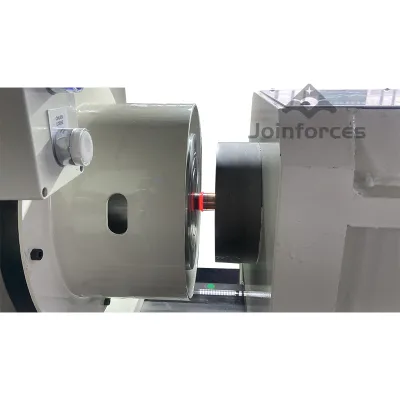


Simple Operation, No After-Sales Double Servo Friction Welding Machine
$14999.00 - $79999.00
MOQ: 1 Sets

Dual Servo High Performance Friction Welding Machine for Energy and Mining
$14999.00 - $79999.00
MOQ: 1 Sets


Dual Servo Friction Welding Machine for Copper and Aluminum Cable Lugs
$14999.00 - $49999.00
MOQ: 1 Sets

$4999.00 - $95000.00
MOQ: 1 Sets

$10000.00
MOQ: 1 Pieces

Comprehensive Sourcing Guide
Friction Welding Machine Sourcing Guide
Friction welding is a solid-state joining process that generates heat through mechanical friction between workpieces, followed by a forging action to create a robust bond. This method is particularly valuable in industrial procurement because it avoids the metallurgical defects often associated with fusion welding, such as porosity or excessive heat-affected zones. For buyers in the automotive, aerospace, and heavy machinery sectors, sourcing the correct Friction Welding Machine requires a nuanced understanding of machine types, force capacities, and control systems. The market offers a diverse range of equipment, from small-scale inertia welders to large direct-drive rotary systems, each tailored to specific production volumes and part geometries.
Procurement decisions must be grounded in the specific technical requirements of the welding task, including the diameter and length of the workpieces, the required throughput, and the material compatibility. The supplied data indicates a wide variance in machine capabilities, with models ranging from the C20-SF to the Y320-C, suggesting that buyers must carefully match their production needs to the machine’s maximum upsetting force, spindle speed, and stroke length. Understanding these parameters is critical to ensuring that the selected equipment can handle the intended workload without premature wear or operational bottlenecks.
Product Scope and Observed Listing Signals
The current market landscape for friction welding machines includes a variety of configurations, primarily categorized by their drive mechanism and control system. Listings indicate the presence of both inertia friction welders and direct drive rotary friction welding machines, each serving distinct operational needs. Inertia welders typically utilize a flywheel to store kinetic energy, making them suitable for shorter cycle times and high-volume production of smaller components. In contrast, direct drive systems offer continuous power input, allowing for greater control over the welding process and the ability to weld larger or more complex geometries. Buyers should identify which mechanism aligns with their specific part dimensions and production rhythm.
Observed listing signals reveal a significant range in product specifications, reflecting the customization available in this sector. For instance, the maximum forging force varies widely, with some models offering 40kn to 200kn, while others support up to 1250kn or even 25-1200kn of upsetting force. Similarly, the main shaft speed ranges from 0-1500rpm to 3800r/Min, indicating that buyers must select a machine capable of achieving the necessary rotational velocity for their specific material pairings. The observed price range of 1-280000 USD further underscores the diversity in machine scale and complexity, requiring buyers to align their budget with the technical demands of their welding applications.
Technical Specifications to Verify
When evaluating technical specifications, the maximum upsetting force is a critical parameter that determines the machine’s ability to forge the joint under pressure. Buyers must verify that the machine’s force capacity exceeds the requirements of their specific workpiece materials and dimensions. For example, models like the C20-SF and C80-SF offer different force ranges, and selecting the wrong capacity can lead to weak joints or machine overload. Additionally, the maximum stroke of the worktable or workbench, which ranges from 200mm to 400mm in observed listings, must be sufficient to accommodate the length of the workpieces and allow for proper upset displacement.
Another essential specification to verify is the spindle speed and the frequency range of the machine. High-frequency options are available, and the main shaft speed can reach up to 2000rpm or 3800r/Min, depending on the model. Buyers should ensure that the selected speed range is compatible with the thermal properties of the materials being welded, as excessive speed can lead to overheating, while insufficient speed may result in inadequate heat generation. Furthermore, the diameter of the welding workpiece, which can range from 4mm to 100mm or more, must be within the machine’s clamping and rotational capabilities to ensure secure handling and consistent weld quality.
Compliance and Safety Documentation
Compliance with international safety standards is paramount when operating friction welding machinery, which involves high-speed rotation and significant mechanical forces. Buyers should verify that the machine meets relevant export standards and local safety regulations, such as CE certification where applicable. Although specific certification statuses may vary by supplier, the presence of export-standard packaging and documentation is a positive indicator of a supplier’s commitment to regulatory compliance. Buyers must ensure that all safety guards, emergency stop mechanisms, and interlock systems are installed and functional before commissioning the machine.
Documentation regarding the machine’s electrical and cooling systems is also crucial for long-term operational safety. Observed listings indicate that machines typically operate on AC current and utilize water cooling systems to manage heat generation. Buyers should request detailed electrical schematics and cooling system maintenance guides to ensure that their facility’s power infrastructure can support the machine’s requirements. Additionally, verifying the warranty terms, which are often listed as one year, provides insight into the supplier’s confidence in the machine’s reliability and their commitment to post-sale support.
Cost Drivers and Commercial Terms
The cost of a Friction Welding Machine is influenced by several factors, including the maximum upsetting force, spindle speed, and the level of automation. Machines with higher force capacities and more advanced control systems, such as automatic operation, tend to be more expensive. Buyers should also consider the customization options available, as many suppliers offer tailored solutions to meet specific production needs. The observed customization availability suggests that buyers can negotiate specifications to optimize performance and cost, but this may impact the lead time and final price.
Commercial terms, including packaging and shipping, also play a significant role in the total cost of ownership. Observed listings indicate that machines are typically packed in wooden cases or boxes, with some suppliers offering packaging according to customer requests. Buyers should clarify who is responsible for shipping and insurance costs, as well as the lead time for delivery. Additionally, the minimum order quantity (MOQ) ranges from 1 to 100 units, indicating that while single-unit purchases are possible, bulk orders may offer better pricing or terms. Buyers should evaluate the total landed cost, including installation and training, to make an informed procurement decision.
Supplier Qualification and Quality Control
Supplier qualification is a critical step in the procurement process, as the quality of the Friction Welding Machine directly impacts production efficiency and product quality. Buyers should assess the supplier’s manufacturing capabilities, quality control processes, and after-sales support. The observed brand name "Joinforces" and the origin of the machines in China, specifically Ningbo, provide some context, but buyers should conduct due diligence to verify the supplier’s reputation and financial stability. Requesting references from existing customers and visiting the manufacturing facility, if possible, can provide valuable insights into the supplier’s operational standards.
Quality control measures should include factory acceptance tests (FAT) to verify that the machine meets the agreed-upon specifications before shipment. Buyers should define clear acceptance criteria, including performance tests for maximum force, speed, and weld quality. Additionally, suppliers should provide comprehensive documentation, including operation manuals, maintenance schedules, and spare parts lists. The observed low maintenance cost as a key selling point suggests that some machines are designed for durability, but buyers should still verify the availability and cost of replacement parts to ensure long-term operational continuity.
Long-Term Procurement Checks
Long-term procurement success depends on the supplier’s ability to provide consistent support and spare parts availability. Buyers should establish a clear communication channel with the supplier for technical support and troubleshooting. The observed one-year warranty is a baseline, but buyers should negotiate extended warranty options or service contracts to mitigate the risk of unexpected downtime. Additionally, buyers should monitor the supplier’s product updates and technological advancements to ensure that their equipment remains competitive and efficient over time.
Regular maintenance and performance monitoring are essential to extending the lifespan of the Friction Welding Machine. Buyers should implement a preventive maintenance schedule based on the supplier’s recommendations, including regular checks of the hydraulic systems, cooling units, and electrical components. Training for operators and maintenance staff is also crucial to ensure that the machine is used correctly and that any issues are identified and addressed promptly. By focusing on these long-term checks, buyers can maximize the return on their investment and maintain high-quality production standards.
FAQs
What is the maximum forging force available for these machines?
The maximum forging force varies by model, ranging from 40kn to 200kn for standard units, while heavy-duty options can reach up to 1250kn. This range allows buyers to select equipment suitable for specific workpiece diameters and material strengths, ensuring optimal performance for diverse industrial welding applications without over-specifying machinery.
Can these friction welding machines be customized for specific needs?
Yes, customization is available for many models to meet unique production requirements. Buyers can specify parameters such as clamping length, stroke, and spindle speed. This flexibility ensures the machine aligns precisely with existing factory workflows and specific workpiece dimensions, enhancing operational efficiency and reducing the need for extensive post-processing adjustments.
What is the typical productivity rate for these welding machines?
Productivity typically ranges from 150 to 400 pieces per hour, depending on the specific model and workpiece complexity. Higher-end models with greater upsetting force and optimized shaft speeds can achieve faster cycle times. This output rate supports high-volume manufacturing environments, making these machines suitable for automotive parts and large-scale industrial component production.
How are these machines packaged for international shipping?
Machines are commonly packed in wooden cases or wooden boxes to ensure safe transit. Some suppliers offer packaging according to customer requests or export standards. This robust packaging protects sensitive mechanical components and control systems from damage during long-distance shipping, ensuring the equipment arrives in optimal condition for immediate installation and commissioning.
What is the warranty period for these friction welding machines?
A standard one-year warranty is typically provided for these machines. This coverage helps protect buyers against manufacturing defects and ensures support during the initial operational phase. Buyers should verify specific warranty terms with suppliers, as conditions may vary based on the model, customization level, and the specific supplier's policy regarding maintenance and spare parts.
What is the main shaft speed range for these machines?
The main shaft speed generally ranges from 0 to 2000rpm, with some models reaching up to 3800r/min. This variable speed control allows for precise adjustment of the welding process, accommodating different material types and joint configurations. Buyers can select models with appropriate speed ranges to optimize heat generation and forging pressure for their specific applications.