Source Fridge Magnet Making Machine for Retail, Advertising, Home
Explore 30 Fridge Magnet Making Machine options to compare specifications, pricing, and supplier capabilities. This guide helps buyers evaluate manual and semiautomatic models suitable for various production needs and business applications.
Key considerations
Products List
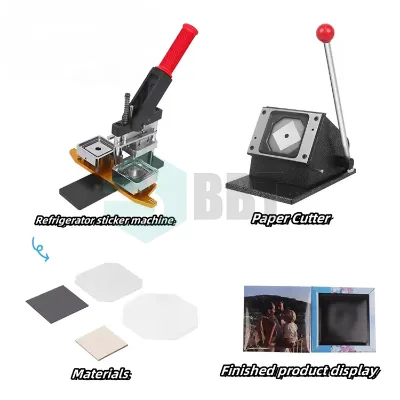


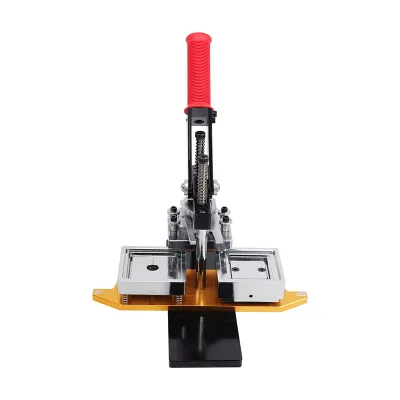


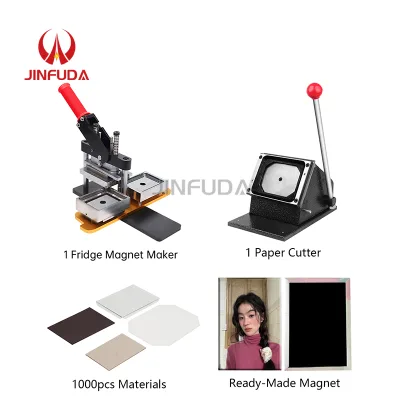


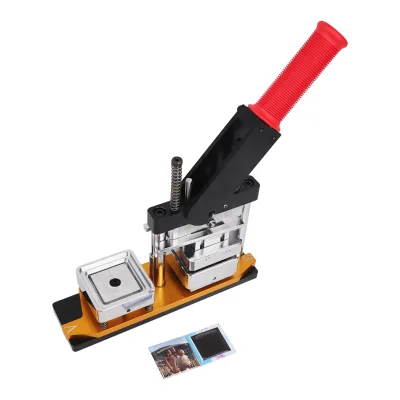
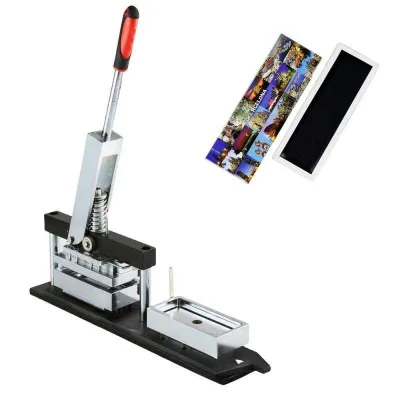
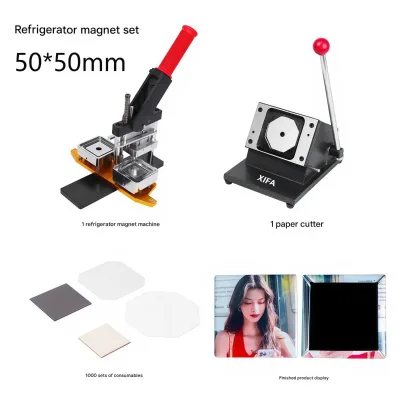
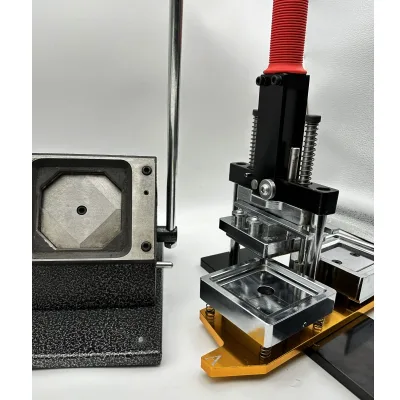
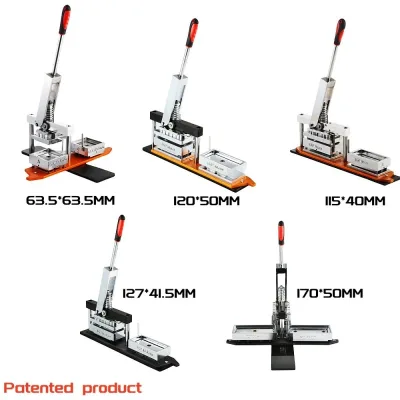
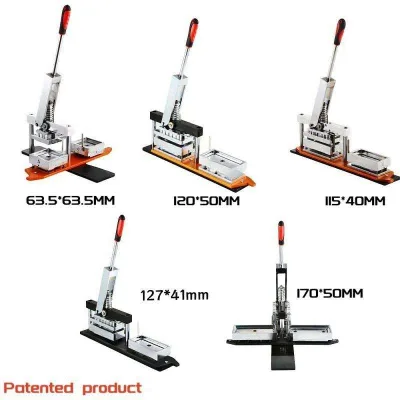
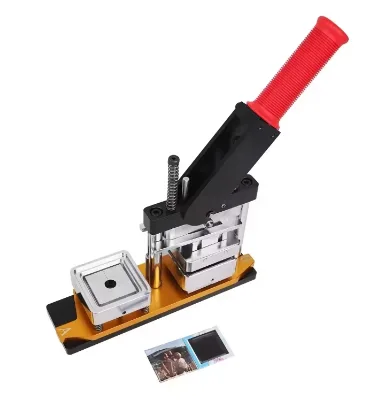
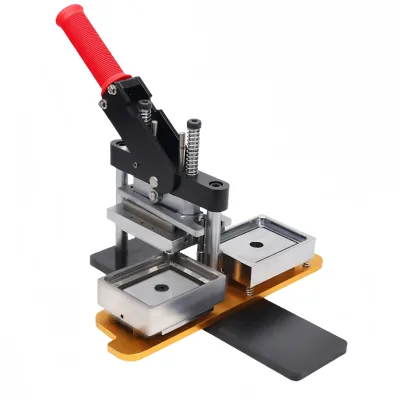
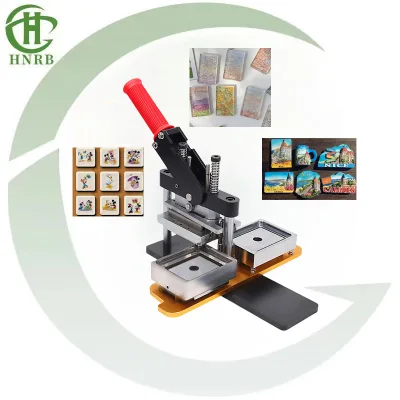
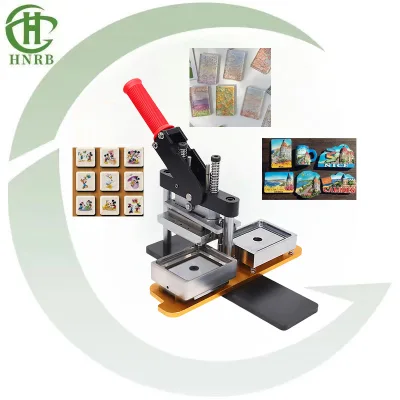
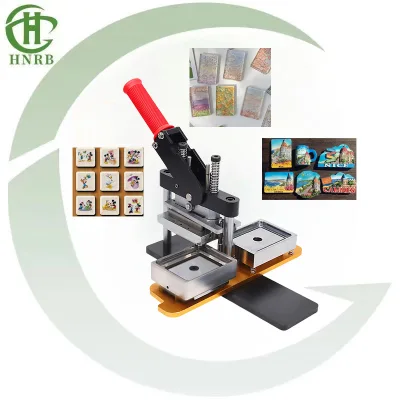
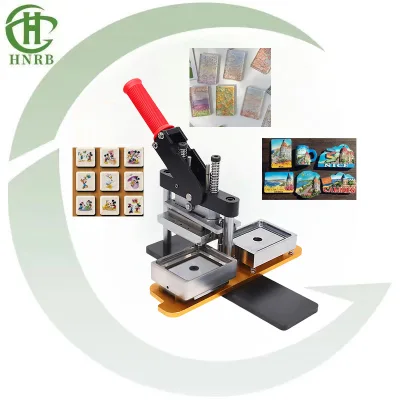
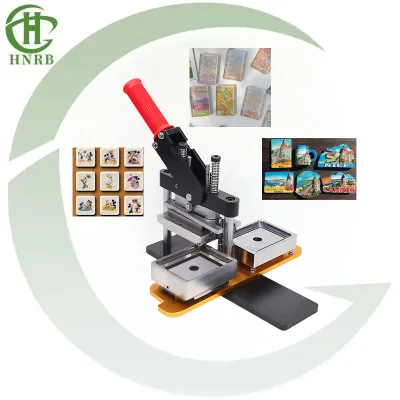

Comprehensive Sourcing Guide
Fridge Magnet Making Machine Sourcing Guide
Sourcing a Fridge Magnet Making Machine requires a clear understanding of the specific production volume, material types, and final product shapes you intend to manufacture. These machines are generally designed for small to medium-scale production, allowing businesses to create custom promotional items, retail goods, or personal gifts. The equipment typically supports various shapes, including squares, rectangles, and circles, and can handle different core materials such as iron or rubber magnets. Buyers must carefully evaluate whether a handheld, semi-automatic, or fully automatic system best fits their operational capacity and budget constraints.
The procurement process involves verifying technical specifications, warranty terms, and after-sales support structures before finalizing any purchase. Since these machines often involve mechanical pressing and cutting components, the build quality and durability of the core components are critical for long-term reliability. Buyers should prioritize suppliers who provide comprehensive documentation, including machinery test reports and clear warranty policies, to mitigate the risk of operational downtime. Understanding the total cost of ownership, including consumables and mold replacements, is essential for accurate financial planning.
Product Scope and Observed Listing Signals
The market for fridge magnet making machines presents a diverse range of options, with observed listing prices spanning from low-cost entry-level units to higher-end specialized equipment. This wide price variance often reflects differences in automation levels, included accessories, and the quality of the metal construction. Listings frequently highlight features such as all-metal bodies, semiautomatic operation, and the inclusion of multiple mold sets for different magnet sizes. Buyers should note that some listings bundle the machine with essential consumables, such as 1000 sets of materials, which can significantly impact the initial investment and immediate production readiness.
Observed minimum order quantities (MOQ) for these machines are typically set at one set, indicating that suppliers are willing to accommodate single-unit purchases for small businesses or individual entrepreneurs. This low barrier to entry allows buyers to test the equipment with minimal financial risk. However, the scope of products varies, with some machines specialized for square or rectangular fridge magnets, while others support badge-making or button magnet production. It is crucial to verify the specific shape capabilities, such as 50mm, 63.5mm, or custom sizes, to ensure the machine aligns with your target market’s preferences.
Technical Specifications to Verify
When evaluating technical specifications, the physical dimensions and weight of the machine are primary considerations for logistics and workspace planning. Observed data indicates that single package sizes can vary, with some units measuring approximately 47x62x62 cm and weighing around 56 kg, while others are more compact at 43x18x30 cm with a weight of 35 kg. These differences affect shipping costs and the required floor space in your production facility. Buyers must confirm the exact dimensions and gross weight of the specific model they are purchasing to avoid unexpected logistical challenges upon delivery.
The operational mechanics of these machines often involve manual or semiautomatic power supplies, with some models featuring specific core components like motors for enhanced functionality. Compatibility with various molds is a key technical aspect, with many machines supporting standard sizes such as 50mm, 58mm, and 63.5mm, as well as custom shapes like ovals or rectangles. Buyers should verify the available color options, such as black, and the material composition, which is often all-metal for durability. Additionally, checking the automatic grade and power supply type ensures the machine fits your existing workflow and skill level.
Compliance and Safety Documentation
Safety and compliance documentation are critical for ensuring the machine meets local regulatory standards and operates safely in your facility. Buyers should request machinery test reports from the supplier, as these documents provide evidence of the machine’s performance and safety features. While some listings mention certifications like CE, buyers must verify the validity and scope of these certifications independently, as they may not apply to all models or regions. Ensuring that the machine complies with local electrical and mechanical safety standards is essential to avoid legal liabilities and ensure operator safety.
Warranty and after-sales support are integral components of the compliance and risk management strategy. Observed warranty periods range from one to two years, covering core components and general machine functionality. Buyers should clarify the extent of the warranty, including what parts are covered and the process for claiming repairs or replacements. Additionally, verifying the availability of 24-hour online support can be crucial for troubleshooting technical issues quickly. A robust support structure minimizes downtime and ensures that any operational problems are resolved efficiently, protecting your investment.
Cost Drivers and Commercial Terms
The total cost of acquiring a Fridge Magnet Making Machine is influenced by several factors, including the machine’s automation level, included accessories, and packaging requirements. Machines that come with multiple mold sets and consumables may have a higher upfront cost but offer better value by reducing the need for immediate additional purchases. The packaging method, such as standard export wooden cases or fumigation-free wooden cases, also impacts shipping costs and handling requirements. Buyers should request a detailed breakdown of costs, including the machine price, packaging fees, and any additional charges for molds or consumables.
Commercial terms, including payment methods, shipping arrangements, and return policies, play a significant role in the procurement process. Buyers should negotiate clear terms regarding delivery times and responsibilities for customs clearance and import duties. Since the place of origin for many of these machines is China, understanding the logistics chain and potential delays is important for planning production schedules. Additionally, buyers should inquire about the availability of spare parts and the cost of future consumables to estimate the long-term operational expenses accurately.
Supplier Qualification and Quality Control
Evaluating supplier qualification is essential to ensure you are partnering with a reliable manufacturer or distributor. Buyers should verify the supplier’s business credentials, including their registration details and history in the industry. Checking for customer reviews and testimonials can provide insights into the supplier’s reputation and the quality of their products. Additionally, verifying the supplier’s ability to provide customization options, such as specific machine models or branding, can be important for businesses looking to differentiate their offerings.
Quality control measures should be implemented both before and after the purchase. Buyers should request detailed product specifications and photos of the actual machine before making a payment. If possible, conducting a pre-shipment inspection or requesting video demonstrations of the machine in operation can help verify its condition and functionality. Establishing a clear communication channel with the supplier for addressing any quality issues post-delivery is also crucial. A proactive approach to quality control helps mitigate risks and ensures that the machine meets your expectations.
Long-Term Procurement Checks
Long-term procurement success depends on establishing a sustainable relationship with your supplier and ensuring the machine’s longevity. Buyers should plan for regular maintenance and servicing to keep the machine in optimal condition. Understanding the recommended maintenance schedule and having access to technical support for routine checks can prevent major breakdowns and extend the machine’s lifespan. Additionally, keeping a stock of essential consumables and spare parts can reduce downtime and ensure continuous production.
As your business grows, you may need to upgrade or expand your production capabilities. Maintaining a good relationship with your supplier can facilitate easier access to new models, upgrades, or additional molds. Buyers should periodically review their production needs and compare them with the machine’s capabilities to identify any gaps. Staying informed about industry trends and new technologies in fridge magnet making can also help you make informed decisions about future investments. A strategic approach to long-term procurement ensures that your equipment remains a valuable asset to your business.
FAQs
What is the minimum order quantity for this Fridge Magnet Making Machine
The minimum order quantity is one set. This allows buyers to purchase a single unit for testing or small-scale production without committing to bulk orders. The machine is sold as a single item, making it accessible for startups or individual entrepreneurs.
What sizes of fridge magnets can this machine produce
The machine supports square and rectangular shapes with dimensions including 50x50mm, 63.5x63.5mm, and 65x90mm. It is compatible with molds for these specific sizes, allowing for consistent production of standard fridge magnet formats. Customized sizes may also be available upon request.
What is the warranty period for the Fridge Magnet Making Machine
The machine comes with a one-year warranty. This coverage period ensures that buyers have protection against manufacturing defects during the initial phase of operation. After-sales support is also available online for 24 hours to assist with any technical issues.
What materials are used in the construction of this machine
The machine is constructed with all-metal materials, ensuring durability and stability during operation. The button material is iron, which is essential for the magnetic function of the final product. The robust metal build supports the semi-automatic nature of the equipment.
What is the power supply requirement for this machine
The machine operates with a manual power supply, meaning it does not require electrical connection for basic operation. This manual operation reduces energy costs and allows for use in locations with limited power infrastructure. It is designed for semi-automatic production processes.
What packaging is used for shipping the Fridge Magnet Making Machine
The machine is packed in a standard export wooden case. This packaging is fumigation-free, ensuring compliance with international shipping regulations. The single package size is 47x62x62 cm, with a gross weight of 56 kg, facilitating safe transport.
Can the Fridge Magnet Making Machine be customized
Yes, customization is available for this machine. Buyers can request specific configurations or adjustments to suit their production needs. The machine supports various mold shapes including oval, rectangle, and square, allowing for flexible product output.