Source Friction Pull-Back Car Toy for Kids, Collectors, and Retailers
Explore 30 Friction Pull-Back Car Toy options for children, collectors, and retail inventory. Compare materials like PVC, plastic, and metal, along with models such as CH-X070 and RFD309182, to find suitable pull-back vehicles for various age groups and packaging needs.
Key considerations
Products List


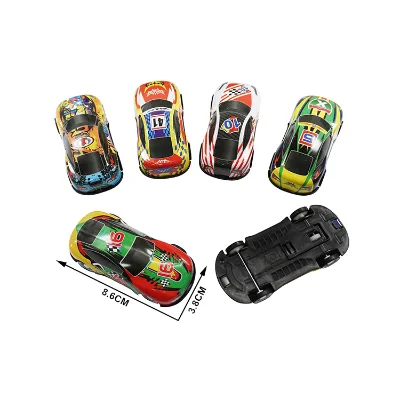
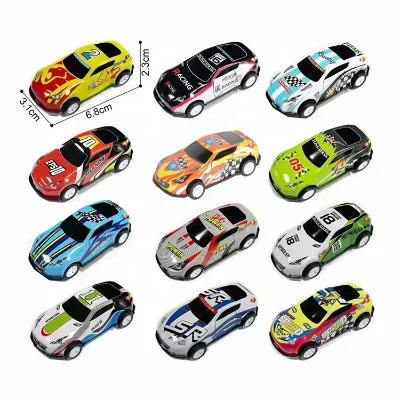
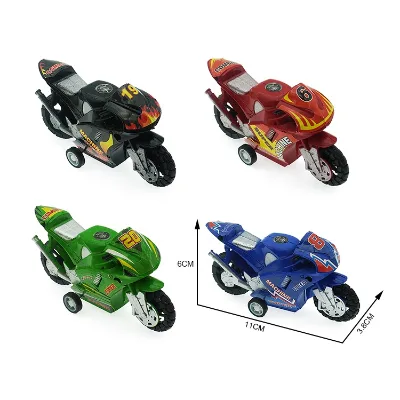
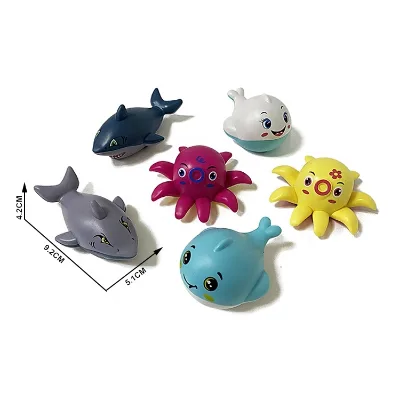
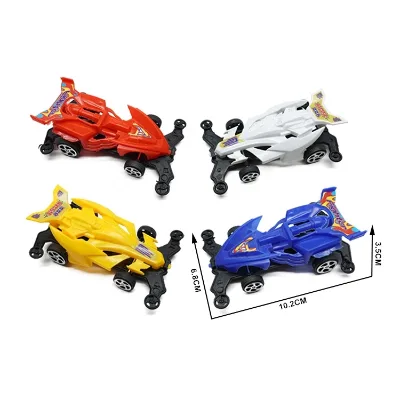
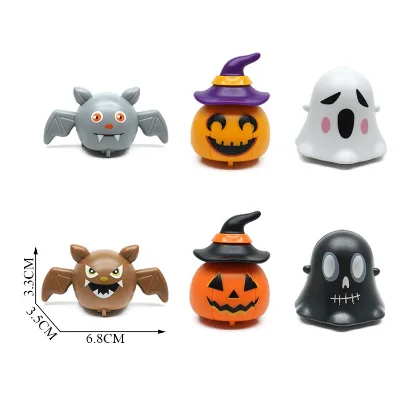
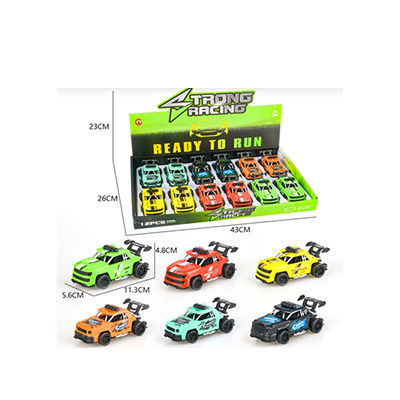
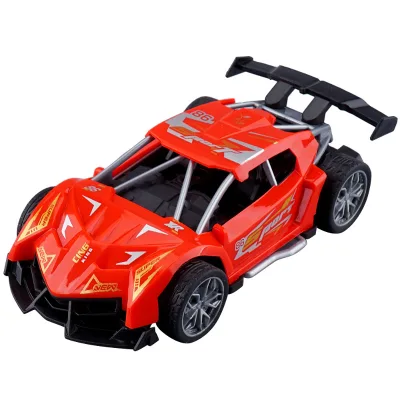


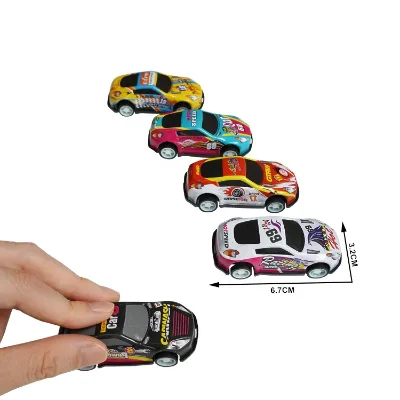
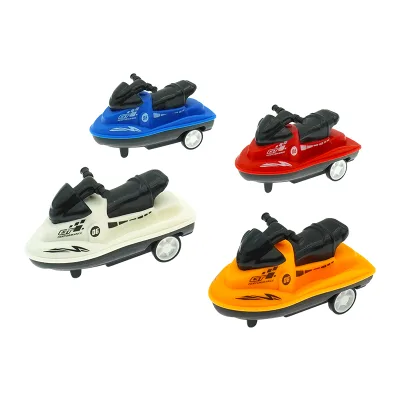
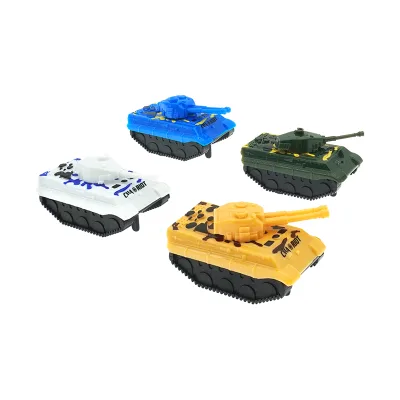
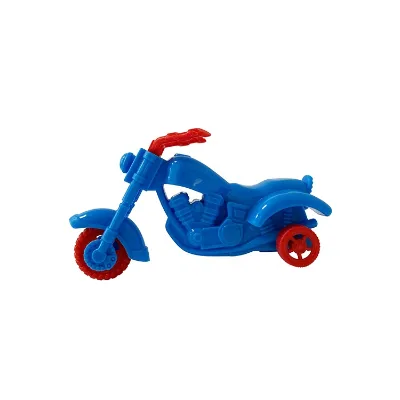
Comprehensive Sourcing Guide
Friction Pull-Back Car Toy Sourcing Guide
Buyers evaluating friction pull back car toys must first distinguish between the various material compositions observed in current listings, ranging from durable PVC and plastic to metal alloy constructions. The product data indicates specific models like the CH-X070 and RFD346294 utilize different base materials, which directly influences the vehicle's weight, durability, and the force required for the pull-back mechanism to function effectively. Understanding these material variances is essential for selecting the right product for specific age groups, particularly the 3-8 years demographic noted in the catalog, as heavier metal models may offer a different play experience compared to lighter plastic alternatives.
Procurement decisions should also account for the diverse packaging and storage requirements associated with these toys, as some listings suggest storage at room temperature while others imply refrigerated conditions, a contradiction that requires immediate clarification with the supplier. The observed packing standards vary significantly, from simple carton packing to complex configurations like 30 pieces per 24 boxes or specific tray arrangements, which impacts logistics planning and shelf-life management. Buyers must verify the intended storage environment for their specific order to prevent material degradation or packaging failure during transit and storage, ensuring the product arrives in optimal condition for retail display.
Product Scope and Observed Listing Signals
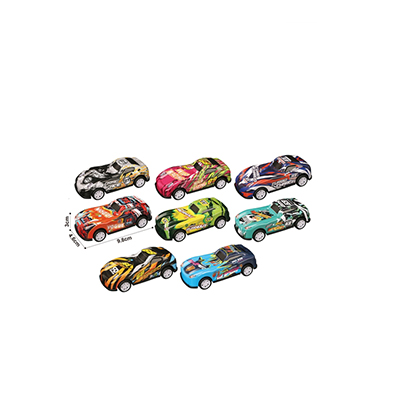
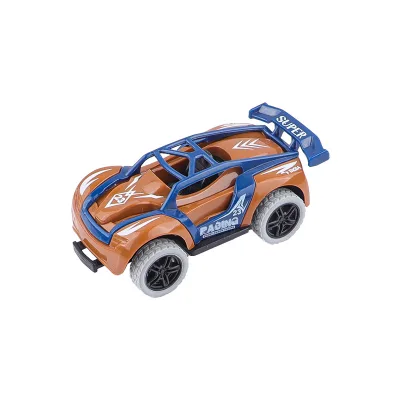
The market for friction pull back car toys presents a wide spectrum of product types, including cartoon-style toys, racing cars, and miniature alloy vehicles, each catering to distinct consumer preferences and play patterns. Listings explicitly mention features such as "Funny" usage and "Simple Color" logo printing, suggesting that visual appeal and basic functionality are primary selling points for this category. The presence of models like the 8.6cm Alloy Pull-Back Iron Car alongside plastic variants indicates that buyers can source products with varying levels of perceived quality and price points, allowing for a diversified inventory strategy that targets different market segments within the toy industry.
Buyers must carefully analyze the "Adaptive Object" attribute, which is listed as "Unlimited" in some contexts, to understand the intended versatility of the product across different user groups. While the core function remains consistent as a pull-back vehicle, the specific content descriptions, such as "Mini Pull-Back Car Toy" versus "Pull-Back Racing Car Toy," highlight the need for precise specification matching to avoid receiving generic stock that does not align with the buyer's brand identity. The observed price range of 0.04 to 31 USD further underscores the importance of defining clear product expectations, as the cost disparity likely reflects differences in material quality, packaging complexity, and the level of customization offered by the manufacturer.
Technical Specifications to Verify
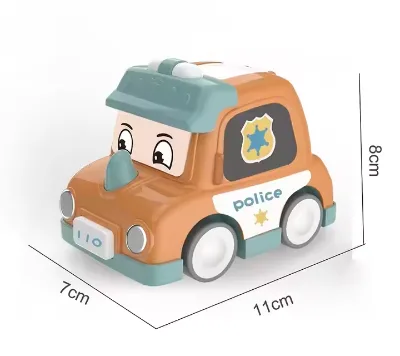
When verifying technical specifications, buyers should prioritize the exact dimensions and model numbers provided in the product data, such as the 1365cm size for model RFD309182 or the 37.526.55cm dimensions for RFD296665. These measurements are critical for calculating shipping volume and determining the most efficient packing configuration, especially given the varied standard packing ratios like 30 pieces per 24 boxes or 20 pieces per 30 PVC units. Ensuring that the physical dimensions match the buyer's logistical requirements prevents unexpected freight costs and maximizes container utilization, which is a key factor in maintaining competitive pricing for the final retail product.
The mechanical performance of the friction pull-back mechanism must be validated against the specific material composition, as metal and plastic models will exhibit different recoil distances and speeds. Buyers should request sample testing to confirm that the "Pull-Back Vehicle" feature functions reliably across the entire batch, particularly for models like the CH-X098 and XQ150128 which may have different internal spring tensions or gear ratios. Additionally, the absence of sound in certain models, as noted in the product attributes, should be confirmed to ensure it aligns with the buyer's product strategy, as some markets may prefer silent play while others expect auditory feedback from the toy.
Compliance and Safety Documentation
Safety compliance is a non-negotiable aspect of sourcing toys for children, and buyers must verify that all products meet the relevant international standards for the target market, such as EN71 or ASTM F963, even though these are listed as low-confidence background facts. The product data mentions RoHS certification as a background attribute, but buyers should not assume this status applies to every item without explicit documentation from the supplier. It is essential to request current test reports that specifically cover the materials used, such as PVC, plastic, or metal, to ensure they are free from harmful substances and meet the safety requirements for the 3-8 years age group.
Documentation regarding the "Instruction for Use" must be clear and accurate, particularly given the contradictory storage instructions observed in the listings, which range from room temperature to refrigerated conditions. Buyers should ensure that the packaging includes unambiguous safety warnings and usage guidelines that are appropriate for the specific toy type, whether it is a cartoon toy or a racing car. The supplier must provide proof that the product labeling and instructions comply with local regulations in the destination country, as failure to do so can result in customs delays or product recalls, making the verification of these documents a critical step before finalizing any purchase order.
Cost Drivers and Commercial Terms
The cost of friction pull back car toys is heavily influenced by the choice of material, with metal alloy models generally commanding a higher price point than their plastic or PVC counterparts. The observed price range of 0.04 to 31 USD reflects these material differences, as well as the complexity of the packaging and the level of customization, such as logo printing or specific color schemes. Buyers should analyze the cost structure to understand how much of the price is attributed to raw materials versus manufacturing and packaging, ensuring that the selected product offers the best value for the intended retail price point without compromising on safety or durability.
Commercial terms, including the Minimum Order Quantity (MOQ) and lead times, vary significantly across the supplier base, with MOQs ranging from 1 carton to 10,000 units depending on the specific model and customization requirements. The standard packing configurations, such as 30 pieces per 24 boxes, directly impact the total order volume and the associated shipping costs, making it crucial for buyers to negotiate terms that align with their inventory turnover rates. Additionally, the origin of the products, primarily from Guangdong, China, and specific locations like Chenghai and Shantou, should be considered when calculating landed costs, as these regions have established logistics networks that can affect both pricing and delivery timelines.
Supplier Qualification and Quality Control
Supplier qualification should focus on verifying the production capabilities and quality control processes of manufacturers located in key toy hubs like Chenghai and Shantou, which are known for their specialized toy manufacturing ecosystems. Buyers must assess whether the supplier has the capacity to handle the specific customization requests, such as the "Simple Color" logo printing or the "Cartoon Toy" style, while maintaining consistent quality across large batches. The presence of multiple product models with different specifications suggests that a capable supplier should be able to manage a diverse product line, but buyers should confirm their ability to maintain strict quality control standards for each distinct model.
Quality control protocols must be established to ensure that every unit meets the specified standards, particularly regarding the mechanical function of the pull-back mechanism and the integrity of the packaging. Buyers should implement a rigorous inspection process that checks for defects in the material, such as cracks in the plastic or rust on metal parts, and verifies that the packaging meets the stated standards like "Carton Packing" or "by Sea and Air." Regular third-party inspections are recommended to validate that the production output matches the agreed-upon specifications, ensuring that the final product delivered to the market is safe, functional, and visually appealing.
Long-Term Procurement Checks
Long-term procurement success depends on establishing a reliable supply chain that can consistently deliver high-quality friction pull back car toys while adapting to market trends and regulatory changes. Buyers should maintain open communication with suppliers to monitor any updates in material availability or production standards, ensuring that the product line remains competitive and compliant over time. The ability of the supplier to scale production up or down based on demand fluctuations is a critical factor, especially given the wide range of MOQs observed, which allows for flexibility in managing inventory levels without incurring excessive costs.
Continuous performance monitoring is essential to identify any potential issues with product quality or delivery timelines before they impact the business. Buyers should track key performance indicators such as defect rates, on-time delivery percentages, and customer feedback to ensure that the supplier continues to meet expectations. Regular audits and feedback loops with the supplier can help address any recurring issues, such as inconsistencies in the "Multi-Colored" appearance or variations in the "Pull-Back Vehicle" performance, fostering a collaborative relationship that supports long-term growth and market success.
FAQs
What materials are used for friction pull back car toys?
These toys are primarily constructed from PVC, plastic, and metal components. The specific material depends on the model, with some featuring alloy bodies for durability. Buyers should verify the exact composition for each product code to ensure compliance with safety standards and desired tactile quality for the end user.
Can these toys be customized with a specific logo?
Yes, customization is available for many models, including simple color logo printing. Buyers can request specific branding on the toy bodies or packaging. It is essential to confirm the customization options and minimum order quantities directly with the supplier to ensure the design meets your brand requirements and production capabilities.
What is the typical packaging standard for these cars?
Packaging typically involves carton packing with specific quantities per box, such as 30 pieces per 24 boxes or 20 pieces per 30 PVC trays. The standard dimensions vary by model, ranging from small individual boxes to larger master cartons. Buyers should check the exact packing details for each product code to plan logistics effectively.
Where are these pull back cars manufactured?
These toys are manufactured in China, specifically in regions like Guangdong, Chenghai, and Shantou. These areas are known for their robust toy manufacturing infrastructure. Buyers can source from various factories in these locations, ensuring access to a wide range of models and competitive pricing structures for bulk orders.
What is the minimum order quantity for these toys?
The minimum order quantity varies, often starting at one carton or as low as one piece for samples. Some suppliers require bulk orders of up to 10,000 pieces. Buyers should verify the specific MOQ for each product model to align with their inventory needs and budget constraints before placing an order.
Are these toys suitable for children aged 3 to 8?
Yes, many models are explicitly designed for children aged 3 to 8 years. The toys feature simple, colorful designs and safe materials suitable for this age group. Buyers should always check the specific age recommendations and safety certifications for each product to ensure they meet the regulatory requirements of their target market.