Source Front Disc Brake Caliper for Cars, Trucks, and Buses
Explore 30 listings for the Front Disc Brake Caliper from verified Chinese manufacturers. Buyers can compare specifications like piston diameter, material, and certifications to find suitable options for various vehicle types; compare the available evidence and request quotations based on your requirements.
Key considerations
Products List


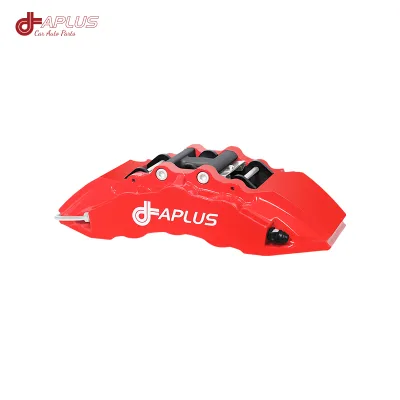


Frontech Brake System Accessories Disc Brake Caliper Original/ Aftermarket
$10.00 - $20.00
MOQ: 50 piece


Comprehensive Sourcing Guide
Front Disc Brake Caliper Sourcing Guide
Procuring front disc brake calipers requires a disciplined approach to verifying technical compatibility and supply chain reliability. Buyers must treat product listings as initial observations rather than guaranteed specifications, as variations in material composition and manufacturing standards are common across different suppliers. The primary goal is to ensure that the selected components meet the specific vehicle application requirements while maintaining consistent quality across all production batches. This guide outlines the critical verification steps necessary to mitigate procurement risks and ensure operational safety.
Successful sourcing depends on aligning supplier capabilities with your specific quality and logistical needs. It is essential to distinguish between OEM-standard parts and aftermarket alternatives, as each category carries different implications for warranty, fitment, and performance. By systematically evaluating technical data, compliance documentation, and commercial terms, procurement teams can make informed decisions that balance cost efficiency with long-term reliability. This structured approach helps prevent costly errors associated with mismatched components or non-compliant materials in critical safety systems.
Product Scope and Observed Listing Signals
The observed product listings indicate a diverse range of front disc brake calipers available for various vehicle applications. Materials vary significantly, with common options including iron, aluminum, and steel, each offering distinct advantages in terms of weight, heat dissipation, and cost. Buyers should note that specific model numbers, such as GE7C26990C or 5015253AA, are frequently listed alongside ABS numbers like 729831, which are critical for ensuring correct fitment. Understanding these identifiers is the first step in narrowing down the appropriate product scope for your specific fleet or customer base.
Listing signals also reveal variations in packaging and origin, which directly impact logistics and customs clearance. Some suppliers offer neutral packaging in PP bags and cartons, while others provide wooden boxes for heavier components, particularly those intended for commercial vehicles with 22.5-inch wheels. The main markets listed span North America, Europe, Asia, and other regions, suggesting that suppliers may have different export certifications or quality controls tailored to specific geographic requirements. Buyers must verify that the supplier’s primary market experience aligns with their own destination to ensure smooth import processes and regulatory compliance.
Technical Specifications to Verify
Verifying technical specifications is paramount to ensuring that the Front Disc Brake Caliper functions correctly within the braking system. Key parameters include piston diameter, disc diameter, and the specific position of the caliper, whether front or rear. For instance, listings may specify a piston diameter of 35mm, but buyers must confirm that this dimension matches their vehicle’s brake assembly requirements. Additionally, the classification of the brake system, such as disc versus drum, must be clearly defined to avoid ordering incompatible components. Accurate technical data prevents installation issues and ensures optimal braking performance.
Beyond basic dimensions, buyers should scrutinize the material composition and manufacturing standards. Aluminum calipers are often preferred for their lightweight properties, while iron or steel variants may offer greater durability for heavy-duty applications. The standard size, often listed as OEM Standard, indicates that the part is designed to replace original equipment, but buyers should still verify specific tolerances and fitment details. Customization options, such as producing parts according to drawings or samples, may be available, allowing for tailored solutions for non-standard applications. Thorough technical verification ensures that the selected caliper meets all operational and safety requirements.
Compliance and Safety Documentation
Compliance with international safety and quality standards is a non-negotiable requirement for brake components. Suppliers may hold various certifications, including ISO/TS, IATF-ISO, DOT, and ISO13485, which attest to their manufacturing processes and quality management systems. Buyers must request current certification documents and verify that they cover the specific product lines being procured. For example, DOT certification is crucial for parts sold in the United States, while ISO standards are widely recognized globally. Ensuring that the supplier maintains these certifications helps guarantee that the calipers meet the necessary safety benchmarks for road use.
In addition to general quality certifications, buyers should inquire about specific safety testing and validation procedures. While the provided data does not list specific test results, it is standard practice for reputable suppliers to conduct rigorous testing for pressure, temperature, and durability. Documentation of these tests, such as material certificates and inspection reports, should be requested as part of the procurement process. This documentation serves as proof of quality and can be essential for passing regulatory inspections in various markets. Maintaining a complete file of compliance documents protects the buyer from liability and ensures that the components are fit for their intended purpose.
Cost Drivers and Commercial Terms
Understanding the cost drivers for front disc brake calipers is essential for accurate budgeting and negotiation. Material costs are a significant factor, with aluminum typically commanding a higher price than iron or steel due to its processing complexity and weight savings. The complexity of the manufacturing process, including machining and finishing, also influences the final price. Buyers should request detailed quotations that break down costs by material, labor, and overhead to identify areas where savings might be possible. Transparency in pricing helps in comparing offers from different suppliers on a like-for-like basis.
Commercial terms, such as payment methods and minimum order quantities, also play a crucial role in the total cost of ownership. Listings indicate that payment terms may include a 30 percent advance by T/T, which is a common practice in international trade. Buyers should negotiate terms that align with their cash flow and risk management strategies. Additionally, the minimum order quantity, which can range from 1 to 500 units, affects the unit price and inventory management. Understanding these commercial terms allows buyers to optimize their procurement strategy, balancing upfront costs with long-term savings and supply chain flexibility.
Supplier Qualification and Quality Control
Qualifying suppliers involves a thorough assessment of their manufacturing capabilities, quality control processes, and financial stability. Buyers should conduct factory audits or request detailed information about the supplier’s production lines, equipment, and workforce. Verification of the supplier’s ability to maintain consistent quality across large production runs is critical, especially for safety-critical components like brake calipers. Requesting samples for testing and evaluation before placing a large order is a standard practice to ensure that the product meets the required specifications. This step helps identify any potential issues early in the procurement process.
Quality control measures, such as incoming material inspection, in-process checks, and final product testing, should be clearly defined and documented. Suppliers with robust quality control systems are less likely to experience defects or non-conformities, which can lead to costly recalls or warranty claims. Buyers should ask for quality control plans and defect rate data to assess the supplier’s performance history. Additionally, evaluating the supplier’s after-sales service, such as personnel tracking and support, can provide insight into their commitment to customer satisfaction. A qualified supplier is one that demonstrates a consistent ability to deliver high-quality products on time and within budget.
Long-Term Procurement Checks
Establishing a long-term procurement relationship requires ongoing monitoring and evaluation of supplier performance. Buyers should implement key performance indicators (KPIs) to track metrics such as on-time delivery, defect rates, and responsiveness to issues. Regular reviews of these KPIs help identify trends and areas for improvement, ensuring that the supplier continues to meet the buyer’s requirements. Building a collaborative relationship with the supplier can lead to better communication, faster problem resolution, and potential cost savings through volume discounts or joint development projects.
Sustainability and ethical sourcing are increasingly important considerations in long-term procurement strategies. Buyers should assess the supplier’s environmental practices, labor standards, and corporate social responsibility initiatives. This evaluation helps ensure that the supply chain aligns with the buyer’s values and regulatory requirements. Additionally, diversifying the supplier base can mitigate risks associated with single-source dependencies, such as supply disruptions or price volatility. By conducting regular long-term procurement checks, buyers can maintain a resilient and efficient supply chain that supports their business goals and customer expectations.
FAQs
What certifications do front disc brake calipers have?
Front disc brake calipers typically hold ISO/TS and IATF certifications. Some products also meet DOT and ISO13485 standards. These certifications ensure the components meet international safety and quality requirements for automotive braking systems.
Which materials are used for front disc brake calipers?
Front disc brake calipers are commonly manufactured using iron, aluminum, or steel. The specific material depends on the vehicle type and performance requirements. Each material offers distinct durability and weight characteristics for different braking applications.
Can I get customized front disc brake calipers?
Yes, customized front disc brake calipers are available based on specific drawings or samples. Buyers can request modifications to fit unique vehicle models or performance needs. This customization ensures the product meets exact engineering specifications.
What is the piston diameter for these calipers?
The piston diameter for these front disc brake calipers is 35mm. This specification is standard for many models to ensure proper hydraulic pressure and braking force. It is a key dimension for compatibility with various brake systems.
Where are these brake calipers manufactured?
These brake calipers are manufactured in China, specifically in Jiaxing, Zhejiang. The production facilities adhere to OEM standard sizes and quality protocols. This location supports efficient global distribution to major automotive markets worldwide.
How are front disc brake calipers packaged?
Front disc brake calipers are packaged in PP bags, cartons, and pallets. Some orders use neutral packaging or wooden boxes for extra protection. The packaging method ensures safe transport and prevents damage during international shipping to various destinations.
What is the payment term for these calipers?
The standard payment term requires 30 percent by T/T in advance. This arrangement secures the order before production begins. Buyers should confirm specific payment schedules with suppliers to align with their financial planning and cash flow needs.