Source Front Wheel Cylinder and Brake Caliper for Cars, Trucks, and Buses
Explore 30 verified listings for Front Wheel Cylinder and Brake Caliper components sourced from China. Compare OEM specifications, material options like aluminum and steel, and customization services to find suitable auto parts for your supply chain needs; compare the available evidence and request quotations based on your requirements.
Key considerations
Products List


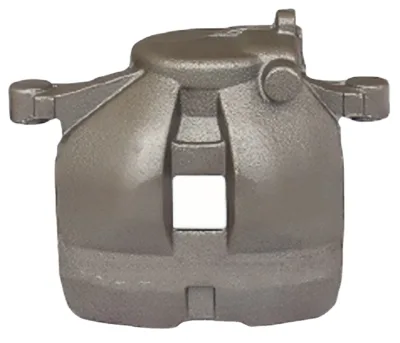


Forged Caliper for High Performance Large Disc Diametersanti-Corrosion
$29.60 - $35.80
MOQ: 100 Pieces


Comprehensive Sourcing Guide
Front Wheel Cylinder and Brake Caliper Sourcing Guide
The global market for front wheel cylinders and brake calipers presents a diverse landscape of manufacturing capabilities, ranging from standard OEM replacements to highly customized forging solutions. Buyers must navigate a wide spectrum of product types, including brake cylinders, disc brake components, and specialized drum brake classifications, all originating primarily from established manufacturing hubs in China. The observed listing signals indicate a significant variation in unit weights, with aluminum components potentially reaching up to 30kg while steel variants often remain under 5kg, necessitating careful logistics planning for bulk shipments.
Procurement strategies must account for the specific material requirements and processing methods observed in current listings, such as normalizing heat treatments and CNC post-processing for metal objects. Suppliers frequently offer customization services for dimensions and finishes, with some models available as die-cast front brake cylinders or forged brake calipers. Understanding these distinct manufacturing attributes is essential for aligning product selection with vehicle specifications, ensuring that the chosen components meet the rigorous demands of automotive applications in regions like North America, Western Europe, and Southeast Asia.
Product Scope and Observed Listing Signals
Buyers should verify the specific classification of the component, as listings distinguish between brake drums, disc brake systems, and complete brake cylinder assemblies. The observed product data highlights items such as the SXP000025 and HDCF076 models, which serve as reference points for standard dimensions and compatibility. It is critical to confirm whether the supplier provides single items or palletized units, as the packing method directly influences shipping costs and handling efficiency during the receiving process.
The market signals also reveal a broad range of customization options, including color, size, and specific drawing requirements, which are often available upon request. While some products are listed with fixed model numbers, others emphasize the ability to produce parts based on customer drawings or specific requests. This flexibility allows buyers to source components that match exact engineering specifications, though it requires clear communication of technical drawings to avoid discrepancies in the final delivered goods.
Technical Specifications to Verify
Technical due diligence must begin with the material composition, as listings specify aluminum, steel, and ceramic fiber options, each offering distinct performance characteristics. Buyers need to confirm the forging tolerance, which is observed at +/-0.2mm for certain metal components, to ensure precise fitment within the vehicle's braking system. Additionally, verifying the standard compliance, such as AISI standards for metal parts, is vital to guarantee that the material properties meet the structural integrity requirements for high-stress automotive applications.
The processing sequence, including heat treatment methods like normalizing and post-processing steps such as CNC machining, significantly impacts the final durability and friction coefficients of the product. For brake pads and calipers, the friction coefficient range of 0.35-0.45 is a key performance metric that must be validated against the specific vehicle manufacturer's requirements. Ensuring that the molding style, whether forging or die casting, aligns with the intended application is essential for maintaining the impact resistance and overall safety of the braking system.
Compliance and Safety Documentation
Compliance verification requires a thorough review of certification documents, as suppliers may hold ISO 9001, RoHS, CE, and IATF certifications depending on the specific product line. Buyers must request proof of these certifications to ensure that the manufacturing processes adhere to international quality management and environmental standards. The presence of IATF certification is particularly critical for automotive components, as it indicates a supplier's commitment to the rigorous quality control systems mandated by the global automotive industry.
Safety documentation should also include detailed test results and performance claims that validate the product's reliability under various operating conditions. While some listings mention features like impact resistance, buyers should demand independent test reports to substantiate these claims before finalizing a purchase. Ensuring that the product meets the safety standards of the target market, whether it be South America, Eastern Europe, or Africa, is a non-negotiable step in the procurement process to mitigate liability and ensure road safety.
Cost Drivers and Commercial Terms
Cost structures are heavily influenced by the material type, customization level, and the complexity of the required heat treatment and machining processes. The observed price range spans from low-cost standard items to high-value specialized components, reflecting the variability in production costs and material scarcity. Buyers must analyze the unit weight and packing method, as heavier aluminum or steel components and palletized shipping can significantly increase the total landed cost compared to lighter, carton-packed items.
Commercial terms such as the minimum order quantity (MOQ) and lead time are critical factors in budgeting and supply chain planning. Listings indicate MOQs ranging from 200 units to 100,000 units, with lead times varying between 15 days and 30 days depending on the order volume and customization requirements. Understanding these thresholds helps buyers optimize their inventory levels and negotiate favorable payment terms, ensuring that the procurement cycle aligns with production schedules and cash flow constraints.
Supplier Qualification and Quality Control
Supplier qualification should focus on their ability to provide OEM and ODM services, as well as their track record in meeting specific drawing requirements. The presence of after-sales service and a one-year warranty suggests a commitment to product reliability, but buyers must verify the scope of these services to ensure they cover potential defects or performance issues. Evaluating the supplier's location, such as Shaanxi, China, can provide insights into their logistical capabilities and their familiarity with exporting to specific international markets.
Quality control protocols must be rigorously assessed, particularly regarding the consistency of the forging tolerance and the precision of CNC machining operations. Buyers should request samples to verify the physical attributes, such as the single gross weight and package dimensions, against the provided specifications. Establishing a clear quality assurance framework that includes regular inspections and adherence to the "As drawing" or "As your request" standards is essential for maintaining product consistency across large production runs.
Long-Term Procurement Checks
Long-term procurement success depends on establishing a robust relationship with suppliers who can consistently meet evolving technical and regulatory demands. Buyers should monitor the supplier's ability to adapt to changes in material standards, such as updates to AISI specifications or new environmental regulations affecting ceramic fiber and metal components. Regular audits of the supplier's production facilities and quality control processes will help ensure that the supply chain remains resilient and capable of delivering high-quality brake components over time.
Continuous performance monitoring is also necessary to validate the warranty claims and after-sales support provided by the supplier. Buyers should track the frequency of defects, the responsiveness of the supplier to quality issues, and the overall reliability of the delivery timeline. By maintaining a proactive approach to supplier management, organizations can mitigate risks associated with supply chain disruptions and ensure a steady flow of critical automotive parts that meet the highest safety and performance standards.
FAQs
What certifications do the brake cylinders hold?
The brake cylinders hold ISO 9001, RoHS, and CE certifications. These standards ensure quality management and safety compliance for automotive parts. Some products also meet IATF standards for disc brake applications, providing verified reliability for international buyers seeking certified components.
Can I request custom specifications for these parts?
Yes, customization is available for these brake components. Buyers can request specific models like SXP000025 or HDCF076 based on drawings. The manufacturer accepts OEM and ODM requests, allowing tailored dimensions and features to match exact vehicle requirements without compromising quality standards.
What is the typical lead time for delivery?
The typical lead time ranges from 15 to 30 days depending on order specifics. Standard delivery is often quoted at 15 days, while larger or customized orders may require 25 to 30 days. This timeline accounts for production processes like forging and CNC machining required for metal parts.
Which materials are used for these brake cylinders?
These brake cylinders are primarily manufactured using aluminum and steel materials. Aluminum units typically weigh up to 30kg, while steel or stainless steel variants weigh up to 5kg. The choice of material depends on the specific application and performance requirements for the auto parts.
What is the minimum order quantity for these items?
The minimum order quantity starts at 200 units for standard orders. However, observed ranges indicate flexibility from 1 to 100,000 units depending on the supplier and product type. Buyers should verify specific MOQ requirements with the manufacturer to ensure alignment with their procurement volume needs.
Where are these brake components manufactured?
These brake components are manufactured in China, specifically in Shaanxi. The products originate from established facilities capable of producing high-volume automotive parts. This location supports efficient logistics and access to a broad range of raw materials for metal processing and casting operations.
What warranty is provided for these brake parts?
A one-year warranty is provided for these brake parts. This coverage ensures protection against defects in materials and workmanship for new items. The manufacturer also offers after-sales service to address any issues, providing buyers with confidence in the long-term reliability of the purchased automotive components.