Source Low Dust Ceramic Brake Pads for Cars, Trucks, and SUVs
Explore 30 listings for Low Dust Ceramic Brake Pad options suitable for passenger and commercial vehicles. Compare semi-metallic and ceramic fiber materials, check OEM references like D436 and D464, and review specifications for front and rear positions to find the right fit for your sourcing needs.
Key considerations
Products List


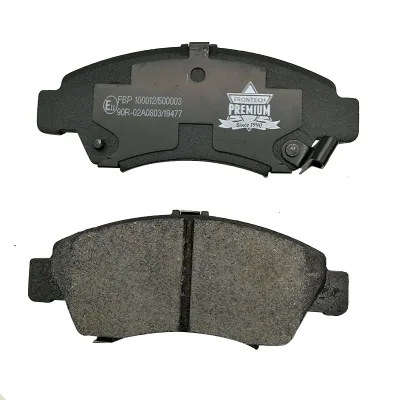


Comprehensive Sourcing Guide
Low Dust Ceramic Brake Pad Sourcing Guide
Procuring low dust ceramic brake pads requires distinguishing between genuine ceramic formulations and semi-metallic alternatives that merely claim low dust performance. The available market data indicates a diverse range of material compositions, including semi-metallic, carbon ceramic, and less metallic options, which directly impacts dust generation and wear characteristics. Buyers must scrutinize product descriptions to confirm the specific ceramic fiber content, as the presence of "Semi-Metal" or "Less Metallic" attributes suggests a different friction profile than pure ceramic compounds.
Verification of the material composition is critical because the "Non-Asbestos" and "Ceramic Fiber" attributes found in listings do not automatically guarantee the low-dust performance expected by end-users. Sourcing teams should prioritize suppliers who explicitly list "Ceramic" or "Carbon Ceramic" in their formula options rather than relying on general "High Quality" claims. Understanding these material distinctions ensures the selected pads meet the specific noise reduction and cleanliness requirements essential for passenger vehicle applications.
Product Scope and Observed Listing Signals
The observed product listings reveal a broad scope of brake pad types, ranging from standard disc pads to high-performance variants suitable for both passenger and commercial vehicles. Listings frequently mention "Semi-Metallic," "Carbon Ceramic," and "Less Metallic" formulas, indicating that the market offers multiple friction material options rather than a single standardized ceramic product. Buyers must carefully filter these results to isolate pads specifically engineered with ceramic fibers, as the presence of semi-metallic options in the same catalog can lead to confusion regarding dust levels and rotor wear.
Market signals also highlight significant variations in packaging and branding, with options ranging from shrinkage packing to palletized shipments and various brand names like Powertech or OEM specifications. The availability of free samples and customization options suggests a flexible supply chain, yet the diversity in "Type Choices" necessitates rigorous verification before bulk ordering. Procurement teams should focus on listings that explicitly confirm the ceramic nature of the product to avoid receiving semi-metallic pads that generate higher dust levels and potential noise issues.
Technical Specifications to Verify
Technical verification must begin with the physical dimensions and friction material composition, as specifications like "85mm46.514mm" are common but not universal across all vehicle models. Buyers should cross-reference the listed model numbers, such as D436 or D464, against their specific vehicle requirements to ensure a precise fit, as incorrect dimensions can compromise braking stability and safety. The "Texture" attribute listing both metal and ceramic materials further emphasizes the need to confirm the exact ratio of ceramic fibers to ensure the low-dust performance is not diluted by metallic content.
Performance claims such as "No Noise," "Long Life," and "High Powered" are frequently advertised but require validation against the actual material formula. While "Ceramic Fiber" is listed as a material option, the presence of "Semi-Metal" in other entries indicates that not all products in this category share the same performance characteristics. Buyers should request detailed friction coefficient data and wear rate specifications to confirm that the ceramic formulation delivers the advertised longevity and stability without generating excessive dust or compromising braking efficiency.
Compliance and Safety Documentation
Compliance verification is essential given the presence of multiple certification claims, including ISO 9001, IATF 16949, and E-Mark ECE R90 standards. These certifications indicate that the manufacturer adheres to specific quality management and safety protocols, but buyers must confirm that the specific ceramic brake pad batch holds the relevant ECE R90 approval for the target market. The listing of "ISO/TSIATF-ISOECE" and "AMECA" suggests a broad compliance framework, yet the specific regulatory requirements for the destination country must be matched against the provided certificate details.
Safety documentation should also address the "Non-Asbestos" attribute, which is a critical health and safety requirement for modern brake systems. While the listings confirm the absence of asbestos, buyers must ensure that the ceramic formulation does not contain other hazardous substances that might violate local environmental regulations. Requesting a Material Safety Data Sheet (MSDS) and verifying the specific test results for the ceramic compound will provide the necessary assurance that the product meets all safety and environmental standards for automotive use.
Cost Drivers and Commercial Terms
Cost structures for ceramic brake pads are influenced by the complexity of the ceramic fiber formulation and the scale of production, with observed price ranges spanning from $0.50 to $22.00 per unit. The wide variance in pricing often reflects differences in material quality, brand positioning, and the specific friction technology employed, such as carbon ceramic versus standard ceramic. Buyers should analyze the price per set rather than per individual pad, as the "Packaging" attribute notes that products are often sold in sets of four pieces, which affects the total cost of ownership.
Commercial terms are further defined by minimum order quantities, with observed MOQs ranging from 1 to 100 sets, and delivery times typically spanning 30 to 45 days. The availability of free samples allows for cost-effective testing before committing to larger orders, but the lead time must be factored into inventory planning to prevent stockouts. Understanding the "Factory Price" structure and negotiating based on volume can help mitigate costs, but buyers must balance price savings against the potential risks of lower-quality ceramic formulations that may not deliver the expected low-dust performance.
Supplier Qualification and Quality Control
Supplier qualification should prioritize manufacturers with established OEM relationships and a proven track record in producing automotive brake components. The listings mention "OEM Brake Pad Manufacturer Supplier" and specific brand names like Transboss Powertech, indicating a level of industry integration that can be a proxy for reliability. However, buyers must verify the supplier's capacity to maintain consistent quality across different production batches, as the "High Quality" and "Best Quality" claims are subjective without third-party validation.
Quality control processes must be rigorously audited to ensure that the ceramic fiber content remains consistent and that the "Non-Asbestos" claim is strictly enforced. Suppliers offering customization and various packing options demonstrate flexibility, but this should not come at the expense of standardized testing protocols. Buyers should request evidence of in-house testing for noise, wear, and dust generation to confirm that the supplier's quality control measures align with the specific performance requirements of the low-dust ceramic brake pads.
Long-Term Procurement Checks
Long-term procurement success depends on establishing a robust feedback loop to monitor the performance of ceramic brake pads in real-world conditions. Buyers should track metrics such as dust accumulation rates, rotor wear, and noise levels over time to validate the initial claims of "Long Life" and "No Noise." Regular performance reviews will help identify any deviations in quality that might arise from changes in raw material sourcing or manufacturing processes, ensuring consistent product reliability.
Supply chain resilience is also critical, given the observed lead times and the potential for market fluctuations in ceramic materials. Maintaining a relationship with suppliers who offer flexible delivery options, such as sea, air, or rail transport, can help mitigate risks associated with logistics delays. Additionally, buyers should periodically re-evaluate the supplier's certification status and compliance documentation to ensure ongoing adherence to international standards and safety regulations throughout the procurement lifecycle.
FAQs
What materials are used in these ceramic brake pads?
The brake pads utilize ceramic fiber and semi-metallic compounds to ensure durability. These materials are selected for their ability to provide stable braking performance while minimizing dust accumulation. The non-asbestos formula ensures safety and compliance with modern environmental standards for automotive components.
Can I get free samples for quality testing?
Yes, free charge samples are available for evaluation before placing a bulk order. This allows buyers to verify the product quality and fitment for their specific vehicle models. The samples help ensure that the semi-metallic or ceramic formulas meet your performance expectations before committing to larger quantities.
What certifications do these brake pads hold?
These brake pads hold ISO 9001, Ts16949, and E Mark ECE R90 certifications. These credentials verify that the manufacturing process meets international quality and safety standards. The certifications ensure that the products are reliable for both passenger vehicles and commercial vehicles across various global markets.
What is the typical delivery time for orders?
The standard delivery time is 30 to 45 days after order confirmation. This timeframe accounts for production and logistics preparation. Buyers should plan their inventory accordingly to ensure timely availability of brake pads for their distribution channels or aftermarket service needs.
Which markets do these brake pads primarily serve?
The main markets include North America, South America, Western Europe, and Southeast Asia. The products are designed to meet the diverse requirements of these regions. This broad market coverage indicates that the brake pads are versatile and suitable for various automotive types and driving conditions globally.
What packaging options are available for shipping?
Packaging options include shrinkage packing, carton boxes, and pallets. These methods ensure the brake pads are protected during sea, air, or railway transport. The flexible packaging solutions help prevent damage and maintain product integrity throughout the supply chain to the final destination.