Source Halal IQF Frozen Chicken Drumsticks for Catering, Retail, and Food Service
Explore 25 listings for Halal IQF Frozen Chicken Drumsticks, ranging from 100g to 250g+ sizes. Compare customizable packaging, certifications like HACCP and ISO, and year-round supply options from Shandong producers to find the right fit for your procurement needs; compare the available evidence and request quotations based on your requirements.
Key considerations
Products List


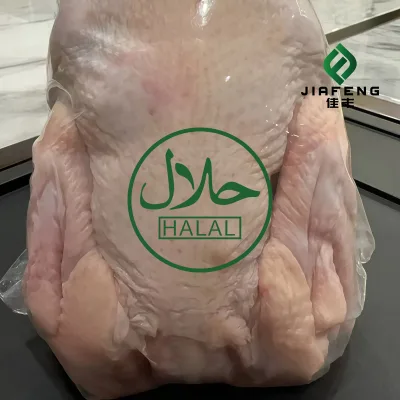


Frozen- Food Chicken Drumstick with Halal Sanitary Certificate Packaging
$1000.00 - $1600.00
MOQ: 22 Tons


Top Quality Poultry Farm Halal Frozen Whole Chicken Legs Drumstick with Good Price
$1200.00 - $1500.00
MOQ: 10 Tons

Best Selling High-Quality Frozen Chicken Fresh Whole/ Feet/ Drumstick/ Wings
$600.00 - $900.00
MOQ: 12 Tons


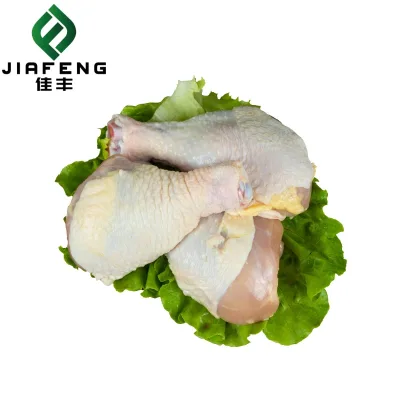
Comprehensive Sourcing Guide
Halal IQF Frozen Chicken Drumsticks Sourcing Guide
Buyers must first distinguish between specific product models and generic listings to ensure accurate procurement. The market offers distinct variations such as Chicken Drumsticks ranging from 120g to 130g, 150g+, and 150g-180g, alongside salted and bone-in styles with hips. Understanding these specific weight classes is critical because they directly influence portion control, pricing structures, and suitability for different food service applications.
Procurement teams should verify that the listed product matches the intended culinary use before committing to an order. While some listings describe the item simply as Frozen Meat Products, others specify the exact model number or size, such as 200g+ or 250g+. Confirming the precise model number and weight standard prevents mismatches between the ordered specification and the delivered goods, ensuring the final product meets the required quality benchmarks for your specific supply chain needs.
Product Scope and Observed Listing Signals
The observed market signals indicate a wide range of packaging configurations, from 1kg bags to 10kg cartons, with some suppliers offering fully customizable options. Buyers should note that the standard loading quantity is approximately 27 metric tons per 40-foot container, which serves as a baseline for calculating logistics costs and storage requirements. This high-volume capacity suggests that the product is primarily targeted at wholesale distributors and large-scale food manufacturers rather than small retailers.
Shelf life and storage conditions are consistent across most listings, with a typical duration exceeding 12 months when stored at -18ºC. The processing method is predominantly IQF (Individually Quick Frozen) following hand slaughter, which helps maintain texture and quality during thawing. Buyers must confirm that the transportation method utilizes freezer containers to maintain the integrity of the frozen state throughout the supply chain, as this is a critical factor in preventing quality degradation during transit.
Technical Specifications to Verify
Weight standards are a primary verification point, with common specifications including ranges like 100g-120g, 120g-130g, and sizes exceeding 150g. Buyers should explicitly request the exact weight standard for their order, as the product standard often dictates the minimum weight per piece, such as "more than 120g-130g." Verifying these specific weight ranges ensures that the product meets the portioning requirements of your menu or production line without unexpected variance.
Moisture content and packaging materials are equally critical technical parameters that require strict verification. The observed moisture level is typically less than 8%, which is essential for preventing ice crystal formation and maintaining meat quality. Additionally, while plastic bags and cartons are standard, some listings mention trays or specific packaging materials. Confirming the exact packaging material and the presence of bone-in structures, such as hip bones, ensures the product aligns with your specific processing or retail display needs.
Compliance and Safety Documentation
Certification verification is non-negotiable for this category, as the market consistently lists Halal, FDA, BRC, HACCP, ISO, GAP, and Kosher certifications. Buyers must request current, valid certificates for each of these standards to ensure the product meets both international safety regulations and specific religious dietary requirements. The presence of multiple certifications indicates a robust quality management system, but the documentation must be up-to-date and issued by recognized bodies to be considered valid for import.
Microbiological safety is another critical area where documentation must be scrutinized. The product is explicitly described as Salmonella-free, a claim that requires supporting laboratory test results to be credible. Buyers should demand recent test reports confirming the absence of pathogens and verifying that the IQF hand slaughter process was conducted under strict hygiene controls. Without this evidence, the risk of contamination remains a significant liability that could compromise brand reputation and consumer safety.
Cost Drivers and Commercial Terms
Pricing in this market is highly variable, with observed ranges spanning from $1.90 to $3500, likely reflecting differences in order volume, packaging, and specific product grades. The minimum order quantity (MOQ) also varies significantly, ranging from 1 unit to 10,000 units, which allows flexibility for different buyer sizes but requires careful negotiation to secure favorable unit economics. Buyers should analyze the total landed cost, including freight and insurance, rather than focusing solely on the unit price to understand the true cost of procurement.
Trade terms such as EXW, FOB, CIF, and CNF are standard, giving buyers control over logistics responsibilities and cost allocation. The supply period is generally year-round, ensuring consistent availability, but lead times and loading ports, such as Qingdao, China, must be confirmed for each transaction. Understanding these commercial terms is essential for managing cash flow and inventory levels, as the choice of Incoterm directly impacts who bears the risk and cost during the shipping process.
Supplier Qualification and Quality Control
Supplier qualification should begin with verifying the origin of the product, which is consistently listed as Shandong, China. This region is known for its poultry industry, but buyers must still conduct due diligence to ensure the specific facility meets their internal quality standards. The ability to offer private labeling and customization is a strong indicator of a supplier's flexibility, but this capability should be validated through sample orders before scaling up to full production runs.
Quality control processes must be verified through on-site audits or third-party inspections, focusing on the hand slaughter and IQF freezing methods. The product grade is listed as "a," but this internal classification should be cross-referenced with international grading standards to ensure consistency. Buyers should establish clear acceptance criteria for defects, moisture content, and packaging integrity, ensuring that the supplier has a documented process for maintaining these standards throughout the production cycle.
Long-Term Procurement Checks
Establishing a long-term relationship requires regular monitoring of supply consistency and adherence to the agreed-upon specifications. The supply period is noted as year-round, but buyers must verify that the supplier can maintain this availability during peak seasons or potential disruptions. Regular quality audits and re-testing of product samples are necessary to ensure that the moisture content, weight standards, and safety certifications remain consistent over time.
Continuous improvement in the supply chain should be a priority, focusing on optimizing the loading quantity and transportation methods. With a standard loading of 27 metric tons per 40-foot container, buyers should work with suppliers to maximize container utilization and reduce shipping costs. Additionally, maintaining open communication regarding any changes in processing methods or packaging materials ensures that the product continues to meet the evolving needs of the market and regulatory landscape.
FAQs
What certifications do Halal IQF Frozen Chicken Drumsticks typically carry?
Listed products carry Halal certification along with FDA, BRC, HACCP, ISO, GAP, and Kosher certificates. Buyers should request current certificate copies from the supplier before ordering, since certification scope can differ by factory. Halal status is tied to hand slaughter processing, so confirming the certifying body and its validity for your destination market is a recommended step.
What drumstick size ranges and specifications are available?
Available specifications include drumsticks of 100g-120g, 120g-130g, 150g-180g, and 200g+ or 250g+, each packed to a stated minimum weight standard. Salted chicken drumsticks in 1kg x 10 packs are also listed. Choose a size grade based on your end-use, and confirm the exact grading standard with the supplier in writing before confirming a purchase order.
How are the drumsticks packaged and what carton formats can buyers choose?
Standard packing options include 9.7kg per carton, 10kg per carton, and 1kg x 10 bags, with a 2.5kg bag inside a 10kg carton also available. Packaging uses plastic bags and cartons, and customizable packing is acceptable. Private label requests are supported, so buyers can discuss bag size, labeling, and carton markings directly with the manufacturer to match retail or food-service needs.
How should Halal IQF Frozen Chicken Drumsticks be stored and shipped?
Products should be stored at -18 degrees Celsius and are transported in freezer or refrigerated containers to preserve quality. Shelf life exceeds 12 months when the cold chain is maintained without interruption. On arrival, verify the core temperature and carton condition before acceptance. After thawing, the product is intended to be eaten directly, so handle thawed drumsticks according to your local food-safety rules.
Can buyers order custom packaging or private label frozen chicken drumsticks?
Yes, customization is available and private label requests are acceptable. Suppliers can adjust package formats such as 1kg x 10 bags, 10kg cartons, or 2.5kg bags per 10kg carton, along with labels and carton printing. Discuss artwork, language requirements, and minimum quantities for custom runs early, because private label orders often need confirmed specifications before production is scheduled.
What is the loading quantity and port for export shipments?
Loading capacity is stated as 27 metric tons per 40-foot container, and the loading port is Qingdao, China. Goods ship from Shandong in freezer containers under year-round supply. Trade terms listed include EXW, FOB, CIF, and CNF, so buyers can select the incoterm that fits their logistics setup and confirm container booking details with the supplier at order confirmation.
What is the typical MOQ range and can small trial orders be placed?
Observed MOQ values range from 1 to 10,000, which means some listings accept single-unit trial orders while others target bulk volume. Trial purchases let you evaluate grading, packing, and cold-chain handling before committing to full container quantities. Confirm the applicable MOQ for your chosen specification, since requirements can vary by product model, pack size, and whether customization is requested.
How is the product processed and what quality checks apply?
Drumsticks are individually quick frozen using IQF hand slaughter processing, with grade A quality. Listed attributes include salmonella free status and moisture of less than 8 percent. Processing follows certified systems such as HACCP and ISO. Buyers should still request recent test reports and specification sheets for their chosen size grade, since verification documents are issued per production batch rather than per listing.