Source Halal Certified Chicken Puree for Dishes, Soups, and Stir-Fry
Find 30 verified listings for Halal Certified Chicken Puree suitable for Chinese dishes, salads, and soups. Compare specifications, packaging options, and supplier details from manufacturers in Shandong and Guangdong to streamline your B2B sourcing process.
Key considerations
Products List


Wholesale Chicken Puree Halal Certified for Baby Food & Seasoning Production
$500.00 - $900.00
MOQ: 10 Pieces


ISO Certified Chicken Puree Competitive Price Bulk Supply for Catering
$500.00 - $900.00
MOQ: 10 Pieces




Comprehensive Sourcing Guide
Strategic Sourcing Guide for Halal Certified Chicken Puree
Understanding Product Variants and Technical Specifications
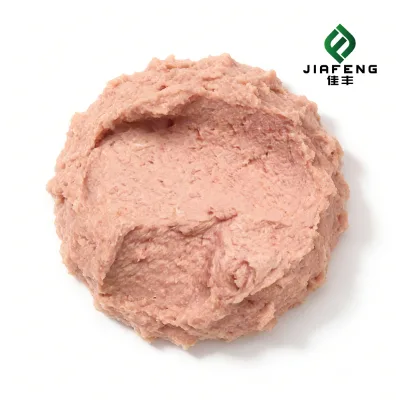
The procurement of Halal Certified Chicken Puree requires a clear distinction between different product forms, as the market offers distinct variations that serve different industrial needs. Based on current supply data, the primary category is the Halal Frozen Chicken Puree, which undergoes a Cleaned-Frozen IQF (Individual Quick Frozen) processing type. This form is characterized by its off-White or Beige color and is derived directly from Chicken raw materials. The product is typically packaged in Reefer Containers to maintain the frozen state, with standard bag weights including 2.5kg, 2kg, 1kg, 0.9kg, and 10kg options. This frozen puree is explicitly noted as 100% Fresh and Frozen, ensuring the integrity of the protein structure for further processing.
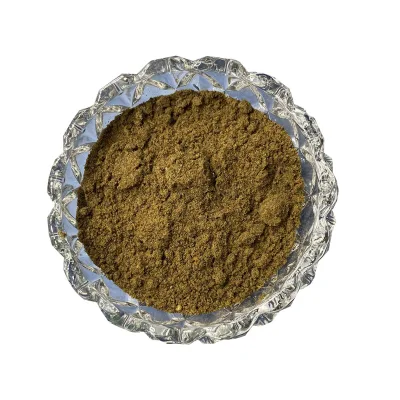
In contrast, the market also lists Chicken Powder variants, which present a different set of technical specifications. These products are categorized as Dried or Powder forms, with specific models such as Chicken Powder-KN959 and Chicken Powder-KN794. The physical appearance is described as Dry, and the texture is often associated with a Delicious taste profile. These powders are available in various packaging configurations, including 280g*24bags/carton or 1000g*12 tins/carton, and are sometimes packaged in Cartons or Bags. It is critical for buyers to verify the specific model number and form factor before ordering, as the Chicken Powder-KN925 and KNCP-2 50g models serve different applications compared to the frozen puree. Additionally, there are specialized Pet Snacks and Brewage Seasoning products labeled with the Chicken flavor, which are distinct from human-grade food ingredients and should not be confused with the primary frozen puree supply.
Compliance Verification and Certification Standards
Securing a reliable supply of Halal Certified Chicken Puree necessitates rigorous verification of compliance documents. The core requirement is Halal Approved status, which is a non-negotiable attribute for this product category. However, compliance extends beyond a single certificate. The supply chain data indicates that high-quality suppliers often hold a comprehensive suite of certifications, including Brc, HACCP, ISO22000, Kosher, Health, and FDA approvals. These certifications serve as independent validations of the supplier's adherence to international food safety and quality management systems.
Buyers must treat these certifications as observations of the supplier's current status rather than guaranteed attributes for every listed product. The presence of International Standards is a general expectation, but the specific application of these standards must be confirmed. For instance, while ISO22000 is a food safety management standard, its implementation varies by facility. Similarly, FDA certification implies compliance with United States regulations, which may differ from the requirements of the European Union or Asian markets. The Kosher certification, while valuable for certain demographics, is a separate religious standard from Halal and should be verified as a distinct attribute if required for the target market.
When evaluating a supplier, procurement teams should request current, valid certificates for all listed standards. The Halal certificate must be issued by a recognized authority and should explicitly cover the specific product line, such as the Halal Frozen Chicken Puree. It is also essential to verify that the Raw Materials are sourced from facilities that maintain the same level of certification. The Cleaned-Frozen IQF process must be validated to ensure that no cross-contamination occurs during the cleaning or freezing stages. Buyers should not assume that a supplier's general International Standards compliance covers the specific Halal requirements of their region without direct documentation.
Cost Drivers and Supply Chain Economics
The economics of sourcing halal chicken puree are influenced by several dynamic factors, including raw material costs, processing methods, and logistics. The MOQ (Minimum Order Quantity) for the frozen puree is observed to be 10 Tons, which represents a significant volume commitment. This high threshold suggests that the product is primarily targeted at industrial manufacturers rather than small-scale retailers. The Supply Ability is noted as a Month, indicating that production cycles are substantial and may require advance planning to ensure consistent stock levels.
Logistics play a pivotal role in the final cost structure. The Reefer Container requirement for frozen puree adds a layer of complexity and cost compared to dry goods. Maintaining the cold chain from the Shandong origin point to the destination is critical to prevent spoilage. The Delivery Time of 15-30 Days After Receipt Deposit further impacts cash flow and inventory planning. Buyers must factor in the time required for customs clearance, especially when importing from China to various global markets.
For the Chicken Powder variants, the cost structure differs due to the Dried nature of the product. These items often come in smaller packaging units, such as 50g*50bags/carton, which may allow for lower MOQs in specific scenarios, though the primary data points to a 10 Ton standard for the core frozen product. The Customization availability for OEM ODM services allows buyers to tailor packaging and specifications, which can influence the unit price. Customer Requirements for Packing mean that bespoke solutions may incur additional setup costs. The Location of the supplier, whether in Shandong or Guangdong, can also affect freight costs and lead times. Buyers should analyze the total landed cost, including freight, insurance, and duties, rather than focusing solely on the unit price.
Typical Applications and Usage Scenarios
The versatility of halal chicken puree makes it a staple ingredient across multiple food sectors. The primary application for the Halal Frozen Chicken Puree is in the preparation of Chinese Dishes, where its texture and flavor profile are essential. It is also widely used in Salad, Soup, and Stir-Fry preparations. The Cleaned-Frozen IQF process ensures that the puree can be easily incorporated into these dishes without compromising the overall quality of the meal. The off-White or Beige color of the puree is generally neutral, making it suitable for a wide range of culinary applications where the natural color of the chicken is desired or where it will be masked by other ingredients.
The Chicken Powder variants offer different utility, often serving as a flavor enhancer or a base for seasoning blends. These products are recommended for use in Brewage Seasoning and can be used to create savory profiles in various food products. The Delicious taste attribute suggests that these powders are designed to impart a strong chicken flavor, making them ideal for instant noodles, snack seasonings, and processed meat products.
It is crucial to distinguish between human food ingredients and pet products. Some listings describe Chicken flavored items as Pet Snacks suitable for Puppy Pet and Adult Pet applications. These products, while containing chicken, are formulated for animal consumption and must not be used in human food production. The All Natural feature and Dry appearance of these pet snacks differentiate them from the Frozen human-grade puree. Buyers must clearly specify their intended application to avoid cross-contamination or regulatory issues. The Recommended for Using section in supplier data provides a guide, but final validation should always be based on the specific product model and intended end-use.
Supplier Evaluation and Quality Control Protocols
Evaluating suppliers for halal chicken puree requires a multi-faceted approach that goes beyond price comparisons. The Service attribute of OEM ODM indicates that suppliers are capable of customizing products, which is a positive sign of flexibility and technical capability. However, buyers must verify the supplier's ability to maintain quality during the customization process. The Quality is described as High-Quality, but this is a general observation. Buyers should request specific quality control reports, including test results for microbial load, heavy metals, and allergen presence.
The Standard of International Standards is a baseline, but specific testing protocols should be agreed upon. For the Frozen Chicken Puree, the IQF process must be validated to ensure that the freezing speed and temperature control meet the required specifications. The Storage instructions, which advise to Close The Lid Tightly and Keep It in Dry and Cool, are critical for maintaining product integrity. Buyers should assess the supplier's storage facilities to ensure they can meet these requirements throughout the supply chain.
Quality control should also extend to the packaging. The Packing options, ranging from 2.5kg/bag to 10kg/box, must be robust enough to protect the product during transit. The Reefer Container requirement implies that the packaging must be compatible with frozen logistics. For the Chicken Powder, the Cartons and Bags must be moisture-proof to prevent clumping or degradation. The Customized packaging option allows for branding but must be tested for durability.
Long-Term Procurement and Relationship Management
Building a sustainable supply chain for halal chicken puree involves long-term planning and relationship management. The Delivery Time of 15-30 Days requires buyers to maintain a buffer stock to avoid supply disruptions. The Supply Ability of Month suggests that production is continuous, but buyers should establish a forecast to ensure consistent availability. The Customization availability allows for long-term product development, enabling buyers to adapt to changing market trends.
The Location of the supplier, whether in Shandong or Guangdong, can impact the stability of the supply. Buyers should consider the geopolitical and logistical risks associated with these regions. Diversifying the supplier base can mitigate these risks. The MOQ of 10 Tons is a significant commitment, so buyers should ensure that their demand is stable before committing to long-term contracts.
The Service of OEM ODM offers opportunities for product differentiation. Buyers can work with suppliers to develop unique formulations that meet specific market needs. This collaboration requires a high level of trust and communication. Regular audits and quality checks are essential to maintain the High-Quality standard. The Certified Halal Frozen Chicken status must be maintained throughout the relationship, with regular updates on certification renewals.
In conclusion, sourcing Halal Certified Chicken Puree requires a strategic approach that balances technical specifications, compliance, cost, and supplier reliability. By carefully evaluating the product variants, verifying certifications, and establishing robust quality control protocols, buyers can secure a supply chain that meets their specific needs. The International Standards and Halal Approved status provide a strong foundation, but continuous monitoring and relationship management are key to long-term success.
FAQs
What certifications does the halal frozen chicken puree hold?
The product holds Halal Approved status along with Brc, HACCP, ISO22000, Kosher, Health, and FDA certificates. These certifications validate adherence to international food safety standards and religious requirements for the specific frozen puree supply chain.
How is the halal chicken puree processed and stored?
The product undergoes a Cleaned-Frozen IQF process to maintain freshness and protein integrity. Buyers must store the frozen puree by closing the lid tightly and keeping it in a dry and cool environment to prevent spoilage during transit.
What is the minimum order quantity for frozen chicken puree?
The standard minimum order quantity is 10 tons for the frozen puree product. This high threshold indicates the supply is primarily targeted at industrial manufacturers rather than small-scale retailers or individual consumers.
Which packaging options are available for the chicken puree?
Standard packaging includes 2.5kg, 2kg, 1kg, 0.9kg bags, and 10kg boxes, often shipped in Reefer Containers. Customized packing is also available to meet specific customer requirements for different product models and distribution needs.
Can suppliers provide OEM or ODM services for this product?
Yes, suppliers offer OEM and ODM services to customize packaging and specifications for buyers. This flexibility allows clients to tailor the product to specific market needs while maintaining the high-quality Halal frozen chicken standards.
What is the delivery time after receiving the deposit?
The delivery time is 15 to 30 days after the receipt of the deposit. This lead time accounts for production cycles and logistics from the origin locations in Shandong or Guangdong to the final destination.