Source FRP Dock Panels for walkways, platforms, and trenches
Find 30 FRP Dock Panels from verified suppliers in China. Compare corrosion-resistant, fire-retardant fiberglass grating options with customizable sizes and bolt fixing methods for industrial walkways and platforms.
Key considerations
Products List


Anti-Slip FRP Dock Panels and Fiberglass Deck Boards Fiberglass Reinforced Plastic Grating
$12.17 - $20.00
MOQ: 1 square meters
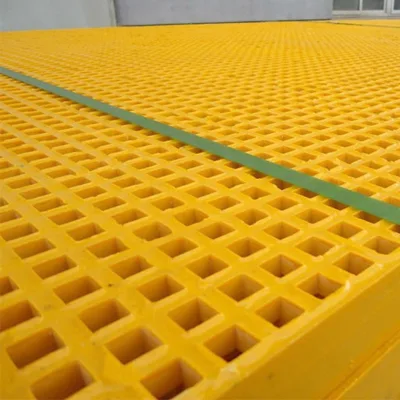


$30.00 - $50.00
MOQ: 10 Square Meters


Durable Rust-Resistant Marine Grade FRP Dock Platform with Custom Support
$18.93 - $37.87
MOQ: 10 Square Meters


Comprehensive Sourcing Guide
Strategic Sourcing Guide for FRP Dock Panels
Understanding FRP Grating Specifications for Marine Environments
When sourcing Fiber Reinforced Plastic (FRP) dock panels, buyers must first establish a clear understanding of the technical baseline provided by manufacturers. The core material composition is consistently identified as FRP, also referred to as Fiberglass Reinforced Plastic or FRP GRP Fiberglass. This composite material is selected for its inherent ability to withstand harsh marine conditions where traditional steel or wood would fail. A critical specification observed in available product data is the thickness, which is frequently standardized at 25mm, though other thickness options such as 30mm, 38mm, and 50mm are available to meet varying load-bearing requirements.
The manufacturing technique is a primary differentiator in the market. The dominant process identified is the molded process, specifically utilizing molding technology to create the final grating structure. This method ensures a uniform distribution of fibers and resin, contributing to the product's structural integrity. The surface type is another vital consideration; while some listings specify a smooth surface, others highlight anti-slip surfaces, which may be concave, smooth, or gritted depending on the specific safety requirements of the dock area. The availability of customized sizes and shapes allows for tailored solutions, with standard dimensions often cited as 1220mm by 3660mm, though buyers should verify exact dimensions against their specific project blueprints.
The production of these panels often involves secondary processing services such as punching and cutting. This flexibility enables suppliers to create custom openings for piping or structural supports directly during the fabrication stage. The product model numbers vary significantly, ranging from codes like "hb" and "ws314" to specific model identifiers like "FRP-4050EF," indicating that buyers must rely on detailed technical datasheets rather than generic model names to ensure compatibility. The resulting product is characterized as corrosion-resistant and alkali-free, features that are essential for longevity in saltwater environments.
Compliance, Certification, and Material Standards
Navigating the regulatory landscape for marine construction materials requires rigorous verification of certifications and standards. While the specific standards applicable to a buyer's jurisdiction may vary, the product data indicates that suppliers often provide certifications such as ISO and CCC. These certifications serve as a baseline for quality management and product safety, though buyers should not assume that every listed product automatically satisfies all local maritime regulations without independent verification.
The material standard is frequently referenced as GFRP (Glass Fiber Reinforced Plastic), which aligns with the general composition of the panels. However, the absence of specific international marine standards (such as ABS or DNV) in the provided data suggests that buyers must explicitly request documentation proving compliance with the specific standards required for their region. For instance, fire safety is a critical concern in dock environments; some product attributes list "Fire Retardant" as a key feature, but this should be treated as an observation of specific product lines rather than a universal guarantee. Buyers must request specific test reports to confirm the fire rating and ensure the material meets the fire codes of the intended installation site.
Furthermore, the origin of the material plays a role in compliance. Products are sourced from various regions in China, including Shandong, Hebei, Jiangsu, and Yangzhou. While the geographical origin does not inherently dictate quality, it influences the supply chain logistics and the specific regulatory frameworks the supplier is accustomed to navigating. Buyers should verify that the supplier's quality management system aligns with the ISO certifications claimed and that the material composition meets the specific environmental durability standards required for the local climate.
Cost Drivers and Pricing Structure Analysis
The pricing structure for FRP Dock Panels is influenced by a complex interplay of material costs, manufacturing complexity, and logistical factors. The observed price range in the market is extensive, spanning from approximately $0.91 to $1350 per unit or batch. This wide variance is not indicative of a single product type but rather reflects differences in thickness, size, surface treatment, and order volume. Thicker panels, such as those at 50mm, naturally command a higher price point than the standard 25mm variants due to increased resin and fiber content.
Minimum Order Quantity (MOQ) is another significant cost driver. The market data shows an MOQ range from 1 to 1000 units. Buyers seeking small quantities for prototype or repair work may face higher per-unit costs due to the low MOQ flexibility, whereas large-scale infrastructure projects can leverage economies of scale by ordering closer to the 1000-unit threshold. The packaging method also impacts the final landed cost. Options include bagging, wooden cartons, pallets, or shipping in rolls and crates. The choice of packaging, particularly the use of wooden crates or pallets for heavy-duty transport, adds to the overall cost but is often necessary to prevent damage during transit.
Additionally, the customization level significantly affects pricing. While standard sizes like 1220x3660mm may be more cost-effective, the demand for customized shapes and sizes requires additional processing time and tooling, which increases the unit price. The inclusion of specialized surface treatments, such as gritted anti-slip surfaces, also adds to the manufacturing cost compared to standard smooth or concave finishes. Buyers should request detailed quotes that break down the cost of the base material, the processing fees for cutting and punching, and the logistics costs associated with the chosen packaging and shipping method to understand the true cost drivers.
Typical Applications and Performance Characteristics
FRP Dock Panels are engineered for a diverse range of applications, primarily driven by their unique combination of lightweight construction and high strength. The primary usage identified is for flooring in marine and industrial environments. These panels are specifically designed for walkways, platforms, and trenches, making them ideal for shipyards, offshore platforms, and waterfront promenades. The "Light Weight High Strength" feature is a critical performance characteristic, allowing for easier installation and reduced structural load on the underlying dock framework compared to steel alternatives.
The corrosion resistance of FRP is a defining advantage, particularly in environments exposed to saltwater, chemicals, or industrial runoff. The material is described as having "Flexible Anti Corrosion" properties, ensuring that the panels do not rust or degrade over time, which is a common failure point for metal grating. This durability translates to lower long-term maintenance costs, as the panels do not require periodic painting or anti-corrosion treatments. The "Removable" feature of some models suggests that these panels can be easily lifted for access to underlying utilities or for replacement, adding to their versatility in complex dock infrastructure.
The bearing strength of the panels is another key performance metric. While the exact load-bearing capacity varies by thickness and design, the "Bearing Strong" attribute indicates that these panels are suitable for heavy foot traffic and potentially light vehicular loads, depending on the specific model and thickness selected. The "Widely" usage attribute suggests that these panels are adaptable to various environments, from commercial marinas to industrial processing plants. However, buyers must ensure that the specific panel model selected matches the anticipated load requirements of their specific application, as the general attribute of "strong" does not quantify the exact load limits.
Supplier Evaluation and Geographic Considerations
Evaluating potential suppliers for FRP Dock Panels requires a careful assessment of their manufacturing capabilities and geographic location. The supply chain for these products is concentrated in specific regions of China, including Shandong, Hebei, Jiangsu, and Yangzhou. Each of these regions may have different clusters of manufacturers specializing in fiberglass products. Buyers should investigate the specific capabilities of suppliers in these locations, as proximity to raw material sources or specialized manufacturing hubs can influence lead times and quality consistency.
When evaluating a supplier, the presence of OEM (Original Equipment Manufacturer) services is a significant indicator of flexibility. Many suppliers offer OEM services, allowing buyers to customize branding, packaging, and specific product attributes to meet their project needs. The availability of customization in terms of shape, size, and surface treatment is a key differentiator. Buyers should verify that the supplier has the technical expertise to handle custom orders, such as creating non-standard sizes or specific surface textures like gritted anti-slip finishes.
The packaging options provided by suppliers, ranging from bags and wooden cartons to rolls and crates, should be evaluated based on the shipping requirements of the project. For large orders, palletized shipping is often preferred for ease of handling and protection. Buyers should also consider the supplier's ability to provide consistent quality across large batches, as the "Molded Process" requires precise control to ensure uniformity. The presence of certifications like ISO and CCC is a positive signal, but buyers should request evidence of these certifications and verify their validity with the issuing bodies.
Quality Control and Long-Term Procurement Strategy
Implementing a robust quality control strategy is essential when procuring FRP Dock Panels to ensure long-term performance and safety. The manufacturing process, which includes molding, cutting, and punching, must be closely monitored to prevent defects such as voids, delamination, or uneven surface textures. Buyers should establish clear acceptance criteria based on the observed specifications, such as the 25mm thickness standard and the requirement for a smooth or anti-slip surface. Regular inspections during the production phase, particularly for custom orders, can help identify and rectify issues before the final shipment.
Long-term procurement considerations extend beyond the initial purchase price to include the total cost of ownership. The "Corrosion Resistant" and "Fire Retardant" attributes of FRP panels contribute to a lower lifecycle cost compared to traditional materials. However, buyers must verify that these claims are backed by test data and that the panels are suitable for the specific environmental conditions of their project. The "Alkali Free" characteristic is particularly relevant for applications involving chemical exposure, and buyers should ensure that the material composition aligns with their chemical resistance requirements.
Logistics and supply chain reliability are also critical factors. The observed lead times and shipping methods, such as palletized or crated shipping, should be factored into the project timeline. Buyers should establish clear communication channels with suppliers to track production progress and shipping status. The availability of spare parts or replacement panels should also be considered, especially for projects where the panels are subject to wear and tear. By selecting a supplier with a proven track record of quality and reliability, buyers can mitigate the risks associated with long-term procurement and ensure the continued safety and functionality of their dock infrastructure.
Comparative Analysis of Product Attributes
To facilitate informed decision-making, the following table summarizes the key attributes observed in the market for FRP Dock Panels. This comparison highlights the variability in specifications and helps buyers identify the features most relevant to their specific needs.
| Attribute Category | Observed Options | Key Considerations for Buyers |
|---|---|---|
| Material Composition | FRP, FRP GRP Fiberglass, Fiberglass Reinforced Plastic | Verify resin type and fiber content for chemical resistance. |
| Thickness | 25mm (Standard), 30mm, 38mm, 50mm | Select based on load-bearing requirements; thicker panels cost more. |
| Surface Type | Smooth, Anti-Slip, Concave, Gritted | Anti-slip is critical for safety; verify texture durability. |
| Manufacturing Process | Molded Process, Molding Technology | Ensure uniformity and structural integrity in the molding process. |
| Customization | Size, Shape, Color, Processing (Punching/Cutting) | Confirm lead times and costs for non-standard dimensions. |
| Certifications | ISO, CCC | Verify validity and relevance to local maritime regulations. |
| Packaging | Bag, Wooden Carton, Pallet, Rolls, Crates | Choose based on shipping method and protection needs. |
| Origin Locations | Shandong, Hebei, Jiangsu, Yangzhou | Assess supplier proximity and logistics capabilities. |
| Key Features | Corrosion Resistant, Fire Retardant, Light Weight, High Strength | Validate specific claims with test reports for safety compliance. |
By systematically evaluating these attributes against project requirements, buyers can select FRP Dock Panels that offer the optimal balance of performance, cost, and reliability. The diversity of options available in the market underscores the importance of detailed specification review and supplier verification to ensure the final product meets the rigorous demands of marine and industrial applications.
FAQs
What thickness options are available for FRP Dock Panels?
Standard thickness is 25mm, but options include 30mm, 38mm, and 50mm to meet varying load requirements. Buyers should verify exact dimensions against project blueprints as sizes are often customized.
Can FRP Dock Panels be customized for specific shapes?
Yes, customized shapes and sizes are available to meet specific project needs. The molding process allows for tailored solutions, though custom orders may require additional processing time and tooling.
Which certifications do FRP dock panel manufacturers typically hold?
Manufacturers often provide ISO and CCC certifications as a baseline for quality and safety. Buyers must verify these claims and request specific test reports to ensure compliance with local maritime regulations.
How are FRP Dock Panels installed on a dock structure?
The primary installation method is bolt fixing, which allows for secure attachment to the underlying framework. Some models also feature removable designs for easy access to utilities or replacement.
What surface types are available for FRP Dock Panels?
Surface options include smooth, anti-slip, concave, or gritted finishes depending on safety requirements. The molded process ensures uniform fiber distribution while accommodating different texture needs for specific environments.
Where are FRP Dock Panels typically manufactured in China?
Production originates from regions including Shandong, Hebei, Jiangsu, and Yangzhou. Buyers should investigate specific supplier capabilities in these locations as they influence logistics and quality consistency.
What is the minimum order quantity for FRP Dock Panels?
Minimum order quantities range from 1 to 1000 units depending on the supplier and customization level. Small prototype orders may face higher per-unit costs compared to large-scale infrastructure projects.