Source FRP Pedestrian Drainage Cover for Parking, Roads, and Plants
Find 30 FRP Pedestrian Drainage Cover options from Chinese manufacturers. Compare features like anti-corrosive properties, heavy-duty loading classes A15, and custom colors including red, green, and black for wastewater and chemical plant applications; compare the available evidence and request quotations based on your requirements.
Key considerations
Products List


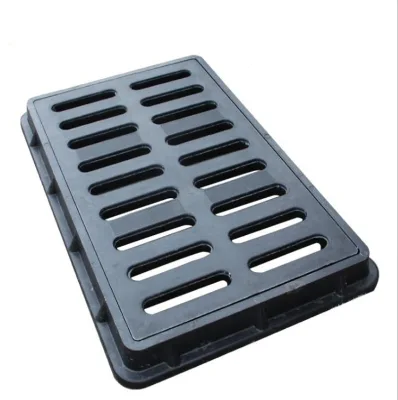
FRP Drainage Cover Grating High Strength Anti-Slip for Roadway & Drainage System
$7.88 - $15.99
MOQ: 10 Square Meters


Trench Cover Plate, Drainage Pit Cover, FRP Trench Drain Grating Cover
$8.00 - $15.00
MOQ: 50 Square Meters


Comprehensive Sourcing Guide
FRP Pedestrian Drainage Cover Sourcing Guide
Procurement of FRP pedestrian drainage covers requires careful selection based on the specific environmental demands of the installation site. The observed market offers units constructed from Resin, FRP, GRP, BMC, and SMC materials, which provide essential resistance to corrosion and heavy-duty loads. Buyers must distinguish between standard molded grating and specialized covers designed for parking or road applications to ensure the selected product meets the intended usage profile.
The available product range includes various frame and cover dimensions, such as 500x500mm and 600x600mm frames with corresponding clear openings. These units are typically available in colors like red, green, black, gray, and yellow to meet safety or aesthetic requirements. Sourcing decisions should prioritize the specific weight and load-bearing capacity, as observed listings indicate weights ranging from 15.5kg to 24kg with load ratings like A15, ensuring the cover can safely support pedestrian traffic without structural failure.
Product Scope and Observed Listing Signals
Buyers should verify that the listed product explicitly matches the required application, as the market data confirms availability for parking and road environments. The observed listings highlight features such as anti-corrosive properties and easy assembly, which are critical for long-term durability in harsh outdoor conditions. It is essential to confirm that the specific model selected, whether labeled as lurun1-3 or EN124 compliant, aligns with the physical dimensions needed for the drainage infrastructure.
The product scope extends to various panel sizes and mesh configurations, including standard panels of 1220x3660mm or custom sizes. Sourcing teams must check if the supplier offers the specific thickness required, with observed options ranging from 25mm to 50mm, to ensure adequate structural integrity. Additionally, the availability of different resin types, such as polyester or vinyl ester, should be confirmed to match the chemical resistance needs of the specific site environment.
Technical Specifications to Verify
Technical verification must begin with the precise frame and cover dimensions to ensure a proper fit within existing drainage systems. The observed data specifies clear openings of 350x350mm and 450x450mm, which dictate the maximum size of debris that can pass through while maintaining safety. Procurement officers should validate that the selected unit's thickness, observed between 31mm and 40mm in some listings, meets the load requirements for the intended pedestrian or light vehicle traffic.
Material composition and surface treatment are equally critical for performance longevity. Buyers should confirm the fiber type, such as GFRP, and the molding method used, as these factors influence the final strength and wear resistance of the cover. The surface preparation, often described as polishing or concave treatment, affects the slip resistance and aesthetic finish. Ensuring the product meets the specified tolerance grade of 5 is necessary to guarantee uniform quality across the entire batch of purchased units.
Compliance and Safety Documentation
Safety compliance is paramount when sourcing drainage covers for public or industrial spaces, requiring verification of recognized certifications. The observed listings frequently cite CE, SGS, and ISO9001 certifications, which serve as indicators of adherence to international quality and safety standards. Buyers must request current certification documents to confirm that the specific batch of covers has been tested and approved for the claimed load ratings and fire retardant degrees, such as ASTM-84.
Documentation should also include proof of compliance with relevant industry standards, such as EN124 or specific national standards like 1105 and 1106. These standards define the performance criteria for covers used in different traffic zones, ensuring they can withstand expected loads without deformation. Procurement teams should ensure that the supplier provides a certificate of conformity that explicitly links the product model to the specific standard, rather than relying on generic claims of compliance.
Cost Drivers and Commercial Terms
Cost structures for FRP drainage covers are influenced by material composition, customization requirements, and order volume. The observed price range of 1.29 to 90 USD suggests significant variation based on size, weight, and specific resin types used. Buyers should analyze whether the lower price points correspond to standard sizes or if customization fees, such as those for free charge design services, are included in the quoted unit price.
Commercial terms regarding Minimum Order Quantity (MOQ) and packaging are vital for budget planning and logistics. The market data indicates an MOQ range from 1 to 200 units, offering flexibility for small projects or large infrastructure deployments. Packaging options, typically pallet or carton, affect shipping costs and handling efficiency. Procurement teams must clarify if the supplier offers volume discounts and how the MOQ impacts the unit cost for orders exceeding the standard threshold.
Supplier Qualification and Quality Control
Supplier qualification should focus on their manufacturing capabilities and adherence to quality management systems. The observed data indicates that suppliers utilize hot chamber die casting machines and molding methods, which require specific technical expertise to produce high-quality FRP products. Buyers should verify that the supplier maintains a certified quality management system, such as ISO9001, ISO14001, or ISO45001, to ensure consistent production standards and environmental safety.
Quality control processes must be transparent and documented, particularly regarding surface preparation and casting surface quality. The observed listings mention polishing and specific surface treatments, which are critical for preventing slippage and ensuring durability. Procurement teams should request evidence of the supplier's internal testing procedures and their ability to provide samples that match the specified tolerance grades and mechanical properties before committing to a large-scale order.
Long-Term Procurement Checks
Long-term procurement success depends on establishing a reliable supply chain capable of meeting future replacement and expansion needs. Buyers should assess the supplier's ability to provide consistent product attributes, such as color stability and weight consistency, over multiple production cycles. The availability of OEM services and customized designs indicates a supplier's flexibility to adapt to changing project requirements without compromising on quality or lead times.
Regular audits of the supplier's performance and product consistency are essential to maintain operational safety and efficiency. Procurement teams should monitor the supplier's adherence to the specified standards and certifications over time, ensuring that the products continue to meet the required safety and performance benchmarks. Establishing a clear communication channel for technical support and after-sales service will help address any issues promptly and maintain the integrity of the drainage infrastructure.
FAQs
What materials are used for frp pedestrian drainage covers?
These covers are typically made from resin-based composites such as FRP, GRP, BMC, SMC, or phenolic FRP. Polyester and vinyl ester resin systems are common, and some molded gratings also use GFRP fibers. The composite construction provides corrosion resistance and a lighter weight than cast iron, while still supporting pedestrian loading classes such as A15 on parking areas and roads.
Which frame and cover sizes are available for these drainage covers?
Common square sizes include 500x500mm frames with 400x400mm covers and 350x350mm clear openings, as well as 600x600mm frames with 450x450mm clear openings. Standard panel sizes such as 1220x3660mm and 1000x4000mm are also listed, and custom sizes can be arranged. Buyers should confirm the clear opening against their channel dimensions before ordering.
How much does a typical FRP Pedestrian Drainage Cover weigh?
Listed weights are around 15.5kg for the 500x500mm frame version and 24kg for the 600x600mm version, with panel thicknesses of 25mm to 50mm. Exact weight varies with size, thickness, and resin system. The composite build keeps covers light enough for manual handling while maintaining corrosion resistance and non-slip surface performance.
Can frp pedestrian drainage covers be customized in size, color, or design?
Yes, customization is available, including custom panel sizes, mesh sizes, and moldings. Color options include red, green, black, gray, and yellow, and OEM designs are welcomed. Many suppliers offer customized design support, so buyers should share drawings, loading requirements, and opening dimensions early to receive accurate quotations and production schedules.
What certifications and standards should I check before ordering?
Relevant certificates include CE, SGS, and ISO9001, and some suppliers also hold ISO14001 and ISO45001. Products are listed against loading class A15 for pedestrian applications, and molded gratings may pass ASTM-84 fire testing. Always request current certificates with the shipment documents and verify the loading class matches your traffic conditions before confirming the order.
How are frp drainage covers packed and shipped?
Common packing is on pallets or in cartons, which protects covers and grating panels during container transport. Panel sizes like 1220x3660mm are usually palletized, while smaller covers may ship in cartons. Confirm pallet dimensions, gross weight, and loading quantity with the supplier so freight costs and unloading arrangements can be planned in advance.
What surface treatments and features do these covers offer?
Typical features include anti-corrosive performance, easy assembly, heavy duty construction, wear resistance, non-slip surfaces, and flame retardancy. Surface preparation such as polishing or a concave texture improves grip in wet areas like parking lots and roads. Choose a surface treatment based on pedestrian traffic, drainage flow, and whether vehicles will occasionally cross the cover.