Source FSC Certified Recycled Brandy Bottle for Spirits, Wine, and Liquor
Compare 30 listings for FSC Certified Recycled Brandy Bottle options from verified Chinese manufacturers. Buyers can evaluate ceramic, porcelain, and glass materials with volumes ranging from 150ml to 1750ml and various closure types; compare the available evidence and request quotations based on your requirements.
Key considerations
Products List


Food Grade Ceramic Brandy Bottle Manufacturer Ceramic Spirit Brandy Bottle
$1.80 - $3.80
MOQ: 3000 Pieces


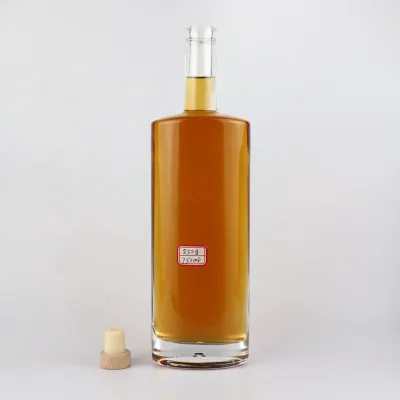
Good Quality Recyclable Glass Bottle 700ml Glass Wine Liquor Spirit Brandy Bottles
$0.42 - $0.49
MOQ: 6000 Pieces



Comprehensive Sourcing Guide
FSC Certified Recycled Brandy Bottle Sourcing Guide
Sourcing packaging for premium spirits requires balancing aesthetic appeal with rigorous sustainability mandates. Buyers often seek bottles that reflect brand values through eco-friendly materials, yet the market presents a complex mix of ceramic, porcelain, and glass options. While some suppliers highlight recycled content or specific certifications, the supplied data indicates a diverse range of materials including high-clear glass and food-grade ceramic. Procurement teams must navigate this variety by focusing on verified attributes rather than marketing claims. The core challenge lies in distinguishing between genuine sustainable practices and generic "green" labeling, ensuring that the chosen vessel meets both functional requirements for liquid storage and corporate social responsibility goals.
This guide provides a structured approach to evaluating potential suppliers for branded spirit packaging. It emphasizes the importance of verifying technical specifications, compliance documentation, and commercial terms before committing to large orders. By focusing on observable listing signals and standard industry practices, buyers can mitigate risks associated with quality inconsistencies or regulatory non-compliance. The following sections detail the critical steps for validating product integrity, from material composition to final delivery terms. This disciplined approach ensures that procurement decisions are grounded in factual evidence and aligned with long-term supply chain stability.
Product Scope and Observed Listing Signals
The current market landscape for spirit packaging includes a wide array of materials, primarily glass and ceramic, with volumes ranging from small 150ml formats to larger 750ml and 1750ml capacities. Listings frequently highlight customization options, allowing brands to tailor colors, shapes, and labeling to their specific identity. For instance, some products offer multi-color or transparent finishes, while others emphasize high whiteness and transparency in glass variants. Buyers should note that while "recycled" content is a desired attribute, the provided data does not uniformly confirm recycled material composition across all listings. Instead, it highlights features like food-grade ceramic and high-clear glass, which serve as proxies for quality and safety in liquid containment applications.
Observations also reveal significant variation in packaging methods and origin locations, predominantly centered in Guangdong, China. Suppliers offer various packing configurations, including pallets, cartons, and specialized egg tray cartons, which impact logistics and handling costs. The presence of OEM and ODM services suggests that many manufacturers are equipped to handle custom branding needs, such as printed labels or specific bottle shapes. However, buyers must carefully cross-reference these service offerings with actual material certifications. The distinction between standard glass bottles and specialized ceramic vessels is crucial, as each material presents different durability, weight, and thermal properties that affect the final product's shelf life and consumer experience.
Technical Specifications to Verify
Verifying the physical and chemical properties of the packaging is essential to ensure compatibility with the intended spirit. For glass bottles, key attributes include glass rank, transparency, and wall thickness, which influence both aesthetic appeal and structural integrity. Listings mention "high clear" and "high transparency" as desirable traits, but buyers should request specific technical sheets to confirm resistance to thermal shock and chemical leaching. In the case of ceramic or porcelain vessels, the focus shifts to glaze safety and porosity levels. The data indicates the use of food-grade materials, yet it is imperative to verify that the internal coating does not interact with high-alcohol content liquids over time. Standard volumes like 500ml and 750ml are common, but custom capacities require precise mold verification to prevent filling errors.
Closure systems also play a critical role in product preservation, with cork stoppers being a prevalent choice for brandy and whisky bottles. Buyers must assess the quality of the cork, including its density and susceptibility to cork taint, which can compromise the spirit's flavor. Additionally, the sealing type must be evaluated for its ability to maintain an airtight environment during transit and storage. The provided data notes "cork stopper" and "cork" sealing types, but does not detail the grade of cork used. Procurement teams should specify requirements for natural versus agglomerated cork and request samples to test seal integrity. Furthermore, weight specifications, such as the noted 800g for certain glass bottles, should be aligned with shipping cost projections and retail shelf stability requirements.
Compliance and Safety Documentation
Regulatory compliance is non-negotiable for food-contact packaging, requiring robust documentation to ensure consumer safety and market access. The supplied data references several key certifications, including FDA, LFGB, and SGS, which are critical for verifying that materials do not leach harmful substances into the beverage. Buyers must insist on seeing current, valid certificates for each batch or production line, as these documents confirm adherence to strict heavy metal and migration limits. While FSC certification is mentioned in the background context, its direct applicability to glass or ceramic bottles is limited, as FSC primarily certifies wood-based products like cork stoppers. Therefore, procurement teams should verify the origin and certification status of any wooden components separately from the bottle itself.
Beyond material safety, buyers should evaluate the manufacturer's quality management systems, such as ISO certification, which indicates a structured approach to consistent production. The presence of RoHS certification suggests compliance with restrictions on hazardous substances, which is particularly relevant for any metallic or colored components in the packaging. It is crucial to distinguish between product-specific certifications and general company credentials. Buyers should request test reports that specifically address the intended use case, such as alcohol resistance for glass or lead-free guarantees for ceramic glazes. Ensuring that all documentation is up-to-date and directly applicable to the ordered SKU prevents regulatory hurdles at customs and protects the brand from liability issues.
Cost Drivers and Commercial Terms
Understanding the factors that influence pricing is vital for accurate budgeting and negotiation. The observed price range of $0.1 to $750 USD reflects the vast diversity in materials, customization levels, and order volumes. High-end ceramic or intricately shaped glass bottles with custom molds will naturally command higher prices due to increased production complexity and material costs. Conversely, standard clear glass bottles in bulk quantities may offer more competitive unit prices. Buyers should analyze the cost breakdown to identify where value is added, such as in specialized labeling, premium closures, or enhanced packaging protection. It is important to note that the provided data lists an MOQ of 3000 PCS for some items, while other listings suggest ranges up to 20,000, indicating that volume discounts are likely available for larger commitments.
Commercial terms also encompass packaging logistics and payment conditions, which significantly impact the total landed cost. The data mentions various packing methods, including pallets and cartons, which affect the number of units per container and thus shipping efficiency. Buyers should clarify whether packaging costs are included in the unit price or billed separately. Additionally, lead times and production schedules should be negotiated to align with inventory needs, especially for custom orders that require mold creation. The origin location in China offers manufacturing advantages, but buyers must account for freight costs, tariffs, and potential currency fluctuations. Clear communication regarding Incoterms and payment milestones helps mitigate financial risks and ensures a smooth transaction process from order placement to delivery.
Supplier Qualification and Quality Control
Selecting a reliable supplier requires a thorough evaluation of their manufacturing capabilities and quality assurance processes. Buyers should prioritize suppliers with established production lines, as indicated by the mention of fully automatic providing lines for bulk production. Automation enhances consistency and reduces the risk of human error, which is critical for maintaining uniform product quality across large orders. It is advisable to conduct virtual or on-site audits to verify the supplier's capacity, equipment maintenance, and workforce training. Suppliers offering OEM and ODM services demonstrate flexibility, but buyers must ensure that these services are backed by rigorous design validation and prototyping stages to prevent costly revisions later in the process.
Quality control measures should be explicitly defined in the purchase agreement, including inspection points and acceptance criteria. Buyers should request pre-shipment inspections to verify that the delivered goods match the approved samples in terms of color, shape, and functionality. The data highlights features like "high whiteness" and "high transparency," which are subjective and require objective measurement standards. Establishing clear tolerances for defects, such as chips, cracks, or labeling misalignments, helps manage expectations and resolve disputes. Additionally, suppliers should provide a traceability system that allows buyers to track batches back to their production date and raw material sources. This level of transparency is essential for maintaining brand integrity and addressing any potential quality issues promptly.
Long-Term Procurement Checks
Sustainable sourcing is an ongoing commitment that requires regular review and adaptation of procurement strategies. Buyers should periodically reassess their suppliers' environmental practices, including energy consumption, waste management, and water usage during production. While the supplied data does not provide detailed environmental metrics, buyers can request sustainability reports or third-party audits to verify claims regarding recycled content or carbon footprint reduction. Engaging with suppliers who are actively improving their environmental performance fosters a resilient supply chain and aligns with evolving consumer expectations for eco-friendly products. This proactive approach helps mitigate regulatory risks and enhances the brand's reputation in the marketplace.
Furthermore, long-term procurement success depends on maintaining strong relationships with suppliers and fostering open communication. Regular performance reviews, based on metrics such as on-time delivery, defect rates, and responsiveness to issues, provide valuable insights for continuous improvement. Buyers should also stay informed about industry trends and technological advancements in packaging materials, which may offer new opportunities for cost savings or sustainability gains. By integrating these checks into their procurement cycle, companies can ensure that their packaging strategy remains competitive, compliant, and aligned with their core values. This disciplined approach to supplier management supports long-term business growth and customer satisfaction.
FAQs
What materials are available for a FSC Certified Recycled Brandy Bottle?
Brandy bottles on this page are offered in ceramic, porcelain, and glass. Ceramic and porcelain options are described as food grade, while glass versions are listed as high clear with high transparency. Material choice affects weight, decoration options, and sealing method, so buyers should confirm the exact material, finish, and cork stopper compatibility before requesting samples or quotations.
Can the bottle be customized in color, shape, and volume?
Yes, customization is available. Listings show multi color or customized color options, shaped bottle designs, and customized volume alongside standard 500ml, 700ml, 750ml, and 150ml sizes. OEM and ODM service is also stated. Buyers should share artwork or samples, confirm minimum order quantities such as the listed 3000PCS, and request a pre-production sample before mass production.
How are the bottles packed for shipping?
Packing options shown include pallet or carton, eggs tray carton, carton and pallet, and carton plus pallet combinations. Glass bottles are typically packed with dividers or trays to reduce breakage during transit. Buyers should confirm the packing method, carton dimensions, and container loading plan with the supplier, especially for heavy ceramic bottles weighing around 800g each.
Which certifications should I verify when sourcing these bottles?
Listed standards include SGS, FDA, LFGB, and certification mentions of RoHS, FDA, and ISO. For liquor bottles intended for food contact, buyers should request current test reports covering the contact material, verify certificate validity with the issuing body, and confirm which documents apply to the specific bottle model such as JWC288, JWC001, or JWC241 before placing an order.
What is the minimum order quantity for branded brandy bottles?
The product page lists an MOQ of 3000PCS for one ceramic bottle model, while the wider observed range runs from 24 to 20000 pieces depending on the item. MOQ usually varies with bottle size, material, and decoration complexity. Buyers should confirm the exact MOQ for their chosen model, and ask whether smaller trial quantities are possible with printed labels or custom molds.
Where are these brandy bottles produced and how is production managed?
Origins listed are Guangdong, China, and Made in China generally. One listing notes a fully automatic production line for bulk production, which supports consistent quality on large orders. Buyers should confirm factory capacity, production lead time, and quality control procedures for their specific model, and consider arranging third-party inspection before shipment for custom or high-volume orders.