Find FTTH CATV Optical Mini Receiver for Home, Office, and Hotel
Source 30 FTTH CATV Optical Mini Receiver units from verified Chinese manufacturers. Buyers can compare models like SR1204 and SR2020AW, check certifications including CE and ISO, and review specifications such as optical return loss and frequency range before requesting quotes.
Key considerations
Products List


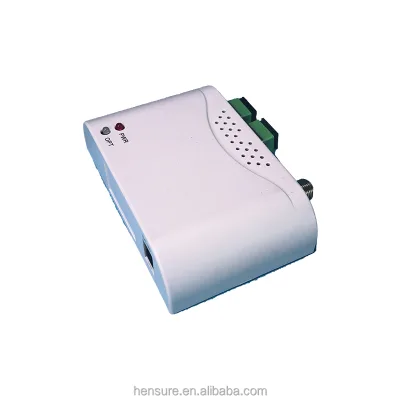


FTTH CATV Mini Receiver CATV Optical Receiver with AGC Fiber Micro Node
$1.00 - $1000.00
MOQ: 1000 Pieces


$0.97 - $14.97
MOQ: 10 Pieces

Comprehensive Sourcing Guide
Strategic Sourcing Guide for FTTH CATV Optical Mini Receivers
The procurement of Fiber to the Home (FTTH) and Cable Television (CATV) optical mini receivers represents a critical decision point for network operators and system integrators. These devices serve as the essential bridge between the fiber optic backbone and the coaxial distribution network, converting optical signals into radio frequency (RF) signals suitable for end-user consumption. Sourcing these components requires a disciplined approach that balances technical performance, regulatory compliance, and supply chain reliability. Buyers must navigate a market where specifications vary significantly between manufacturers, and where the distinction between general optical components and specialized CATV receivers is paramount. This guide outlines the essential factors for evaluating optical mini receivers, ensuring that procurement decisions are grounded in verifiable data and industry standards rather than marketing assertions.
Technical Specifications and Performance Metrics
When evaluating optical mini receivers, the primary focus must be on the conversion efficiency and signal integrity provided by the device. The core function of these units is to accept optical input within specific wavelength bands and output a stable RF signal. Based on observed industry data, the optical receiving wavelength typically spans a broad spectrum, often cited in the range of 1100 to 1600nm, with specific operational bands frequently centered around 1260 to 1600nm to accommodate Wavelength Division Multiplexing (WDM) systems. The standard WDM wavelengths for these systems often include 1550nm, 1490nm, and 1310nm, allowing for the simultaneous transmission of video, data, and voice services over a single fiber strand.
The frequency range of the output signal is another critical specification. Buyers should verify that the device supports the required bandwidth for their specific network architecture. Common operational bandwidths observed in high-performance units range from 45 to 1000MHz, with some advanced models extending to 1050MHz or 1003MHz to support future-proofing and high-definition video services. The flatness of the signal across this band is equally important; a deviation of ±0.75dB is often considered a benchmark for high-quality performance, ensuring consistent signal strength across all channels.
The optical input power requirements define the sensitivity of the receiver. Units typically accept input power levels ranging from -15dBm to 0dBm, with some models specifying a narrower range such as -7dBm to +2dBm. The optical return loss, which measures the amount of light reflected back toward the source, is a key indicator of signal quality. High-performance receivers often boast optical return loss values greater than 45dB, with premium models achieving levels of 55dB or higher to minimize signal degradation. The connector type is another specification that must align with existing infrastructure; common options include SC/APC, FC/APC, and SC/UPC configurations. The APC (Angled Physical Contact) variant is generally preferred for CATV applications due to its superior return loss characteristics.
Compliance, Certification, and Regulatory Standards
Navigating the regulatory landscape is a non-negotiable aspect of B2B procurement for electronic components. Buyers must verify that the optical mini receivers carry the necessary certifications for the target market. The CE marking is a fundamental requirement for products sold within the European Economic Area, indicating conformity with health, safety, and environmental protection standards. Additionally, the RoHS (Restriction of Hazardous Substances) directive is widely adopted to ensure that the devices are manufactured without specific hazardous materials, which is critical for environmental compliance and disposal regulations.
In addition to regional certifications, buyers should look for ISO certifications, which indicate that the manufacturer adheres to international quality management standards. The presence of both CE and ISO certifications on a product listing suggests a higher level of manufacturing discipline and quality assurance. It is also essential to verify the product standard classification. Some manufacturers classify their products into specific classes, such as "A Class," which may denote a tier of performance or reliability. However, buyers must treat these classifications as observations rather than universal guarantees, as the specific criteria for "A Class" can vary by manufacturer.
The physical construction and packaging standards also play a role in compliance. Products are often packaged in standard cartons, paper boxes, or brown boxes, with specific dimensions provided for logistics planning. For instance, packaging standards might specify dimensions like 85.510024mm or 8x6x3cm, which helps in estimating shipping costs and warehouse space requirements. Buyers should ensure that the packaging protects the sensitive optical components during transit, as damage to the optical connectors can render the unit unusable.
Cost Drivers and Pricing Structures
The pricing of optical mini receivers is influenced by a complex interplay of factors, including the complexity of the optical design, the quality of the components used, and the volume of the order. The observed price range in the market is extensive, spanning from approximately $0.97 to $1000 per unit. This wide variance indicates that buyers must carefully define their requirements to avoid over-specifying or under-specifying their needs. Low-cost units may be suitable for basic applications or small-scale deployments, while higher-priced models are likely to offer superior performance metrics, such as wider bandwidth, better flatness, and enhanced durability.
The Minimum Order Quantity (MOQ) is a significant cost driver in B2B procurement. Suppliers may offer flexible MOQs ranging from 1 piece to 1000 pieces. Some vendors allow for single-unit purchases, which is beneficial for prototyping or small projects, while others require bulk orders to achieve economies of scale. Buyers should negotiate based on their projected volume, as higher order quantities often result in lower unit costs. Additionally, the availability of customization services can impact pricing. Products that offer OEM (Original Equipment Manufacturer) and ODM (Original Design Manufacturer) options typically command a premium, as they require additional engineering and tooling resources from the supplier.
Lead time is another factor that affects the total cost of ownership. A standard lead time of around 10 days is common for many suppliers, but this can vary based on stock availability and production schedules. Buyers should account for potential delays in their project timelines, especially if they are relying on custom configurations. The warranty period, often cited as 12 months, also influences the risk profile of the purchase. A longer warranty can reduce the long-term cost of ownership by covering potential failures, but buyers must verify the terms and conditions associated with the warranty to ensure it provides adequate protection.
Typical Applications and Deployment Scenarios
Optical mini receivers are integral to modern telecommunications infrastructure, serving a variety of applications in both residential and commercial settings. In FTTH networks, these devices are deployed at the customer premises to convert the optical signal from the central office into an RF signal that can be distributed via coaxial cable to set-top boxes, routers, and other end-user devices. The ability to support multiple wavelengths allows for the delivery of high-speed internet, digital television, and voice services over a single fiber connection.
In CATV systems, optical mini receivers are used to extend the reach of the cable network. By converting optical signals to RF, these devices enable the transmission of video content over long distances without the signal degradation associated with traditional coaxial cable. The wide frequency range and high output levels, often exceeding 68 dBµV, ensure that the signal quality remains high even in large-scale distribution networks. The integrated wiring features found in some models further simplify installation, reducing the time and labor required for deployment.
The versatility of these devices allows them to be used in various environments, from urban apartment complexes to rural communities. The operating temperature range, typically specified as -20°C to +55°C, ensures reliable performance in diverse climatic conditions. Whether deployed indoors or in outdoor enclosures, the robust design of these receivers helps maintain network stability and minimize downtime. Buyers should consider the specific requirements of their deployment scenario when selecting a model, ensuring that the device's specifications align with the environmental and performance demands of the application.
Supplier Evaluation and Quality Control
Selecting the right supplier is as critical as selecting the right product. Buyers should evaluate potential suppliers based on their manufacturing capabilities, quality control processes, and track record. The presence of certifications such as CE, ISO, and RoHS is a strong indicator of a supplier's commitment to quality and compliance. However, buyers should not rely solely on these certifications; they should also request detailed test reports and performance data to verify the claims made by the supplier.
Quality control should be a priority throughout the procurement process. Buyers should inquire about the supplier's inspection procedures, including incoming material checks, in-process testing, and final product verification. The use of standardized testing protocols ensures that each unit meets the specified performance criteria before it is shipped. Additionally, buyers should verify the supplier's ability to provide traceability for their products, including batch numbers and manufacturing dates, which can be crucial for troubleshooting and warranty claims.
The supplier's responsiveness and support capabilities are also important factors. A reliable supplier should be able to provide technical support, answer queries promptly, and offer guidance on product selection and installation. The availability of customization services, such as OEM and ODM options, can also be a differentiator, allowing buyers to tailor the product to their specific needs. Buyers should assess the supplier's capacity to meet their volume requirements and lead time expectations, ensuring that the supply chain remains stable and predictable.
Long-Term Procurement Considerations
Sourcing optical mini receivers is not just a one-time transaction; it is a long-term partnership that requires careful planning and management. Buyers should consider the scalability of their procurement strategy, ensuring that the supplier can accommodate future growth and changes in network architecture. The availability of spare parts and the ease of replacement are also critical factors, as network downtime can be costly and disruptive.
The evolution of technology means that buyers must plan for future upgrades and replacements. Selecting products with a wide frequency range and high performance margins can help extend the useful life of the equipment, reducing the need for frequent upgrades. Additionally, buyers should monitor industry trends and regulatory changes to ensure that their procurement decisions remain compliant and relevant.
Finally, buyers should establish clear communication channels with their suppliers to foster a collaborative relationship. Regular reviews of performance metrics, feedback on product quality, and discussions about future needs can help build a strong foundation for long-term success. By taking a strategic approach to procurement, buyers can ensure that their optical mini receiver deployments are reliable, efficient, and cost-effective.
FAQs
What certifications do ftth catv optical mini receivers typically have?
These devices commonly carry CE and ISO certifications to ensure regulatory compliance. Some models also meet RoHS standards to restrict hazardous substances. Buyers should verify specific certifications on product listings to confirm adherence to regional safety and environmental requirements.
Which optical connector types are available for these receivers?
Common connector options include SC/APC, FC/APC, and SC/UPC configurations. The SC/APC variant is often preferred for CATV applications due to superior return loss characteristics. Selecting the correct type ensures compatibility with existing fiber infrastructure.
Can buyers customize ftth catv optical mini receivers for specific needs?
Yes, customization services are available for many models to meet specific project requirements. Suppliers often accept OEM and ODM requests to tailor the product design. This flexibility allows buyers to adapt the device to unique network architectures or branding needs.
What is the typical lead time for ordering these optical receivers?
The standard lead time is around 10 days for most suppliers. This duration may vary based on stock availability and whether customization is required. Buyers should account for this timeframe when planning their network deployment schedules.
How does the optical receiving wavelength range affect performance?
The optical receiving wavelength typically spans from 1100 to 1600nm to support various WDM systems. Specific operational bands often center around 1260 to 1600nm for optimal signal conversion. This broad range allows the device to handle multiple services over a single fiber strand.
What is the minimum order quantity for purchasing these units?
Minimum order quantities can range from 1 piece to 1000 pieces depending on the supplier. Some vendors allow single-unit purchases for prototyping, while others require bulk orders for better pricing. Buyers should check specific MOQs to align with their project scale.
Which frequency range do high-performance ftth catv optical mini receivers support?
High-performance units typically support a frequency range of 45 to 1000MHz or 1050MHz. Some advanced models extend up to 1003MHz to support future-proofing. This bandwidth ensures stable signal transmission for high-definition video and data services.