Source Rotatable Lotus Pattern Buddhist Ring for Wedding, Gift, and Party
Compare 30 listings for the Rotatable Lotus Pattern Buddhist Ring featuring stainless steel construction and customizable sizes. Buyers can evaluate options for wedding, gift, and party occasions with varying plating and designs.
Key considerations
Products List
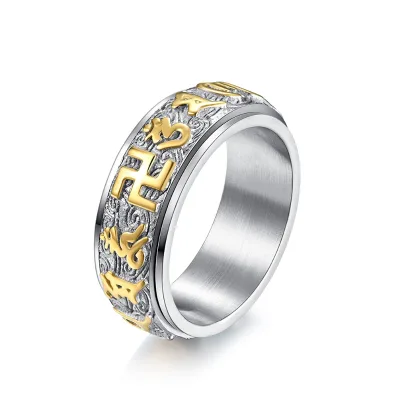
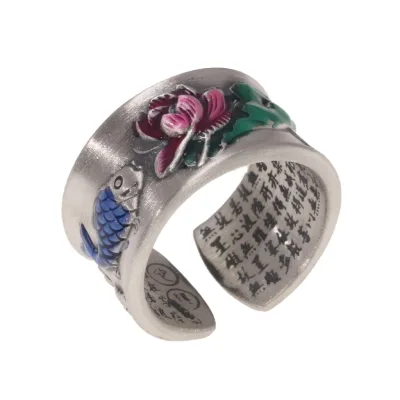
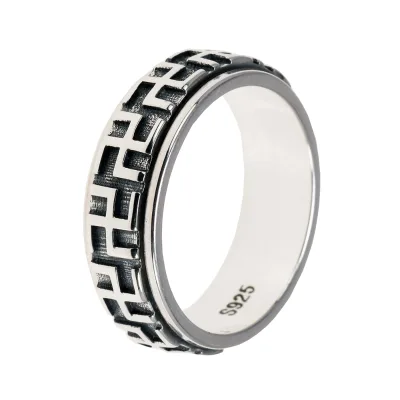
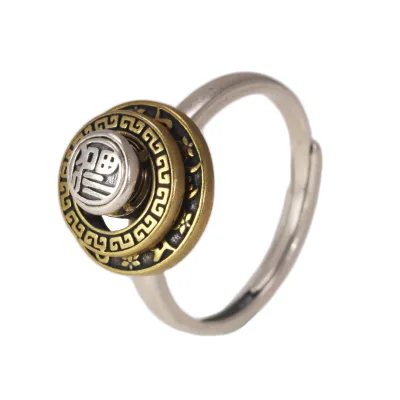
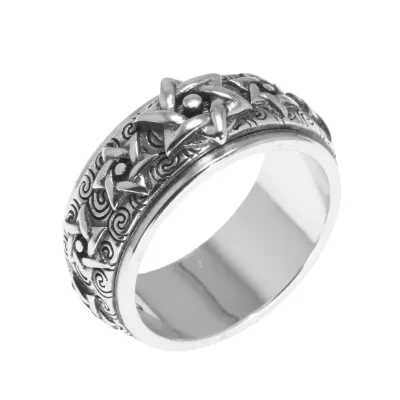
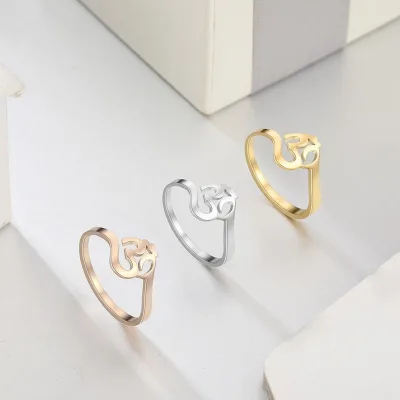


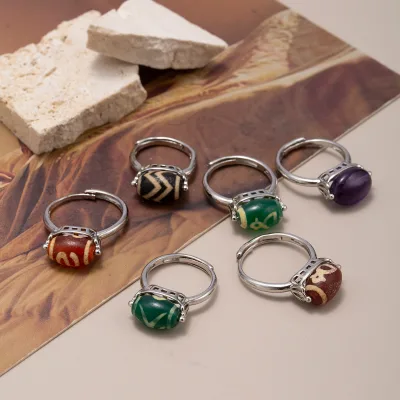
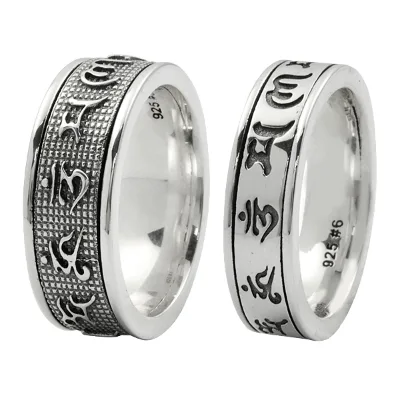
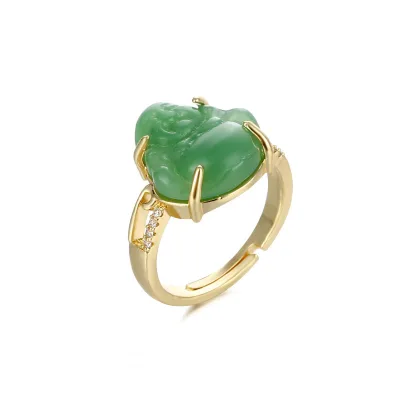


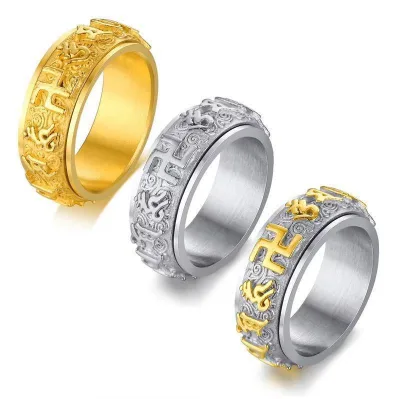


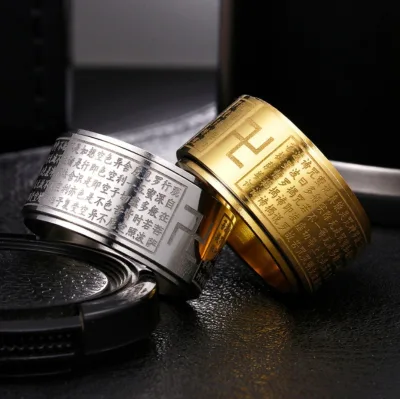
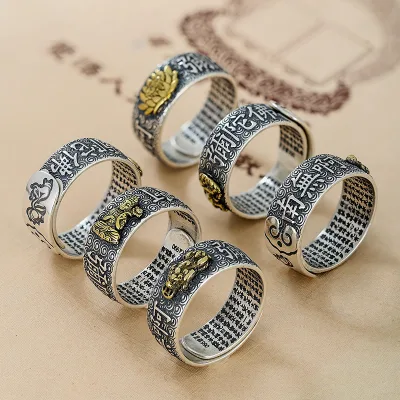
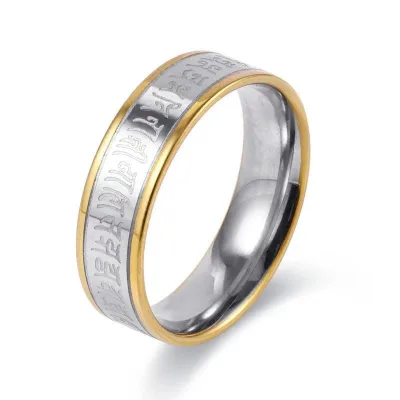
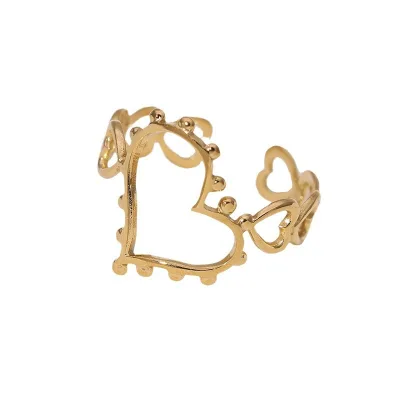
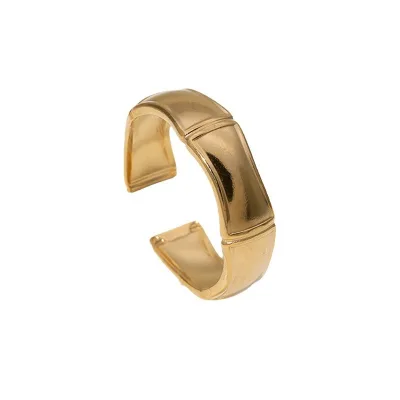
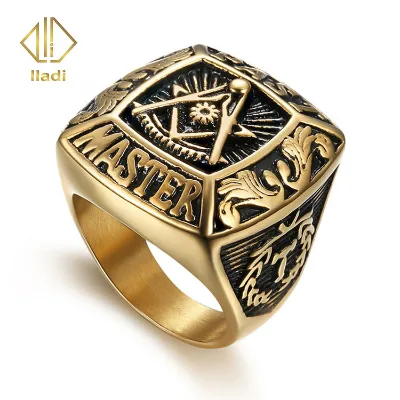
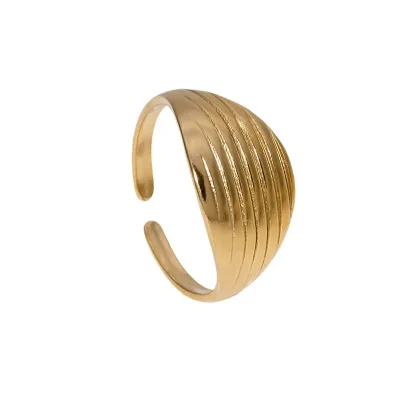
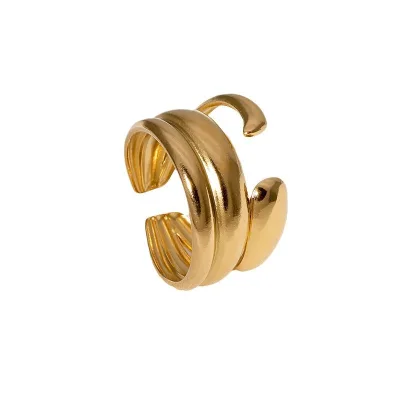
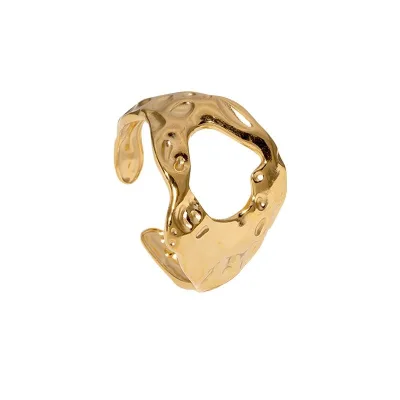
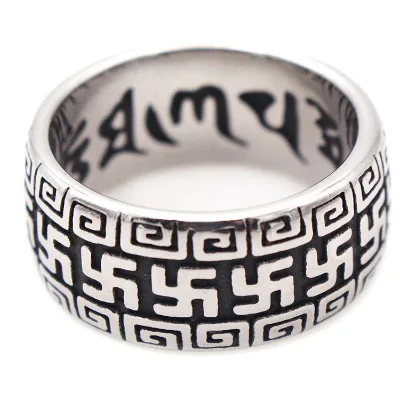
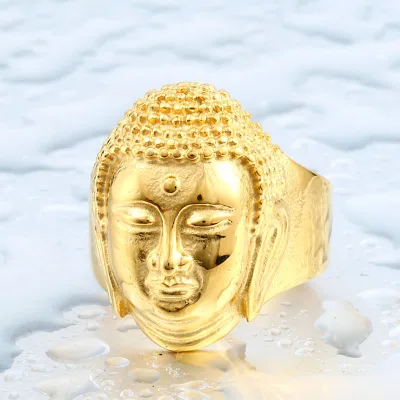
Comprehensive Sourcing Guide
Sourcing Guide for Rotatable Lotus Pattern Buddhist Rings
Understanding Product Specifications and Design Attributes
When sourcing a Rotatable Lotus Pattern Buddhist Ring, the primary objective is to identify products that align with specific religious symbolism while maintaining structural integrity and aesthetic appeal. Based on available market data, the core product category falls under "Rings" with a specific application in "Gift," "Wedding," and "Decoration." The design philosophy often centers on "Simple" and "Trendy" styles, frequently categorized as "Geometric" or "Round" in shape. A critical observation for buyers is the "Rotatable" nature of the ring, which implies a specific mechanical construction where a decorative element, such as a lotus motif, can spin around the band. This feature is often associated with "Buddhism" religious types, serving as a tactile tool for meditation or prayer.
The material composition is a defining factor for this product class. The predominant material observed in the supply chain is "Stainless Steel," which is noted for its durability and resistance to corrosion. This aligns with the "High Hardness" attribute often listed for these items. The surface finish is typically described as "High Polish" or "Polishing," ensuring a smooth texture that is comfortable for daily wear. Regarding color options, the market offers a diverse palette including "Gold," "Steel color," "Silver," and variations like "Silver Type1" and "Silver Type2." Plating options are also prevalent, with "Silver Plated," "Gold Plated," and "Rose Gold Plated" being common finishes to achieve specific visual effects without altering the base stainless steel material.
Size specifications vary significantly across different suppliers, reflecting the need for inclusivity. Available ring sizes range from standard US sizes (6 through 13) to specific male and female sizing conventions (e.g., male #6~#11, female #3~#8). Some listings indicate "Resizable" capabilities, while others provide specific numeric ranges like 17, 18, 19, and 20, which may correspond to different sizing systems or specific product models. Buyers must verify the sizing chart provided by the supplier to ensure the product fits the intended recipient, as the "Single package size" is often compact (e.g., 5x5x5 cm), suggesting a focus on individual retail packaging.
Compliance, Certification, and Religious Authenticity
In the realm of religious jewelry, particularly items associated with Buddhism, compliance and authenticity are paramount. While the product itself is a piece of jewelry, the "Third Party Appraisal" certificate type is a significant data point observed in the market. This suggests that reputable suppliers may provide documentation verifying the quality of materials or the craftsmanship of the item. For a rotatable lotus ring, this certification is crucial for buyers seeking to ensure that the product meets specific quality benchmarks before bulk procurement.
The "Certificate Type" serves as a verification mechanism for the "Stainless steel" standard mentioned in the product attributes. Buyers should verify that the stainless steel used meets international standards for jewelry-grade materials, ensuring it is nickel-free or hypoallergenic, which is essential for items worn on the skin for extended periods. Although specific certification bodies are not named in the general data, the presence of third-party appraisal indicates a level of quality assurance that goes beyond basic manufacturing.
Religious authenticity is another layer of compliance. The "Religious Type" is explicitly listed as "Buddhism," and the "Design" is often "As picture," implying that the lotus pattern must be accurately represented. The lotus flower is a profound symbol in Buddhism, representing purity, enlightenment, and rebirth. A rotatable design often allows the wearer to spin the lotus, symbolizing the turning of the Dharma or the cycle of life. Buyers must ensure that the design accurately reflects these cultural and religious nuances. The "Inlay technology" is listed as "Other," which may indicate that the lotus pattern is not inlaid with stones but rather formed through the "Fabrication Processing" of the metal itself. This distinction is important for verifying the durability of the design, as inlaid stones could potentially loosen during the rotation mechanism's operation.
Cost Drivers and Pricing Structure Analysis
The pricing for rotatable lotus pattern Buddhist rings is influenced by several distinct factors, including material quality, plating complexity, and customization levels. The observed price range in the market spans from $0.15 to $86.43 USD. This wide variance indicates a segmented market catering to both budget-conscious bulk buyers and those seeking premium, high-fidelity pieces. The lower end of the spectrum likely corresponds to standard stainless steel rings with basic plating and minimal customization, while the higher end may involve more intricate designs, superior plating thickness, or specialized packaging.
Material costs are a primary driver. Since the main material is "Stainless Steel," the price is generally more stable than precious metal rings. However, the type of plating significantly impacts the cost. "Gold Plated" or "Rose Gold Plated" options often command a higher price due to the additional processing required to apply the precious metal layer over the steel base. The "High Hardness" of the steel also contributes to the cost, as it requires specific alloy formulations and heat treatments to achieve the desired durability.
Customization is another significant cost variable. The attribute "Customization: Available" and "Customizable: Yes" suggests that buyers can request changes to the ring size, color, or even the specific lotus pattern. Custom orders typically incur higher unit costs and may have different Minimum Order Quantities (MOQ). The observed MOQ range is broad, from 1 to 1000 units, allowing flexibility for small retailers and large distributors alike. Buyers should anticipate that custom orders will likely fall on the higher end of the MOQ spectrum and may involve longer lead times, although specific lead times are not provided in the general data.
Packaging also plays a role in the final cost. The "Single package size" and "Packaging Quantity" (1PC Per Bag) indicate that individual packaging is standard. Upgrading to custom packaging or higher-quality materials for the bag will increase the unit price. Additionally, the "Third Party Appraisal" certification, if requested, adds to the overall cost but provides value in terms of trust and marketability.
Typical Applications and Usage Scenarios
Rotatable lotus pattern Buddhist rings serve multiple functions, ranging from personal spiritual practice to commercial gifting. The "Usage" attributes list "Wedding," "Decoration," and "Gift" as primary applications. In the context of weddings, these rings can serve as unique alternatives to traditional bands, particularly for couples who share an interest in Buddhism or spiritual symbolism. The "Occasion" attributes further refine this, listing "Anniversary," "Engagement," "Gift," and "Party," highlighting the versatility of the product for various social events.
For the religious community, the ring is a functional tool. The "Rotatable" feature allows the wearer to engage in a meditative practice, where spinning the lotus motif can be a form of mindfulness or a way to count mantras. This makes the ring suitable for daily wear, supported by the "Water Resistance: Daily Waterproof" attribute. This feature ensures that the ring can withstand exposure to water during daily activities, such as washing hands or light rain, without degrading the plating or the mechanical rotation mechanism.
In the commercial sector, these rings are popular as corporate gifts or promotional items. The "Application: Gift" attribute underscores their suitability for this purpose. The "Unisex" gender classification expands the market reach, allowing these rings to be marketed to a broader audience. The "Style" attributes, such as "Fashion" and "Trendy," indicate that these rings are not limited to strictly religious contexts but are also worn as fashion accessories. The "Geometric" and "Simple" design styles appeal to modern aesthetics, making them suitable for everyday wear in professional or casual settings.
Supplier Evaluation and Sourcing Strategy
Evaluating suppliers for rotatable lotus pattern Buddhist rings requires a focus on several key criteria, including location, production capabilities, and quality assurance. The "Place of Origin" is consistently listed as "Zhejiang, China," a region known for its robust manufacturing infrastructure in the jewelry sector. Buyers should verify that the supplier has a proven track record in producing stainless steel jewelry with intricate moving parts, such as the rotatable mechanism.
When assessing suppliers, buyers should request samples to test the "Surface Finish" and the durability of the "High Polish." The "Fabrication Processing" method should be scrutinized to ensure that the rotation mechanism is smooth and does not snag on clothing or skin. The "Inlay technology" being listed as "Other" suggests that buyers should specifically ask about the method used to secure the lotus pattern, ensuring it is robust enough to withstand frequent rotation.
Certification is a critical differentiator. Suppliers who provide "Third Party Appraisal" certificates demonstrate a commitment to quality and transparency. Buyers should verify the validity of these certificates and ensure they cover the specific product model. Additionally, the "Brand Name" and "Model Number" (e.g., SH6-SSR025, 732367392841) should be checked to ensure consistency across orders. Consistency in branding and model numbers helps in tracking inventory and maintaining quality standards over time.
Buyers should also evaluate the supplier's ability to handle customization. The "Customization: Available" attribute indicates flexibility, but the extent of this flexibility varies. Some suppliers may only offer size adjustments, while others may allow changes to the plating color or the specific lotus design. Clear communication regarding customization requirements is essential to avoid misunderstandings and ensure the final product meets expectations.
Quality Control and Long-Term Procurement Considerations
Maintaining high quality in rotatable lotus pattern Buddhist rings requires a rigorous quality control (QC) process. The "Hardness: High Hardness" attribute suggests that the rings must be durable enough to resist scratches and deformation. Buyers should implement QC checks that include testing the rotation mechanism for smoothness and consistency. The "Water Resistance: Daily Waterproof" claim should be verified through practical testing to ensure the plating does not peel or fade after exposure to water.
Long-term procurement considerations involve building a sustainable relationship with suppliers. The "Packaging Quantity" of 1PC Per Bag indicates that individual packaging is standard, but buyers should discuss options for bulk packaging to reduce shipping costs and environmental impact. The "Standard Packaging" attribute suggests a baseline level of protection, but custom packaging solutions may be available for premium orders.
Buyers should also consider the "Lead Time" and "MOQ" when planning their procurement strategy. While specific lead times are not provided, the wide range of MOQs (1-1000) suggests that suppliers are flexible. However, larger orders may require longer lead times for production and quality assurance. Buyers should plan their inventory accordingly to avoid stockouts, especially during peak seasons like weddings and religious holidays.
Finally, buyers should monitor the market for changes in material standards and design trends. The "Stainless steel" standard is a baseline, but new alloys or plating technologies may emerge. Staying informed about these developments can help buyers maintain a competitive edge and ensure their products remain relevant in the market. By focusing on quality, customization, and supplier reliability, buyers can successfully source rotatable lotus pattern Buddhist rings that meet the needs of their customers.
Comparison of Product Attributes and Sourcing Factors
| Attribute Category | Key Observations | Sourcing Implication |
|---|---|---|
| Material | Stainless Steel, High Hardness | Verify alloy grade for hypoallergenic properties and durability. |
| Plating | Silver, Gold, Rose Gold Plated | Confirm plating thickness to ensure longevity and color retention. |
| Design | Rotatable Lotus, Geometric, Simple | Test rotation mechanism for smoothness and structural integrity. |
| Certification | Third Party Appraisal | Request valid certificates to verify material quality and craftsmanship. |
| Sizing | 6-13, Male/Female ranges, Resizable | Confirm sizing charts and availability of custom sizing options. |
| Packaging | 1PC Per Bag, Standard Packaging | Evaluate options for bulk or custom packaging to reduce costs. |
| Origin | Zhejiang, China | Verify supplier location and production capacity for consistency. |
This table summarizes the critical attributes that buyers should focus on when evaluating potential suppliers for rotatable lotus pattern Buddhist rings. By systematically addressing each category, buyers can ensure they source high-quality products that meet their specific requirements and market demands.
FAQs
What materials are used for rotatable lotus pattern buddhist rings?
These rings are primarily made from stainless steel to ensure high hardness and durability. The surface finish is typically high polish, and options include gold, silver, or rose gold plating for varied aesthetics.
Which certifications verify the quality of these religious rings?
Reputable listings often include a third-party appraisal certificate to verify material quality and craftsmanship. This certification helps ensure the stainless steel meets safety standards for skin contact during daily wear.
How can buyers customize the size and color of the rings?
Customization is available for ring sizes ranging from standard US sizes to specific male and female measurements. Buyers can also select from various plating colors like gold, silver, or rose gold to match specific preferences.
What is the typical price range for these stainless steel rings?
The observed market price ranges from 0.15 to 86.43 USD depending on plating complexity and customization. Lower prices usually reflect standard stainless steel with basic plating, while higher costs involve intricate designs.
Can these rings be worn daily without water damage?
Yes, the rings are designed with daily waterproof resistance suitable for regular wear and light exposure. This feature ensures the plating and rotation mechanism remain intact during routine activities like hand washing.
Where are these Buddhist rings typically manufactured?
The place of origin for these products is consistently listed as Zhejiang, China. This region is known for its robust manufacturing infrastructure in the jewelry sector, particularly for stainless steel items.
What are the minimum order quantities for bulk purchases?
The minimum order quantity ranges from 1 to 1000 units, offering flexibility for small retailers and large distributors. Custom orders may require higher quantities and could involve different lead times than standard stock items.