Find FTTH FTTC Optical Power Meter for Telecom CATV Tes Lab
Source 30 FTTH FTTC Optical Power Meter units from verified Chinese manufacturers. Compare specifications like wavelength calibration, detector type, and communication interfaces for Telecom, CATV, and Tes Lab applications.
Key considerations
Products List


FTTH Optical Tools Testing Tools Optic Optical Power Meter Pon Power Meter
$124.00 - $135.00
MOQ: 1 Pieces


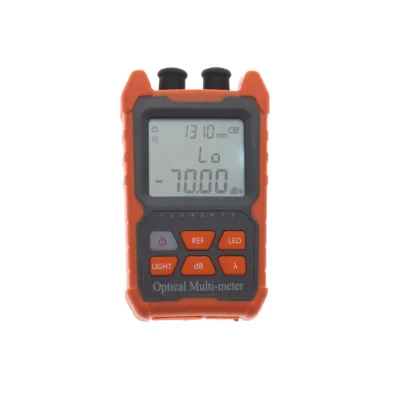
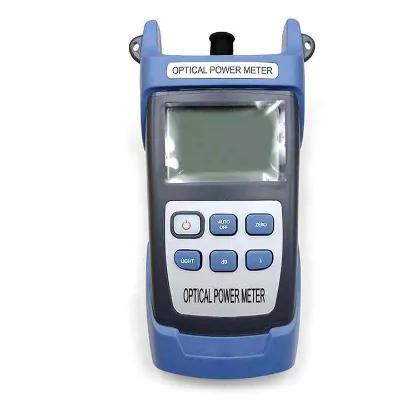
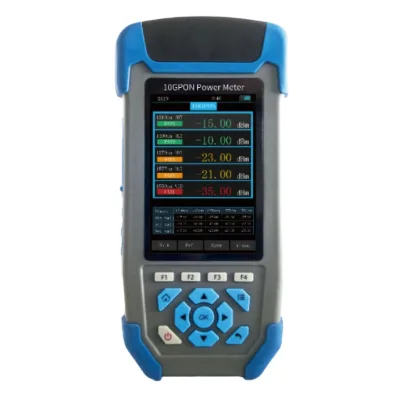
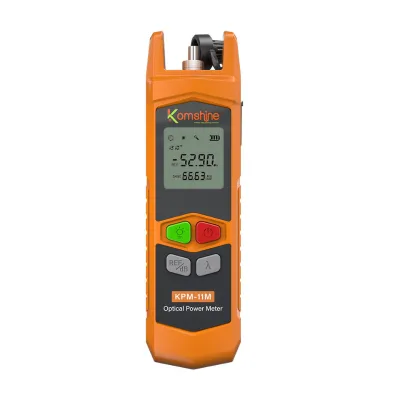
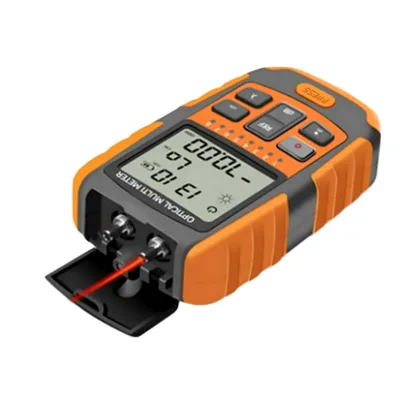
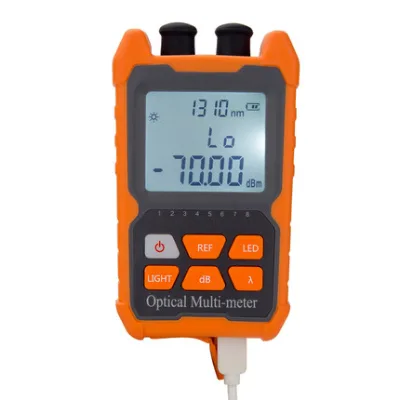
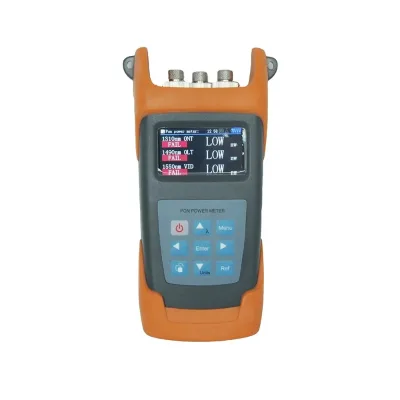
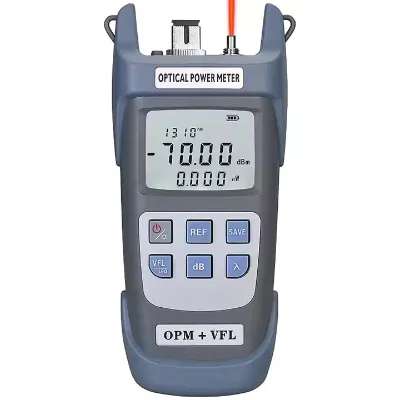
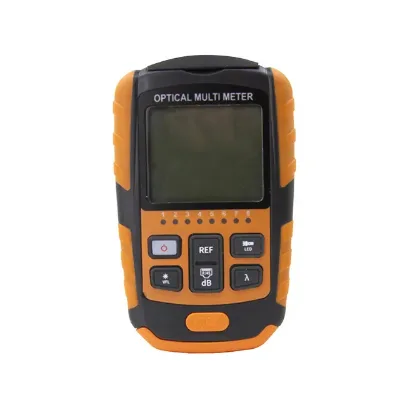
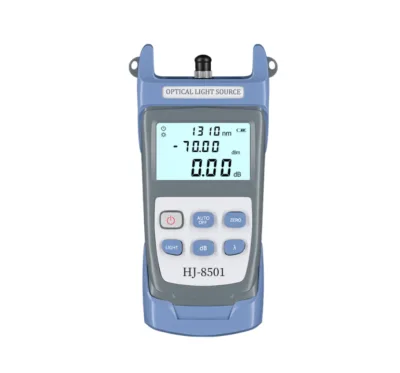
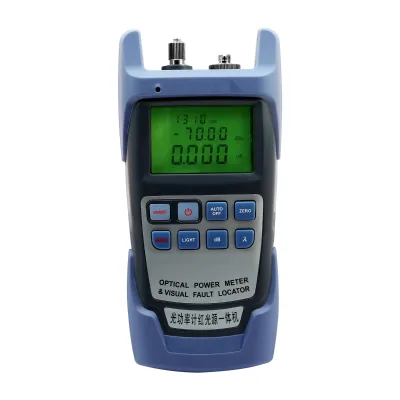
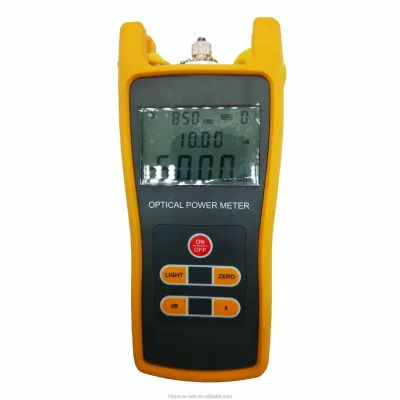


$150.00 - $180.00
MOQ: 1 Pieces

$25.00 - $40.00
MOQ: 1 Pieces

Comprehensive Sourcing Guide
Strategic Sourcing Guide for FTTH and FTTC Optical Power Meters
The deployment of Fiber to the Home (FTTH) and Fiber to the Curb (FTTC) networks represents a critical infrastructure evolution in global telecommunications. As these networks expand, the demand for precise diagnostic and maintenance tools has surged. Among these tools, the optical power meter stands as an indispensable asset for technicians and network engineers. Sourcing the correct equipment requires a disciplined approach that balances technical specifications, regulatory compliance, and supply chain reliability. This guide provides a comprehensive framework for buyers navigating the procurement of optical power meters, grounded in verified product attributes and industry standards.
Technical Specifications and Performance Parameters
When evaluating optical power meters for FTTH and FTTC applications, the primary focus must be on the device's ability to accurately measure signal loss across specific wavelength ranges. The core functionality of these instruments relies on the detector type and the calibrated wavelengths they support. In the current market, detectors are commonly categorized by their semiconductor materials, such as Gallium Arsenide (GaAs) or Indium Gallium Arsenide (InGaAs). The choice of detector material directly influences the spectral response and the range of wavelengths the meter can effectively measure.
For modern fiber optic networks, the operational wavelength range is a critical specification. Devices designed for these applications typically support a broad spectrum, often spanning from 800 nanometers to 1700 nanometers. This range encompasses the standard telecommunications windows used in single-mode and multi-mode fiber systems. Specific calibration points are essential for accurate readings. Verified product data indicates that high-performance meters often feature calibrated wavelengths at 850, 980, 1300, 1310, 1490, and 1550 nanometers. These specific points align with the standard operating frequencies for passive optical networks (PON) and other fiber infrastructure.
Resolution is another vital technical parameter that dictates the precision of the measurement. The resolution of the display, typically measured in decibels (dB), determines the smallest change in signal strength the device can detect. Buyers should look for meters offering a resolution of 0.01 dB, as this level of granularity is necessary for detecting minute signal degradations in long-haul or high-density FTTC deployments. In contrast, some general-purpose units may offer a resolution of 0.03 dB, which might suffice for basic installation checks but could lack the sensitivity required for rigorous network troubleshooting.
The identification frequency range is also a distinguishing feature for certain advanced models. While standard power meters measure continuous wave signals, some units are equipped to handle frequency identification ranges from 10 Hz to 60 kHz. This capability allows for the detection of specific modulation signals or the identification of fiber strands in complex bundles. Furthermore, the communication interface plays a role in data management. The RS232 interface is a standard protocol found in many professional-grade meters, enabling the connection to computers for data logging and analysis.
Compliance and Certification Verification
Navigating the regulatory landscape is a non-negotiable aspect of B2B procurement. Optical power meters must adhere to international safety and environmental standards to ensure they can be deployed globally without legal or safety impediments. The verification of certifications is a primary step in the supplier evaluation process.
Several key certifications are frequently observed in the market for these devices. The CE mark indicates conformity with health, safety, and environmental protection standards for products sold within the European Economic Area. Similarly, RoHS (Restriction of Hazardous Substances) compliance ensures that the device does not contain specific hazardous materials, which is a requirement for electronic equipment in many jurisdictions. The CCC (China Compulsory Certification) is essential for products manufactured in or imported into China, while ISO certifications, such as ISO9001, verify that the manufacturer adheres to quality management principles.
It is crucial for buyers to distinguish between the product's inherent certifications and the manufacturer's corporate certifications. A device may carry a CE mark, while the factory producing it holds ISO9001 certification. Additionally, some products may list uncertainty levels, such as ±5%, which serves as a performance metric rather than a regulatory certification. Buyers must request valid certification documents from the supplier to confirm that the specific batch of equipment being purchased meets these standards. Relying on general market knowledge without verifying specific documentation can lead to compliance risks, especially when deploying equipment in regulated environments.
Cost Drivers and Pricing Structures
The pricing of optical power meters is influenced by a complex interplay of factors, including technical capabilities, build quality, and supply chain dynamics. The observed market price range for these devices is broad, spanning from approximately $2.05 to $496.72. This significant variance reflects the difference between basic, single-function units and sophisticated, multi-wavelength instruments with advanced data logging capabilities.
Several key drivers contribute to the final cost. First, the detector technology is a major cost factor. InGaAs detectors, which offer superior performance in the near-infrared spectrum, are generally more expensive than GaAs detectors. Second, the resolution and calibration accuracy directly impact the price. A meter with 0.01 dB resolution and multiple calibrated wavelengths will command a higher price point than a unit with lower precision. Third, the inclusion of additional features, such as RS232 communication interfaces or frequency identification capabilities, adds to the manufacturing complexity and cost.
The Minimum Order Quantity (MOQ) is another critical cost driver. The market observes an MOQ range from 1 piece to 100 pieces. Buyers purchasing single units for immediate field use may face higher per-unit costs compared to those placing bulk orders. However, bulk purchasing often unlocks volume discounts and reduces the average cost per unit. Buyers must also consider the packaging requirements. Devices are often packed with polyfoam and double-boxed in brown boxes or standard cartons to ensure safe transit. The cost of specialized packaging is often factored into the final price, particularly for high-value instruments.
Typical Applications in Fiber Networks
Optical power meters are ubiquitous in the deployment and maintenance of fiber optic networks. Their applications span the entire lifecycle of a fiber infrastructure project, from initial installation to ongoing maintenance and troubleshooting.
In the context of FTTH, these meters are essential for verifying the signal strength at the Optical Network Terminal (ONT) or the subscriber's premises. Technicians use them to ensure that the signal loss, or attenuation, remains within acceptable limits defined by the network design. This is particularly important in PON architectures where multiple users share a single fiber strand. Accurate power measurements ensure that the network can support the required bandwidth without signal degradation.
For FTTC deployments, the application extends to the distribution points closer to the customer. Here, the meters are used to test the integrity of the feeder and distribution fibers. The ability to measure at specific wavelengths like 1310 nm and 1550 nm is crucial, as these are the standard wavelengths used for data transmission in these networks. Additionally, the meters are used in telecommunications and CATV (Cable Television) laboratories to test the performance of optical components before they are integrated into the network.
The versatility of these devices allows them to be used in various environments, from outdoor construction sites to indoor testing labs. The battery operating time is a practical consideration for field technicians. Devices with a 24-hour battery life are preferred for long-duration field operations where access to power outlets is limited. The physical dimensions and weight also play a role in usability; a compact design with dimensions around 210x115x55 mm and a weight of 425 g ensures portability without sacrificing durability.
Supplier Evaluation and Selection Criteria
Selecting the right supplier is as important as selecting the right product. Buyers must evaluate suppliers based on their ability to provide consistent quality, reliable delivery, and comprehensive support. The origin of the product is a relevant factor in this evaluation. Many optical power meters are manufactured in industrial hubs such as Hangzhou, Zhejiang, China, which is known for its electronics manufacturing capabilities. However, the location of the factory should not be the sole determinant of quality.
Buyers should verify the supplier's production standards. The presence of ISO9001 certification suggests a commitment to quality management, but it is essential to confirm that the specific product line adheres to these standards. Additionally, the customization options offered by the supplier can be a differentiator. Some suppliers offer customized solutions, while others provide standard, non-customized units. The availability of customization can be crucial for specialized applications where standard specifications do not meet the network's unique requirements.
The condition of the product is another key evaluation point. Buyers should ensure that the equipment is supplied as "New" and has not been refurbished or used. The packaging method, such as double packing with brown boxes or polyfoam, indicates the supplier's attention to protecting the product during transit. Furthermore, the supplier's ability to provide clear documentation, including calibration certificates and user manuals, is a sign of professionalism.
Quality Control and Long-Term Procurement Considerations
Quality control is a continuous process that extends beyond the initial purchase. Buyers should establish protocols for verifying the performance of the optical power meters upon receipt. This includes checking the calibration status and ensuring that the device meets the specified uncertainty levels, such as ±5%. Regular calibration is necessary to maintain accuracy over time, and buyers should inquire about the supplier's calibration services or the recommended calibration intervals.
Long-term procurement considerations involve the lifecycle management of the equipment. The durability of the device is paramount, especially for field use. Features such as moisture-proof construction and robust packaging are essential for protecting the instrument in harsh environments. The relative humidity tolerance, often cited as 0 to 95%, indicates the device's ability to operate in varying environmental conditions.
Buyers should also consider the compatibility of the optical connectors. The meters must support the standard connectors used in the network, such as FC, SC, or ST types. The connection method, whether direct connected or feed-through type, should align with the network's architecture. Finally, the lead time for delivery is a critical factor in procurement planning. While some suppliers may offer lead times as short as 3-5 working days, others may have longer production cycles. Buyers must align their procurement schedules with the supplier's lead times to avoid project delays.
Comparative Analysis of Product Attributes
To facilitate a clearer understanding of the differences between available optical power meters, the following table summarizes key attributes observed in the market. This comparison highlights the variations in specifications that buyers should consider when making a selection.
| Attribute | Product A (High Precision) | Product B (General Purpose) | Product C (Specialized) |
|---|---|---|---|
| Detector Type | InGaAs | GaAs | InGaAs |
| Calibrated Wavelengths | 850, 980, 1300, 1310, 1490, 1550 nm | 800~1700 nm (Range) | 800~1700 nm (Range) |
| Resolution (dB) | 0.01 | 0.03 | 0.03 |
| Communication Interface | RS232 | None | None |
| Frequency ID Range | 10Hz~60kHz | 270, 330, 1K, 2K Hz | N/A |
| Battery Life | 24 Hours | N/A | N/A |
| Certifications | CE, RoHS, CCC, ISO | CE, RoHS, ISO | CE, GS, RoHS, ISO |
| Origin | Hangzhou, Zhejiang, China | Zhejiang, China | Zhejiang, China |
| Customization | Available | Non-Customized | Customized |
| Condition | New | New | New |
This table illustrates that while many products share common origins and basic certifications, the technical specifications vary significantly. The choice between these options depends on the specific requirements of the FTTH or FTTC project. High-precision models with RS232 interfaces and fine resolution are ideal for complex network diagnostics, while general-purpose models may suffice for basic installation tasks.
In conclusion, sourcing optical power meters for FTTH and FTTC applications requires a meticulous approach. Buyers must carefully evaluate technical specifications, verify certifications, understand cost drivers, and assess supplier reliability. By adhering to these guidelines and focusing on the specific needs of their network infrastructure, buyers can ensure the acquisition of high-quality, reliable equipment that supports the long-term success of their fiber optic projects.
FAQs
What certifications do ftth fttc optical power meters typically have?
These devices commonly carry CE, RoHS, CCC, and ISO certifications. Some models also meet ISO9001 standards for quality management, ensuring compliance with international safety and environmental regulations for global deployment.
Which detector types are used in these optical power meters?
The meters utilize either GaAs or InGaAs detector types. InGaAs detectors are preferred for broader spectral response, while GaAs detectors are suitable for specific wavelength ranges in standard fiber optic applications.
How accurate are the measurements provided by these meters?
Measurement uncertainty is typically around plus or minus 5 percent. High-resolution models offer a display resolution of 0.01 dB, allowing technicians to detect minute signal degradations during network testing and maintenance.
Can these meters operate for a full day on a single charge?
Yes, many units provide a battery operating time of 24 hours. They are powered by 3PC1.5V batteries, ensuring continuous performance for long-duration field operations without frequent recharging or battery replacement.
What is the minimum order quantity for purchasing these devices?
The minimum order quantity ranges from 1 piece to 100 pieces depending on the supplier. Buyers can often source single units for immediate needs or place bulk orders to reduce per-unit costs significantly.
Where are these optical power meters manufactured?
Most units originate from Hangzhou, Zhejiang, China. This region is a known hub for electronics manufacturing, offering a concentration of factories capable of producing these specialized telecommunications diagnostic tools.
How are these meters packaged for safe shipping?
Devices are packed with polyfoam and double-boxed in brown boxes or standard cartons. This robust packaging ensures the equipment remains protected during transit, maintaining its condition for immediate field use upon arrival.