Source FTTH Gpon Olt Interface Card for ISP, Enterprise, and Soho
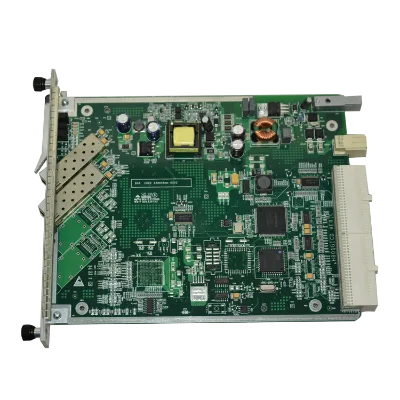
Find and compare 30 FTTH Gpon Olt Interface Card options for ISP, enterprise, and Soho deployments. These units support GPON networks with 16 ports, offering seamless connectivity and high-performance AP capabilities for fiber optic infrastructure.
Key considerations
Products List


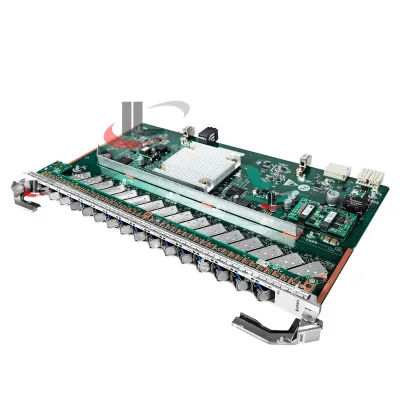
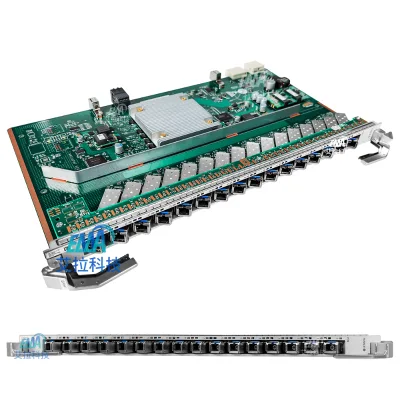
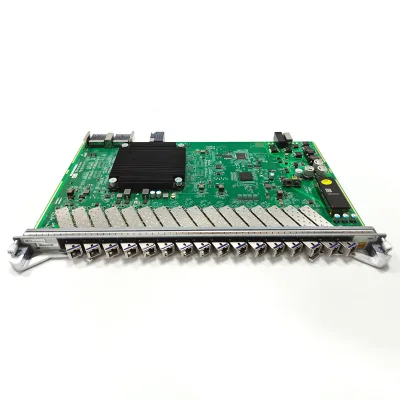
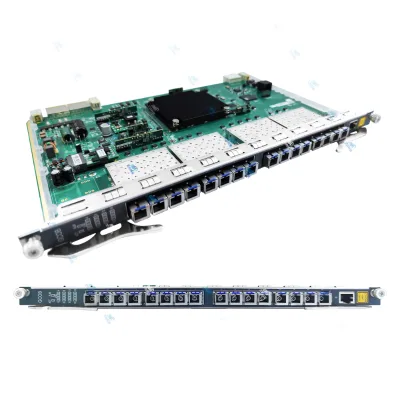
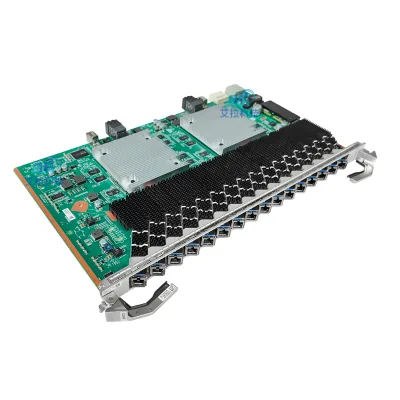
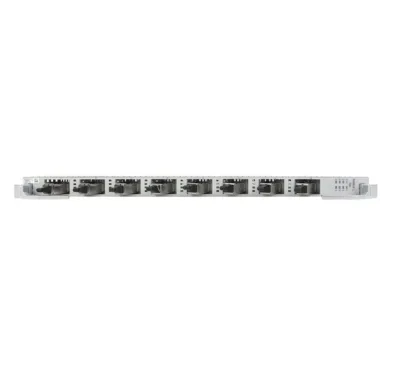
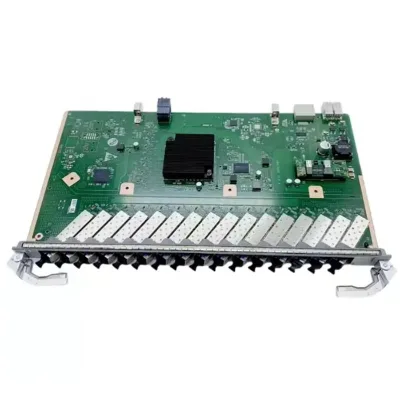
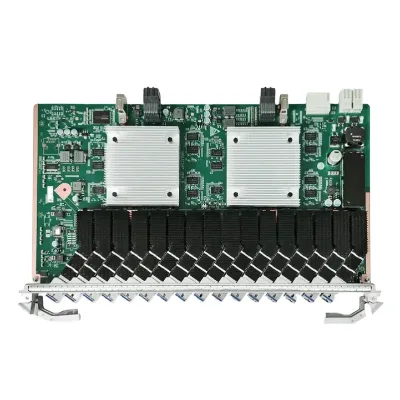
Gfbt 16-Port Gpon & Xg-Pon Combo Olt Service Card High Capacity FTTH/FTTX
$23.00 - $38.00
MOQ: 2 Pieces

Gfch 16-Port Gpon Combo Olt 16-Port Xgs-Pon and Gpon Combo Olt Interface Board
$29.00 - $50.00
MOQ: 2 Pieces




Comprehensive Sourcing Guide
FTTH Gpon Olt Interface Card Sourcing Guide
Procuring optical line terminal (OLT) interface cards for fiber-to-the-home (FTTH) networks requires a disciplined approach to technical alignment and supplier verification. These components serve as the critical bridge between the central office infrastructure and the passive optical network, managing data flow to end-user premises. Buyers must navigate a market where specifications vary significantly across manufacturers, making it essential to distinguish between generic listings and genuine, interoperable hardware. The following guide outlines the key considerations for sourcing these cards, ensuring that procurement decisions are grounded in verified technical data and commercial reality.
The core keyword for this category is "FTTH Gpon Olt Interface Card," which encompasses service cards, line interface modules, and related networking hardware designed for GPON architectures. Sourcing these items involves evaluating not just the physical form factor, but also the logical compatibility with existing OLT chassis and software versions. Buyers should focus on suppliers who provide transparent documentation regarding model numbers, port configurations, and supported standards. This guide provides a structured framework for evaluating products based on observed market signals, technical requirements, and long-term operational needs.
Product Scope and Observed Listing Signals
The current market for FTTH GPON OLT interface cards presents a wide range of options, with observed prices spanning from $23 to $2,650 USD. This broad variance reflects differences in brand reputation, port density, and feature sets, such as single-mode fiber support or specific power input requirements. Buyers should interpret price points as indicators of product tier rather than absolute value, recognizing that lower-cost items may lack certain certifications or genuine component guarantees. Understanding this range helps in setting realistic budget expectations and identifying potential outliers that may require deeper due diligence.
Minimum order quantities (MOQ) in this sector typically range from 1 to 2 units, allowing for flexible procurement strategies that accommodate both pilot deployments and large-scale rollouts. Many suppliers offer customization options, including packaging and branding, which can be advantageous for enterprise clients or ISPs looking to maintain consistent hardware aesthetics. However, buyers must verify that customization does not compromise the integrity of the hardware or void warranty terms. The availability of new condition items and genuine WiFi standards in some listings suggests a diverse inventory, but careful filtering is necessary to isolate true OLT interface cards from related networking accessories.
Technical Specifications to Verify
Technical verification begins with confirming the model number and port configuration, as these define the card’s capacity and compatibility. Observed listings highlight models such as GPOA, GFBT, GPHF, GFGL, and GCOB, each with distinct characteristics like 16-port capacities or specific C+ and C++ specifications. Buyers must cross-reference these model numbers with their existing OLT chassis documentation to ensure physical and logical compatibility. Mismatched models can lead to installation failures or suboptimal network performance, making precise identification a non-negotiable step in the sourcing process.
Power requirements and fiber type are additional critical specifications that must be validated before purchase. Some cards operate on -48V power inputs, a standard in telecommunications equipment, while others may have different requirements. Additionally, the use of single-mode fiber (SMF) is a common feature, but buyers should confirm this aligns with their network’s fiber infrastructure. Other observed attributes include compact sizes, high-quality ABS plastic construction, and dual-band support, which may be relevant for integrated access points. Verifying these details ensures that the procured cards will function seamlessly within the existing network environment.
Compliance and Safety Documentation
Compliance with international standards is a prerequisite for deploying networking hardware in professional environments. Observed certifications for these products include ISO, GS, RoHS, and CE, which indicate adherence to quality management, safety, and environmental regulations. Buyers should request valid certification documents from suppliers to verify that the products meet the regulatory requirements of their target markets. The absence of these certifications may signal non-compliant manufacturing practices, posing legal and operational risks for the buyer.
Warranty terms and quality guarantees are equally important components of the compliance framework. Most listings offer a one-year warranty, providing a safety net against early failures or defects. Buyers should ensure that the warranty covers both parts and labor, and that the supplier has a clear process for handling claims. The assertion of "100% Genuine" quality is a common claim, but it must be backed by verifiable supply chain documentation. Relying on suppliers who provide transparent warranty terms and genuine product guarantees reduces the risk of deploying counterfeit or substandard hardware.
Cost Drivers and Commercial Terms
Several factors influence the total cost of ownership for FTTH GPON OLT interface cards, including brand name, port density, and included accessories. High-end models from established brands like Huawei (HW) or ZTE may command higher prices due to their reliability and ecosystem integration. Conversely, generic or white-label options may offer cost savings but could lack the same level of support or compatibility. Buyers should evaluate the total cost, including shipping, taxes, and potential replacement costs, rather than focusing solely on the unit price.
Commercial terms such as payment methods, shipping options, and return policies also impact the overall procurement experience. Suppliers offering custom packaging or specific packing requirements may charge additional fees, which should be factored into the budget. It is advisable to negotiate clear terms regarding lead times and delivery schedules, especially for large orders. Understanding these commercial dynamics helps buyers avoid hidden costs and ensures a smoother transaction process from order placement to delivery.
Supplier Qualification and Quality Control
Supplier qualification is a critical step in mitigating procurement risks. Buyers should assess suppliers based on their track record, customer reviews, and transparency in product information. Suppliers who provide detailed specifications, clear certification documents, and responsive customer support are generally more reliable. It is also important to verify the supplier’s location and origin, as some listings indicate products originating from China. Understanding the supply chain helps in assessing potential logistical challenges and quality control measures.
Quality control measures should be integrated into the procurement process, including pre-shipment inspections and post-delivery testing. Buyers should request sample units for testing before committing to large orders, especially when dealing with new or lesser-known suppliers. Establishing clear quality expectations and communication channels with the supplier ensures that any issues are addressed promptly. Building a relationship with qualified suppliers fosters trust and facilitates smoother future transactions, reducing the likelihood of procurement errors.
Long-Term Procurement Checks
Long-term procurement success depends on continuous monitoring of product performance and supplier reliability. Buyers should establish key performance indicators (KPIs) for the interface cards, such as uptime, error rates, and compatibility with network upgrades. Regularly reviewing these metrics helps in identifying potential issues early and making informed decisions about future purchases. Maintaining a diverse supplier base can also mitigate risks associated with single-source dependencies, ensuring continuity of supply.
Staying informed about industry trends and technological advancements is essential for future-proofing procurement strategies. As FTTH networks evolve, new standards and features may emerge, requiring updates to interface cards and related hardware. Buyers should engage with suppliers who offer ongoing support and product updates, ensuring that their network infrastructure remains competitive and efficient. By adopting a proactive approach to procurement, buyers can optimize their investment in FTTH GPON OLT interface cards and support the long-term growth of their networks.
FAQs
What certifications are available for FTTH GPON OLT interface cards?
Available certifications include ISO, GS, RoHS, and CE. These standards ensure the hardware meets international safety and environmental requirements. Buyers should verify specific certification documents match their regional compliance needs before finalizing procurement orders.
How many ports does the GPON OLT service card support?
The interface card supports 16 ports, specifically designed for SFP connections. This capacity allows for dense fiber optic network deployments suitable for enterprise and ISP environments. Ensure your OLT chassis has sufficient power and space for this 16-port configuration.
What is the warranty period for these OLT interface cards?
The standard warranty period is one year, also described as 12 months. This coverage typically includes manufacturing defects and hardware failures under normal operating conditions. Buyers should review the specific warranty terms regarding repair or replacement procedures.
Can the FTTH Gpon Olt Interface Card be customized?
Customization is available for these interface cards. This may include specific branding, packaging, or configuration adjustments to fit particular network architectures. Discuss specific customization requirements with the supplier to ensure compatibility with your existing OLT system.
What is the minimum order quantity for these OLT cards?
The minimum order quantity is one set. This low MOQ allows for small-scale testing or initial deployment before scaling up. It provides flexibility for buyers who need to validate performance in their specific network environment before larger purchases.
Which OLT systems are compatible with this GPON interface card?
The card is compatible with ZTE C320 and C300 OLT systems. It is designed for GPON networks and supports FTTH, FTTB, and FTTX applications. Verify that your specific OLT model and software version support this card before installation.
What is the physical size of the OLT interface card?
The card has dimensions of 47x33x7.3 cm and weighs 1.8 kg. It is designed to fit standard OLT chassis slots. Ensure your equipment rack or chassis has adequate space and cooling for this size and weight.