Find FTTH Network OTDR for FTTH FTTB FTTX Applications
Source 30 FTTH Network OTDR units from verified Chinese manufacturers. Buyers can compare models like SKYCOM OTDR 750 and T-OT560-A24D, review certifications such as CE and RoHS, and evaluate specifications for fiber optic testing needs.
Key considerations
Products List


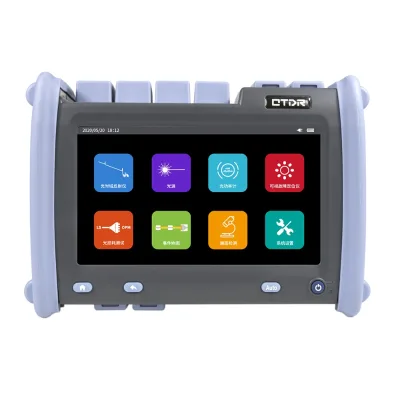
China otdr manufacturer 7 inch big color screen SM MM otdr HP6800 chinese brand otdr
$420.00 - $2280.00
MOQ: 1 Minimum


4ge LAN Ports + RF Ports Dual Band ONU FTTH Gpon ONU FTTH Gpon AC ONU Modem
$40.00 - $42.00
MOQ: 10 Pieces




Comprehensive Sourcing Guide
Strategic Sourcing Guide for FTTH Network OTDR Solutions
Understanding OTDR Fundamentals in Fiber-to-the-Home Deployments
Optical Time Domain Reflectometers (OTDR) are indispensable diagnostic instruments for the installation, maintenance, and troubleshooting of Fiber-to-the-Home (FTTH), Fiber-to-the-Building (FTTB), and Fiber-to-the-Exchange (FTTX) networks. In the context of FTTH procurement, the primary function of an OTDR is to characterize the fiber link by measuring attenuation, locating faults, and verifying splice quality. The observed market data indicates that these devices are often categorized under "Wiring Devices" and "Integrated Wiring" systems, serving as critical tools for ensuring the integrity of the physical layer in modern telecommunications infrastructure.
Buyers must recognize that not all OTDRs are identical. The specific application dictates the required technical depth. For instance, while some units are designed for general network cable testing, others are specialized for "Forming Cable" test regions or specific FTTH scenarios. The core keyword search reveals a variety of model numbers, such as the MT-8611, MT-86092, and the SKYCOM OTDR 750, alongside specialized variants like the T-OT560-A24D and T-OT750-S-A32. This diversity suggests that procurement strategies must move beyond generic specifications to match the exact operational requirements of the network being deployed. Whether the task involves initial installation or routine maintenance, the device must provide reliable data on the fiber's physical characteristics to prevent future service disruptions.
Technical Specifications and Performance Metrics
When evaluating OTDR units for FTTH networks, buyers must scrutinize specific technical parameters that directly impact measurement accuracy and operational efficiency. One of the most critical metrics is the "Event Blind Zone," which determines the minimum distance required between two events (such as a connector and a splice) for the device to distinguish them. The supplied data highlights a specific observation of a 1-meter Event Blind Zone. This specification is vital for FTTH deployments where connectors and splices are often placed in close proximity within distribution frames or drop cables. A device with a larger blind zone might fail to resolve closely spaced events, leading to inaccurate fault localization.
Power consumption and operating temperature are also essential considerations for field technicians who may work in varying environmental conditions. Observed specifications include a working temperature range of 0~50°C, which covers most standard operational environments but requires verification for extreme climates. Power requirements vary significantly across the product range; some units operate on standard electricity with a maximum power of 70W, while others are optimized for lower consumption at 50W. The physical dimensions of the equipment also vary, with some models measuring 440mm(L)*391mm(W)*44mm(H), while others have compact footprints like 215mm * 155mm * 68mm. These dimensions influence portability and the ability to fit the device into standard equipment racks or handheld carrying cases.
Furthermore, the "Test Mode" is a distinguishing feature. The data indicates an "Instant Test" capability, which is highly desirable for rapid troubleshooting scenarios where time is of the essence. Buyers should verify if the specific model they are considering offers this instant analysis or requires longer averaging times for high-precision measurements. The color of the device, such as the observed blue finish, may be a secondary aesthetic factor, but the internal optical components and software algorithms are the true determinants of performance.
Compliance, Certification, and Regulatory Standards
In the B2B procurement of telecommunications equipment, compliance with international and regional standards is non-negotiable. The observed product listings reveal a strong emphasis on certifications such as CE, RoHS, ISO, SGS, and GS. These certifications serve as evidence that the products meet specific safety, environmental, and quality management requirements. For example, the CE mark indicates conformity with health, safety, and environmental protection standards for products sold within the European Economic Area. RoHS compliance ensures that the device does not contain hazardous substances, which is increasingly mandated in global supply chains.
The data also references ISO certifications, specifically ISO9001, which pertains to quality management systems. This suggests that manufacturers adhering to these standards have established processes for consistent product quality. Additionally, the presence of SGS and GS certifications further validates the product's safety and reliability. Buyers must ensure that the specific OTDR model they intend to purchase carries the relevant certifications for their target market. For instance, a device intended for deployment in Europe must strictly adhere to CE and RoHS standards, while other regions may have different regulatory frameworks.
It is important to note that while the data lists these certifications, buyers should verify the validity of these certifications for the specific batch or model number. The presence of a certification on a product page is an observation, but the actual compliance status should be confirmed through official documentation or third-party verification before finalizing a procurement contract. The absence of a specific certification in the provided list does not necessarily mean the product is non-compliant, but it requires further investigation to ensure it meets the necessary regulatory requirements for the intended deployment location.
Cost Drivers and Procurement Economics
The pricing structure for OTDR units in the FTTH market is influenced by a complex interplay of factors, including technical capabilities, build quality, and brand positioning. The observed price range spans from $0.16 to $2400, a wide disparity that reflects the diversity of products available. This range likely includes everything from basic accessories or testing probes to high-end, fully featured OTDR units with advanced software and optical modules. The Minimum Order Quantity (MOQ) also varies significantly, ranging from 1 to 1000 units, indicating that suppliers cater to both individual technicians and large-scale network operators.
For buyers, understanding the cost drivers is essential for budgeting and total cost of ownership (TCO) analysis. High-performance OTDRs with features like instant testing, low event blind zones, and robust network management capabilities (supporting CLI, SNMP, Telnet, SSH, and Web interfaces) will naturally command higher prices. Conversely, basic models with limited functionality may be available at lower price points but might lack the precision required for complex FTTH networks. The "Customization" attribute observed in the data suggests that buyers can request tailored solutions, which may impact the final cost. Customized units often involve additional engineering and manufacturing time, potentially increasing the unit price and lead time.
Additionally, packaging and shipping costs should be factored into the procurement budget. The data indicates various packing methods, such as "1PCS/Box" or "Carton Packing," which can affect the efficiency of logistics and the overall cost of delivery. Buyers should also consider the "Selling Units" structure, which is listed as "Single item" for some products, allowing for flexible purchasing without the need for bulk commitments. However, for large-scale deployments, negotiating bulk pricing based on the MOQ range can yield significant savings.
Typical Applications and Network Integration
The primary application of OTDRs in the FTTH ecosystem is the testing and verification of fiber optic links. The data explicitly mentions applications in FTTH, FTTB, and FTTX networks, highlighting the versatility of these devices across different deployment scenarios. In an FTTH context, OTDRs are used to test the "drop cables" that connect the distribution point to the end-user premises. They are also essential for testing the "Forming Cable" regions, where the fiber is being prepared and spliced before final installation.
Beyond simple testing, some OTDR units are integrated into broader network management systems. The observed data mentions support for various network management methods, including CLI, SNMP, Telnet, SSH, and Web interfaces. This integration capability allows network operators to remotely monitor and manage the OTDR devices, facilitating automated testing and real-time fault detection. For large-scale FTTH networks, this remote management feature is crucial for maintaining network uptime and reducing the need for on-site technician visits.
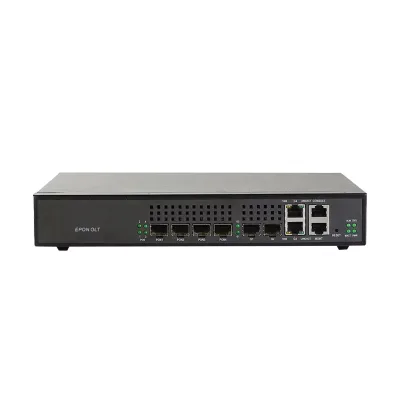
The "Switching Capacity" and "PON ports" specifications observed in the data, such as 8 PON ports and 63 Gbps switching capacity, suggest that some OTDR units may be part of a larger optical network unit (ONU) or optical line terminal (OLT) ecosystem. These devices are not just standalone testers but can be integral components of the network infrastructure, providing both testing and connectivity functions. Buyers should evaluate how the OTDR fits into their existing network architecture and whether it supports the necessary protocols for seamless integration.
Supplier Evaluation and Quality Assurance
Selecting the right supplier is a critical step in the procurement process. The data indicates that products originate from various locations, including China, Zhejiang, and Hangzhou. While these regions are known for manufacturing electronics, buyers must conduct thorough due diligence to ensure the supplier's reliability and quality standards. The presence of certifications like ISO, CE, and RoHS is a positive indicator, but it should be complemented by a review of the supplier's track record, production capacity, and after-sales support.
Quality control is paramount in the telecommunications industry. Buyers should verify the supplier's quality assurance processes, including in-process testing and final inspection protocols. The "Customization" and "Customized" attributes suggest that suppliers may offer tailored solutions, which requires a robust quality control framework to ensure that custom specifications are met consistently. Buyers should also inquire about the supplier's policy on product returns, warranties, and technical support.
Furthermore, the "Weight" of the product, such as the observed 4kg for certain models, can be a factor in logistics and handling. Heavier units may require special handling equipment or additional shipping costs. Buyers should also consider the "Max. Capacity" of the device, such as the 2-core capacity mentioned, to ensure it meets the specific requirements of the network being deployed.
Long-Term Procurement and Lifecycle Management
Procuring OTDRs is not just a one-time transaction but a long-term investment in network reliability. Buyers should consider the lifecycle management of the equipment, including maintenance, calibration, and eventual replacement. The "Working Temperature" range and "Maximum Power" specifications are key indicators of the device's durability and suitability for long-term field use. Devices that can withstand a wide temperature range and operate efficiently at lower power levels are likely to have a longer operational life.
Buyers should also evaluate the availability of spare parts and software updates. In the rapidly evolving field of telecommunications, software updates can provide new features and improved performance, extending the useful life of the OTDR. The "Network Management Method" support, including protocols like SNMP and SSH, suggests that the device is designed for integration into modern network management systems, which can facilitate long-term monitoring and maintenance.
Finally, buyers should consider the scalability of their procurement strategy. As the FTTH network expands, the need for additional OTDR units may arise. Establishing a relationship with a reliable supplier who can provide consistent quality and competitive pricing is essential for long-term success. By focusing on technical specifications, compliance, and supplier reliability, buyers can ensure that their OTDR procurement strategy supports the growth and stability of their FTTH network infrastructure.
FAQs
What certifications are required for FTTH OTDR devices?
Common certifications include CE, RoHS, ISO, SGS, and GS. Buyers must verify that the specific model carries the relevant marks for their target market, such as CE for Europe or ISO9001 for quality management.
How does the event blind zone affect FTTH testing?
A 1-meter event blind zone allows the device to distinguish closely spaced connectors and splices. This metric is critical for FTTH deployments where components are often placed in close proximity within distribution frames.
Which network management methods do these OTDRs support?
Supported methods typically include CLI, SNMP, Telnet, SSH, and Web interfaces. This integration allows network operators to remotely monitor and manage devices for automated testing and real-time fault detection in large networks.
Can I find customized FTTH OTDR solutions?
Yes, customization is available for specific operational requirements. Buyers should note that custom units may involve additional engineering time and potentially higher costs compared to standard models with fixed specifications.
What is the typical working temperature range for these units?
The observed working temperature range is 0 to 50 degrees Celsius. This covers most standard operational environments, though verification is required for extreme climates outside this specific range.
How are these devices typically packaged for shipping?
Packaging options include 1PCS/Box or Carton Packing with standard boxes. Buyers should consider these methods when calculating logistics efficiency and overall delivery costs for bulk orders.