Source FTTH Network Optical Fiber Pigtail for Communication, Medicine, Sensor
Compare 30 listings for FTTH Network Optical Fiber Pigtail from verified manufacturers in Shenzhen. Buyers can evaluate specifications like insertion loss, connector types, and delivery times for communication, medicine, and sensor applications; compare the available evidence and request quotations based on your requirements.
Key considerations
Products List


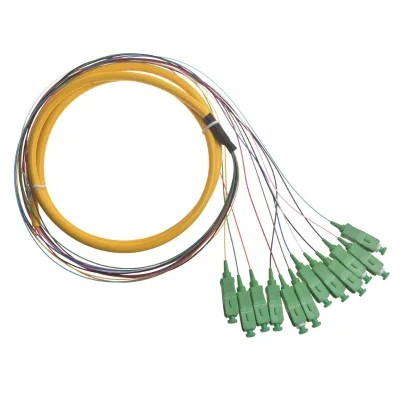
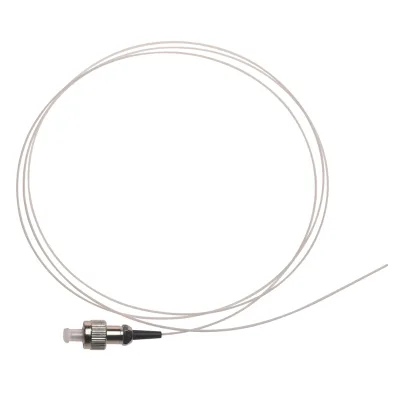
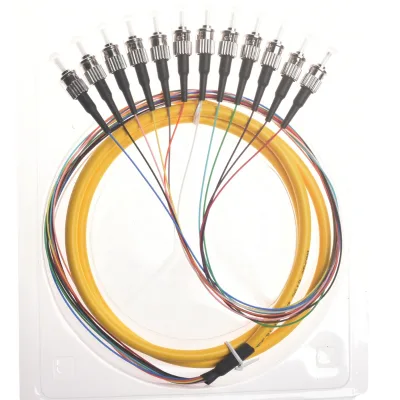
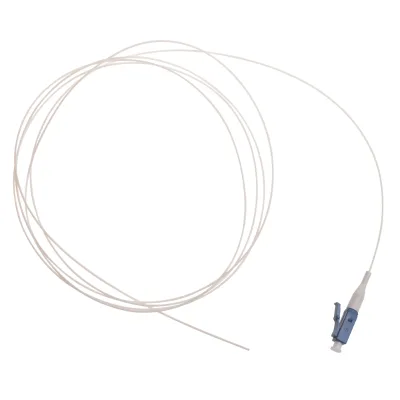


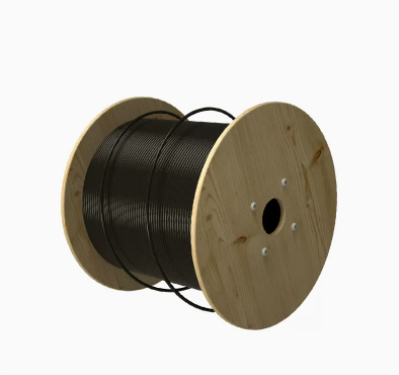

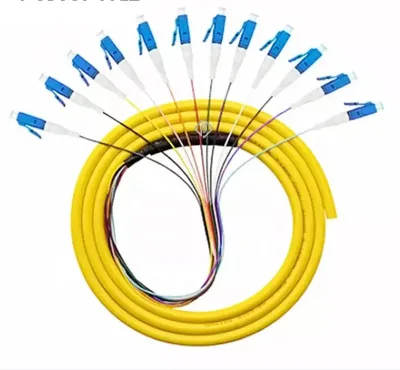


E2000/APC FTTH Optical Single Mode 9/125 0.9mm Fiber Optic Cable Pigtail
$0.50 - $5.50
MOQ: 100 Pieces


Best Selling Fiber Optic Pigtail for Data Center and Telecom Applications
$0.80 - $1.00
MOQ: 1000 Pieces


China Factory Supply Fiber Optic Pigtail with High Channel Count Available
$0.80 - $1.00
MOQ: 1000 Pieces

Approved Patchcord Pigtail for Data Communication and Telecommunication Systems
$0.80 - $1.00
MOQ: 1000 Pieces
Comprehensive Sourcing Guide
FTTH Network Optical Fiber Pigtail Sourcing Guide
Procuring fiber optic pigtails for FTTH networks requires a precise understanding of component specifications and supply chain dynamics. These pigtails serve as critical intermediaries between fiber cables and termination equipment, ensuring low-loss connections in dense optical distribution environments. Buyers must navigate a market characterized by diverse connector types, including SC, FC, ST, and LC, each suited to specific deployment scenarios. The selection process hinges on matching the pigtail’s physical attributes with the network’s architectural demands, particularly in FTTH and FTTX applications where reliability is paramount.
The sourcing landscape for these components is influenced by manufacturer capabilities and customization options. Many suppliers operate as direct manufacturers, offering tailored solutions for specific fiber counts and cable diameters. Understanding the distinction between single-mode fibers and other variants is essential, as single-mode is the standard for long-distance and high-bandwidth FTTH deployments. Buyers should evaluate how customization availability impacts lead times and minimum order quantities, ensuring that the chosen supplier can scale production to meet project milestones without compromising quality or consistency.
Product Scope and Observed Listing Signals
The current market for FTTH network optical fiber pigtails exhibits a wide range of product configurations and pricing structures. Observed listings indicate a price range from $0.03 to $55 USD, reflecting variations in connector quality, fiber type, and packaging. Minimum order quantities (MOQs) typically span from 1 to 2000 units, allowing both small-scale repairs and large-scale infrastructure projects to find suitable suppliers. This variability necessitates careful evaluation of unit costs against volume discounts, as well as an assessment of whether the supplier’s MOQ aligns with the buyer’s immediate inventory needs and long-term consumption rates.
Product attributes observed in listings highlight key differentiators such as fiber count, insertion loss, and return loss. For instance, some products are specified with 12 or 24 cores, while others focus on single-pigtail configurations. Technical metrics like insertion loss of ≤0.2 dB and return loss of ≥55 dB are critical indicators of performance quality. Additionally, cable diameters of 0.9, 2.0, or 3.0 mm cater to different handling and installation requirements. Buyers should verify these specifications against their network design documents to ensure compatibility with existing patch panels and splice closures, avoiding mismatches that could lead to signal degradation or installation delays.
Technical Specifications to Verify
Verifying technical specifications is the cornerstone of successful procurement for fiber optic pigtails. Buyers must confirm the fiber type, with single-mode being the predominant choice for FTTH applications due to its low attenuation and high bandwidth capabilities. The connector type, whether SC/APC, SC/UPC, FC, or LC, must match the termination equipment precisely. APC connectors, with their angled physical contact, are particularly important for reducing back reflection in high-performance networks. Additionally, the fiber coating diameter, often 250 microns, and the strength member material, such as aramid yarn, contribute to the pigtail’s durability and handling characteristics during installation.
Operating conditions and physical dimensions also require rigorous verification. The operating temperature range, typically spanning from -40°C to 85°C, ensures reliability in diverse environmental conditions, from outdoor cabinets to indoor server rooms. Cable diameter options, such as 0.9 mm for tight-buffered applications, affect bend radius and flexibility. Buyers should also assess the product model numbers, such as TK-00004 or TKS-1805-24A1, to trace specific design features. Confirming these details prevents field failures and ensures that the pigtails integrate seamlessly with the broader fiber optic infrastructure, maintaining signal integrity across the network.
Compliance and Safety Documentation
Compliance with international standards is non-negotiable for fiber optic components used in critical infrastructure. Buyers must request documentation verifying certifications such as CE, RoHS, and ISO, which indicate adherence to safety, environmental, and quality management standards. These certifications ensure that the materials used in the pigtails, including the ABS housing and fiber coatings, are free from hazardous substances and meet regulatory requirements in target markets. Without proper certification, products may face customs delays or rejection, disrupting project timelines and increasing costs.
Beyond certifications, buyers should verify that suppliers adhere to recognized industry standards for fiber optic performance. While specific standard numbers may vary, the underlying principles of insertion loss, return loss, and tensile strength testing are universal. Suppliers should provide test reports or certificates of conformity that demonstrate compliance with these performance benchmarks. Additionally, checking for VDE or CCC certifications may be necessary for specific regional markets. Ensuring that all documentation is up-to-date and verifiable protects the buyer from liability and ensures that the installed network meets legal and safety obligations.
Cost Drivers and Commercial Terms
Understanding the cost drivers behind fiber optic pigtails helps buyers negotiate better commercial terms. Key factors include the type of connector, fiber grade, and packaging method. Premium connectors like SC/APC generally command higher prices than standard UPC variants due to their precision polishing and lower back reflection. Similarly, single-mode fibers with specific coatings, such as G657A1 for bend-insensitive performance, may incur a premium. Packaging also influences cost, with options ranging from simple carton packing to individual skin plastic boxes, which offer better protection but higher material and labor expenses.
Commercial terms such as lead time and sample availability significantly impact procurement strategy. Many suppliers offer delivery within 1 to 3 days for standard items, while custom orders may require longer lead times. Sample lead times, often within 5 days, allow buyers to evaluate product quality before committing to large orders. Buyers should also inquire about sample pricing, which may be free with freight paid by the buyer, or charged at a premium. Negotiating clear terms for shipping, payment, and returns ensures transparency and reduces the risk of unexpected costs, facilitating smoother project execution and budget management.
Supplier Qualification and Quality Control
Supplier qualification is a critical step in mitigating procurement risks for fiber optic pigtails. Buyers should prioritize suppliers who are direct manufacturers, as they typically offer better control over quality and pricing compared to trading companies. Verifying the supplier’s business type and production capacity ensures they can meet volume requirements and maintain consistent quality. Additionally, checking the supplier’s location, such as Shenzhen or Zhejiang in China, can provide insights into their supply chain efficiency and proximity to raw material sources. A robust quality control system, including incoming material inspection and final product testing, is essential for ensuring product reliability.
Quality control processes should include rigorous testing of insertion loss, return loss, and tensile strength. Buyers should request evidence of these tests, such as batch test reports or third-party certification. Furthermore, assessing the supplier’s packaging standards, such as using carton or individual boxes, helps ensure that products arrive in pristine condition. Suppliers who offer customization services should also demonstrate their ability to maintain quality across varied product configurations. By thoroughly evaluating supplier qualifications and quality control measures, buyers can establish a reliable supply chain that supports the long-term performance of their FTTH networks.
Long-Term Procurement Checks
Long-term procurement success depends on establishing ongoing checks and balances with suppliers. Regular audits of supplier performance, including delivery times, product quality, and responsiveness, help identify potential issues before they escalate. Buyers should maintain a database of supplier metrics to track trends and make data-driven decisions. Additionally, staying informed about industry advancements, such as new fiber types or connector technologies, ensures that the procurement strategy remains aligned with evolving network requirements. This proactive approach minimizes the risk of obsolescence and supports continuous improvement in network performance.
Building strong relationships with suppliers can also lead to better commercial terms and priority support during peak demand periods. Buyers should engage in regular communication with their suppliers to discuss future needs, potential product updates, and feedback on past purchases. This collaborative approach fosters trust and encourages suppliers to invest in the buyer’s success. Furthermore, diversifying the supplier base can mitigate risks associated with single-source dependencies, ensuring continuity of supply even in the face of disruptions. By implementing these long-term checks, buyers can secure a stable and efficient supply of fiber optic pigtails for their FTTH networks.
FAQs
What certifications are available for FTTH optical fiber pigtails?
Available certifications include VDE, RoHS, CCC, CE, and ISO. These ensure compliance with international safety and environmental standards. Buyers can verify specific documentation from manufacturers in Shenzhen or Zhejiang. Always request valid certificates before placing bulk orders to guarantee regulatory adherence for your project.
Can I customize the fiber count and connector types?
Yes, customization is available for various fiber counts and connector types. Options include SC, FC, ST, and LC connectors with APC or UPC finishes. Manufacturers offer single-mode fibers like G657A1 with diameters of 0.9, 2.0, or 3.0 mm. Contact suppliers directly to specify your exact technical requirements for tailored solutions.
What is the typical delivery time for these products?
Standard delivery time is within 1 to 3 days for most orders. Sample lead times are typically within 5 days, though freight costs are paid by the buyer. Bulk production schedules may vary based on MOQ and customization needs. Confirm exact timelines with the manufacturer before finalizing your purchase agreement.
What are the insertion and return loss specifications?
Insertion loss is typically <=0.2 dB, ensuring efficient signal transmission. Return loss is >=55 dB, minimizing signal reflection. These metrics apply to single-mode fiber pigtails used in FTTH applications. Verify these values with specific product datasheets, as performance can vary slightly between different manufacturer batches and connector types.
Where are these optical fiber components manufactured?
Products originate from Shenzhen and Zhejiang, China. Manufacturers in these regions specialize in fiber optic distribution boxes and pigtails. The business type is typically listed as a manufacturer. Buyers can source directly from these locations to ensure quality control and competitive pricing for their FTTH network infrastructure projects.
What packaging options are provided for bulk orders?
Packaging includes skin plastic boxes for individual items and cartons for bulk shipments. Standard packing is 1 PCS per box, with several PCS in one carton. Single package sizes vary, such as 20x18x2 cm for pigtails. Ensure packaging meets your logistics requirements to prevent damage during transit and storage at your facility.