Source Fue Punch Sapphire Ophthalmic Knives for Hair Transplant, Ophthalmic Surgery, and Microblade Procedures
Find and compare 30 available Fue Punch Sapphire Ophthalmic Knives designed for hair transplant, ophthalmic surgery, and microblade applications. These manual surgical instruments feature sapphire or black diamond tips with titanium handles, offering customization options and CE certification for professional medical sourcing needs.
Key considerations
Products List


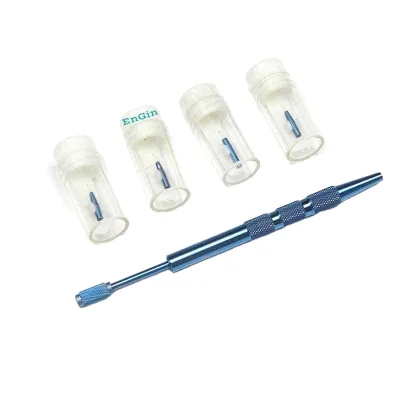
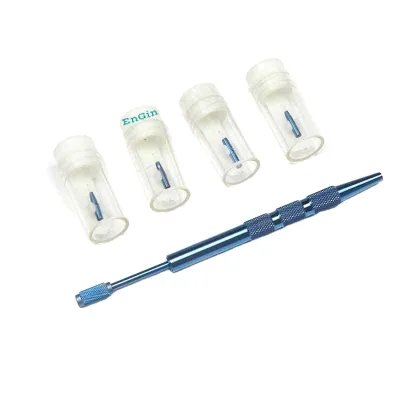
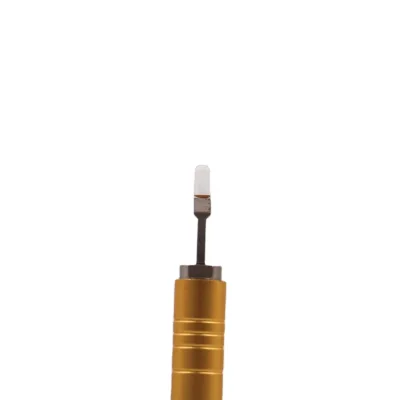
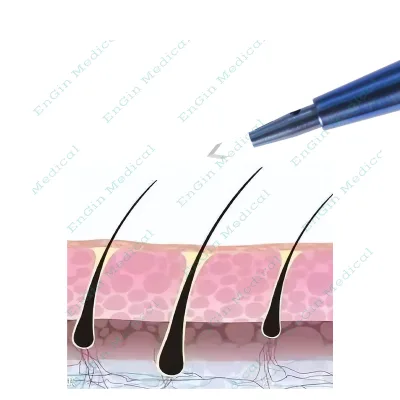
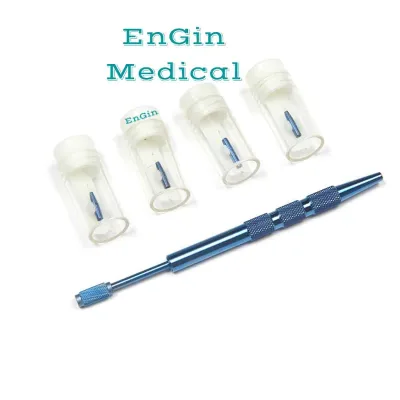
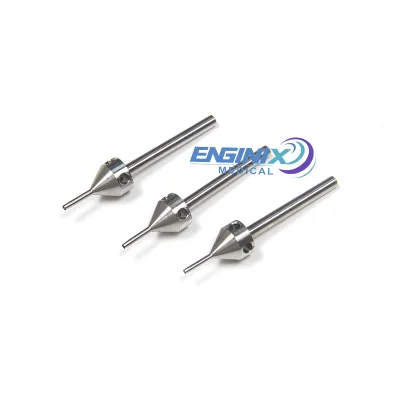


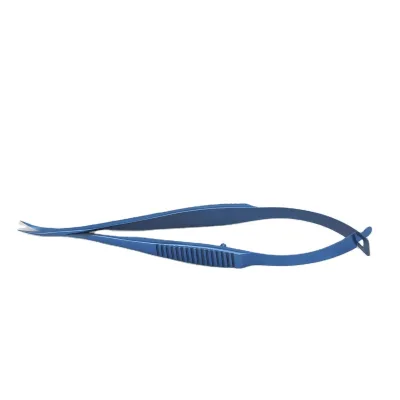
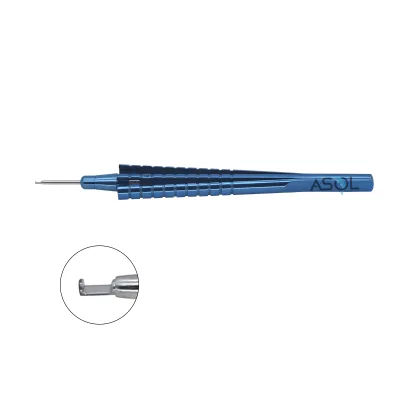


Shenzhen Ultra-Sharp Sapphire Fue Scalpel Blades Precision Manual Metal OEM
$15.00 - $20.00
MOQ: 1 Pieces
Comprehensive Sourcing Guide
Fue Punch Sapphire Ophthalmic Knives Sourcing Guide
Procuring specialized surgical instruments like Fue Punch Sapphire Ophthalmic Knives requires a disciplined approach to distinguishing between high-volume hair transplant tools and precision ophthalmic devices. The market presents a diverse array of products where the core material, such as sapphire or black diamond, is often paired with titanium handles to ensure durability and sterility. Buyers must navigate listings that may conflate general hair transplant knives with specific ophthalmic phaco spears, necessitating a rigorous verification of the intended surgical application before committing to a purchase order.
The distinction between a standard hair transplant knife and a specialized ophthalmic instrument is critical for patient safety and procedural success. While many listed items share similar physical attributes like a microblade design or manual power source, their functional classification varies significantly, with some designated strictly for follicular unit extraction and others for delicate eye surgeries. Sourcing strategies must therefore prioritize suppliers who can clearly articulate the specific surgical context for each model, ensuring that the instrument's geometry and material properties align precisely with the surgeon's requirements.
Product Scope and Observed Listing Signals
The observed product landscape for these instruments reveals a wide range of model numbers, including EG-ZFD, ED-ZFD, and EGT-ZFD, which often indicate variations in blade geometry or intended use. Listings frequently highlight customization options for logos and packaging, suggesting that many manufacturers operate with a flexible production model capable of meeting specific branding needs. However, the presence of multiple model identifiers within a single supplier's catalog can sometimes obscure the specific technical capabilities of each unit, requiring buyers to cross-reference model numbers with detailed technical descriptions.
Price and minimum order quantity (MOQ) signals in the current market suggest a highly accessible entry point for procurement, with observed prices ranging from 1 to 100 USD and MOQs as low as one piece. This low barrier to entry allows for small-batch testing of different instrument types, which is particularly valuable when evaluating the performance of sapphire blades versus black diamond alternatives. Despite the low financial risk per unit, the variability in shelf life, ranging from one to three years, indicates that buyers must carefully assess the storage conditions and expiration dates associated with each specific batch to ensure product viability upon arrival.
Technical Specifications to Verify
Verifying the material composition is the first step in ensuring the instrument meets surgical standards, as listings explicitly mention sapphire, black diamond, and titanium as primary components. The handle material, often cited as titanium, provides the necessary rigidity and corrosion resistance required for repeated sterilization cycles, while the blade material determines the sharpness and longevity of the cut. Buyers should confirm that the specific model they are ordering matches the intended material profile, as some listings may offer sapphire blades while others specify black diamond, a distinction that can significantly impact the cutting performance in delicate procedures.
The physical dimensions and packaging details are equally critical for logistics and surgical workflow integration. Observed single package sizes vary from compact 5x2x2 cm units to larger 25x3x5 cm boxes, reflecting differences in whether the product is sold as a single item or in a bulk set. Additionally, the gross weight of individual units ranges from 0.010 kg to 0.500 kg, a variance that suggests significant differences in packaging density or the inclusion of additional accessories. Procurement teams must verify these specifications against their shipping constraints and storage capabilities to avoid logistical bottlenecks upon delivery.
Compliance and Safety Documentation
Regulatory compliance is a non-negotiable aspect of sourcing medical instruments, with CE certification appearing as a standard requirement for many listed products. This certification indicates that the manufacturer has met specific European health, safety, and environmental protection standards, which is often a prerequisite for importing surgical tools into many global markets. Buyers must request valid, up-to-date certificates for each model number, as the presence of a CE mark on one product does not automatically extend to other models within the same supplier's catalog.
Beyond general certifications, specific safety standards such as GB15979-2002 provide a framework for the biological safety of the instruments. This standard is particularly relevant for products originating from China, where many of the listed suppliers are based, and it addresses the requirements for medical device safety and efficacy. Procurement teams should verify that the supplier can provide test reports or documentation confirming adherence to this standard, ensuring that the instruments are safe for human use and do not pose risks of infection or adverse reactions during surgical procedures.
Cost Drivers and Commercial Terms
The commercial terms for these instruments are heavily influenced by the level of customization required, with options for customized logos and specific packaging details often adding to the base cost. While the observed price range is low, the final cost per unit can fluctuate based on the complexity of the branding, the type of sterilization pouch used, and the specific model number selected. Buyers should negotiate clearly on whether the quoted price includes the cost of the sterilization pouch and box, as these packaging details are frequently listed separately in product specifications.
After-sales service and warranty terms represent another significant factor in the total cost of ownership, with suppliers offering varying levels of support such as return and replacement policies or online technical support. The shelf life of the product, which can range from one to three years, directly impacts the inventory management strategy and the financial risk associated with holding stock. Procurement teams must clarify the return policy for expired or damaged goods and ensure that the supplier's support mechanisms are robust enough to handle any issues that arise during the product's usable lifespan.
Supplier Qualification and Quality Control
Supplier qualification should extend beyond the basic presence of certifications to include an assessment of their manufacturing processes and quality control protocols. The listed products originate from specific regions like Jiangsu, China, and understanding the local manufacturing ecosystem can provide insights into the consistency and reliability of the supply chain. Buyers should inquire about the supplier's internal quality assurance measures, particularly regarding the handling of sensitive materials like sapphire and the precision of the titanium handle assembly.
Instrument classification, such as Class I, provides a baseline for understanding the regulatory risk associated with the product, but it does not guarantee the quality of the manufacturing process. Buyers must verify that the supplier maintains consistent quality across different batches, especially given the variation in model numbers and material compositions observed in the market. Establishing a clear communication channel for quality feedback and ensuring that the supplier is responsive to any deviations from the agreed-upon specifications is essential for maintaining a reliable supply of surgical instruments.
Long-Term Procurement Checks
Establishing a long-term procurement strategy requires regular audits of the supplier's ability to maintain consistent product specifications and compliance status. As the market evolves, new standards or regulatory requirements may emerge that necessitate updates to the product line, and suppliers must demonstrate their agility in adapting to these changes. Buyers should schedule periodic reviews of the supplier's documentation, including updated certificates and safety standard compliance reports, to ensure that the instruments remain suitable for their intended surgical applications.
Inventory management and shelf life monitoring are critical components of a sustainable procurement plan, particularly for products with varying expiration dates. The observed shelf life of one to three years means that buyers must implement a robust system to track the age of their stock and prioritize the use of older inventory to prevent waste. Additionally, maintaining a relationship with the supplier that allows for flexible reordering and quick response to demand fluctuations will help mitigate the risks associated with supply chain disruptions and ensure a steady supply of essential surgical tools.
FAQs
What materials are used for the sapphire punch and handle?
The product uses sapphire for the blade and titanium for the handle. Some variations also include black diamond options. These materials ensure durability and precision during hair transplant procedures.
Which certifications does the sapphire knife hold?
The instrument holds CE and GS quality certifications. It also complies with the GB15979-2002 safety standard. These certifications verify the product meets international medical safety requirements for surgical use.
Can I customize the logo on the sapphire knife?
Yes, customized logo acceptance is available for this product. Buyers can request specific branding on the packaging or the instrument itself. This service supports private labeling needs for medical suppliers.
What is the minimum order quantity for these knives?
The minimum order quantity is one piece for single items. This low MOQ allows buyers to test the product quality before placing larger orders. It applies to both standard and customized packaging options.
How long is the shelf life of the sapphire scalpel?
The shelf life varies between one year and three years depending on the specific model. Proper storage in sterilization pouches helps maintain the product integrity. Buyers should check the specific model details for exact expiration dates.
What is the origin and packaging of the sapphire knife?
The product originates from Jiangsu, China, and is packed in cartons or individual sterilization pouches. The single package size is typically 5x2x2 cm or 25x3x5 cm. This ensures safe transport and sterility upon arrival.