Source FTTX Armored Patch Cord for Communication Sensor Medicine
Compare 30 listings for FTTX Armored Patch Cord designed for communication, sensor, and medicine applications. Buyers can review specifications like tensile strength, lateral pressure, and insulation materials from verified Chinese manufacturers.
Key considerations
Products List


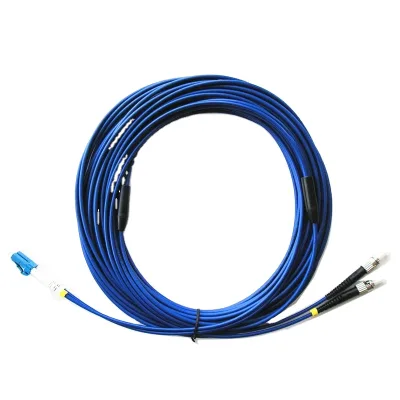
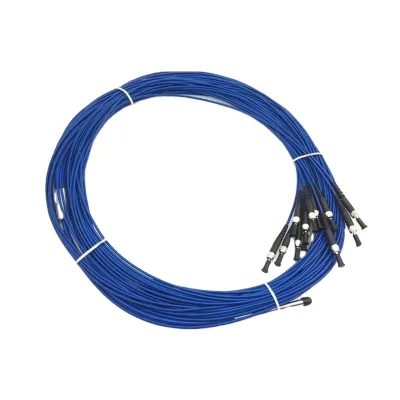
TA to SMA905 13 Core Fiber Patchcord 200um Infrared Fiber Optical Patchcord
$1017.84 - $1221.41
MOQ: 1 Minimum
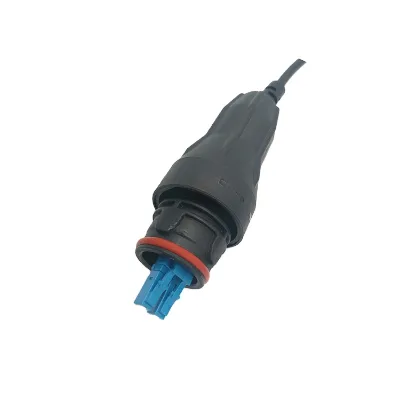
Factory Price Outdoor Waterproof Fullaxs LC Compatible Fiber Patch Cord
$5.00 - $10.00
MOQ: 10 Minimum




Comprehensive Sourcing Guide
Strategic Sourcing Guide for FTTx Armored Patch Cords
The procurement of Fiber To The X (FTTx) armored patch cords represents a critical decision point for network infrastructure projects requiring high durability and signal integrity in demanding environments. These specialized cables are engineered to withstand physical stress, including crushing forces and tensile loads, making them indispensable for last-mile deployments, data center interconnects, and industrial sensor networks. Sourcing these components requires a disciplined approach that balances technical specifications with rigorous supplier verification. This guide outlines the essential factors buyers must evaluate to ensure the acquisition of high-quality, compliant, and cost-effective armored patch cords.
Technical Specifications and Structural Integrity
When evaluating FTTx armored patch cords, the primary focus must be on the structural composition that defines its performance under stress. The core of the cable typically utilizes single-mode or multicore fiber configurations, depending on the specific network architecture requirements. For applications demanding long-distance transmission with minimal signal loss, single-mode fiber is often the standard choice, whereas multicore options may serve high-density local area networks. The physical protection is achieved through an armored jacket, which can be either metallic or non-metallic, designed to resist rodent attacks, crushing, and abrasion.
The conductor material is a vital component of the cable's integrity. In many high-performance armored variants, tinned copper is utilized to enhance conductivity and corrosion resistance, particularly in grounding applications or where electrical interference is a concern. The insulation materials surrounding the fiber cores are equally critical; common specifications include XLPE (Cross-Linked Polyethylene), PE (Polyethylene), and PVC (Polyvinyl Chloride). Each material offers distinct thermal and mechanical properties. For instance, XLPE provides superior thermal stability, while PVC offers flexibility and cost efficiency. Buyers must verify that the jacket material, often PVC or a specialized composite, meets the required fire safety ratings, such as OFNR or OFNP, to ensure compliance with building codes in indoor installations.
The connection structure is another defining technical attribute. Patch cords are typically terminated with connectors such as FC, SC, or ST, with polish types including PC, UPC, or APC. The choice of connector affects insertion loss and return loss performance. In high-vibration environments, the "Back Hold" feature found in certain armored designs provides additional mechanical stability, preventing accidental disconnection. The cable length is another variable that influences procurement; standard reels often range from 100 to 500 meters, though custom lengths can be requested. The cross-sectional dimensions, such as 4x50mm² or diameters ranging from 3.0 to 8.0mm, must align with the conduit or tray capacity of the installation site.
Compliance and Certification Verification
Navigating the regulatory landscape is non-negotiable when sourcing industrial-grade fiber optics. Buyers must demand verifiable proof of compliance with international and regional standards. The most prevalent certifications observed in the market include RoHS (Restriction of Hazardous Substances), which ensures the product is free from specific hazardous materials, and CE (Conformité Européenne), indicating conformity with health, safety, and environmental protection standards for products sold within the European Economic Area. Additionally, ISO certifications, such as ISO 9001 for quality management, are strong indicators of a supplier's commitment to consistent manufacturing processes.
Specific to the Asian market, the CCC (China Compulsory Certification) is a mandatory requirement for products sold within China, and its presence often signals a supplier's capability to meet rigorous domestic standards. When sourcing from China, buyers should also look for evidence of third-party inspection acceptance. A reputable supplier will not only possess these certifications but will also explicitly state their willingness to undergo independent verification by agencies like SGS or Intertek. This transparency reduces the risk of receiving substandard goods that fail to meet the declared specifications.
It is crucial to distinguish between general certifications and specific product standards. While a supplier may claim RoHS compliance, the specific product standard, such as 4x50mm² or 3.0-8.0mm, must be clearly documented in the technical datasheet. Buyers should verify that the listed certifications match the specific batch of products being ordered, as certification status can vary between product lines or manufacturing facilities. The absence of these certifications should be treated as a red flag, potentially indicating non-compliance with safety regulations or the use of inferior materials.
Cost Drivers and Pricing Dynamics
The pricing of FTTx armored patch cords is influenced by a complex interplay of material costs, manufacturing complexity, and order volume. The raw material market for copper and specialized polymers like XLPE and PVC is volatile, directly impacting the final unit price. Armored cables, which incorporate metal shielding, inherently cost more than non-armored variants due to the additional material and processing steps required. The type of connector used also significantly affects cost; APC (Angled Physical Contact) connectors, for example, generally command a higher price than PC (Physical Contact) connectors due to tighter tolerances and higher precision polishing requirements.
Minimum Order Quantity (MOQ) is a critical factor in the total cost of ownership. While some suppliers offer flexible MOQs as low as 100 meters, others may require orders of 500 units or more to achieve economies of scale. Buyers should be aware that the observed price range in the market can be substantial, spanning from nominal values to over $1,200 per unit, depending on the customization level and specifications. Customization options, such as specific jacket colors, unique connector types, or bespoke cable lengths, often incur additional charges.
Freight and logistics costs are frequently overlooked but can be significant. Many suppliers offer "Free Sample" options where the product cost is waived, but the buyer is responsible for freight charges. For bulk orders, the packaging method, such as wooden drums or individual boxes, affects shipping volume and weight. A single package size of 65.0x65.0x65.0cm with a gross weight of 18.000 Kg is a common configuration, but larger reels or specialized packing can increase shipping expenses. Buyers should calculate the landed cost, including duties and insurance, rather than focusing solely on the ex-works price.
Typical Applications and Use Cases
FTTx armored patch cords are designed for environments where standard fiber cables would be vulnerable to physical damage. The primary application is in Fiber To The X (FTTx) deployments, where the cable must traverse harsh outdoor environments, including underground conduits, aerial spans, and industrial zones. The armored jacket provides essential protection against rodent bites, crushing loads from heavy machinery, and tension from installation pulls. In these scenarios, the cable's ability to withstand lateral pressure, often exceeding 100 N/100mm or even 1000 N/100mm, is a key performance metric.
Beyond telecommunications, these cables are increasingly utilized in the medical and sensor industries. In medical facilities, the flexibility and durability of armored patch cords ensure reliable connectivity for imaging equipment and monitoring systems, where cable movement and cleaning are frequent. Similarly, in sensor networks, the cables must maintain signal integrity despite vibration and mechanical stress. The "Back Hold" feature and robust connector structures make them suitable for applications where accidental disconnection could lead to system failure or safety hazards.
The versatility of these cables extends to 4G and 5G network infrastructure, where they serve as the backbone for base station interconnects. The ability to support high tensile strength, ranging from 1000N to 10000N, allows for long-distance runs without the need for intermediate repeaters. Buyers should match the cable's specific attributes, such as core count (1 to 24 cores) and fiber type (single-mode or multicore), to the intended application. Using a generic cable in a high-stress environment can lead to premature failure, whereas a properly specified armored cable ensures long-term reliability.
Supplier Evaluation and Sourcing Strategy
Selecting the right supplier is as important as selecting the right product. Buyers should prioritize suppliers who demonstrate transparency in their manufacturing capabilities and quality control processes. A key indicator of a reliable supplier is their willingness to accept third-party inspections. This policy suggests confidence in their product quality and adherence to agreed-upon specifications. Additionally, suppliers offering OEM (Original Equipment Manufacturer) and ODM (Original Design Manufacturer) services provide greater flexibility, allowing buyers to customize products to meet specific project requirements.
The geographic origin of the product is another factor to consider. Many high-quality armored patch cords originate from manufacturing hubs in China, particularly in regions like Guangdong, where a robust supply chain exists. However, the location of the factory does not guarantee quality; buyers must verify the supplier's track record and reputation. The availability of free samples, with freight charged to the buyer, is a common practice that allows for physical verification of the product before committing to a large order.
When evaluating suppliers, buyers should look for clear communication regarding warranty periods. A standard warranty time of one year is common, but longer terms may be available for premium products. The supplier's ability to provide detailed technical documentation, including datasheets and test reports, is essential for due diligence. Buyers should also assess the supplier's responsiveness to inquiries and their ability to handle custom requests, such as specific cable colors or unique connector configurations.
Quality Control and Long-Term Procurement Considerations
Ensuring the long-term reliability of FTTx armored patch cords requires a robust quality control (QC) framework. Buyers should insist on a comprehensive QC process that includes material verification, dimensional checks, and performance testing. The inspection of the conductor, insulation, and armor layers must be rigorous to prevent defects that could compromise the cable's performance. Third-party inspection services play a vital role in this process, providing an unbiased assessment of the product before shipment.
Long-term procurement considerations extend beyond the initial purchase. Buyers should evaluate the supplier's ability to provide consistent quality over time, especially for large-scale projects that may require multiple batches of cables. The availability of spare parts and the ability to replace defective units under warranty are critical factors. Additionally, buyers should consider the environmental impact of the materials used, ensuring that the products comply with sustainability standards and do not contain hazardous substances.
The packaging of the cables also impacts their condition upon arrival. Wooden drums and individual boxes are common, but the packaging must be robust enough to protect the cables during transit. Buyers should verify that the packaging prevents moisture ingress and physical damage. Finally, the lead time for production and delivery should be factored into the procurement timeline. While some suppliers offer rapid turnaround for standard items, custom orders may require longer lead times. Clear communication regarding lead times and production schedules is essential to avoid project delays.
Comparative Analysis of Cable Attributes
To assist buyers in making informed decisions, the following table summarizes key attributes observed in the market for FTTx armored patch cords. This comparison highlights the variability in specifications and helps buyers identify the features most relevant to their specific needs.
| Attribute | Standard Configuration | High-Performance Configuration | Notes for Verification |
|---|---|---|---|
| Fiber Type | Single-mode | Single-mode / Multicore | Verify core count (1-24 cores) |
| Connector | SC / FC / ST | SC / FC / ST (APC/UPC) | Check polish type (PC/UPC/APC) |
| Jacket Material | PVC | XLPE / PE / PVC Composite | Confirm fire rating (OFNR/OFNP) |
| Armoring | Metal / Non-Metal | Metal (Tinned Copper) | Verify lateral pressure rating |
| Tensile Strength | <1000N | 1000N - 10000N | Ensure match with installation tension |
| Certification | RoHS, CE | RoHS, CE, ISO, CCC | Request valid certificate copies |
| MOQ | 100 Meters | 100 Meters - 500 Units | Confirm flexibility for custom orders |
| Origin | China (Guangdong) | China (Various) | Verify factory location for logistics |
This comparative analysis underscores the importance of matching specific technical requirements with the supplier's capabilities. By carefully evaluating these attributes, buyers can secure FTTx armored patch cords that meet the rigorous demands of modern network infrastructure, ensuring reliability, safety, and cost-efficiency throughout the product lifecycle.
FAQs
What certifications do fttx armored patch cords typically have?
These cables commonly carry RoHS, CE, ISO, and CCC certifications. Buyers should verify that the specific batch matches these standards and accepts third-party inspection to ensure compliance with safety regulations.
Which materials are used for insulation in these cables?
Insulation materials typically include XLPE, PE, and PVC. These options offer distinct thermal and mechanical properties, with PVC providing flexibility and XLPE offering superior thermal stability for demanding environments.
Can buyers request customization for fttx armored patch cords?
Yes, customization is available for specific jacket colors, connector types, and cable lengths. OEM and ODM services allow buyers to tailor products to unique project requirements while meeting minimum order quantities.
How is the lateral pressure resistance defined for these cables?
Allowed lateral pressure varies, with some models exceeding 1000 N/100mm and others rated between 100 and 1000 N/100mm. This metric ensures the cable withstands crushing forces during installation and operation.
What is the standard minimum order quantity for these products?
The typical minimum order quantity is 100 meters, though some suppliers may require up to 500 units. Buyers should confirm specific MOQs as they impact the total cost of ownership and pricing tiers.
Which connector types are compatible with fttx armored patch cords?
Compatible connectors include FC, SC, and ST with PC, UPC, or APC polish types. The choice affects insertion loss and return loss, making selection critical for high-vibration or high-performance network applications.
Where are these cables typically manufactured and shipped from?
Products originate from manufacturing hubs in China, including regions like Guangdong. Buyers should expect shipping from these locations and verify lead times and packaging methods like wooden drums or individual boxes.